

Casey Chong examines eight notable cult sci-fi films from 1985... The year 1985 was significant for the iconic sci-fi film Back to the Future, which grossed over $210 million in the U.S. alone. Directed by Robert Zemeckis, this time-travel classic remains a beloved cinematic landmark. Alongside it, several other sci-fi movies were released, some achieving success like Cocoon, while others, such as Enemy Mine and Explorers, were largely overlooked by audiences at the time. Below, we present our selections of the essential sci-fi films from 1985 beyond Back to the Future... Re-Animator Not for the faint of heart, Stuart Gordon fully embraces Lovecraftian horror with sci-fi elements in Re-Animator. The film features Jeffrey Combs in his memorable and eccentric role as Herbert West, a deranged medical student obsessed with resurrecting the dead using his experimental serum. Gordon’s direction captures the essence of a B-movie spirit, merging sci-fi horror with dark comedy. The film is exceptionally bloody and gory, showcasing impressive practical effects and maintaining a brisk pace without unnecessary distractions. The cult success of Re-Animator led to two sequels, Bride of Re-Animator and Beyond Re-Animator. Brazil Terry Gilliam’s often-misunderstood sci-fi masterpiece failed to draw large audiences upon its release but has since been recognized as a classic. Gilliam, who co-wrote the screenplay, presents a unique vision of a dystopian future rife with bureaucratic absurdities, focused on a low-level government employee, played by the empathetic Jonathan Pryce, as he navigates a landscape of daydreams and mundane reality. Beyond Gilliam’s stunning visuals and quirky humor, the film offers profound narrative depth, drawing on Orwellian themes of totalitarianism and oppression. Although its nearly 2 ½ hour runtime might deter some viewers, Gilliam’s intricate direction offers a distinctive cinematic experience worth witnessing. Enemy Mine Wolfgang Petersen, known for genre-defining works like Das Boot and Air Force One, directed the sadly underrated Enemy Mine, which came a year after the success of The NeverEnding Story. The film faced numerous behind-the-scenes challenges, including the firing of original director Richard Loncraine, who had already filmed some scenes. Rather than using Loncraine's footage, Petersen opted to start anew. Unfortunately, despite his efforts, Enemy Mine struggled at the box office, yet it deserves recognition for its effective exploration of themes such as harmony, unity, and empathy, adapted from Barry B. Longyear’s novella by Edward Khmara. Primarily centering on the conflict between human pilot Willis Davidge (Dennis Quaid) and a reptilian being named Jeriba Shigan (Louis Gossett Jr., in full prosthetic makeup), the film thrives on the chemistry between the two leads, elevating it beyond a simple survival story. The Quiet Earth This film from New Zealand presents a haunting “what if” scenario in which a global disaster nearly wipes out all humanity. Directed by Geoff Murphy, who later took on Hollywood projects like Young Guns II, The Quiet Earth opens with a captivating scene where a man (Bruno Lawrence) wakes up to find himself utterly alone in a city. The first 35 minutes focus on Lawrence’s character, Zac Hobson, as he copes with solitude, even resorting to donning a dress for entertainment. His performance is exceptional, capturing a blend of isolation, frustration, and odd joy. The narrative later introduces two additional characters: a young woman named Joanne (Alison Routledge) and a Maori man named Api (Pete Smith). Adapted from Craig Harrison’s novel, the film explores themes of human instinct, trust, and racial tension leading to a surreal and ambiguous conclusion. Cocoon Surprisingly, Robert Zemeckis was originally slated to direct Cocoon, but after Fox executives' negative reactions to an early cut of Romancing the Stone, Ron Howard took over. Howard’s deliberate direction proved perfect for Tom Benedek’s screenplay about seniors at a retirement home who discover a swimming pool with giant cocoons that rejuvenate them. The film thoughtfully examines aging and the rediscovery of youth through the experiences of its elderly characters, portrayed by Don Ameche, Wilford Brimley, and Hume Cronyn. Rather than merely invoking nostalgia, Howard elicits strong performances from this older cast. While the special effects, especially the glowing alien beings, may seem dated today, the film’s charm and positive portrayal of the creatures are undeniable. Cocoon became a significant hit that year, followed by a less successful sequel, Cocoon: The Return, released three years later. The Stuff The film's title refers to a mysterious, sweet, and addictive white goo, reminiscent of shaving cream. This substance quickly becomes a national obsession, capturing America’s attention. Writer-director Larry Cohen fully embraces the absurdity
Casey Chong examines eight notable cult sci-fi films from 1985...
The year 1985 was significant for the iconic sci-fi film Back to the Future, which grossed over $210 million in the U.S. alone. Directed by Robert Zemeckis, this time-travel classic remains a beloved cinematic landmark. Alongside it, several other sci-fi movies were released, some achieving success like Cocoon, while others, such as Enemy Mine and Explorers, were largely overlooked by audiences at the time. Below, we present our selections of the essential sci-fi films from 1985 beyond Back to the Future...
Re-Animator
Not for the faint of heart, Stuart Gordon fully embraces Lovecraftian horror with sci-fi elements in Re-Animator. The film features Jeffrey Combs in his memorable and eccentric role as Herbert West, a deranged medical student obsessed with resurrecting the dead using his experimental serum. Gordon’s direction captures the essence of a B-movie spirit, merging sci-fi horror with dark comedy. The film is exceptionally bloody and gory, showcasing impressive practical effects and maintaining a brisk pace without unnecessary distractions. The cult success of Re-Animator led to two sequels, Bride of Re-Animator and Beyond Re-Animator.
Brazil
Terry Gilliam’s often-misunderstood sci-fi masterpiece failed to draw large audiences upon its release but has since been recognized as a classic. Gilliam, who co-wrote the screenplay, presents a unique vision of a dystopian future rife with bureaucratic absurdities, focused on a low-level government employee, played by the empathetic Jonathan Pryce, as he navigates a landscape of daydreams and mundane reality. Beyond Gilliam’s stunning visuals and quirky humor, the film offers profound narrative depth, drawing on Orwellian themes of totalitarianism and oppression. Although its nearly 2 ½ hour runtime might deter some viewers, Gilliam’s intricate direction offers a distinctive cinematic experience worth witnessing.
Enemy Mine
Wolfgang Petersen, known for genre-defining works like Das Boot and Air Force One, directed the sadly underrated Enemy Mine, which came a year after the success of The NeverEnding Story. The film faced numerous behind-the-scenes challenges, including the firing of original director Richard Loncraine, who had already filmed some scenes. Rather than using Loncraine's footage, Petersen opted to start anew. Unfortunately, despite his efforts, Enemy Mine struggled at the box office, yet it deserves recognition for its effective exploration of themes such as harmony, unity, and empathy, adapted from Barry B. Longyear’s novella by Edward Khmara. Primarily centering on the conflict between human pilot Willis Davidge (Dennis Quaid) and a reptilian being named Jeriba Shigan (Louis Gossett Jr., in full prosthetic makeup), the film thrives on the chemistry between the two leads, elevating it beyond a simple survival story.
The Quiet Earth
This film from New Zealand presents a haunting “what if” scenario in which a global disaster nearly wipes out all humanity. Directed by Geoff Murphy, who later took on Hollywood projects like Young Guns II, The Quiet Earth opens with a captivating scene where a man (Bruno Lawrence) wakes up to find himself utterly alone in a city. The first 35 minutes focus on Lawrence’s character, Zac Hobson, as he copes with solitude, even resorting to donning a dress for entertainment. His performance is exceptional, capturing a blend of isolation, frustration, and odd joy. The narrative later introduces two additional characters: a young woman named Joanne (Alison Routledge) and a Maori man named Api (Pete Smith). Adapted from Craig Harrison’s novel, the film explores themes of human instinct, trust, and racial tension leading to a surreal and ambiguous conclusion.
Cocoon
Surprisingly, Robert Zemeckis was originally slated to direct Cocoon, but after Fox executives' negative reactions to an early cut of Romancing the Stone, Ron Howard took over. Howard’s deliberate direction proved perfect for Tom Benedek’s screenplay about seniors at a retirement home who discover a swimming pool with giant cocoons that rejuvenate them. The film thoughtfully examines aging and the rediscovery of youth through the experiences of its elderly characters, portrayed by Don Ameche, Wilford Brimley, and Hume Cronyn. Rather than merely invoking nostalgia, Howard elicits strong performances from this older cast. While the special effects, especially the glowing alien beings, may seem dated today, the film’s charm and positive portrayal of the creatures are undeniable. Cocoon became a significant hit that year, followed by a less successful sequel, Cocoon: The Return, released three years later.
The Stuff
The film's title refers to a mysterious, sweet, and addictive white goo, reminiscent of shaving cream. This substance quickly becomes a national obsession, capturing America’s attention. Writer-director Larry Cohen fully embraces the absurdity

Otros artículos
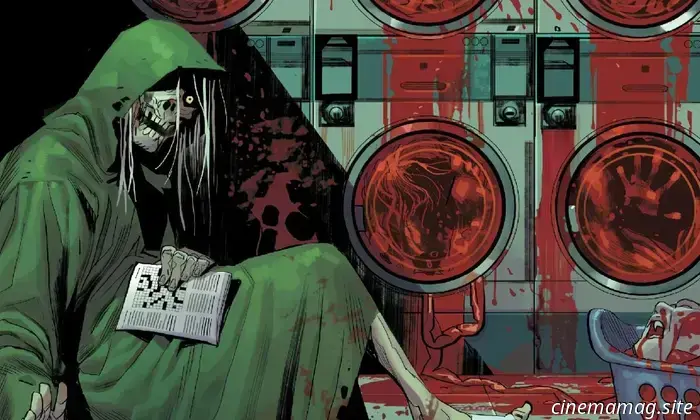 Creepshow regresando para el Volumen 4 de Skybound e Image
The Creep regresará este septiembre con un nuevo lote de historias aterradoras cuando Skybound e Image Comics lancen Creepshow Volume 4, una nueva versión del popular cómic de antología de terror basado en la exitosa serie de televisión Shudder de Greg Nicotero. Como de costumbre, cada número de la serie de cinco partes contará con dos historias conmovedoras de diferentes []]
Creepshow regresando para el Volumen 4 de Skybound e Image
The Creep regresará este septiembre con un nuevo lote de historias aterradoras cuando Skybound e Image Comics lancen Creepshow Volume 4, una nueva versión del popular cómic de antología de terror basado en la exitosa serie de televisión Shudder de Greg Nicotero. Como de costumbre, cada número de la serie de cinco partes contará con dos historias conmovedoras de diferentes []]
 Peacemaker de John Cena se une al nuevo DCU con el tráiler de la temporada 2
Aunque el universo cinematográfico de DC está comenzando de nuevo con Superman de James Gunn, algunos restos / variantes del antiguo Universo Extendido de DC se trasladarán a este Universo DC rediseñado – sobre todo el Pacificador de John Cena, quien hizo su debut en The Gunn, dirigió The Suicide Squad antes de convertirse en su propia exitosa serie en Max. […]
Peacemaker de John Cena se une al nuevo DCU con el tráiler de la temporada 2
Aunque el universo cinematográfico de DC está comenzando de nuevo con Superman de James Gunn, algunos restos / variantes del antiguo Universo Extendido de DC se trasladarán a este Universo DC rediseñado – sobre todo el Pacificador de John Cena, quien hizo su debut en The Gunn, dirigió The Suicide Squad antes de convertirse en su propia exitosa serie en Max. […]
 8 Grandes Películas de Ciencia Ficción de Culto de 1985
Casey Chong analiza ocho grandes películas de ciencia ficción de culto de 1985.... 1985 fue un gran año para cierta película de ciencia ficción llamada Regreso al futuro, que recaudó más de 2 210 millones solo en los Estados Unidos. La obra maestra de viajes en el tiempo que definió el género de Robert Zemeckis sigue siendo un ícono cinematográfico hasta el día de hoy. Sin embargo, el año también vio un puñado de []]
8 Grandes Películas de Ciencia Ficción de Culto de 1985
Casey Chong analiza ocho grandes películas de ciencia ficción de culto de 1985.... 1985 fue un gran año para cierta película de ciencia ficción llamada Regreso al futuro, que recaudó más de 2 210 millones solo en los Estados Unidos. La obra maestra de viajes en el tiempo que definió el género de Robert Zemeckis sigue siendo un ícono cinematográfico hasta el día de hoy. Sin embargo, el año también vio un puñado de []]
 El set LEGO Ideas Disney-Pixar Luxo Jr. se lanzará en junio
El Grupo LEGO ha presentado el modelo LEGO Ideas Disney-Pixar Luxo Jr. para construir que recrea la icónica mascota del estudio de animación, originalmente el tema de su cortometraje Luxo Jr. nominado al Premio de la Academia en 1986. El set está disponible para preordenar ahora, con un precio de $69.99, y saldrá a la venta el 1 de junio; échale un vistazo aquí Recre Recrea el entrañable, [...]
El set LEGO Ideas Disney-Pixar Luxo Jr. se lanzará en junio
El Grupo LEGO ha presentado el modelo LEGO Ideas Disney-Pixar Luxo Jr. para construir que recrea la icónica mascota del estudio de animación, originalmente el tema de su cortometraje Luxo Jr. nominado al Premio de la Academia en 1986. El set está disponible para preordenar ahora, con un precio de $69.99, y saldrá a la venta el 1 de junio; échale un vistazo aquí Recre Recrea el entrañable, [...]
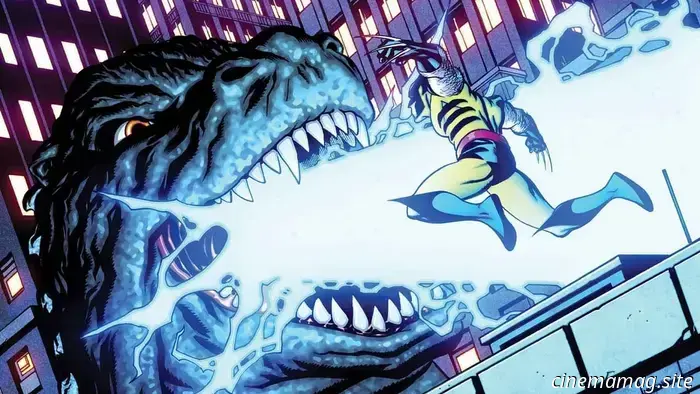 Godzilla vs. X-Men #1-Avance del cómic
Marvel Comics lanza Godzilla vs. X-Men #1 la próxima semana, y puedes echar un vistazo ahora mismo con la vista previa oficial a continuación ROUND ¡CUARTA RONDA: VS. THE UNCANNY X-MEN! Cuando una empresa de robótica provoca la ira de un kaiju, los X-Men son llamados para proteger a un mundo que los odia y teme del contraataque []]
Godzilla vs. X-Men #1-Avance del cómic
Marvel Comics lanza Godzilla vs. X-Men #1 la próxima semana, y puedes echar un vistazo ahora mismo con la vista previa oficial a continuación ROUND ¡CUARTA RONDA: VS. THE UNCANNY X-MEN! Cuando una empresa de robótica provoca la ira de un kaiju, los X-Men son llamados para proteger a un mundo que los odia y teme del contraataque []]
 Eche un primer vistazo a Red Sonja Attacks Mars #3 con una vista previa anticipada temprana
Red Sonja Attacks Mars de Dynamite Entertainment continúa el próximo mes, y puedes echar un vistazo anticipado al próximo tercer número con una vista previa de primer vistazo a continuación With Con el tiempo agotándose antes de que su mundo se vea abrumado por demonios con cara de calavera de más allá de la Luna, Sonja y su tripulación navegan hacia el norte a través del mar de Villayet en [...]
Eche un primer vistazo a Red Sonja Attacks Mars #3 con una vista previa anticipada temprana
Red Sonja Attacks Mars de Dynamite Entertainment continúa el próximo mes, y puedes echar un vistazo anticipado al próximo tercer número con una vista previa de primer vistazo a continuación With Con el tiempo agotándose antes de que su mundo se vea abrumado por demonios con cara de calavera de más allá de la Luna, Sonja y su tripulación navegan hacia el norte a través del mar de Villayet en [...]
Casey Chong examines eight notable cult sci-fi films from 1985... The year 1985 was significant for the iconic sci-fi film Back to the Future, which grossed over $210 million in the U.S. alone. Directed by Robert Zemeckis, this time-travel classic remains a beloved cinematic landmark. Alongside it, several other sci-fi movies were released, some achieving success like Cocoon, while others, such as Enemy Mine and Explorers, were largely overlooked by audiences at the time. Below, we present our selections of the essential sci-fi films from 1985 beyond Back to the Future... Re-Animator Not for the faint of heart, Stuart Gordon fully embraces Lovecraftian horror with sci-fi elements in Re-Animator. The film features Jeffrey Combs in his memorable and eccentric role as Herbert West, a deranged medical student obsessed with resurrecting the dead using his experimental serum. Gordon’s direction captures the essence of a B-movie spirit, merging sci-fi horror with dark comedy. The film is exceptionally bloody and gory, showcasing impressive practical effects and maintaining a brisk pace without unnecessary distractions. The cult success of Re-Animator led to two sequels, Bride of Re-Animator and Beyond Re-Animator. Brazil Terry Gilliam’s often-misunderstood sci-fi masterpiece failed to draw large audiences upon its release but has since been recognized as a classic. Gilliam, who co-wrote the screenplay, presents a unique vision of a dystopian future rife with bureaucratic absurdities, focused on a low-level government employee, played by the empathetic Jonathan Pryce, as he navigates a landscape of daydreams and mundane reality. Beyond Gilliam’s stunning visuals and quirky humor, the film offers profound narrative depth, drawing on Orwellian themes of totalitarianism and oppression. Although its nearly 2 ½ hour runtime might deter some viewers, Gilliam’s intricate direction offers a distinctive cinematic experience worth witnessing. Enemy Mine Wolfgang Petersen, known for genre-defining works like Das Boot and Air Force One, directed the sadly underrated Enemy Mine, which came a year after the success of The NeverEnding Story. The film faced numerous behind-the-scenes challenges, including the firing of original director Richard Loncraine, who had already filmed some scenes. Rather than using Loncraine's footage, Petersen opted to start anew. Unfortunately, despite his efforts, Enemy Mine struggled at the box office, yet it deserves recognition for its effective exploration of themes such as harmony, unity, and empathy, adapted from Barry B. Longyear’s novella by Edward Khmara. Primarily centering on the conflict between human pilot Willis Davidge (Dennis Quaid) and a reptilian being named Jeriba Shigan (Louis Gossett Jr., in full prosthetic makeup), the film thrives on the chemistry between the two leads, elevating it beyond a simple survival story. The Quiet Earth This film from New Zealand presents a haunting “what if” scenario in which a global disaster nearly wipes out all humanity. Directed by Geoff Murphy, who later took on Hollywood projects like Young Guns II, The Quiet Earth opens with a captivating scene where a man (Bruno Lawrence) wakes up to find himself utterly alone in a city. The first 35 minutes focus on Lawrence’s character, Zac Hobson, as he copes with solitude, even resorting to donning a dress for entertainment. His performance is exceptional, capturing a blend of isolation, frustration, and odd joy. The narrative later introduces two additional characters: a young woman named Joanne (Alison Routledge) and a Maori man named Api (Pete Smith). Adapted from Craig Harrison’s novel, the film explores themes of human instinct, trust, and racial tension leading to a surreal and ambiguous conclusion. Cocoon Surprisingly, Robert Zemeckis was originally slated to direct Cocoon, but after Fox executives' negative reactions to an early cut of Romancing the Stone, Ron Howard took over. Howard’s deliberate direction proved perfect for Tom Benedek’s screenplay about seniors at a retirement home who discover a swimming pool with giant cocoons that rejuvenate them. The film thoughtfully examines aging and the rediscovery of youth through the experiences of its elderly characters, portrayed by Don Ameche, Wilford Brimley, and Hume Cronyn. Rather than merely invoking nostalgia, Howard elicits strong performances from this older cast. While the special effects, especially the glowing alien beings, may seem dated today, the film’s charm and positive portrayal of the creatures are undeniable. Cocoon became a significant hit that year, followed by a less successful sequel, Cocoon: The Return, released three years later. The Stuff The film's title refers to a mysterious, sweet, and addictive white goo, reminiscent of shaving cream. This substance quickly becomes a national obsession, capturing America’s attention. Writer-director Larry Cohen fully embraces the absurdity
Casey Chong examines eight notable cult sci-fi films from 1985... The year 1985 was significant for the iconic sci-fi film Back to the Future, which grossed over $210 million in the U.S. alone. Directed by Robert Zemeckis, this time-travel classic remains a beloved cinematic landmark. Alongside it, several other sci-fi movies were released, some achieving success like Cocoon, while others, such as Enemy Mine and Explorers, were largely overlooked by audiences at the time. Below, we present our selections of the essential sci-fi films from 1985 beyond Back to the Future... Re-Animator Not for the faint of heart, Stuart Gordon fully embraces Lovecraftian horror with sci-fi elements in Re-Animator. The film features Jeffrey Combs in his memorable and eccentric role as Herbert West, a deranged medical student obsessed with resurrecting the dead using his experimental serum. Gordon’s direction captures the essence of a B-movie spirit, merging sci-fi horror with dark comedy. The film is exceptionally bloody and gory, showcasing impressive practical effects and maintaining a brisk pace without unnecessary distractions. The cult success of Re-Animator led to two sequels, Bride of Re-Animator and Beyond Re-Animator. Brazil Terry Gilliam’s often-misunderstood sci-fi masterpiece failed to draw large audiences upon its release but has since been recognized as a classic. Gilliam, who co-wrote the screenplay, presents a unique vision of a dystopian future rife with bureaucratic absurdities, focused on a low-level government employee, played by the empathetic Jonathan Pryce, as he navigates a landscape of daydreams and mundane reality. Beyond Gilliam’s stunning visuals and quirky humor, the film offers profound narrative depth, drawing on Orwellian themes of totalitarianism and oppression. Although its nearly 2 ½ hour runtime might deter some viewers, Gilliam’s intricate direction offers a distinctive cinematic experience worth witnessing. Enemy Mine Wolfgang Petersen, known for genre-defining works like Das Boot and Air Force One, directed the sadly underrated Enemy Mine, which came a year after the success of The NeverEnding Story. The film faced numerous behind-the-scenes challenges, including the firing of original director Richard Loncraine, who had already filmed some scenes. Rather than using Loncraine's footage, Petersen opted to start anew. Unfortunately, despite his efforts, Enemy Mine struggled at the box office, yet it deserves recognition for its effective exploration of themes such as harmony, unity, and empathy, adapted from Barry B. Longyear’s novella by Edward Khmara. Primarily centering on the conflict between human pilot Willis Davidge (Dennis Quaid) and a reptilian being named Jeriba Shigan (Louis Gossett Jr., in full prosthetic makeup), the film thrives on the chemistry between the two leads, elevating it beyond a simple survival story. The Quiet Earth This film from New Zealand presents a haunting “what if” scenario in which a global disaster nearly wipes out all humanity. Directed by Geoff Murphy, who later took on Hollywood projects like Young Guns II, The Quiet Earth opens with a captivating scene where a man (Bruno Lawrence) wakes up to find himself utterly alone in a city. The first 35 minutes focus on Lawrence’s character, Zac Hobson, as he copes with solitude, even resorting to donning a dress for entertainment. His performance is exceptional, capturing a blend of isolation, frustration, and odd joy. The narrative later introduces two additional characters: a young woman named Joanne (Alison Routledge) and a Maori man named Api (Pete Smith). Adapted from Craig Harrison’s novel, the film explores themes of human instinct, trust, and racial tension leading to a surreal and ambiguous conclusion. Cocoon Surprisingly, Robert Zemeckis was originally slated to direct Cocoon, but after Fox executives' negative reactions to an early cut of Romancing the Stone, Ron Howard took over. Howard’s deliberate direction proved perfect for Tom Benedek’s screenplay about seniors at a retirement home who discover a swimming pool with giant cocoons that rejuvenate them. The film thoughtfully examines aging and the rediscovery of youth through the experiences of its elderly characters, portrayed by Don Ameche, Wilford Brimley, and Hume Cronyn. Rather than merely invoking nostalgia, Howard elicits strong performances from this older cast. While the special effects, especially the glowing alien beings, may seem dated today, the film’s charm and positive portrayal of the creatures are undeniable. Cocoon became a significant hit that year, followed by a less successful sequel, Cocoon: The Return, released three years later. The Stuff The film's title refers to a mysterious, sweet, and addictive white goo, reminiscent of shaving cream. This substance quickly becomes a national obsession, capturing America’s attention. Writer-director Larry Cohen fully embraces the absurdity