
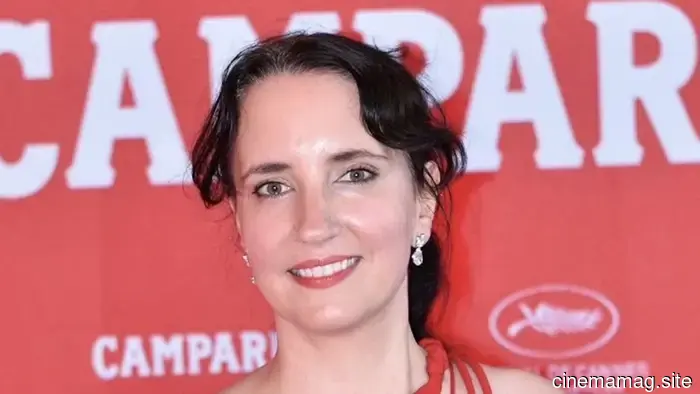
Jane Owen: You May Not Have a Film in the Festival, but You Still Require a Publicist.
Publicist Jane Owen has dedicated more than twenty years to transforming festival appearances into pivotal moments for filmmakers, whether they are premiering or not. From Cannes to Tribeca to Venice to Toronto, the founder of JOPR shares why attending without a press strategy is the costliest error you can make.—M.M.
A specific type of silence envelops a filmmaker arriving at a major festival without representation.
It’s not the anticipation of what’s to come; rather, it's the stillness of someone in a packed room while everyone else seems to know the dance: whom to approach, which event truly matters, what conversations are disguised pitches, and grasping, with a sinking realization, that they never mastered the steps.
From Competition Halls to Global Marketplace
Film festivals were not always like this. When the Venice Film Festival began in 1932, followed by Cannes in 1946, the objective was quite simple: showcase the finest films, present awards, and return home.
For many years, the rationale was clear. You attended a festival if you had a film in competition. If not, you had no specific reason to be there. The audience consisted of cinephiles and critics, with artistic prestige as the primary currency. Business interactions, like handshakes in hotel bars or conversations post-screening, were incidental.
This paradigm shifted in the 1980s and 1990s as Sundance, Toronto, and the growing Cannes Marché du Film transformed festivals into true marketplaces. Overnight, the audience included sales agents and acquisition executives alongside critics.
Premieres evolved beyond artistic showcases to become commercial opportunities—a launchpad for distribution contracts, international sales, and widespread industry attention that could dictate a film's financial trajectory. The red carpet turned into a runway, the screenings became soft openings, and festivals morphed into businesses.
Nevertheless, the assumption that festivals were meant for filmmakers endured. Producers without projects, financiers seeking opportunities, technology firms, post-production houses, and actors in between roles stayed at home, as festivals were seen as gatherings for other participants.
Then the pandemic changed everything.
Covid-19 scattered the film industry worldwide in ways that remain uncorrected. Productions shifted to new regions, financing grew more international and fragmented, increasingly reliant on relationships that transcended time zones. The rise of remote work meant that the informal, face-to-face networks that sustained the industry—lunch meetings, impromptu office visits, and chance encounters at screenings—vanished almost instantaneously.
When festivals returned, they morphed into something new: no longer just showcases for completed films, they became one of the last venues where the global film industry could congregate simultaneously.
In a business now extending from Los Angeles to London to Lagos to Seoul, where a producer in Connecticut might be financing a film shot in Eastern Europe with a sales agent based in Dubai, organizing face-to-face meetings outside of the festival calendar has become exceedingly challenging.
Cannes, Tribeca, Venice, and Toronto: These events are no longer mere film festivals. They are the industry's living room, where handshakes occur, trust is established, and deals that emails and Zoom calls could not finalize are completed.
This evolution implies that the question of who belongs at a festival, and who requires a publicist, has profoundly shifted.
Introducing: Jane Owen PR
I’ve witnessed this evolution firsthand, and in some ways, helped to shape it.
I am the CEO and founder of Jane Owen Public Relations, launched in 2011, with operations in Los Angeles, New York, London, Dubai, and Connecticut. JOPR has received multiple Los Angeles Business Awards in public relations, and I was honored as Woman of the Year by the National Association of Professional Women.
However, this is not why my phone rings so frequently or why my schedule resembles a demanding relay race: starting at Cannes, then Tribeca, followed by a new festival I’m executive producing in Hartford, Connecticut, and back across the Atlantic for Venice, then back again for Toronto.
I approach my work akin to how a conductor engages with a symphony—not just as isolated events but as parts of a cohesive composition.
Cannes: The Proving Ground
JOPR
After commencing the year with Sundance and SXSW, the annual itinerary continues on the Croisette in Cannes, reflecting the evolution of festival PR beyond traditional film campaigns toward comprehensive industry positioning.
This year, JOPR is representing a varied slate that mirrors the modern festival economy: film financing platforms, emerging production companies, rising talents, media brands, experiential activations, and private events attracting their own circles of press and industry figures.
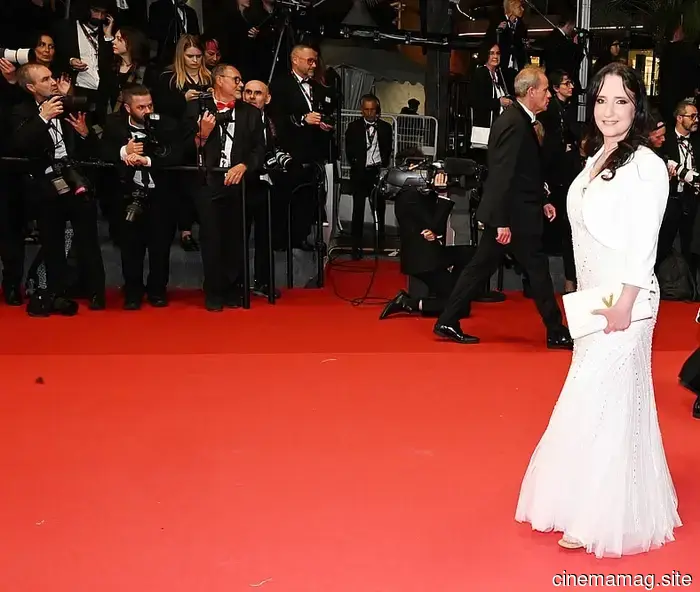
Some clients have films showcased at the festival, while many do not. What unites them is the understanding that, during Cannes, the Croisette represents the most valuable real estate in the entertainment industry for two weeks; attending without a publicist is akin to owning a storefront yet leaving the lights off.
People envision Cannes and see red
Other articles
 The Most Unfavorably Rated Films from the Last Five Decades, Based on Rotten Tomatoes Ratings
According to Rotten Tomatoes, these are the worst films from each of the past five decades.
The Most Unfavorably Rated Films from the Last Five Decades, Based on Rotten Tomatoes Ratings
According to Rotten Tomatoes, these are the worst films from each of the past five decades.
 Netflix releases a trailer for Harlan Coben's I Will Find You.
Netflix has released a trailer for I Will Find You, which is based on Harlan Coben's 2023 novel of the same title. The thriller series features Sam Worthington from Avatar in the role of David, a man who has been falsely accused...
Netflix releases a trailer for Harlan Coben's I Will Find You.
Netflix has released a trailer for I Will Find You, which is based on Harlan Coben's 2023 novel of the same title. The thriller series features Sam Worthington from Avatar in the role of David, a man who has been falsely accused...
 Minions & Monsters reveals its final trailer ahead of the July launch.
Universal Pictures and Illumination Entertainment have released the final trailer for Minions & Monsters, the newest installment in the successful Despicable Me series, which is directed by the franchise…
Minions & Monsters reveals its final trailer ahead of the July launch.
Universal Pictures and Illumination Entertainment have released the final trailer for Minions & Monsters, the newest installment in the successful Despicable Me series, which is directed by the franchise…
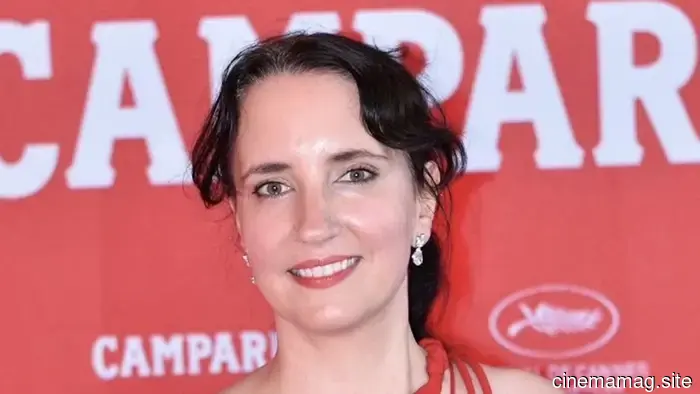 Jane Owen: Even Without a Film in the Festival, You Still Need a Publicist.
Jane Owen offers her knowledge and experience regarding film festivals.
Jane Owen: Even Without a Film in the Festival, You Still Need a Publicist.
Jane Owen offers her knowledge and experience regarding film festivals.
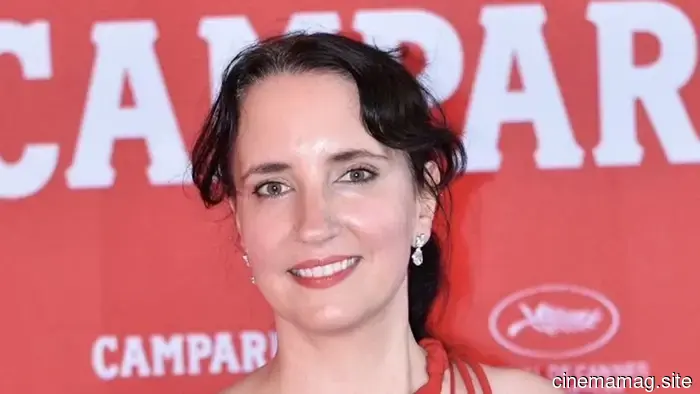 Jane Owen: Even Without a Film in the Festival, You Still Require a Publicist
Jane Owen shares her knowledge of film festivals.
Jane Owen: Even Without a Film in the Festival, You Still Require a Publicist
Jane Owen shares her knowledge of film festivals.
 Comic Book Sneak Peek – Absolute Batman #20
The Absolute Robins will strike next week as DC Comics publishes the eagerly awaited Absolute Batman #20. Below, you can catch a glimpse with the official preview of the issue… A TRAGIC…
Comic Book Sneak Peek – Absolute Batman #20
The Absolute Robins will strike next week as DC Comics publishes the eagerly awaited Absolute Batman #20. Below, you can catch a glimpse with the official preview of the issue… A TRAGIC…
Jane Owen: You May Not Have a Film in the Festival, but You Still Require a Publicist.
Jane Owen imparts her knowledge of film festivals.