
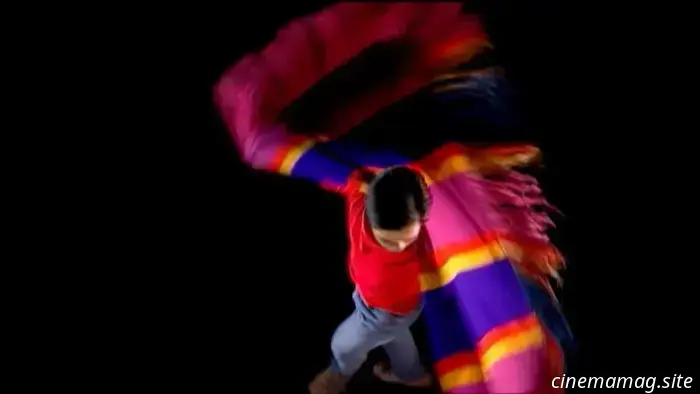
Exclusive Trailer for the New Restoration of Sherman Alexie's The Business of Fancydancing
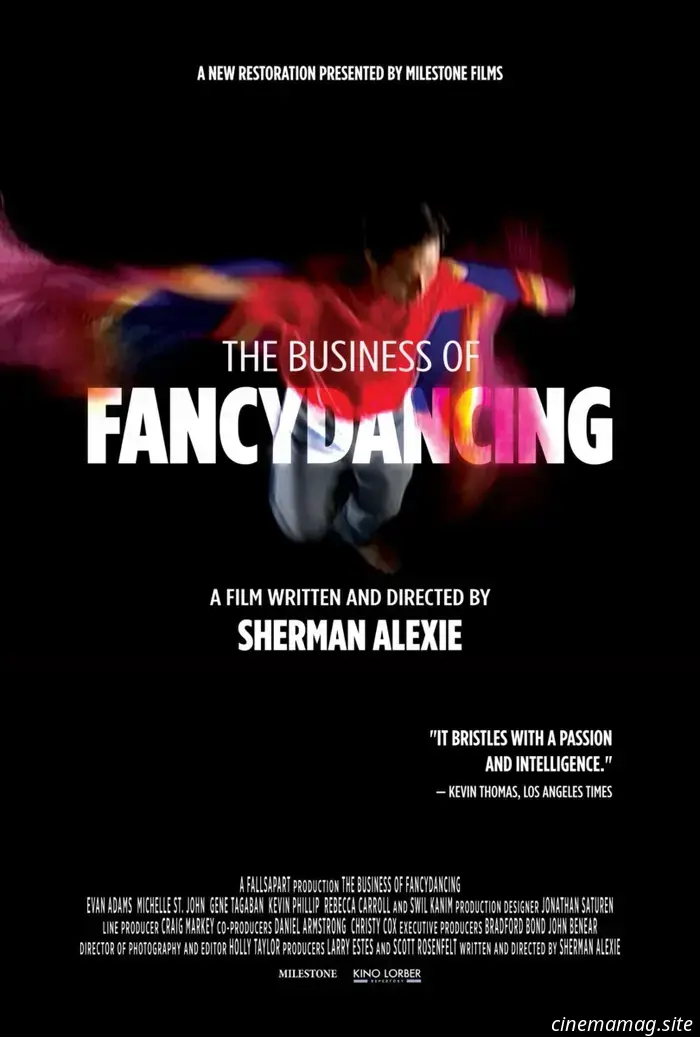
Originally debuting at the Sundance Film Festival in 2002, acclaimed Native American novelist and screenwriter Sherman Alexie’s feature film The Business of Fancydancing has been restored and is set to hit theaters next month. The film represents what Alexie referred to as a “tribal, sovereign, and literary mode of making feature films”—a highly collaborative approach that enabled them to maintain creative control while working outside the commercial pressures of the industry. In advance of the release from Kino Lorber, which has partnered with Milestone Films, starting November 14 at NYC’s The Quad and then expanding to select cities, we are excited to exclusively present a new trailer and poster.
Here’s the synopsis: “Since their high school graduation, former Spokane Reservation best friends Seymour (Evan Adams, Smoke Signals) and Aristotle (Gene Tagaban) have taken different paths. Both went to college in Seattle, but while Seymour embraced the opportunities of the white world, Aristotle returned home feeling disillusioned. Sixteen years later, they reunite after the sudden death of an old childhood friend. Seymour, now an openly gay poet and an unofficial spokesperson for Native Americans, faces resentment on “the rez.” As the wake unfolds, tensions rise, and Aristotle’s long-held bitterness comes to light.”
Check out the exclusive trailer below.
Other articles
.jpg) 4K Ultra HD Review – Outland (1981)
Outland, 1981. Directed by Peter Hyams. Featuring Sean Connery, Peter Boyle, Frances Sternhagen, James B. Sikking, and Kika Markham. SYNOPSIS: The 1981 western sci-fi film Outland, directed by Peter Hyams, is now available on 4...
4K Ultra HD Review – Outland (1981)
Outland, 1981. Directed by Peter Hyams. Featuring Sean Connery, Peter Boyle, Frances Sternhagen, James B. Sikking, and Kika Markham. SYNOPSIS: The 1981 western sci-fi film Outland, directed by Peter Hyams, is now available on 4...
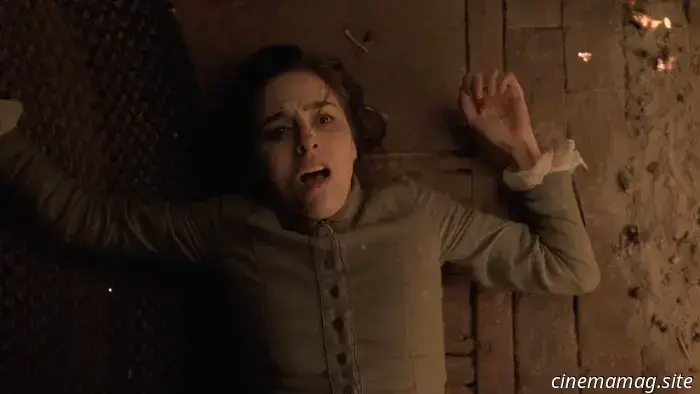 How We Filmed Our Victorian Ghost Story 'The Traveler' in NYC on a Budget— and Imitated a Fire
Matthew Scheffler serves as the writer and director of "The Traveler," a ghost story where nothing is as it appears, which is set to be screened this weekend at FilmQuest. In the work
How We Filmed Our Victorian Ghost Story 'The Traveler' in NYC on a Budget— and Imitated a Fire
Matthew Scheffler serves as the writer and director of "The Traveler," a ghost story where nothing is as it appears, which is set to be screened this weekend at FilmQuest. In the work
 The Silent Hill universe is arriving in State of Survival this week.
FunPlus and Konami have revealed that the Silent Hill universe will be introduced in State of Survival on October 29th. This unique Silent Hill crossover will take place from October 29th until December 10th.
The Silent Hill universe is arriving in State of Survival this week.
FunPlus and Konami have revealed that the Silent Hill universe will be introduced in State of Survival on October 29th. This unique Silent Hill crossover will take place from October 29th until December 10th.
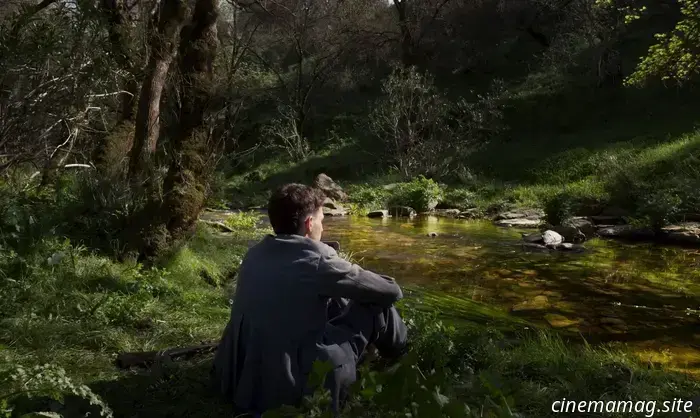 Exclusive Trailer for Marta Mateus' Celebrated Debut, Fire of Wind, Produced by Pedro Costa
Marta Mateus' Fire of Wind, which was showcased at various film festivals including Locarno, New York, BFI London, Viennale, and Tokyo, was among the most visually impressive feature debuts I encountered last year. Acquired by Cinema Guild, the feature produced by Pedro Costa is set to start its theatrical run at NYC's Anthology Film Archives this Friday.
Exclusive Trailer for Marta Mateus' Celebrated Debut, Fire of Wind, Produced by Pedro Costa
Marta Mateus' Fire of Wind, which was showcased at various film festivals including Locarno, New York, BFI London, Viennale, and Tokyo, was among the most visually impressive feature debuts I encountered last year. Acquired by Cinema Guild, the feature produced by Pedro Costa is set to start its theatrical run at NYC's Anthology Film Archives this Friday.
Exclusive Trailer for the New Restoration of Sherman Alexie's The Business of Fancydancing
Making its debut at the Sundance Film Festival in 2002, acclaimed Native American author and screenwriter Sherman Alexie's first feature film, The Business of Fancydancing, has been restored and is set to hit theaters next month. The film represents what Alexie referred to as a “tribal, sovereign, and literary approach to filmmaking”—a highly collaborative effort that