
Why Practical Effects Are Resurfacing in Independent Film - MovieMaker Magazine
For over a decade, independent filmmakers have been reassured that visual effects would enhance their films to match the quality of studio productions. As digital tools became more affordable, compositing software became more accessible, and tutorials turned casual creators into skilled artisans, an unexpected shift has occurred at festivals, on streaming platforms, and in discussions with emerging directors: practical effects are swiftly making a comeback, embraced with pride and a renewed artistic intent.
Independent filmmaking has always thrived on innovative solutions arising from challenges. Today's filmmakers are opting for physical effects not out of a lack of digital alternatives, but because practical effects provide unique advantages that digital methods cannot replicate—such as adding texture, imperfections, unpredictability, and emotional depth. The resurgence of practical effects is more than just a trend; it represents a filmmaking movement redefining authenticity and audience connection.
There is a growing desire for authenticity
Audiences have become increasingly adept at discerning visual authenticity. They can quickly identify when CGI appears overly processed, when lighting is inconsistent, or when animation feels out of place in live-action contexts. In a landscape dominated by polished VFX, even once-impressive digital effects now seem outdated or lackluster.
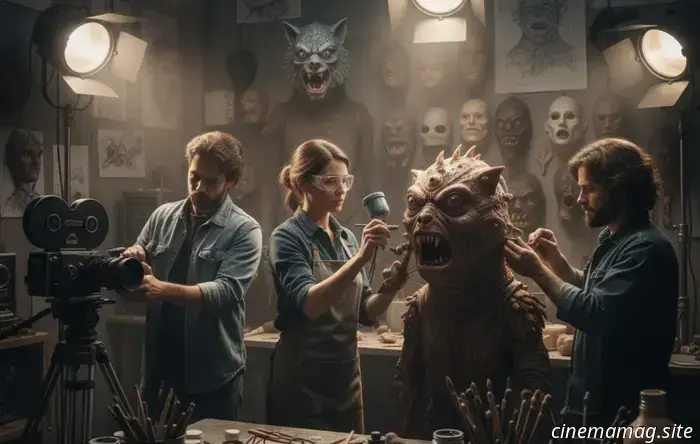
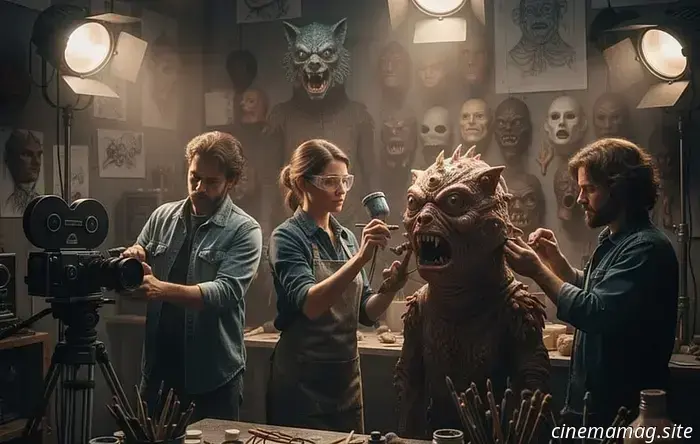
Practical effects reintroduce elements that audiences struggle to articulate yet recognize immediately: the gravity and tactile quality of the real world. Creatures made of fabric, foam, or silicone exhibit minor flaws, while small physical environments naturally reflect light, conveying scale through real images rather than software. Real dust, smoke, and blood effects disperse in ways that are often unpredictable, enhancing the scene's authenticity.
People respond instinctively to real elements captured on camera. When independent films employ practical effects, viewers often describe scenes as “more alive,” “more tense,” or simply “more real.” In an era brimming with digital imagery, the ability to physically witness something has become a luxury in film. Practical effects enhance both acting and emotional resonance.
One of the significant advantages of practical effects is their positive impact on performance. When actors interact with tangible props or creatures, their responses are instinctual rather than imagined. Practical effects provide actors with:
- Accurate eye lines
- Real interaction with props or creatures
- Emotionally grounded responses
- Improved spatial awareness in action sequences
An actor's reaction to a simulated injury, a falling prop, or a creature puppet will always carry more emotional weight than responding to a tennis ball on a stick.
Directors often indicate that practical effects reduce the number of takes required. Emotional moments occur more naturally, and blocking feels more intuitive. When actors, effects artists, and camera crews collaborate in real-time to address physical challenges, the entire set becomes more cooperative. These shared constraints often lead to innovative breakthroughs that no storyboard could have anticipated.
Practical effects today are more affordable.
Ironically, practical effects, once considered costly, have become an economical choice for low-budget projects. Digital effects still require:
- Extensive rotoscoping
- Collaboration among multiple artists for composites
- Specialized rendering hardware
- Numerous rounds of revisions
- Engagement with third-party post-production companies
These expenses can be predictable but often escalate as notes accumulate. In contrast, practical effects boast affordable benefits:
- Many materials, including foam latex, silicone, 3D-printed molds, and small wood pieces, are inexpensive.
- Although crafting effects requires time and skill, there is no need to pay for costly software subscriptions.
- Miniatures can substitute for pricey location shoots.
- In-camera effects eliminate the need for complex post-production compositing.
For an indie filmmaker juggling many tasks, practical effects represent an upfront creative expense. Once an effect is created, filmed, and recorded, the work is complete—no lengthy VFX process, unexpected charges, or panic over deadlines.
Independent films gain a distinctive look through in-camera effects. In a digital environment saturated with seamless VFX, independent films are increasingly challenged to stand out. If everyone utilizes the same lens filters, LUTs, and digital explosions, the final product can appear uniform.
Practical effects provide indie films with a uniqueness that digital effects cannot match. Consider the visual signatures of:
- Handcrafted creature suits
- Stop-motion inserts
- Miniature explosions
- Forced perspective tricks
- Analog distortion effects
- Real-world elements like fire, water, and natural settings
These techniques produce imperfections that enhance the film's visual allure. Directors favoring practical effects frequently describe their work as “textured,” “visceral,” or “organic,” qualities that are often lauded by festivals and critics alike.
In an age where digital creations have become indistinguishable, practical effects emerge as memorable and impactful.
Hybrid techniques combine strengths from both realms
Contemporary practical effects do not eliminate digital tools; rather, they complement them. An increasing number of independent filmmakers are adopting hybrid techniques that blend real elements with digital enhancements:
- A foam creature suit augmented with lifelike digital eyes
- A small model city enhanced with CGI smoke or crowds
- A practical explosion with added
Other articles
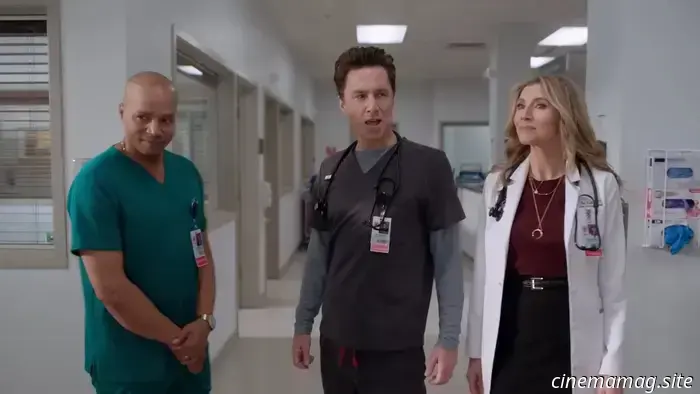 Sacred Heart is reopening with the first teaser trailer for the Scrubs revival.
Sacred Heart is preparing to welcome back visitors, and a short teaser trailer has just been released online for the much-anticipated revival of the medical comedy Scrubs, hinting at the return of J.D. (Zach Braff), Tur…
Sacred Heart is reopening with the first teaser trailer for the Scrubs revival.
Sacred Heart is preparing to welcome back visitors, and a short teaser trailer has just been released online for the much-anticipated revival of the medical comedy Scrubs, hinting at the return of J.D. (Zach Braff), Tur…
 Solo Leveling: Arise Overdrive launches on Steam and Xbox PC.
Solo Leveling: Arise Overdrive launches on Steam and Xbox PC.
Solo Leveling: Arise Overdrive launches on Steam and Xbox PC.
 Comic Book Sneak Peek – Star Trek: Red Shirts #5
IDW Publishing’s Star Trek: Red Shirts will wrap up next week, and you can take an early look at the fifth and final issue right here with the official preview provided below…
Comic Book Sneak Peek – Star Trek: Red Shirts #5
IDW Publishing’s Star Trek: Red Shirts will wrap up next week, and you can take an early look at the fifth and final issue right here with the official preview provided below…
 Ranking All 11 Star Wars Films from Least to Most Favorable
Here is the ranking of all 11 Star Wars films from least to most favorable.
Ranking All 11 Star Wars Films from Least to Most Favorable
Here is the ranking of all 11 Star Wars films from least to most favorable.
 Monster High Skullector Edward Scissorhands has been officially revealed by Mattel.
To commemorate the 35th anniversary of Tim Burton's 1990 gothic fantasy romance, Edward Scissorhands, Mattel Creations has officially introduced its Monster High Skullector Edward Scissorhands doll.
Monster High Skullector Edward Scissorhands has been officially revealed by Mattel.
To commemorate the 35th anniversary of Tim Burton's 1990 gothic fantasy romance, Edward Scissorhands, Mattel Creations has officially introduced its Monster High Skullector Edward Scissorhands doll.
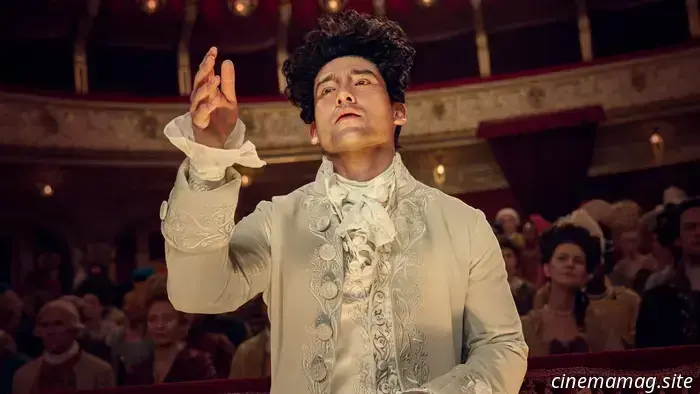 In anticipation of its premiere on Sky and NOW next month, a new trailer, featurette, and character posters have been released online for Amadeus, the forthcoming drama series created by Joe Barton (Black Doves).
Why Practical Effects Are Resurfacing in Independent Film - MovieMaker Magazine
For over ten years, independent filmmakers were advised that visual effects could enhance their films to a level comparable to those produced by studios. Digital tools became