
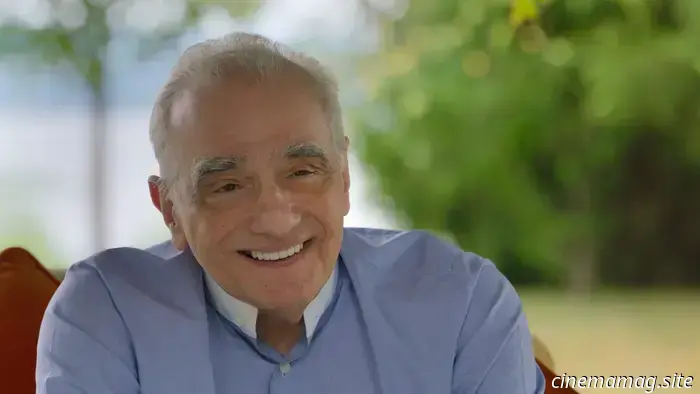
Mr. Scorsese's editor, David Bartner, discusses how to capture the emotional core of a legendary career.
Summarizing a career as varied, unique, and impactful as Martin Scorsese's in even five hours is a daunting challenge, rendering director Rebecca Miller and editor David Bartner's documentary, Mr. Scorsese, all the more important and impressive. Through nearly 80 interviews, including 30 hours with Scorsese himself, Bartner artfully constructs the story of a determined filmmaker, navigating studio pressures while pursuing his passions, regrets, and successes. The five-part series is both entertaining and enlightening, demonstrating that every significant living director with such a legacy merits a cinematic summary.
With Mr. Scorsese now available on Apple TV, I engaged David Bartner in a conversation—on Scorsese's 83rd birthday, no less—about the organization of such an extensive filmography, the content that was left out, experimentation during the editing process, capturing Scorsese's film-preservation efforts, and the first Scorsese film he ever watched.
The Film Stage: Given the vastness of Martin Scorsese's film career, I’m interested in how you and your editing team organized the clips. Did you categorize them by themes and subjects?
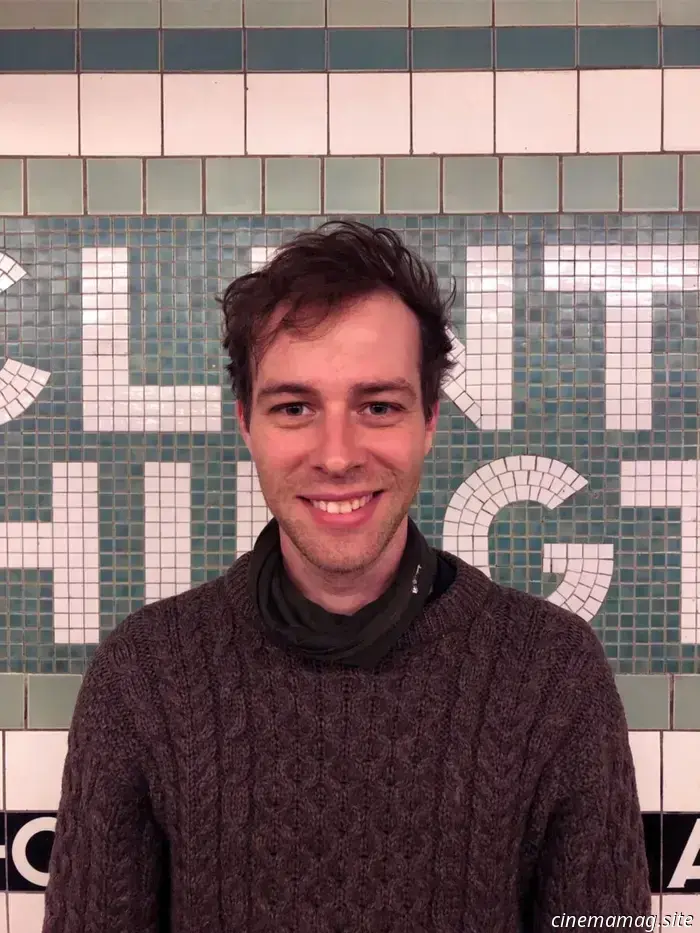
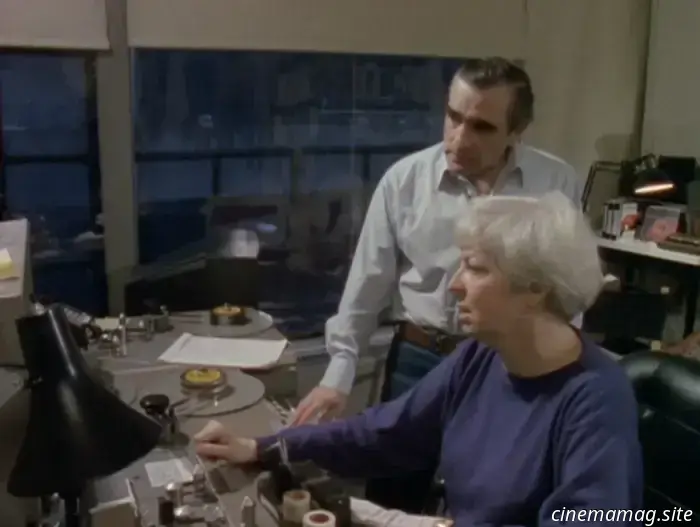
David Bartner: Indeed, our team was quite small. It was an interview-driven documentary, so we weren’t sifting through countless hours of vérité footage or anything like that. We had an abundance of photos and archival material, as well as all his films. We probably conducted around 70 to 80 interviews, including about 30 hours with Scorsese himself. I typically begin by categorizing everything by theme. This involves watching all the interviews to identify their emotional core—what is the heart of the narrative being conveyed?
Afterward, I delve into each interview, focusing on emotion. Using transcripts, I highlight noteworthy parts. Once that’s done, I categorize my highlights by theme, with each highlight able to embody multiple themes. For instance, one highlight might pertain to “Taxi Driver,” while also being relevant to “Taxi Driver improv” or “Taxi Driver’s relationship to De Niro.” Hence, every theme can encompass various aspects.
I follow this approach for every interview and then organize all my themes into bins. So, when I edit a segment about a film, I can access all the commentary from different people pertaining to that specific film and its subthemes. Not everything revolves around films; sometimes themes emerge related to “Scorsese the man,” “Scorsese’s humor,” or “his relationship to his mother.” That’s how I began the breakdown process.
Every character I interview has a designated bin with their themes. While editing, if if I’m looking for a particular perspective, I can quickly reference everything they contributed regarding each theme, which becomes crucial for capturing Scorsese's voice at times. Sometimes, unexpected themes can seamlessly fit into the narrative, allowing me to incorporate his insights meaningfully. Therefore, everything gets distilled into smaller thematic moments, allowing me to access them easily because you cannot be creatively productive until you complete this foundational work, which I handle myself as an editor.
Speaking more about the structure: Rebecca Miller shared that you didn’t initially settle on a linear format. She mentioned experimentation with voiceover and even considering the perspective of his dog at one point. Can you elaborate on that creative journey?
There was always a notion that the narrative would have some linear quality due to the importance of his childhood. There was an idea of grouping themes, such as violence, religion, and female portrayal, into sectors. However, this approach didn’t yield good results because it led to fatigue from his filmography once a theme was exhausted. Moreover, it detracted from the biographical narrative. Ultimately, there was no satisfying way to balance these two elements. If we dedicated a section to violence at the conclusion of Taxi Driver, then transitioned into violent scenes in Casino, much of the substance had already been covered.
We ended up discarding the voiceover approach. One of the early challenges was figuring out how to narrate this story without expert commentary because we opted not to include expert voices. Thus, the question became how to navigate Hollywood's transformations, establish clarity about his films, and explore them without losing the audience’s engagement. We experimented with voiceovers for a time, considering a Goodfellas-style narration, which presented an interesting conundrum of identifying the narrator. We jokingly pondered whether it could be his dog since he had a beloved dog, Zoë, who stayed by his side during the ’80s.
Though this idea was casually proposed and not realized in the final documentary, it was an intriguing consideration. We also revisited the idea of utilizing voiceover to add creative flair to the sprawling narrative, building the structure with voiceover in the first half. I eventually recognized that I could remove it entirely, and everything remained coherent without it. While it served well as a creative assist, I realized that I could manage without it, unders

Other articles
 How We Created 'Poreless,' a Narrative on Beauty, Authenticity, and the 'Diversity Slot'
"Poreless" tells the tale of a remarkable, queer Muslim beauty entrepreneur who needs to navigate the challenges of competing in a product pitch contest reminiscent of Shark Tank after
How We Created 'Poreless,' a Narrative on Beauty, Authenticity, and the 'Diversity Slot'
"Poreless" tells the tale of a remarkable, queer Muslim beauty entrepreneur who needs to navigate the challenges of competing in a product pitch contest reminiscent of Shark Tank after
 The artist born in Nairobi and currently based in Berlin unveils his upcoming referential work.
On November 28, 2025, experimental musician and creator Kabeaushé reveals ‘WE HAVE OURSELVES A SHEKDOWN’, the second single from his anticipated album, ‘KABEAUSHÉ PRESENTS: IGGY SWAGGERING UNGRATEFUL INCESSANT LITTLE PEEEAAAAAAA’, scheduled for release on February 27.
This track—an inventive blend of glitch, industrial, and avant-garde elements—continues the story of Herr Iggy, the unstable leader of the fictional Doerf Kingdom.
Delving deeper into his descent into paranoia and self-created mythology, ‘SHEKDOWN’ encapsulates the moment when Iggy’s self-assurance begins to crumble. Fueled by marching drums, sci-fi-inspired orchestral layers, and KABEAUSHÉ’s dramatic vocals, the song evokes the cinematic power of Sergei Eisenstein’s Ivan the Terrible. It presents a theatrical, volatile, and sharply defined image of a leader losing control.
This single is part of KABEAUSHÉ’s new visual landscape, influenced by early German cinema and silent film styles. Stark lighting and sharp set designs showcase Herr Iggy in his elaborate uniform, as he claps, gestures, and spirals into an escalating crisis of ego and authority.
KABEAUSHÉ, a singer, rapper, and producer, was born in Nairobi and is now situated in Berlin. His work blends baroque influences, experimental pop, hip-hop, rock, and cinematic drama into a unique artistic realm.
His celebrated debut, ‘Hold On To Deer Life, There’s A Black Boy Behind You!’, released in 2023, won the Polyton Music Prize and VIA VUT Award. His live performances—graced stages at Roskilde, The Great Escape, Rock en Seine, and more—have solidified his status as an electrifying artist.
Listen now.
—
Photo Credit: Fred Odede
—
Join us on WeAre8 for insights into global cultural events. Follow Clash Magazine HERE as we explore clubs, concerts, interviews, and photo shoots. Get exclusive backstage glimpses and a view into our world as the excitement unfolds.
Subscribe to the Clash mailing list for the latest music, fashion, and film news.
The artist born in Nairobi and currently based in Berlin unveils his upcoming referential work.
On November 28, 2025, experimental musician and creator Kabeaushé reveals ‘WE HAVE OURSELVES A SHEKDOWN’, the second single from his anticipated album, ‘KABEAUSHÉ PRESENTS: IGGY SWAGGERING UNGRATEFUL INCESSANT LITTLE PEEEAAAAAAA’, scheduled for release on February 27.
This track—an inventive blend of glitch, industrial, and avant-garde elements—continues the story of Herr Iggy, the unstable leader of the fictional Doerf Kingdom.
Delving deeper into his descent into paranoia and self-created mythology, ‘SHEKDOWN’ encapsulates the moment when Iggy’s self-assurance begins to crumble. Fueled by marching drums, sci-fi-inspired orchestral layers, and KABEAUSHÉ’s dramatic vocals, the song evokes the cinematic power of Sergei Eisenstein’s Ivan the Terrible. It presents a theatrical, volatile, and sharply defined image of a leader losing control.
This single is part of KABEAUSHÉ’s new visual landscape, influenced by early German cinema and silent film styles. Stark lighting and sharp set designs showcase Herr Iggy in his elaborate uniform, as he claps, gestures, and spirals into an escalating crisis of ego and authority.
KABEAUSHÉ, a singer, rapper, and producer, was born in Nairobi and is now situated in Berlin. His work blends baroque influences, experimental pop, hip-hop, rock, and cinematic drama into a unique artistic realm.
His celebrated debut, ‘Hold On To Deer Life, There’s A Black Boy Behind You!’, released in 2023, won the Polyton Music Prize and VIA VUT Award. His live performances—graced stages at Roskilde, The Great Escape, Rock en Seine, and more—have solidified his status as an electrifying artist.
Listen now.
—
Photo Credit: Fred Odede
—
Join us on WeAre8 for insights into global cultural events. Follow Clash Magazine HERE as we explore clubs, concerts, interviews, and photo shoots. Get exclusive backstage glimpses and a view into our world as the excitement unfolds.
Subscribe to the Clash mailing list for the latest music, fashion, and film news.
The artist born in Nairobi and currently based in Berlin unveils his upcoming referential work.
On November 28, 2025, experimental musician and creator Kabeaushé reveals ‘WE HAVE OURSELVES A SHEKDOWN’, the second single from his anticipated album, ‘KABEAUSHÉ PRESENTS: IGGY SWAGGERING UNGRATEFUL INCESSANT LITTLE PEEEAAAAAAA’, scheduled for release on February 27.
This track—an inventive blend of glitch, industrial, and avant-garde elements—continues the story of Herr Iggy, the unstable leader of the fictional Doerf Kingdom.
Delving deeper into his descent into paranoia and self-created mythology, ‘SHEKDOWN’ encapsulates the moment when Iggy’s self-assurance begins to crumble. Fueled by marching drums, sci-fi-inspired orchestral layers, and KABEAUSHÉ’s dramatic vocals, the song evokes the cinematic power of Sergei Eisenstein’s Ivan the Terrible. It presents a theatrical, volatile, and sharply defined image of a leader losing control.
This single is part of KABEAUSHÉ’s new visual landscape, influenced by early German cinema and silent film styles. Stark lighting and sharp set designs showcase Herr Iggy in his elaborate uniform, as he claps, gestures, and spirals into an escalating crisis of ego and authority.
KABEAUSHÉ, a singer, rapper, and producer, was born in Nairobi and is now situated in Berlin. His work blends baroque influences, experimental pop, hip-hop, rock, and cinematic drama into a unique artistic realm.
His celebrated debut, ‘Hold On To Deer Life, There’s A Black Boy Behind You!’, released in 2023, won the Polyton Music Prize and VIA VUT Award. His live performances—graced stages at Roskilde, The Great Escape, Rock en Seine, and more—have solidified his status as an electrifying artist.
Listen now.
—
Photo Credit: Fred Odede
—
Join us on WeAre8 for insights into global cultural events. Follow Clash Magazine HERE as we explore clubs, concerts, interviews, and photo shoots. Get exclusive backstage glimpses and a view into our world as the excitement unfolds.
Subscribe to the Clash mailing list for the latest music, fashion, and film news.
The artist born in Nairobi and currently based in Berlin unveils his upcoming referential work.
On November 28, 2025, experimental musician and creator Kabeaushé reveals ‘WE HAVE OURSELVES A SHEKDOWN’, the second single from his anticipated album, ‘KABEAUSHÉ PRESENTS: IGGY SWAGGERING UNGRATEFUL INCESSANT LITTLE PEEEAAAAAAA’, scheduled for release on February 27.
This track—an inventive blend of glitch, industrial, and avant-garde elements—continues the story of Herr Iggy, the unstable leader of the fictional Doerf Kingdom.
Delving deeper into his descent into paranoia and self-created mythology, ‘SHEKDOWN’ encapsulates the moment when Iggy’s self-assurance begins to crumble. Fueled by marching drums, sci-fi-inspired orchestral layers, and KABEAUSHÉ’s dramatic vocals, the song evokes the cinematic power of Sergei Eisenstein’s Ivan the Terrible. It presents a theatrical, volatile, and sharply defined image of a leader losing control.
This single is part of KABEAUSHÉ’s new visual landscape, influenced by early German cinema and silent film styles. Stark lighting and sharp set designs showcase Herr Iggy in his elaborate uniform, as he claps, gestures, and spirals into an escalating crisis of ego and authority.
KABEAUSHÉ, a singer, rapper, and producer, was born in Nairobi and is now situated in Berlin. His work blends baroque influences, experimental pop, hip-hop, rock, and cinematic drama into a unique artistic realm.
His celebrated debut, ‘Hold On To Deer Life, There’s A Black Boy Behind You!’, released in 2023, won the Polyton Music Prize and VIA VUT Award. His live performances—graced stages at Roskilde, The Great Escape, Rock en Seine, and more—have solidified his status as an electrifying artist.
Listen now.
—
Photo Credit: Fred Odede
—
Join us on WeAre8 for insights into global cultural events. Follow Clash Magazine HERE as we explore clubs, concerts, interviews, and photo shoots. Get exclusive backstage glimpses and a view into our world as the excitement unfolds.
Subscribe to the Clash mailing list for the latest music, fashion, and film news.
Mr. Scorsese's editor, David Bartner, discusses how to capture the emotional core of a legendary career.
Summarizing a career as unique, multifaceted, and impactful as Martin Scorsese's in just five hours is a monumental challenge. This makes the documentary "Mr. Scorsese," directed by Rebecca Miller and edited by David Bartner, an essential and remarkable film. With nearly 80 interviews and 30 hours dedicated to Mr. Scorsese himself, Bartner intricately pieces together his life story.