
From Forbidden to Adored: Video Nasties That Merit Reassessment
Adam Page explores the realm of video nasties to determine which of these controversial films warrant a critical reassessment.
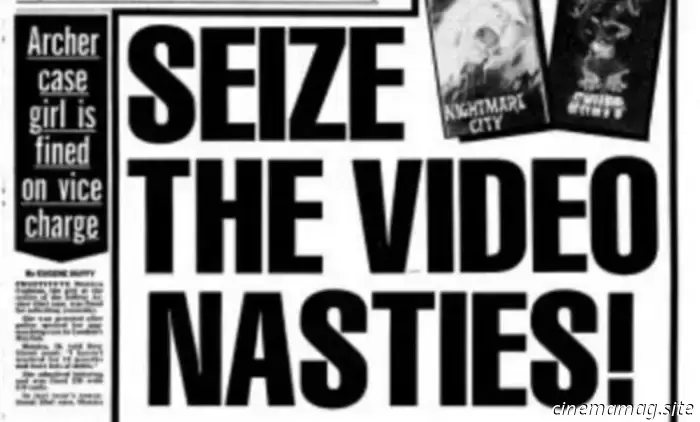
I understand the sentiments behind the panic. When Mary Whitehouse and her group of moral campaigners compiled their 1984 list of 72 films they believed to be too hazardous for British audiences, their focus was not on artistic quality. Their rallying cry was to “Protect the children!” amidst fears of moral decline and societal collapse. These reactions are standard whenever something genuinely provocative threatens the complacency of polite society. While I can comprehend this perspective, moral panic tends to lead to poor film criticism.
Now, four decades later, the frenzy has eased, and VHS tapes have become relics of hipster nostalgia. It's worth considering if some of these so-called Video Nasties deserve to be viewed for reasons beyond mere ironic appreciation or the fixation of completists. Perhaps, beneath the excessive gore, rough quality, and sometimes poor dubbing, there exists a semblance of art. Not unexpectedly, the answer is complex.
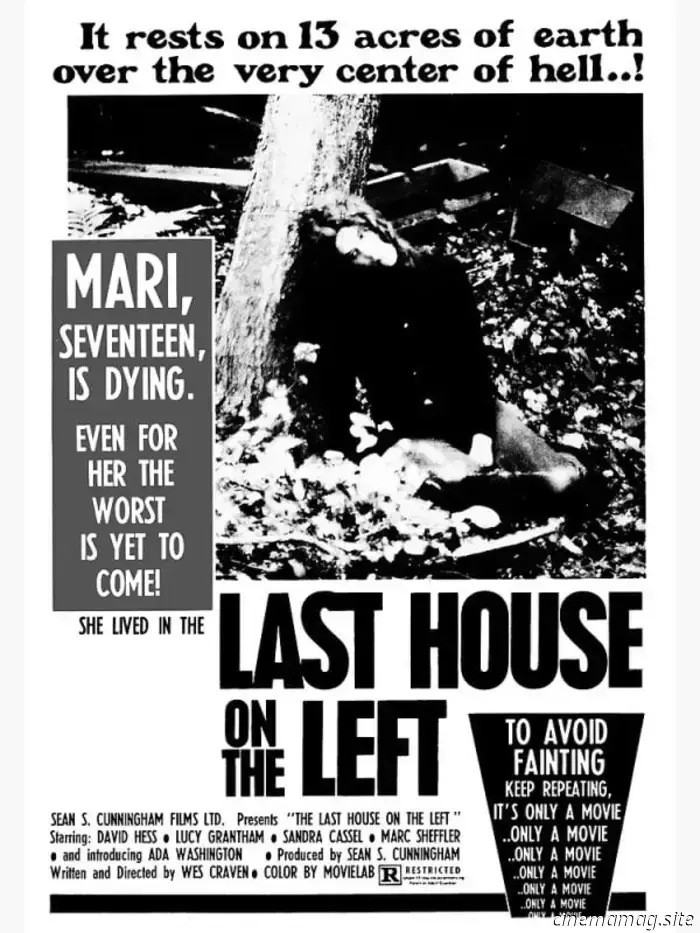
To begin, let’s clarify what we are dealing with. The Video Nasty list wasn’t a carefully selected collection of avant-garde films. Instead, it was a mixed assortment of horror, exploitation, and outright low-quality grindhouse films that were available on the burgeoning home video market. Some featured genuine Italian giallo films of notable merit, while others were low-budget zombie flicks shot in someone's backyard.
What tied them together was the discomfort they instilled in certain viewers. That discomfort is, in many cases, intentional; however, discomfort isn’t diametrically opposed to art, as discerning artists understand. Sometimes, it serves as the core intention. The challenge lies in distinguishing between films that merely aim to shock—like a drunken frat boy hurling insults—and those that use transgressive elements as a means to explore deeper truths about human nature, society, or the genre itself.
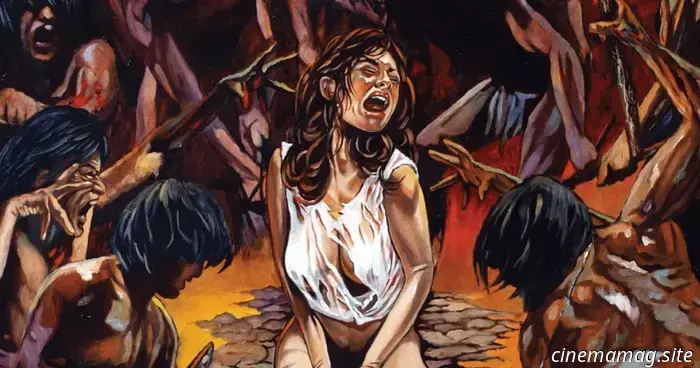
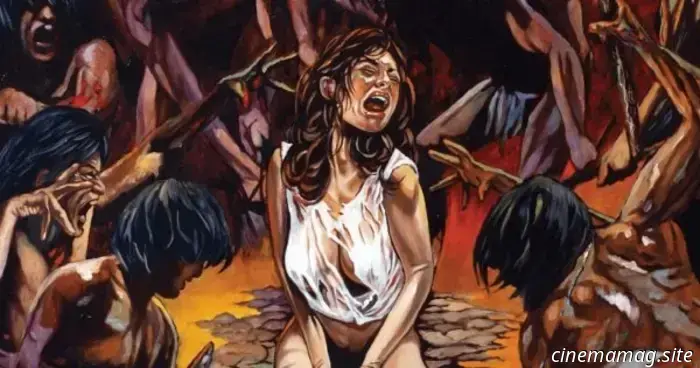
Let’s address the prominent example: Ruggero Deodato’s Cannibal Holocaust, arguably the most notorious title on the Video Nasty list, and rightfully so. The film is genuinely unsettling, featuring real animal killings that are indefensible. Its imagery is so extreme that Deodato was briefly arrested on suspicions of having killed his actors for the sake of the film.
However, if we set aside the exploitative aspects—even momentarily—and examine it more closely, we find a semblance of a thesis. Cannibal Holocaust functions as a harsh critique of Western colonial perspectives and media exploitation. It is a found-footage film that predates The Blair Witch Project and offers a blunt commentary: the “civilized” documentarians are far more monstrous than the indigenous people they seek to sensationalize.
Is this approach heavy-handed? Absolutely. Does its critique lose weight by reveling in the very exploitation it condemns? That’s a valid point for debate. Yet there is clear intention, an authentic angst regarding media colonialism and hollow spectacle, which gives the film an intriguing integrity. The atrocities presented aren't merely for shock value; Deodato implicates the viewer, forcing them to face their own desire to watch. While this doesn’t necessarily make the film easy to recommend, it elevates it beyond mere shock entertainment.
Next, we have Lucio Fulci, an Italian director who gifted us with Zombie Flesh Eaters (1979), The Beyond (1981), and The House by the Cemetery (1981), all of which made the banned list. His films deviate from conventional narrative structures. Traditional plotting might be considered something other filmmakers do. Fulci, on the other hand, relies on pure nightmare logic, prioritizing atmosphere and visual imagery over cause-and-effect reasoning.
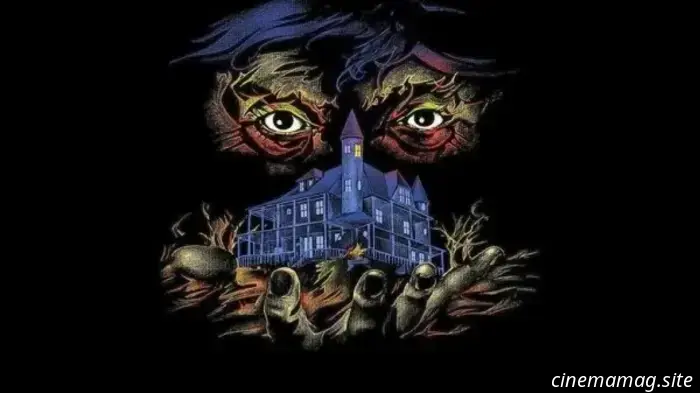
For instance, The Beyond resembles a fever dream inspired by H.P. Lovecraft. The storyline, loosely centered on a hotel built atop one of Hell's gates, is secondary. What truly matters is the accumulation of shocking images: acid-melted faces, spiders feasting on lips, and the haunting final scene of the protagonists lost in an endless expanse. These visuals linger in the mind.
Critics of the time fixated on the gore and eye trauma, as well as the film’s profound nihilism. They overlooked its poetic undercurrents. Yes, I said poetry. Fulci grasped that horror taps into our subconscious. The most effective horror operates like a dream or a hallucinogenic experience, with its own logic that bypasses rational thought.
The Beyond lacks a clear beginning, middle, or end, striving instead to maintain a mood of cosmic dread, embodying our fragile understanding of an unforgiving and hostile universe. The thin veneer of our reality conceals something vast and malevolent.
Fulci’s style may not be for everyone. The pacing can be glacial, the dubbing atrocious, and the narratives perplexing. Yet he possesses a distinct artistic vision, using gore to create an eerie atmosphere and provoke existential unease.






Other articles
 Comic Book Sneak Peek – DC K.O.: Wonder Woman vs. Lobo #1
DC Comics will launch DC K.O.: Wonder Woman vs. Lobo #1 on Wednesday, and you can check out a sneak preview of the issue in the official preview below… DC K.O. ALL FIGHT MONTH: ROUND 3 OF 8! With…
Comic Book Sneak Peek – DC K.O.: Wonder Woman vs. Lobo #1
DC Comics will launch DC K.O.: Wonder Woman vs. Lobo #1 on Wednesday, and you can check out a sneak preview of the issue in the official preview below… DC K.O. ALL FIGHT MONTH: ROUND 3 OF 8! With…
 BBC has unveiled a biopic series about The Beatles titled Hamburg Days.
As director Sam Mendes prepares his ambitious project, The Beatles — A Four-Film Cinematic Event, set for release in 2028, the BBC has revealed plans to explore the early days of the legendary band.
BBC has unveiled a biopic series about The Beatles titled Hamburg Days.
As director Sam Mendes prepares his ambitious project, The Beatles — A Four-Film Cinematic Event, set for release in 2028, the BBC has revealed plans to explore the early days of the legendary band.
 Comic Book Sneak Peek – Star Trek: Lower Decks #14
IDW Publishing is set to release Star Trek: Lower Decks #14 on Wednesday, and we have the official preview of the issue for you below; take a look… The Cerritos away team starts their investigation on La…
Comic Book Sneak Peek – Star Trek: Lower Decks #14
IDW Publishing is set to release Star Trek: Lower Decks #14 on Wednesday, and we have the official preview of the issue for you below; take a look… The Cerritos away team starts their investigation on La…
 Batgirl is now a part of McFarlane’s DC Cover Girls collection with a collectible statue.
McFarlane Toys is introducing Barbara Gordon to its DC Cover Girls collection with a new 1:8 scale collectible Batgirl statue, inspired by the comic book artwork of J. Scott Campbell. It is available for pr...
Batgirl is now a part of McFarlane’s DC Cover Girls collection with a collectible statue.
McFarlane Toys is introducing Barbara Gordon to its DC Cover Girls collection with a new 1:8 scale collectible Batgirl statue, inspired by the comic book artwork of J. Scott Campbell. It is available for pr...
 Blu-ray Review – Shawscope Volume 4
Shawscope Vol. 4. Directed by Shan Hua, Meng-Hua Ho, Hsueh-Li Pao, Chih-Hung Kuei, Yuen Chor, Shan Hua, Liu Chia-Yung, Tak-Cheung Tang, Kuen Yeung, and Alex Cheung. Featuring performances by Danny Lee, Terry Liu, Bruce Le, Lily Li, and others...
Blu-ray Review – Shawscope Volume 4
Shawscope Vol. 4. Directed by Shan Hua, Meng-Hua Ho, Hsueh-Li Pao, Chih-Hung Kuei, Yuen Chor, Shan Hua, Liu Chia-Yung, Tak-Cheung Tang, Kuen Yeung, and Alex Cheung. Featuring performances by Danny Lee, Terry Liu, Bruce Le, Lily Li, and others...
 December 2025 Ranked New Sweepstakes Casinos - MovieMaker Magazine
December 2025 is becoming one of the most active months for the introduction of new sweepstakes casinos, as platforms strive to provide more transparent SC systems.
December 2025 Ranked New Sweepstakes Casinos - MovieMaker Magazine
December 2025 is becoming one of the most active months for the introduction of new sweepstakes casinos, as platforms strive to provide more transparent SC systems.
From Forbidden to Adored: Video Nasties That Merit Reassessment
Adam Page explores the realm of video nasties to determine which of these contentious films warrant a fresh critical assessment… I understand completely. In the time of Mary Whitehouse and her group of moral…