

10 Horror Films That Defy Audience Expectations
Vanessa Maki presents ten horror films that defy audience expectations…
Whether you're an avid horror enthusiast or just an occasional viewer, there’s something thrilling about having your expectations upended rather than receiving precisely what you anticipated from a horror film. Is there anything wrong with films that don't follow this approach? Not at all! Nevertheless, being pleasantly surprised can alter your perception of a movie. Regardless of the subgenre, horror films that challenge audience expectations often spark different discussions.
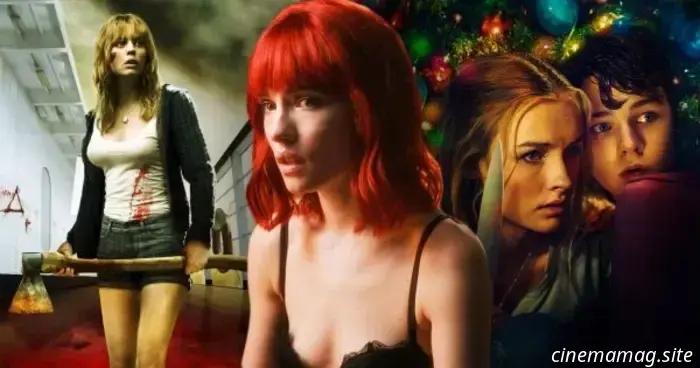
One widely recognized example of a horror film that subverts expectations is Funny Games (1997) and its shot-for-shot remake from 2007 starring Naomi Watts. This film often frustrates viewers due to its subversive elements, primarily because mainstream audiences are accustomed to seeing the "final girl" succeed or expect a "happy ending" after brutal events. Such horror films aim to provoke thought, and thankfully, there is no shortage of titles that challenge audience assumptions. Here are ten examples (with potential spoilers ahead)…
**High Tension**
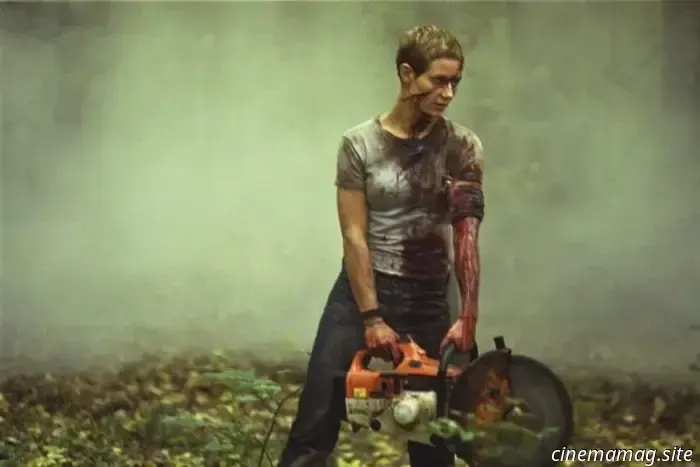
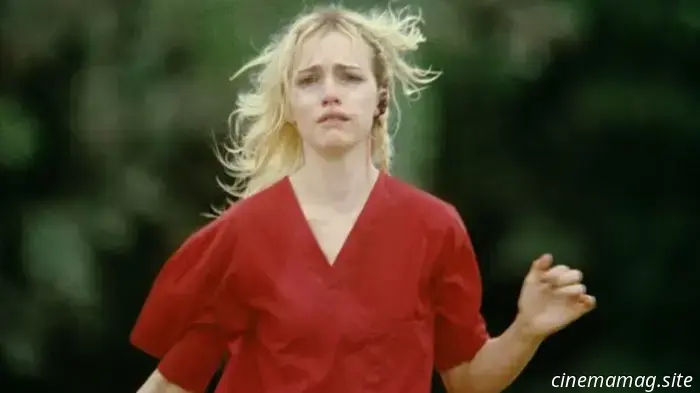
In discussions about New French Extremity, High Tension frequently comes up due to its (problematic) twist. The film follows Marie (Cécile de France) as she desperately tries to rescue her best friend, Alex (Maïwenn), from a kidnapper. It’s a relentless and extremely violent slasher, but instead of delivering the anticipated satisfying outcome of Marie as the victorious final girl, it takes the audience by surprise on a first viewing. Yet, whether it succeeds in this regard is open to debate.
Major spoiler alert: The true villain isn’t a maniac going on a murder spree; it's actually Marie herself. This becomes problematic because Marie’s queerness—her love for Alex—is portrayed as malevolent. Her internalized homophobia and suppressed desires drive the plot of High Tension. Still, one can appreciate the film for its audacity in subverting expectations, making it a fitting representative of the genre.
**Shuttle**
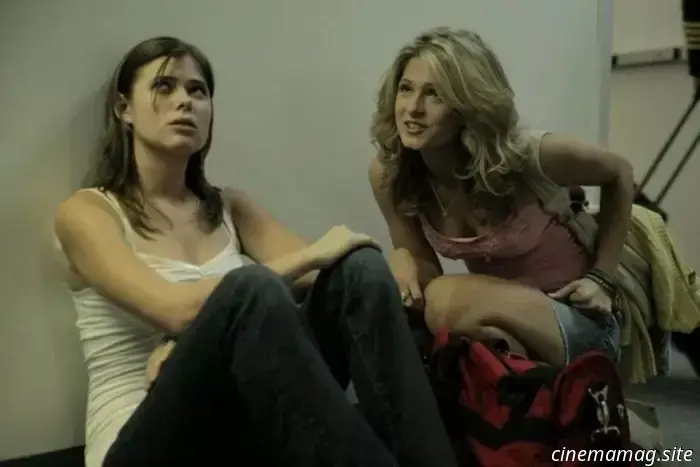
Shuttle doesn't sugarcoat the reality of the world being a dangerous and frightening place. It follows two best friends attempting to return home after a trip, only to be abducted by a man driving an airport shuttle who refuses to explain their situation. The film's hopeless tone suggests that a happy ending isn’t likely, yet it teases viewers with moments that might lead them to believe otherwise.
Without divulging too much, the film ultimately reveals there is no hope to cling to. The subversion arises when one character appears to be a possible survivor—someone typically portrayed as triumphant in horror. Unfortunately, by the end, that expectation is upended, and viewers will find out the fate of both women.
**Triangle**
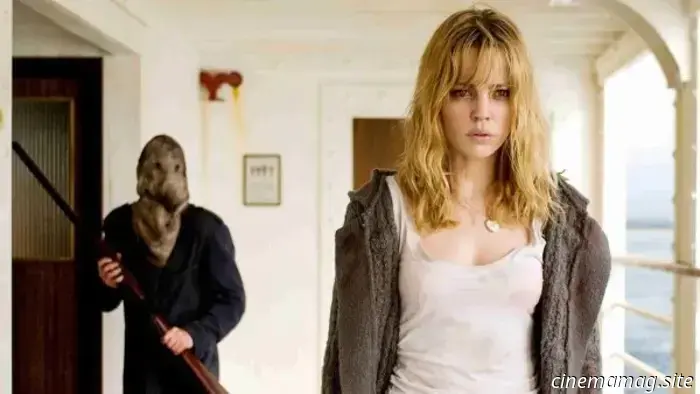
Often overlooked, Triangle deserves more recognition for its various twists and narrative subversions. The story centers on a single mother whose boat trip with friends turns into a nightmarish experience as they find themselves stranded on an abandoned ship. While there is a killer onboard, the film moves beyond typical slasher elements, digging deep into psychological horror that demands viewers engage with its intricate reveals.
The clever turns and unsettling truths about the situation are gratifying for the audience. Although it could have been a standard boat-set slasher, the intriguing premise delivers unexpected surprises. Furthermore, the irony in hindsight regarding certain phrases enhances the subversion, which extends beyond the genre to unravel who our main character truly is.
**The Strangers**
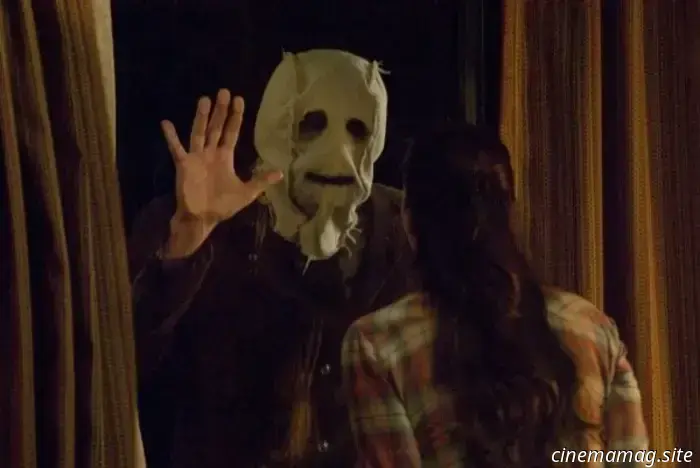
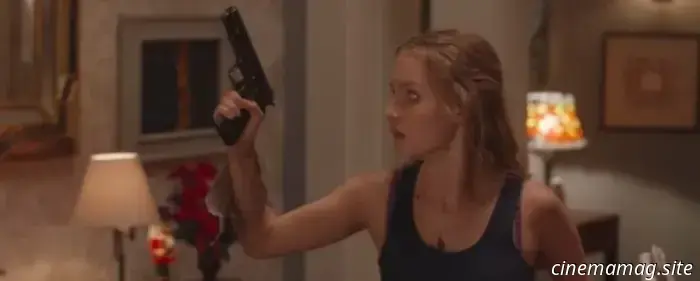
In home invasion horror, antagonists without personal motives can be even more frightening. The Strangers portrays a couple whose already tangled getaway at a family vacation home devolves into terror when they’re targeted by three masked strangers. Unlike typical motives rooted in money or revenge, this film defies expectations by showcasing sheer randomness.
Instead of a bloody slasher with numerous kills, the film focuses on psychological dread and an inevitable bleak conclusion. Fans of horror are accustomed to intruders wreaking havoc with some ulterior motive, but The Strangers revels in the idea that the killers act purely out of convenience—since the couple happened to be home. This subversion of familiar tropes makes this 2000s horror gem effectively unnerving.
**The Cabin in the Woods**
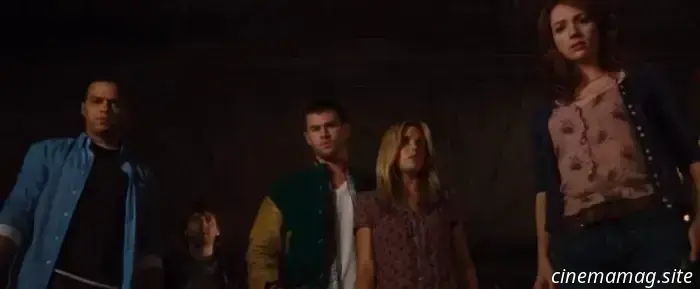
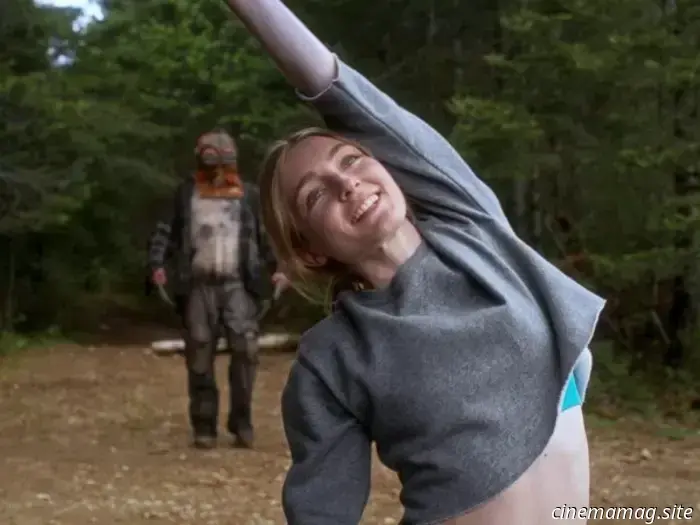
Despite differing opinions, The Cabin in the Woods stands out for its cleverness, even today. It follows a group of friends who venture to a cabin for a weekend, only to discover that their circumstances have been manipulated by a group of scientists. The film is rich in meta-commentary and subverts audience expectations by presenting familiar horror tropes, while simultaneously twisting them.
The characters unwittingly embody their respective roles in the narrative, and while they are likable, their circumstances did not bode well from the start. The meta-analysis remains biting, and the movie’s commentary still resonates with today's horror landscape. Instead of setting up villains destined for failure, we’re left with a scenario that is overwhelmingly detrimental for the protagonists.
**Scream 4**
Other articles
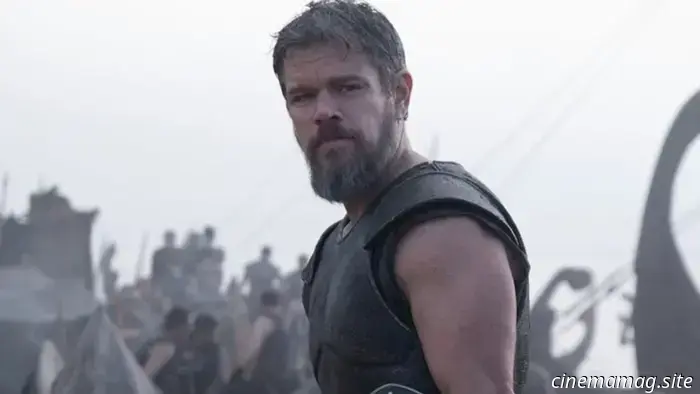 The official trailer for Christopher Nolan's The Odyssey has been released.
Having premiered its prologue in IMAX theaters over the weekend alongside Avatar: Fire and Ash, Universal Pictures has now provided an early Christmas gift for fans of Christopher Nolan with t…
The official trailer for Christopher Nolan's The Odyssey has been released.
Having premiered its prologue in IMAX theaters over the weekend alongside Avatar: Fire and Ash, Universal Pictures has now provided an early Christmas gift for fans of Christopher Nolan with t…
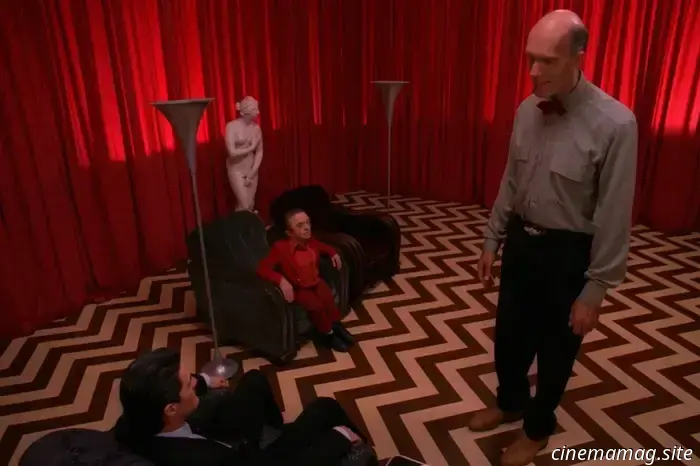 NYC Weekend Preview: Twin Peaks, Breezy, Gus Van Sant, Ken Jacobs, and More
NYC Weekend Watch is our weekly summary of repertory screenings. At IFC Center, the complete series of Twin Peaks will be showcased; It’s a Wonderful Life will be screened daily; and late-night screenings will include Tales from the Hood, The Doom Generation, Mandy, Bug, and Thief. At the Museum of the Moving Image, A New Leaf, Looking for Mr. Goodbar, and Clint Eastwood's Breezy will be presented on 35mm as part of the American Woman series, along with a print of Crossing.
NYC Weekend Preview: Twin Peaks, Breezy, Gus Van Sant, Ken Jacobs, and More
NYC Weekend Watch is our weekly summary of repertory screenings. At IFC Center, the complete series of Twin Peaks will be showcased; It’s a Wonderful Life will be screened daily; and late-night screenings will include Tales from the Hood, The Doom Generation, Mandy, Bug, and Thief. At the Museum of the Moving Image, A New Leaf, Looking for Mr. Goodbar, and Clint Eastwood's Breezy will be presented on 35mm as part of the American Woman series, along with a print of Crossing.
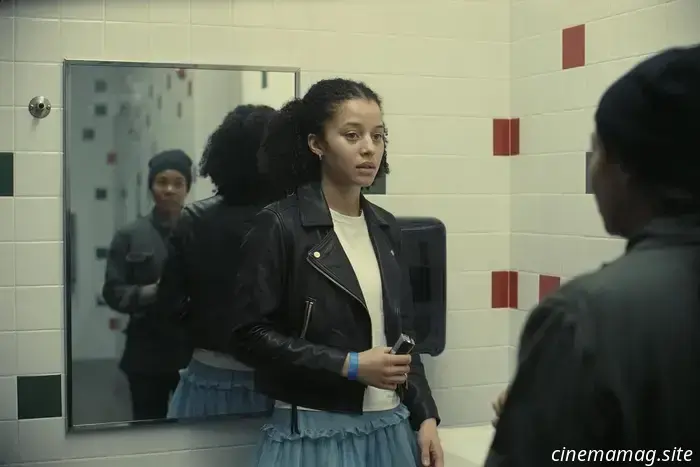 New to Streaming: One Fight After Another, It Was Merely an Accident, Song to Song, The Running Man, and More.
Every week, we showcase the significant titles that have recently become available on streaming platforms in the United States. Take a look at this week’s picks below and past compilations here. It Was Just an Accident (Jafar Panahi) Imagine being given the person who ruined your life and the lives of many others––a psychopath responsible for torture, rape, and murder.
New to Streaming: One Fight After Another, It Was Merely an Accident, Song to Song, The Running Man, and More.
Every week, we showcase the significant titles that have recently become available on streaming platforms in the United States. Take a look at this week’s picks below and past compilations here. It Was Just an Accident (Jafar Panahi) Imagine being given the person who ruined your life and the lives of many others––a psychopath responsible for torture, rape, and murder.
 Christopher Schobert's Ten Best Films of 2025
After The Film Stage’s compilation of the best 50 films of 2025 as part of our year-end review, our contributors are presenting their individual top 10 lists. For me, 2025 was the first year that movies felt less significant. Mostly, anyway. Besides parenting, my job, home ownership, and various concerns, my thoughts on pop culture
Christopher Schobert's Ten Best Films of 2025
After The Film Stage’s compilation of the best 50 films of 2025 as part of our year-end review, our contributors are presenting their individual top 10 lists. For me, 2025 was the first year that movies felt less significant. Mostly, anyway. Besides parenting, my job, home ownership, and various concerns, my thoughts on pop culture
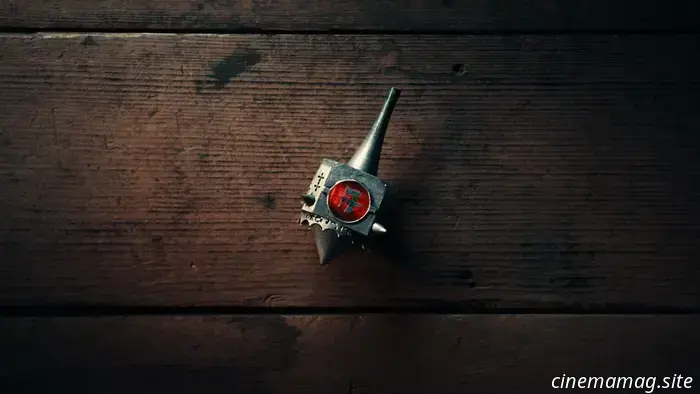 Steven Schloss Unveils Hanukkah Horror with 'Gimme'
"Gimme" director Steven Schloss discusses the motivation behind his Hanukkah-themed horror short film.
Steven Schloss Unveils Hanukkah Horror with 'Gimme'
"Gimme" director Steven Schloss discusses the motivation behind his Hanukkah-themed horror short film.
 Krang joins the Teenage Mutant Ninja Turtles Legends collection from PCS with a collectible statue.
Sideshow and Premium Collectibles Studio have unveiled the latest entry in their Teenage Mutant Ninja Turtles Legends series, featuring a 1/3 scale collectible statue that highlights the interdimensional warlord K…
Krang joins the Teenage Mutant Ninja Turtles Legends collection from PCS with a collectible statue.
Sideshow and Premium Collectibles Studio have unveiled the latest entry in their Teenage Mutant Ninja Turtles Legends series, featuring a 1/3 scale collectible statue that highlights the interdimensional warlord K…
10 Horror Films That Defy Audience Expectations
Vanessa Maki presents ten horror films that defy audience expectations. Whether you're an experienced horror enthusiast or a casual viewer, it can be refreshing to have your preconceived notions upended.