
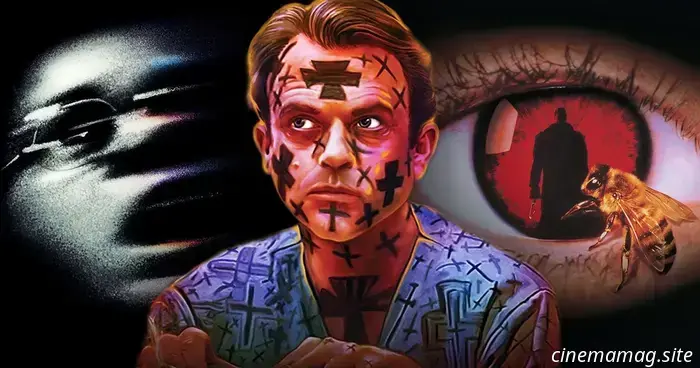
When Horror Became Intellectual: A Shift in the 1990s
Adam Page on when horror became intelligent…
I won’t sit here and act as if horror was an intellectual wasteland prior to the 1990s—that’s simply untrue. George A. Romero provided incisive social commentary wrapped in gore. David Cronenberg explored body horror through the lens of technological anxiety, and David Lynch was… well, being David Lynch. However, something shifted fundamentally in the early 90s. The genre ceased to apologize for its existence.
Between the fatigue of Reagan-era slashers and the malaise of the post-Cold War, some filmmakers realized that terrifying audiences and provoking thought weren’t mutually exclusive concepts. I know, groundbreaking. They introduced the intricate mythos of Clive Barker, the paranoid philosophy of John Carpenter, and the psychological unraveling of Adrian Lyne. These filmmakers created works that recognized true horror doesn’t merely present the monster; it involves us in the monster's existence.
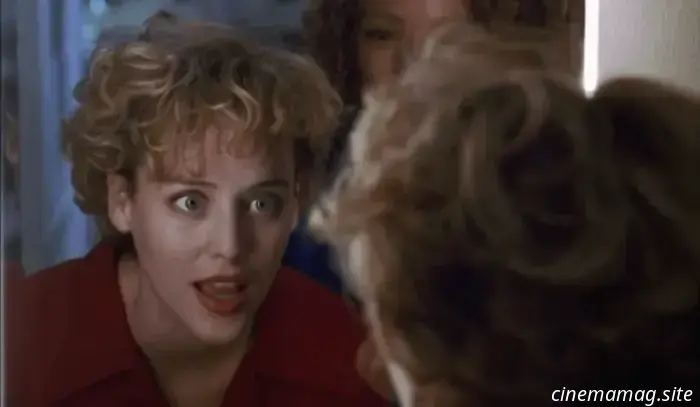
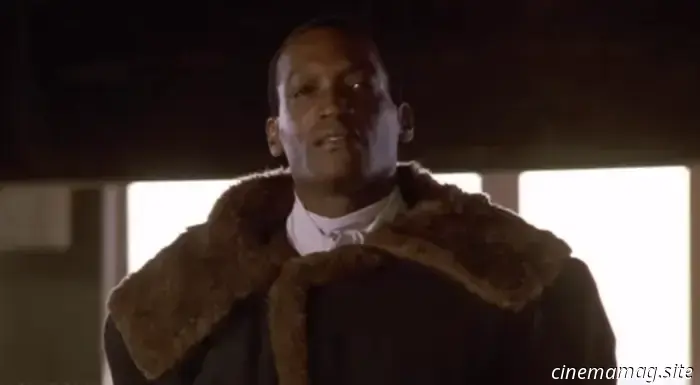
Candyman, directed by Bernard Rose, graced theaters in 1992 like a hidden blade in an academic study. Adapted from Clive Barker’s short story The Forbidden, it featured a straightforward premise, pun intended. If you say his name five times in a mirror, he materializes. Rose adapted Barker’s tale into a reflection on urban decay, racism, and the narratives we construct to rationalize systemic violence.
Our main character, Helen Lyle, is a graduate student investigating urban legends in Chicago. She is white, privileged, and completely unaware of her place in the societal dynamics she’s researching. She views Cabrini-Green, the housing project, as an anthropological case study, a source for stories to support her thesis and boost her career. The genuine terror of Candyman isn’t the supernatural killer with a hook for a hand; it’s the gradual recognition that Helen has unwittingly entered a narrative beyond her control, probing into a mythology rooted in real historical trauma that she has no connection to.
Daniel Robitaille, the titular Candyman, is the offspring of a slave, an artist, a lover, a lynching victim, existing at the crossroads of ghost stories and historical memory. He symbolizes the violence that white America wishes to ignore, summoned simply by uttering his name. Barker and Rose grasped a vital truth: folklore transcends entertainment. It serves as a means for communities to confront trauma, offer warnings, and remember what the official narrative seeks to erase.
The score by Phillip Glass achieves something extraordinary. The minimalist and repetitive elements are entrancing and ritualistic, turning into a form of horror themselves. The cyclical patterns mirror the film’s own narrative, drawing Helen deeper into the mythology until she becomes an integral part of it.
The portrayal of the Cabrini-Green housing projects faced criticism upon the film's release and remains contentious today. Nevertheless, Rose confronts the complexities head-on. The projects are not merely a setting for frights; they stem from segregation, policy failings, and neglect. The real horror lies in the fact that the residents need Candyman—they rely on this mythology to make sense of their fear and violence and to address the neglect from the surrounding city. Candyman's legend represents a form of control in a place where control has been entirely stripped away.
Rose then takes a bold step by transforming Helen into the new Candyman. She evolves into the legend, the cautionary tale. It’s a form of transubstantiation, a dark baptism. The white academic, who comes to analyze urban legends, becomes one herself. Her body merges with the mythology she previously regarded as mere research material. There’s a painful irony in this, and Rose maintains his focus.
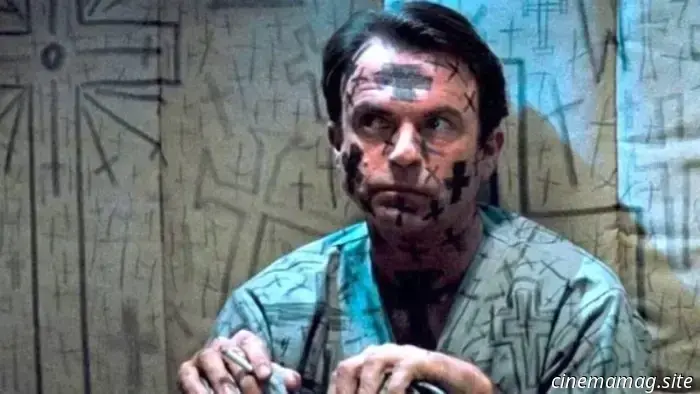
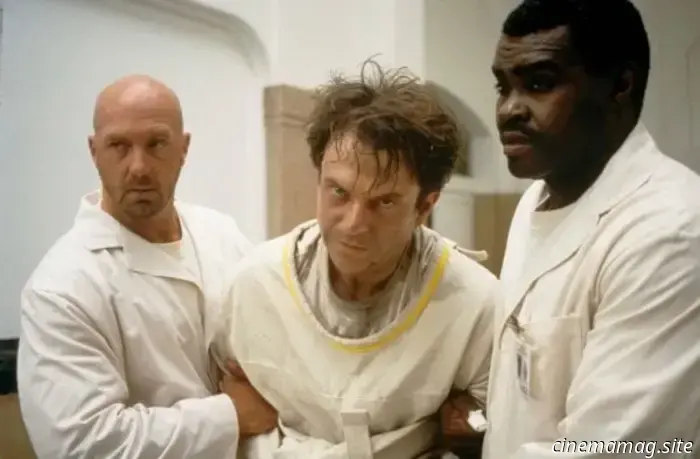
John Carpenter's In The Mouth of Madness surfaced in 1994 and may be the most underrated major horror film of the decade—a genuine loss, as Carpenter delved into themes of fiction, reality, and the disintegration of meaning that feel increasingly pertinent today.
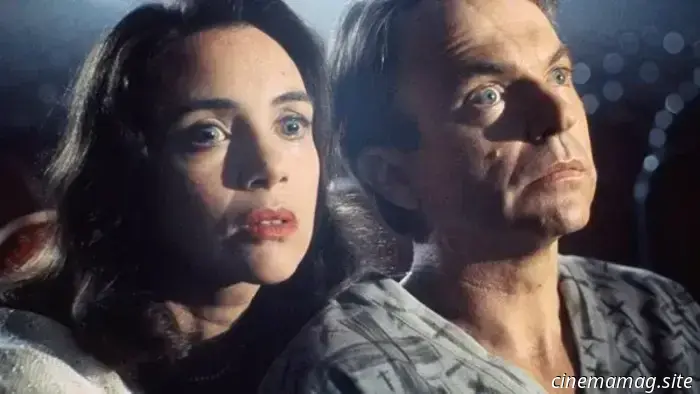
The film follows John Trent, an insurance investigator portrayed by Sam Neill with the frayed intensity of a man fueled by too much caffeine and too little sleep. He’s tasked with locating Sutter Cane, a horror novelist who vanished with the manuscript of his final book. We learn that Cane's writings are triggering psychological breakdowns in his readers—violence, mass hysteria. These are the types of occurrences that make insurance companies anxious.
Carpenter constructs the film like a Möbius strip. Trent discovers the fictional town that Cane describes; it shouldn’t exist, yet it does. He encounters Cane himself, who isn’t truly missing but seems to be transitioning into something…else. Gradually and systematically, the film displaces not only Trent but also the audience. What is fiction? What is reality? And perhaps most importantly, does it matter if enough individuals believe that fiction is real?
This falls under the category of cosmic horror in the classic Lovecraftian sense, but Carpenter updates it for a postmodern audience. It’s not about
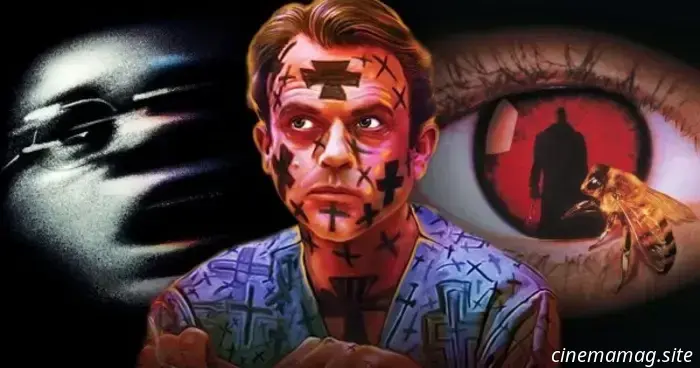

When Horror Became Intellectual: A Shift in the 1990s
Adam Page discusses the evolution of horror, stating, "I won’t claim that horror was in an intellectual void before the 1990s; that’s just not true. George A. Romero contributed…"