
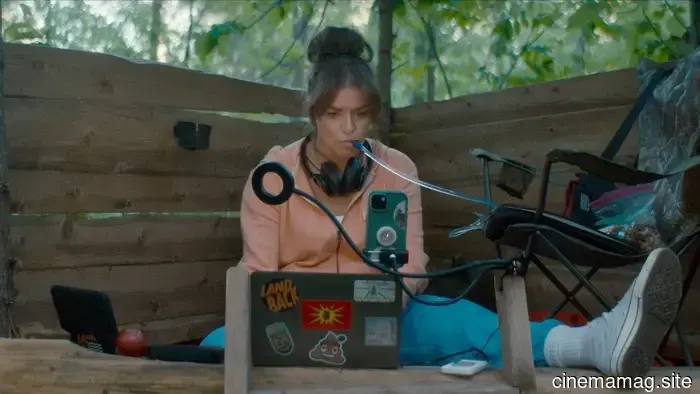
Kaniehtiio Horn Discusses Transforming Anger into Her First Feature, Seeds
Kaniehtiio Horn is an actor, writer, and director recognized for her work in Reservation Dogs, The Lowdown, Mohawk, and more. In the following piece, she shares her insights on creating her feature film directorial debut, Seeds, which is now in theaters thanks to Indican Pictures.
I’ve witnessed many Indigenous filmmakers delve into healing through their art, but my focus has been on exploring rage. I hail from Kahnawake, near Montreal, where the Kanienkehaka people have resisted colonialism for 500 years. During a notable stand-off in 1990, while my family protested plans to extend a golf course onto Native land, my sister, who was 14 at the time, was bayoneted in the chest by a Canadian soldier while shielding me. I was just four.
As a biracial, white-passing Kanienkehaka woman, I never thought I would get the chance to portray an Indigenous character. Growing up, I felt disillusioned because I rarely saw Indigenous representation on screen; characters often had two braids and a thick accent, portrayed as either intoxicated or mystical. With my blue eyes and fair skin, I decided to concentrate on becoming the best performer I could be and creating a varied resume.
I always held the ambition of creating my own works. I had experimented with filmmaking in 2012 when I produced my short “The Smoke Shack” with Big Soul Productions, about my experiences working in a cigarette shop in Kahnawake. Later, I auditioned for the late Jeff Barnaby’s short film "The Colony," which sought a dark-skinned, curvy Native woman.
I was thoroughly prepared for the audition and excelled at the scene. He cast me, and being young and unsure of my identity, I asked if he wanted me to darken my red hair to “look more Native.”
He replied, “If anything, dye it even more red. You’re a fuckin’ Indian and that’s it.”
That moment marked my first experience of a Native person leading a project and making creative decisions. It was a case of real recognizing real. It fueled my desire to create my own works.
I recall the day everything shifted for me. While filming Ted Geoghegan's 2017 movie Mohawk, I was taking a cigarette break with some crew members. It was a particularly intense shoot in the woods of upstate New York, and I thought how much I wanted to create a film with friends in a single location, incorporating stunts and practical effects, where we could have fun and even kill some characters. Influenced by films like Home Alone, Shaun of the Dead, and the Canadian classic Clearcut, I aspired to make a joyful, engaging film akin to what I enjoyed as a teenager, accessible to today’s audience. I longed for a smart, relatable, and strong Indigenous female protagonist, along with a soundtrack that I could rock out to.
Kaniehtiio Horn on bringing Seeds to life
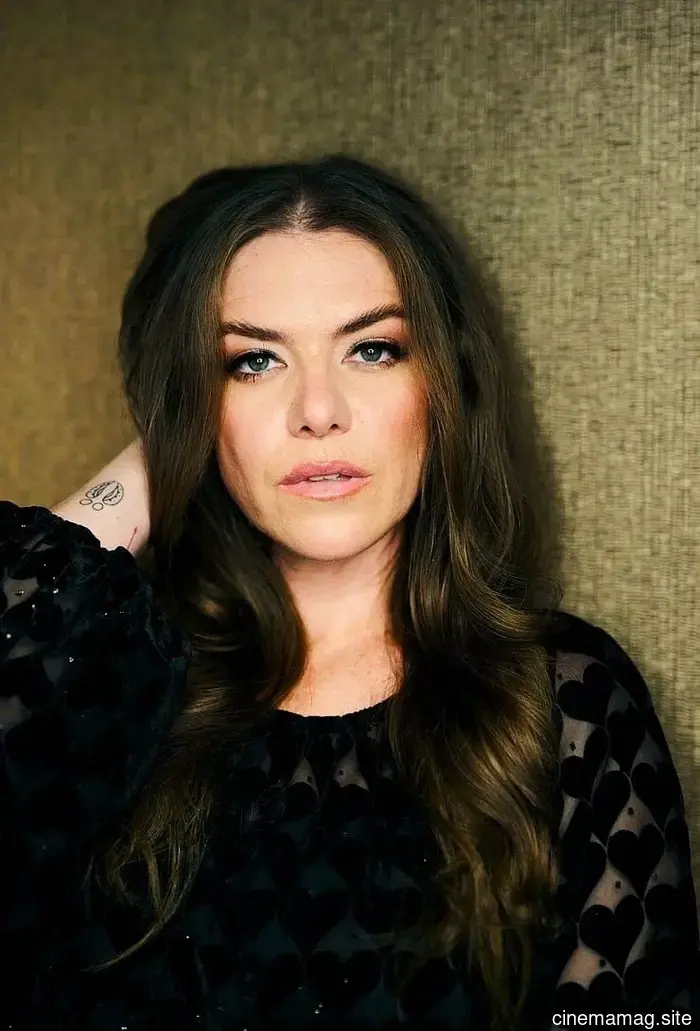
Main image: Seeds writer, director, and star Kaniehtiio Horn. Courtesy of Indican Pictures.
The pandemic provided me the opportunity to reflect and channel my thoughts into a script that ultimately became Seeds. I shaped the story, found the tone, and presented it to executives, integrating their feedback.
Producer Leonard Farlinger was drawn to the story of a Native woman returning to her roots only to discover her company exploits her people once more. We introduced an early draft at the Frontieres film market in Montreal during the Fantasia Film Festival, engaging with executives, financiers, and producers who provided input on the script. We refined it further and presented it to Canada’s Indigenous Screen Office, which became our first investor. The fact that I was Native became an asset during a time when the world was beginning to recognize our culture.
I drew from my personal experiences of leaving and returning to the rez, pondering what it means to be Indigenous today while remaining connected to our history and the land we are meant to protect.
I aimed to create an Indigenous film with universal appeal. The idea of an antagonist driven solely by greed felt cliché to me, so I sought to center something invaluable to my people. Thus, I focused on the Three Sisters—corn, beans, and squash. These seeds symbolize sustenance. In the film, the company seeks to control these seeds, creating a powerful metaphor. I never intended for the film to become an anti-colonial, genre-bending, food sustainability narrative; I simply followed my creative instincts.
My character, Ziggy, embodies inner strength and carries rage inherited from generations of trauma inflicted by colonialism. My advice for other independent filmmakers is to harness your anger, find your voice, share your perspective, and embrace who you are—trans, Native, Black, Asian, Hispanic, Mexican, White—whatever your identity is, your voice deserves to be heard. Make it known, but don’t forget to find moments
Other articles
 Kaniehtiio Horn Discusses Transforming Rage into Her Feature Film Debut, Seeds
Seeds director Kaniehtiio Horn discusses her performances in Reservation Dogs, Mohawk, and various other projects, as well as the process behind creating Seeds.
Kaniehtiio Horn Discusses Transforming Rage into Her Feature Film Debut, Seeds
Seeds director Kaniehtiio Horn discusses her performances in Reservation Dogs, Mohawk, and various other projects, as well as the process behind creating Seeds.
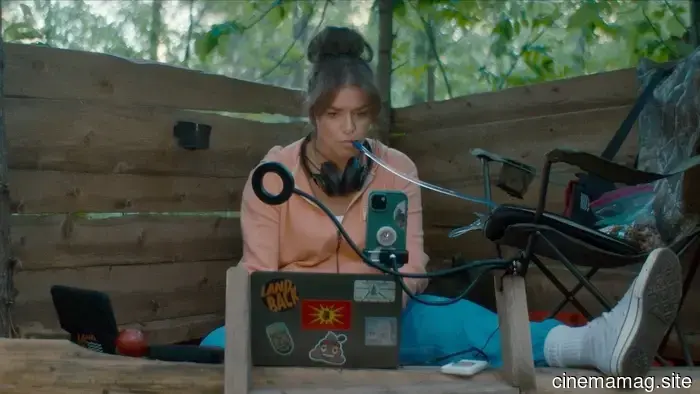 Kaniehtiio Horn Discusses Transforming Anger into Her First Feature, Seeds
Kaniehtiio Horn, the director of Seeds, discusses her roles in Reservation Dogs, Mohawk, and other projects, as well as her process for creating Seeds.
Kaniehtiio Horn Discusses Transforming Anger into Her First Feature, Seeds
Kaniehtiio Horn, the director of Seeds, discusses her roles in Reservation Dogs, Mohawk, and other projects, as well as her process for creating Seeds.
Kaniehtiio Horn Discusses Transforming Anger into Her First Feature, Seeds
Kaniehtiio Horn, the director of Seeds, discusses her roles in Reservation Dogs, Mohawk, and various other projects, along with her process for creating Seeds.