
Creating Suspense Without Conversations: A Filmmaker's Method
There are moments in certain films when everything simply falls silent.
No exposition. No explanations about what’s coming next. Just a character, a setting, and that unsettling sensation that something is amiss. These scenes are often the ones that linger in people’s memories.
While dialogue is a potent tool in filmmaking, its absence allows other elements to take center stage. Directors rely on framing, sound, timing, and performance to convey meaning. The audience shifts from listening to observing more intently, and this change alters everything.
What remains unseen is equally significant.
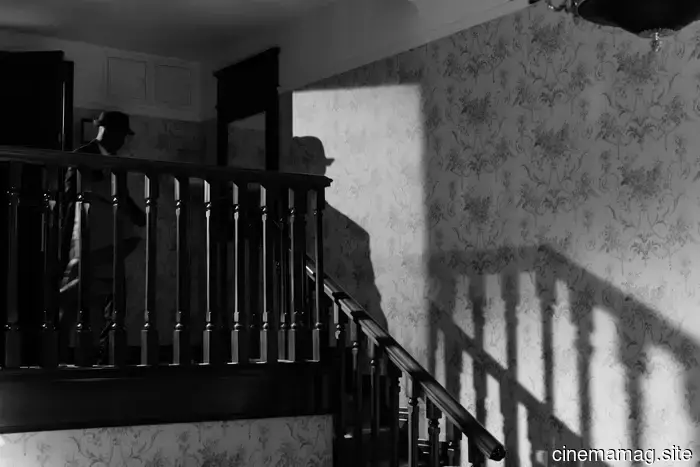
Much of the suspense begins with framing. The camera's position, what it shows, and what it omits matter greatly. A doorway held in view a heartbeat too long. An empty hallway that feels ominous but not entirely threatening. A figure slightly blurred in the background.
Hitchcock once discussed revealing more to the audience than to the character. This principle remains prevalent. You might see something before the character does, which places you ahead of the narrative, or perhaps you struggle to comprehend what you're witnessing. This ambiguity creates tension.
Sound fills the void of silence.
When dialogue fades, sound becomes paramount. Not just music, but also footsteps, breathing, or a distant noise that may or may not be significant. Even silence itself serves as a device. A Quiet Place is a clear example, but certainly not the only one. Eliminating sound directs focus to the minutiae. A creaking floorboard can seem louder than any spoken line.
Sound doesn’t always clarify; at times, it can mislead. You might hear something off-screen and anticipate its appearance, but nothing materializes. This uncertainty keeps you engaged.
Timing plays a crucial role.
Suspense thrives on timing. Cut too soon, and the tension dissipates. Hold the shot too long, and the discomfort becomes purposeful. Editors grasp this concept better than anyone. Occasionally, the most effective choice is to simply wait, allowing the moment to extend. The audience remains enveloped in the scene, without dialogue to guide them. They stay immersed until something shifts, which is the intended effect.
Actors convey more through less.
When dialogue is absent, performances grow more intense. Subtle details become more impactful. A look, a pause, a change in stance. Even the act of breathing can indicate something is amiss. The finest performances in these moments are often understated. Nothing feels artificial; instead, it aligns with how individuals genuinely respond when uneasy or uncertain. As a viewer, you begin to interpret the character rather than merely listen.
The environment becomes a living entity.
Effective suspense often derives from the surroundings. Lighting, shadows, and reflections contribute to the atmosphere. A room that seems too still. A space that appears ordinary until you linger a moment longer. Directors exploit these elements to imply presence without direct revelation. Something could be there, or perhaps it isn’t. Either way, you begin to sense it. The setting transforms from a mere backdrop to an integral part of the tension.
Suspense hinges on ambiguity.
At its essence, suspense revolves around uncertainty. You’re unsure of what lies ahead, yet you feel confident that something will occur. This sensation is meticulously crafted. Provide too much information, and the tension falls flat. Offer too little, and the scene becomes muddled. The most skilled filmmakers strike a balance in between.
A similar rhythm exists within systems designed around anticipation and outcomes. You receive just enough detail to maintain engagement but not enough to feel secure. This dynamic between expectation and result appears in various contexts, including platforms tied to melbet registration, where attention is guided by the unfolding of outcomes over time. In film, this same tension is based on emotional investment rather than interactivity.
Audiences want to discuss these scenes.
Dialogue-free scenes resonate with viewers not because they clarify everything, but because they leave questions unanswered. Each viewer departs with unique interpretations. One person may spot a detail in the background; another may focus on the sound. Someone else might interpret the actor’s response differently, sparking conversations.
Online platforms amplify this phenomenon. People analyze scenes, juxtapose their observations, and strive to make sense of it all. Discussions related to MelBet Instagram Somalia highlight how audiences keep these conversations alive, responding to outcomes and sharing their insights. The silence invites diverse interpretations.
Why it is so effective.
When dialogue is absent, the foundational elements of filmmaking take precedence. You become more aware of framing, you perceive sound differently, and you focus on pacing and performance in a manner you might ordinarily overlook. The experience becomes more immediate. You’re not being instructed on how to feel; rather, you’re responding in real-time.
In conclusion,
Suspense without dialogue isn’t about taking something away; it’s about redirecting attention. Directors utilize less to provoke deeper emotions. They manage what you perceive, what you hear, and how long you engage with it. When executed successfully, those moments resonate because they are felt, not explained.
Other articles
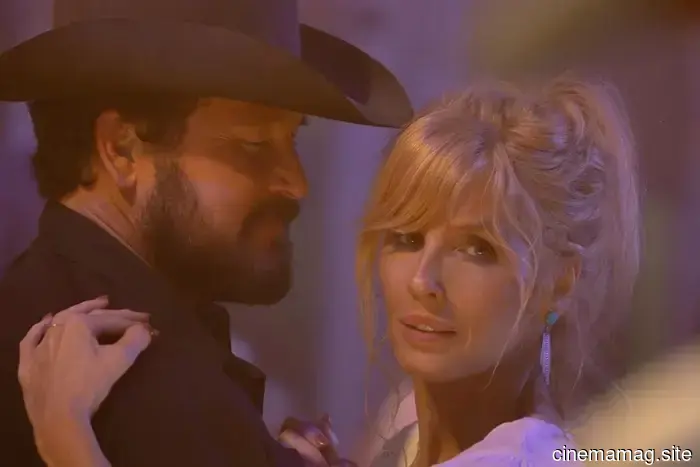 Beth and Rip are back in the trailer for the new Yellowstone spinoff, Dutton Ranch.
Paramount+ has released the first trailer for Dutton Ranch, the newest spinoff in the Yellowstone universe, which centers around Beth Dutton (Kelly Reilly) and Rip Wheeler (Cole Hauser) as they struggle to b…
Beth and Rip are back in the trailer for the new Yellowstone spinoff, Dutton Ranch.
Paramount+ has released the first trailer for Dutton Ranch, the newest spinoff in the Yellowstone universe, which centers around Beth Dutton (Kelly Reilly) and Rip Wheeler (Cole Hauser) as they struggle to b…
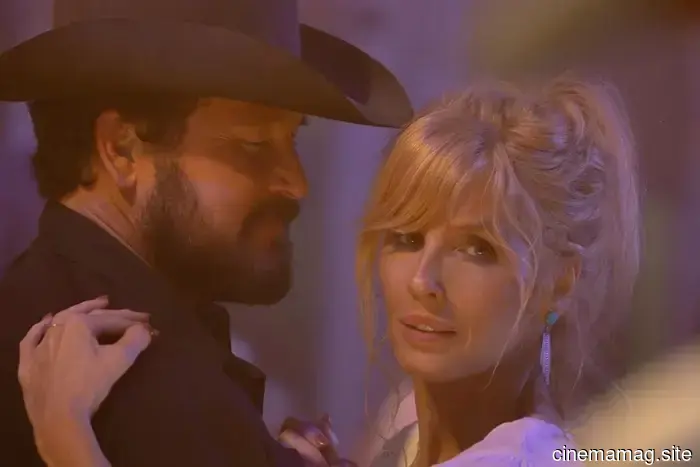 Beth and Rip are back in the trailer for the upcoming Yellowstone spinoff, Dutton Ranch.
Paramount+ has released the initial trailer for Dutton Ranch, the newest spinoff within the Yellowstone universe, focusing on Beth Dutton (Kelly Reilly) and Rip Wheeler (Cole Hauser) as they struggle to b...
Beth and Rip are back in the trailer for the upcoming Yellowstone spinoff, Dutton Ranch.
Paramount+ has released the initial trailer for Dutton Ranch, the newest spinoff within the Yellowstone universe, focusing on Beth Dutton (Kelly Reilly) and Rip Wheeler (Cole Hauser) as they struggle to b...
 The Emotional Journey of Characters Confronting High-Stakes Choices - MovieMaker Magazine
That is, of course, unless they are exceptionally written or directed. Cormac McCarthy, for instance, was an immensely talented author who had the ability to convey the
The Emotional Journey of Characters Confronting High-Stakes Choices - MovieMaker Magazine
That is, of course, unless they are exceptionally written or directed. Cormac McCarthy, for instance, was an immensely talented author who had the ability to convey the
 Comic Book Sneak Peek – ThunderCats #25
ThunderCats #25 will be available this Wednesday, and you can take a look at the official preview for the issue below, provided by Dynamite Entertainment... THUNDERCATS AT A CROSSROADS! Since he escaped...
Comic Book Sneak Peek – ThunderCats #25
ThunderCats #25 will be available this Wednesday, and you can take a look at the official preview for the issue below, provided by Dynamite Entertainment... THUNDERCATS AT A CROSSROADS! Since he escaped...
 The Emotional Journey of Characters Confronting High-Stakes Choices - MovieMaker Magazine
That is, of course, unless they are exceptionally written or directed. For instance, Cormac McCarthy was an incredibly talented writer who had a remarkable ability to capture the
The Emotional Journey of Characters Confronting High-Stakes Choices - MovieMaker Magazine
That is, of course, unless they are exceptionally written or directed. For instance, Cormac McCarthy was an incredibly talented writer who had a remarkable ability to capture the
 12 Unapologetic Comedies That Aren't Concerned About Offending You
These unapologetic classic comedies are indifferent to whether you feel offended; their only focus is on being amusing.
12 Unapologetic Comedies That Aren't Concerned About Offending You
These unapologetic classic comedies are indifferent to whether you feel offended; their only focus is on being amusing.
Creating Suspense Without Conversations: A Filmmaker's Method
An in-depth examination of how filmmakers utilize visuals, sound, and pacing to create tension without depending on dialogue.