
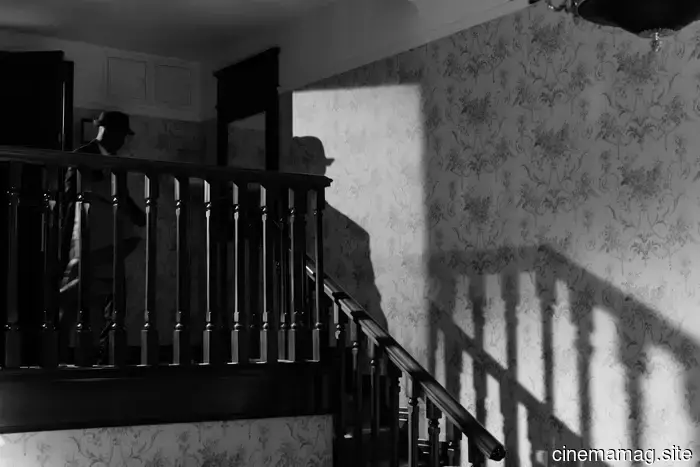
Creating Suspense Without Dialogue: A Filmmaker’s Method
There’s a point in certain movies where everything becomes… silent.
No background information. No one clarifying what will happen next. Just a character, an environment, and that unsettling sense that something is wrong. These scenes are often the ones that stick in people's minds.
While dialogue serves as a potent instrument in filmmaking, its absence allows something else to emerge. Directors depend on composition, sound, timing, and acting to bear the load. The audience shifts from listening to observing more intently. This transition can dramatically alter the experience.
What remains unseen is just as significant.
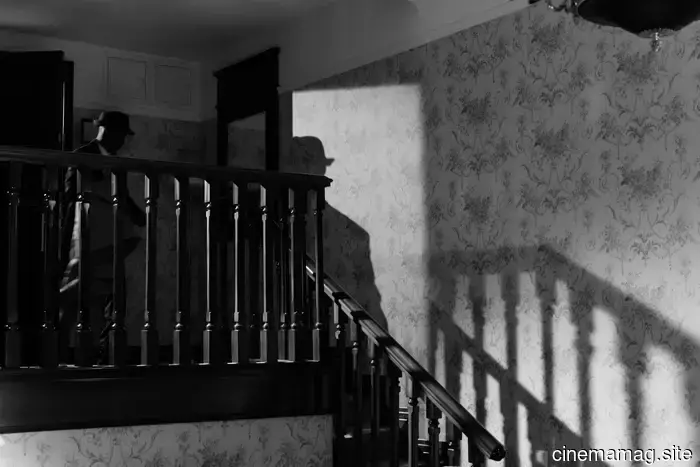
Much of the suspense stems from how the scene is framed. The camera's position, what it captures, and what it excludes. A doorway lingered in the frame a moment too long. An empty hallway that feels unsafe. A figure slightly blurred in the background.
Hitchcock discussed providing the audience with more insight than the characters themselves. This concept still regularly appears. You might perceive something before the character does, placing you ahead of the narrative. Alternatively, you could find yourself unsure of what you’re witnessing. This ambiguity contributes to the suspense.
Sound fills the void.
When dialogue fades, sound takes the forefront. This encompasses more than just music. Footfalls, breathing, or a distant sound that may or may not be significant. Even silence itself can serve as a tool. A Quiet Place is a well-known example; however, it’s far from the only one. Eliminating sound directs attention to the smallest nuances. A floorboard creak can resonate more powerfully than a spoken line.
Sound does not always clarify. Sometimes it confuses. You might hear something off-screen and anticipate its appearance, yet nothing manifests. This uncertainty keeps your focus locked in.
Timing is crucial.
Suspense hinges on timing. Cut too soon, and the tension dissipates. Hold the shot too long, and it becomes pleasantly uncomfortable. Editors have a keen grasp of this principle. Occasionally, the wisest choice is simply to pause. Let the moment elongate. Allow the audience to immerse themselves. In the absence of dialogue, there’s no guidance to escape the scene. You remain there until something shifts, and that’s precisely the intention.
Actors convey more with less.
In the absence of speech, performances sharpen. Subtle details weigh heavier. A glance, a hesitation, a change in stance. Even a breath can indicate that something is amiss. The strongest portrayals in these moments are typically understated. Nothing feels unnatural. It aligns closely with how individuals genuinely respond when they feel uncertain or uneasy. As a viewer, you begin to interpret the character rather than listen to them.
The space comes alive.
Effective suspense often manifests from the environment itself. Lighting, shadows, and reflections create an atmosphere. A room that feels overly still. A setting that appears ordinary until it’s scrutinized longer. Directors exploit these aspects to imply presence without directly revealing it. Something might exist. Or perhaps not. Regardless, you begin to sense it. The setting transitions from mere backdrop to a vital element of the tension.
Suspense hinges on the unknown.
At its essence, suspense revolves around uncertainty. You are unsure of what will transpire, yet you know something will. This sensation is meticulously regulated. Provide too much information, and the tension diminishes. Share too little, and the scene turns bewildering. The finest filmmakers balance perfectly between the two.
There exists a comparable rhythm in systems focused on expectation and outcome. You receive just enough information to maintain interest, but not so much that you feel certain. This cycle between anticipation and result occurs in various contexts, including platforms related to melbet registration, where attention is driven by the unfolding of outcomes over time. In film, this same tension is emotional rather than interactive.
People are eager to discuss these moments.
Scenes that lack dialogue often linger in viewers' minds. Not because they clarify everything, but because they don’t. Audiences leave with distinct interpretations. One might observe a detail in the backdrop. Another may concentrate on sound. Someone else could interpret the actor’s response differently. This divergence prompts conversation.
Online platforms enhance this visibility. People dissect scenes, compare their observations, and strive to piece together their meanings. Discussions related to MelBet Instagram Somalia illustrate how audiences continue these dialogues, responding to outcomes and sharing their views. The silence allows for interpretation.
Why it’s so effective.
When dialogue falls away, the core components of filmmaking take precedence. You become more aware of framing. You perceive sound differently. You pay closer attention to pacing and performance in ways you might not typically do. The experience becomes more immediate. You’re not being instructed on how to feel. You’re reacting in the moment.
In conclusion, suspense without dialogue is not merely about omitting something. It’s about shifting focus. Directors utilize less to evoke more emotion. They dictate what you see, what you hear, and how long you linger with it. And when executed well, these
Other articles
 Comic Book Sneak Peek – ThunderCats #25
ThunderCats #25 will be available this Wednesday, and you can take a look at the official preview for the issue below, provided by Dynamite Entertainment... THUNDERCATS AT A CROSSROADS! Since he escaped...
Comic Book Sneak Peek – ThunderCats #25
ThunderCats #25 will be available this Wednesday, and you can take a look at the official preview for the issue below, provided by Dynamite Entertainment... THUNDERCATS AT A CROSSROADS! Since he escaped...
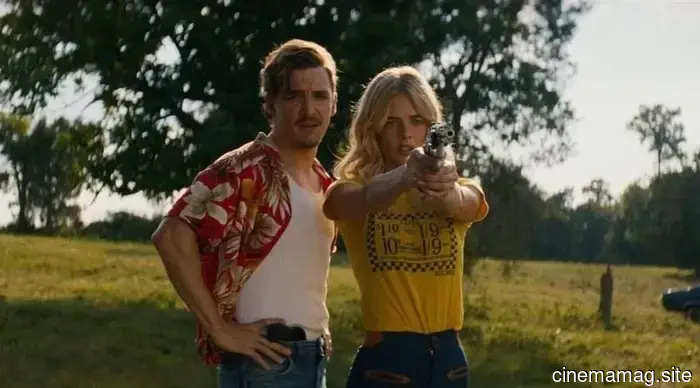 In the trailer for "Carolina Caroline," Samara Weaving and Kyle Gallner engage in a crime wave.
Magnolia Pictures and Magnet Releasing have released a teaser trailer for the romantic crime thriller Carolina Caroline, directed by Adam Carter Rehmeier. The film features Samara Weaving as a young woman yearning for...
In the trailer for "Carolina Caroline," Samara Weaving and Kyle Gallner engage in a crime wave.
Magnolia Pictures and Magnet Releasing have released a teaser trailer for the romantic crime thriller Carolina Caroline, directed by Adam Carter Rehmeier. The film features Samara Weaving as a young woman yearning for...
 Comic Book Preview – ThunderCats Issue #25
ThunderCats #25 is set to be released this Wednesday, and you can view the official preview of the issue below, thanks to Dynamite Entertainment... THUNDERCATS AT A TURNING POINT! Since he escaped t...
Comic Book Preview – ThunderCats Issue #25
ThunderCats #25 is set to be released this Wednesday, and you can view the official preview of the issue below, thanks to Dynamite Entertainment... THUNDERCATS AT A TURNING POINT! Since he escaped t...
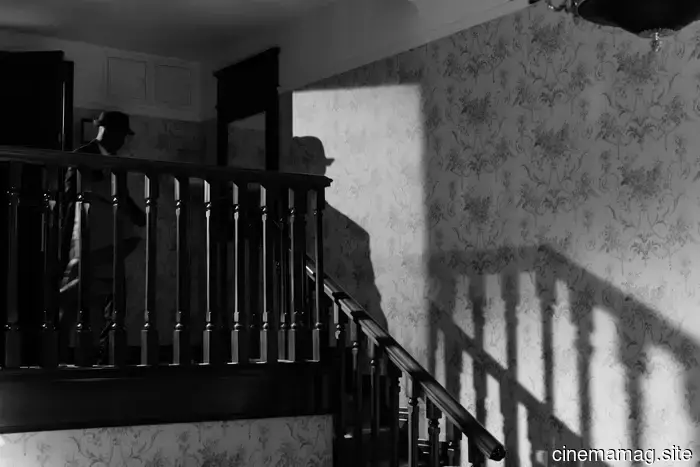 Creating Suspense Without Conversations: A Filmmaker's Method
An in-depth examination of how filmmakers utilize visuals, sound, and pacing to create tension without depending on dialogue.
Creating Suspense Without Conversations: A Filmmaker's Method
An in-depth examination of how filmmakers utilize visuals, sound, and pacing to create tension without depending on dialogue.
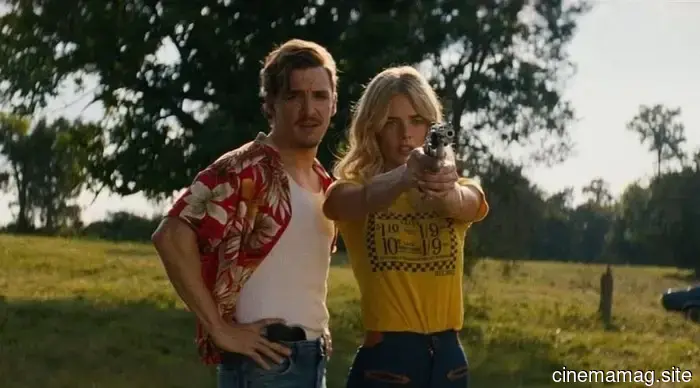 Samara Weaving and Kyle Gallner take on a crime spree in the trailer for Carolina Caroline.
Magnolia Pictures and Magnet Releasing have released a teaser trailer for Adam Carter Rehmeier’s romantic crime thriller, Carolina Caroline. The film features Samara Weaving in the role of a young woman who yearns for…
Samara Weaving and Kyle Gallner take on a crime spree in the trailer for Carolina Caroline.
Magnolia Pictures and Magnet Releasing have released a teaser trailer for Adam Carter Rehmeier’s romantic crime thriller, Carolina Caroline. The film features Samara Weaving in the role of a young woman who yearns for…
 Creating Suspense Without Dialogue: A Filmmaker's Technique
An in-depth examination of how directors utilize visuals, audio, and rhythm to create tension without depending on spoken words.
Creating Suspense Without Dialogue: A Filmmaker's Technique
An in-depth examination of how directors utilize visuals, audio, and rhythm to create tension without depending on spoken words.
Creating Suspense Without Dialogue: A Filmmaker’s Method
An in-depth examination of how directors employ visuals, sound, and pacing to create suspense without depending on dialogue.