
Mission: Impossible III at 20 – The Untold Story of the Overlooked Action Sequel
Hasitha Fernando reflects on the background of Mission: Impossible III as the film marks its 20th anniversary.
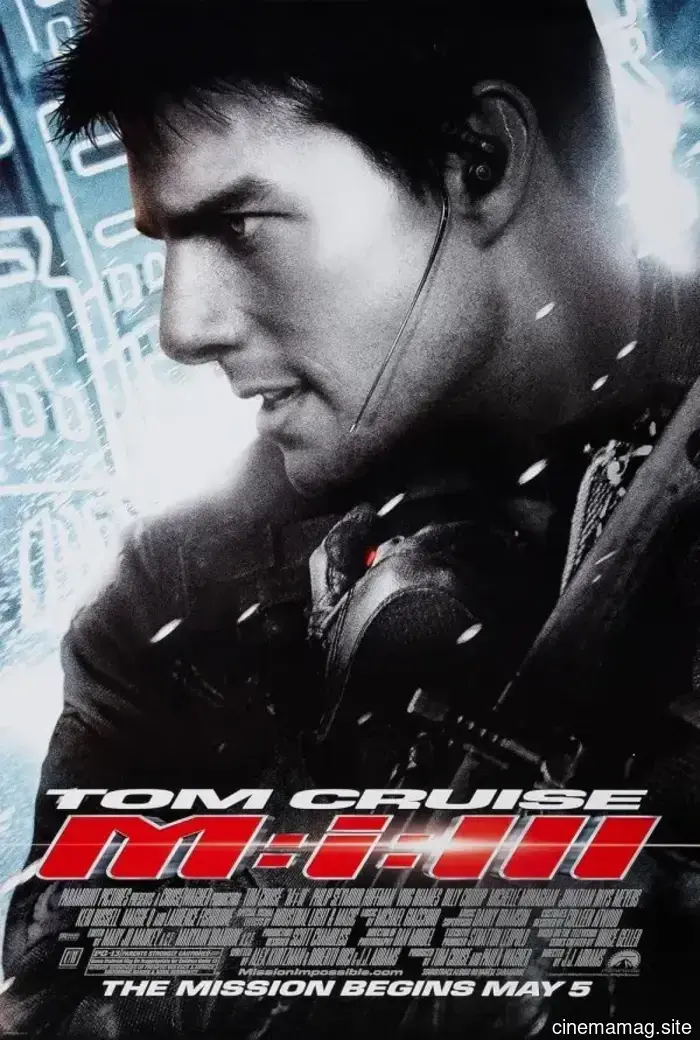
Although Mission: Impossible 2 was a box-office hit, it diverged significantly from Bruce Geller’s original espionage TV series and Brian De Palma’s intricate 1996 suspense film that started the franchise. Nevertheless, Mission: Impossible III managed to correct several mistakes made in the prior installment, playing a crucial role in rejuvenating the franchise and evolving it into its current form. As the spy action film turns 20, we revisit its behind-the-scenes story and the events that occurred during its production.
The sequel faced an extended period of development struggles due to creative disagreements.
For better or worse, John Woo’s Mission: Impossible 2 altered the path of the series by presenting an Ethan Hunt who resembled more of a James Bond figure, filled with slow-motion action sequences and a noticeable absence of team dynamics found in the original series and the first film. Although the movie earned a considerable $531 million globally, it received mixed reviews from critics. To address the shortcomings of M: I-2, producer and lead actor Tom Cruise sought the expertise of renowned director David Fincher. Known for his dark, R-rated films like Se7en and Fight Club, Fincher was eager to direct the next Mission: Impossible film, looking towards a summer 2004 release. Unfortunately, he exited due to creative differences regarding the series' direction. Following his departure, Joe Carnahan, who made an impactful debut with the indie film Narc, was brought on board as a replacement. Carnahan dedicated over fifteen months to the project before also leaving due to significant creative clashes. His version of the sequel would have introduced a character akin to Timothy McVeigh, portrayed by Kenneth Branagh, against the IMF team, which would have included characters played by Carrie-Anne Moss and Scarlett Johansson.
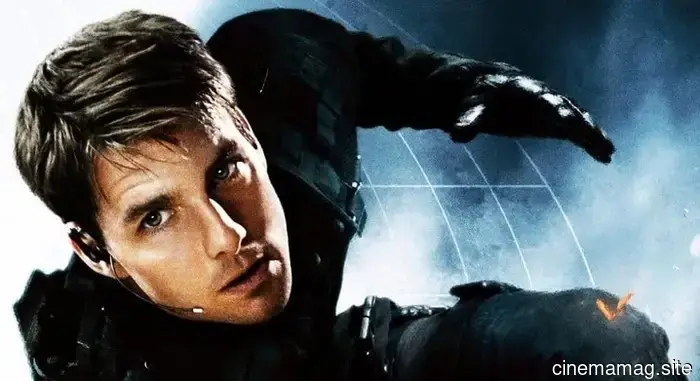
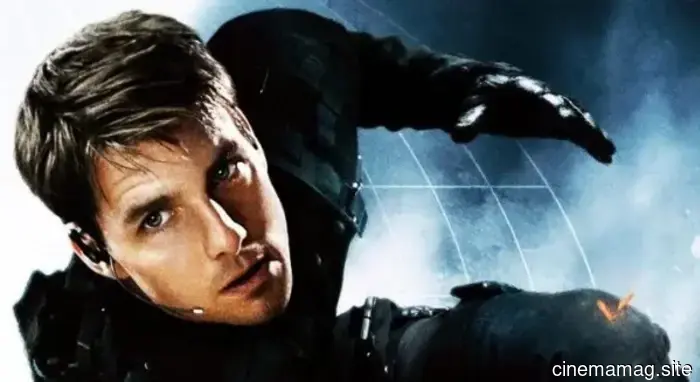
Mission: Impossible III marked J.J. Abrams’ first feature film as a director.
Losing a prominent creative force like Fincher along with an emerging talent such as Carnahan was undoubtedly a setback for Tom Cruise and his team. However, the project's direction changed when Cruise binge-watched the first two seasons of the then-popular series Alias. Convinced that the show's co-creator and director J.J. Abrams was the right fit, Cruise extended the offer to him, and Abrams was eager to accept. There was a catch, however; Abrams had ongoing commitments to Alias and Lost, which delayed production by over a year and led to the exits of Branagh, Moss, and Johansson from the project. Directing the third installment proved advantageous for Abrams; he went on to enjoy a successful career directing films in several lucrative franchises, including Star Wars and Star Trek, making him the tenth highest-grossing film director in history.
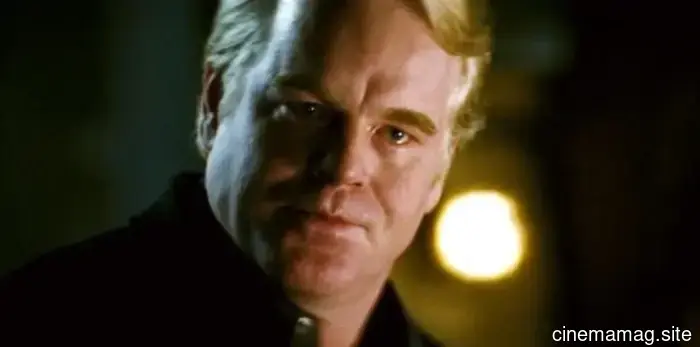
Philip Seymour Hoffman’s Owen Davian is widely considered the best villain in the franchise.
The late Philip Seymour Hoffman is remembered as one of the finest character actors of his generation. After starting in supporting roles in films such as Scent of a Woman, Magnolia, and The Big Lebowski in the 1990s, Hoffman transitioned to leading roles with films like Capote, Owning Mahowny, and A Most Wanted Man in the following decade. His work largely centered around independent films, and it was with Mission: Impossible III that the exceptionally talented actor reached a broader audience as the villainous arms dealer Owen Davian. Hoffman’s performance garnered acclaim from both critics and audiences, and many still view Owen Davian as the ultimate villain of the series. Interestingly, the role was initially offered to Billy Bob Thornton, who declined it to avoid being typecast in villainous roles. The character's name is also a nod to Hoffman’s longtime collaborator and manager, Davien Littlefield.
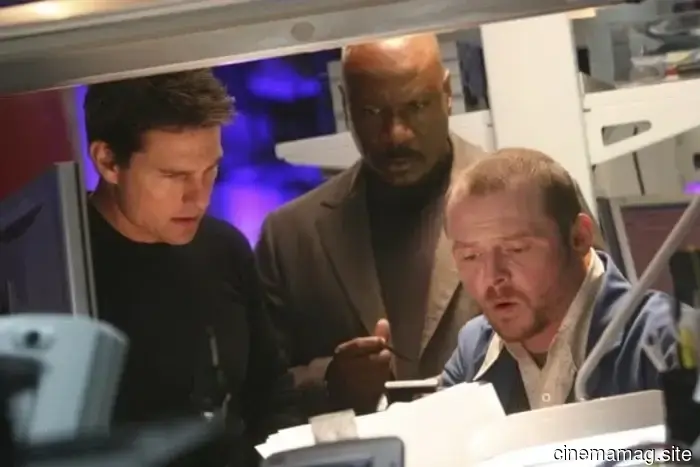
Simon Pegg once humorously commented on landing a role in Mission: Impossible III.
Simon Pegg rose to fame with the Channel 4 sitcom Spaced, which he co-created with fellow enthusiast Edgar Wright. They later collaborated on the celebrated “Three Flavors Cornetto trilogy,” consisting of Shaun of the Dead, Hot Fuzz, and The World’s End. During a promotional interview for Shaun of the Dead, Pegg was asked whether he considered a career in Hollywood, to which he jokingly responded, “It’s not like I’m going to be in Mission: Impossible III.” To his surprise, Pegg secured the role of Benjamin “Benji” Dunn, an IMF technician with a shared past with Tom Cruise’s Ethan Hunt. Pegg became so popular that he has reprised the role in five additional Mission: Impossible films, concluding with Mission: Impossible – Final Reckoning in 2025.
Rachel McAdams passed on the role that went to Michelle Monaghan.
Following performances in films like Kiss Kiss Bang Bang, Gone Baby Gone, and Eagle Eye, as well as TV shows like True Detective



Other articles
 LEGO Disney's Summer 2026 sets feature Lilo & Stitch, Moana 2, Tangled, The Little Mermaid, and additional themes.
The LEGO Group has revealed its LEGO Disney collections for Summer 2026, featuring Stitch & Scrump (43296) and Beach Fun with Lilo & Stitch (43280) from Lilo & Stitch, along with Village House and Boat…
LEGO Disney's Summer 2026 sets feature Lilo & Stitch, Moana 2, Tangled, The Little Mermaid, and additional themes.
The LEGO Group has revealed its LEGO Disney collections for Summer 2026, featuring Stitch & Scrump (43296) and Beach Fun with Lilo & Stitch (43280) from Lilo & Stitch, along with Village House and Boat…
.jpg) Blu-ray Review – Hammer: Héros, Légendes et Monstres (2024)
Hammer: Heroes, Legends and Monsters, 2024, directed by Benjamin Field, includes appearances by Valerie Leon, Tim Burton, John Landis, Joe Dante, John Carpenter, Martine Beswick, Caroline Munro, Madeline Smith, and John…
Blu-ray Review – Hammer: Héros, Légendes et Monstres (2024)
Hammer: Heroes, Legends and Monsters, 2024, directed by Benjamin Field, includes appearances by Valerie Leon, Tim Burton, John Landis, Joe Dante, John Carpenter, Martine Beswick, Caroline Munro, Madeline Smith, and John…
 Full Moon Features presents a new horror-comedy that showcases a battle between models and werewolves in its trailer.
Before its world debut at the Texas Frightmare Weekend later this month, Full Moon Features has released a trailer for the forthcoming horror-comedy Models vs. Werewolves. Directed by Danny Draven, th…
Full Moon Features presents a new horror-comedy that showcases a battle between models and werewolves in its trailer.
Before its world debut at the Texas Frightmare Weekend later this month, Full Moon Features has released a trailer for the forthcoming horror-comedy Models vs. Werewolves. Directed by Danny Draven, th…
 LEGO Disney Summer 2026 sets feature Lilo & Stitch, Moana 2, Tangled, The Little Mermaid, and additional themes.
The LEGO Group has introduced its LEGO Disney sets for Summer 2026, featuring Stitch & Scrump (43296) and Beach Fun with Lilo & Stitch (43280) based on Lilo & Stitch, along with Village House and Boat...
LEGO Disney Summer 2026 sets feature Lilo & Stitch, Moana 2, Tangled, The Little Mermaid, and additional themes.
The LEGO Group has introduced its LEGO Disney sets for Summer 2026, featuring Stitch & Scrump (43296) and Beach Fun with Lilo & Stitch (43280) based on Lilo & Stitch, along with Village House and Boat...
 Preview of Comic Book – Transformers #32
Skybound Entertainment and Image Comics are set to release Transformers #32 next week, and below you can take an exclusive early look at the issue with the official preview… ELITA 1’S AUTOBOT TEA…
Preview of Comic Book – Transformers #32
Skybound Entertainment and Image Comics are set to release Transformers #32 next week, and below you can take an exclusive early look at the issue with the official preview… ELITA 1’S AUTOBOT TEA…
 Evil Dead Burn reveals a new intense red band trailer.
Warner Bros. has released a new red band trailer and poster for Evil Dead Burn, the upcoming installment in the supernatural horror film series directed by Sébastien Vaniček (Infested). This serves as the t...
Evil Dead Burn reveals a new intense red band trailer.
Warner Bros. has released a new red band trailer and poster for Evil Dead Burn, the upcoming installment in the supernatural horror film series directed by Sébastien Vaniček (Infested). This serves as the t...
Mission: Impossible III at 20 – The Untold Story of the Overlooked Action Sequel
Hasitha Fernando examines the narrative behind Mission: Impossible III as the film marks its 20th anniversary. Even with the financial success of Mission: Impossible 2, the film faced notable challenges...