
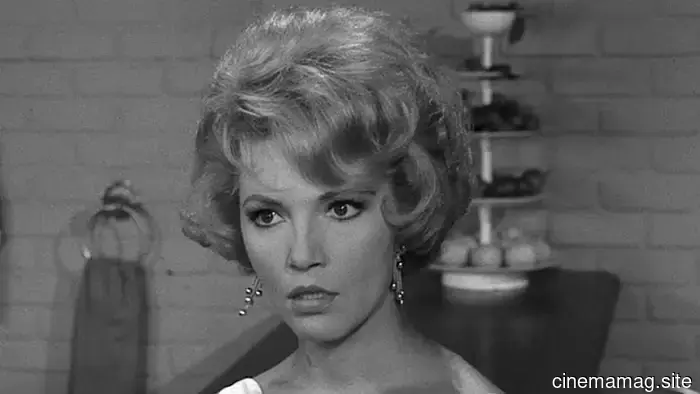
12 Twilight Zone Episodes That Foretold the Future
Here are 12 episodes of The Twilight Zone that foresaw the future.
The Twilight Zone, helmed by Rod Serling from 1959 to 1964, was a show of its time but also looked ahead. Serling understood that he could leverage genre storytelling to candidly discuss real-world issues in ways that network censors would typically prohibit.
He was also aware of the changing times and frequently predicted aspects of modern life.
Here are the episodes from The Twilight Zone.
“The Lonely” (Season 1, Episode 7)
CBS
The Twilight Zone featured numerous tales of individuals in isolation — sometimes by choice, sometimes not.
Several episodes present one to three people stranded on distant planets or asteroids, away from humanity. “The Lonely” stands out as one of the best.
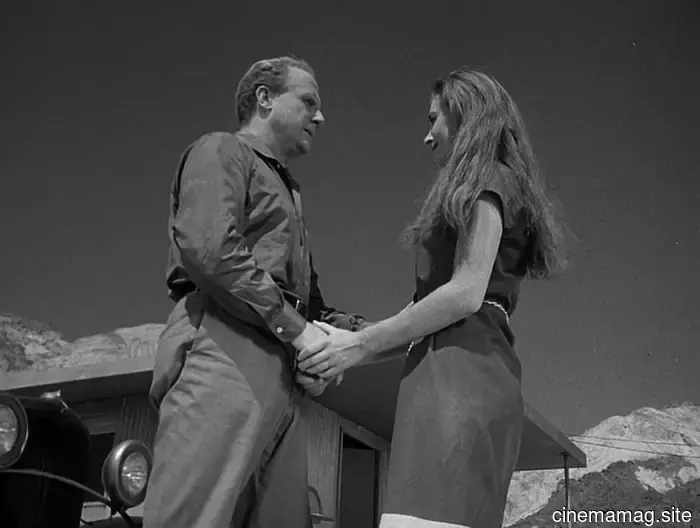
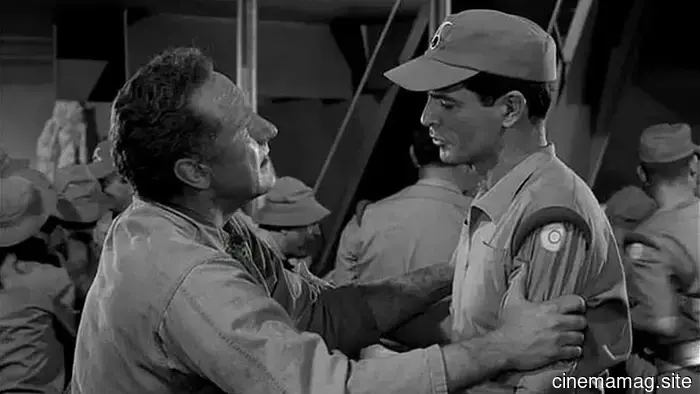
Jack Warden portrays Corry, sentenced to 50 years of solitary confinement on an asteroid for murder. His solitude is only broken intermittently by supply ships. One day, a ship must leave in haste but leaves behind a box containing Alicia, a female humanoid robot. Initially, Corry finds Alicia uninteresting, seeing her merely as machinery. However, as his seclusion takes a toll, she becomes his companion.
What once seemed implausible is now an all-too-familiar situation for those in relationships with AI "partners."
“The Midnight Sun” (Season 3, Episode 10)
CBS
The term “global warming” gained traction around 1975, later replaced by the phrase “climate change.” Years before this, in 1961, “The Midnight Sun” addressed concerns about rising temperatures.
In this science fiction episode, the overheating is attributed to the planet being displaced from its orbit, rather than fossil fuel usage. In “The Midnight Sun,” residents of a New York City apartment face near-constant daylight and sweltering temperatures over 100 degrees.
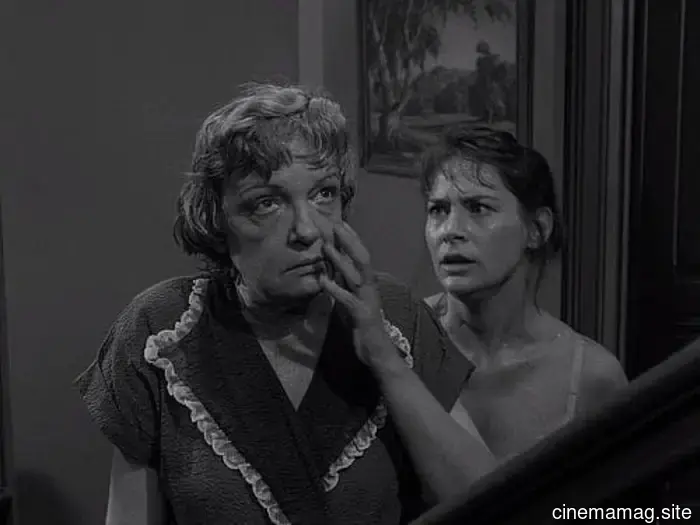
The twist reveals that one character is experiencing a fever dream, while in reality, the planet is chilling dramatically.
“The Brain Center at Whipple’s” (Season 5, Episode 33)
CBS
One of the concluding episodes of The Twilight Zone remains highly relevant today. Written by Serling, like most episodes, and directed by Richard Donner, who later directed films like Superman and The Goonies.
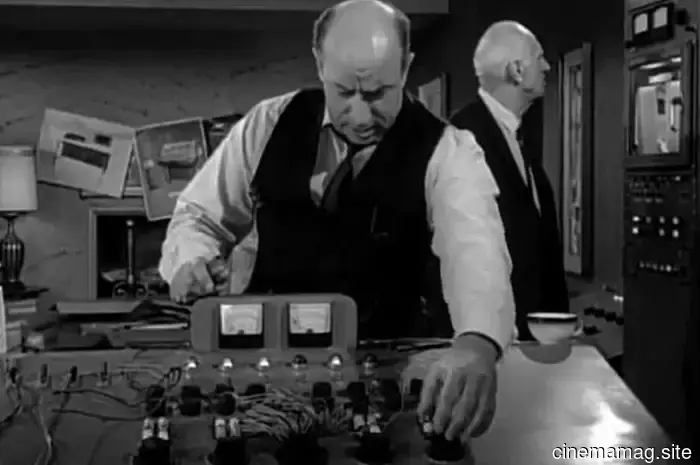
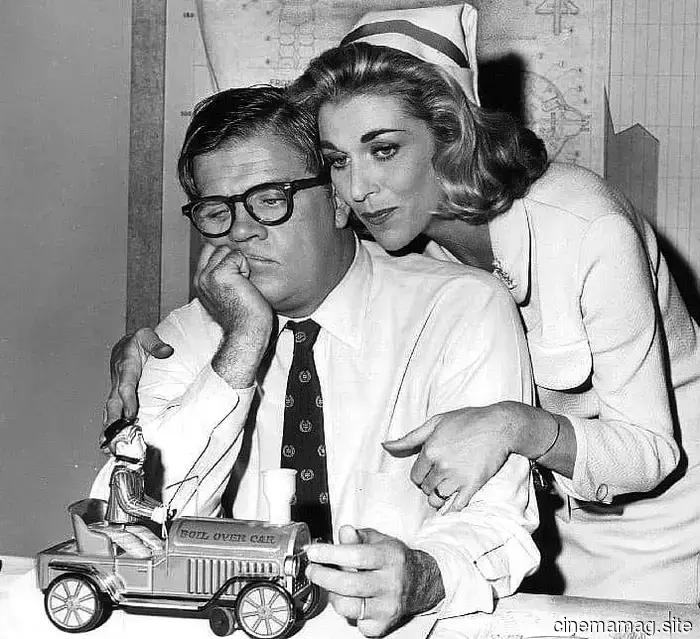
In “The Brain Center at Whipple’s,” Wallace Whipple owns a manufacturing facility and decides to replace human workers with machines. He also dismisses his plant manager in favor of a robot and lets go of the secretaries to avoid maternity leave issues.
However, when Whipple becomes paranoid that the robots will revolt against him, he too is terminated and replaced by a robot.
Has the forecast of humans being supplanted by machines come to fruition? Perhaps this question will linger as you check out at the grocery store or await drone delivery or peruse articles produced by AI, unlike this one.
Serling’s moral for the powerful stands: Eventually, the machines will come for you as well.
“Escape Clause” (Season 1, Episode 6)
CBS
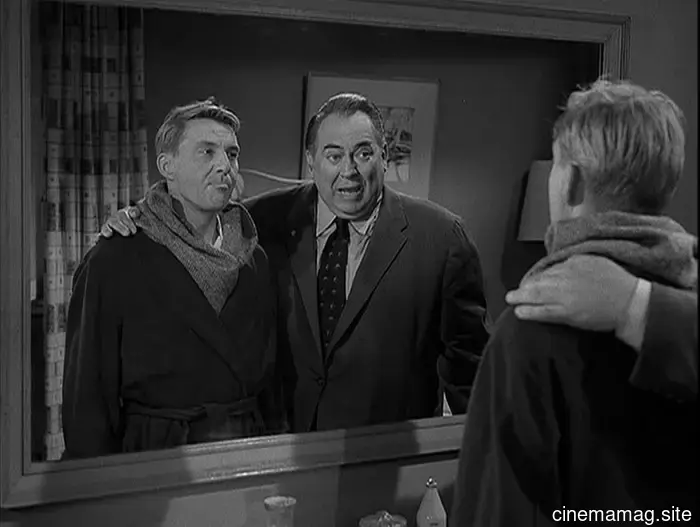
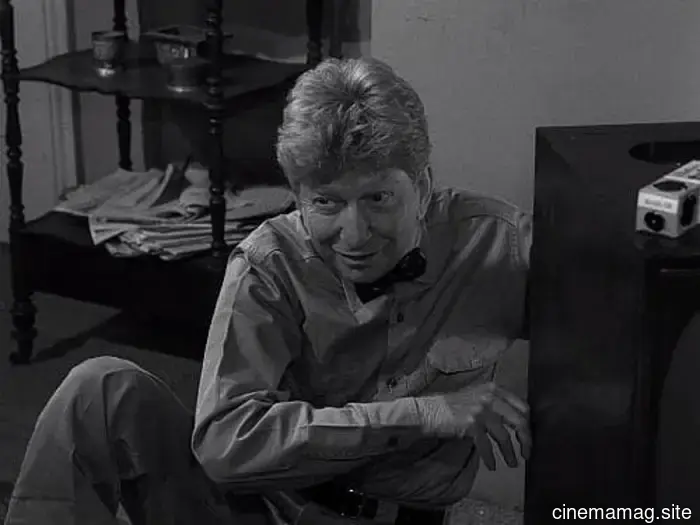
Walter Bedeker (David Wayne) harbors a fear of death and is self-absorbed. In his pursuit of immortality, he makes a pact with the devil, a recurring character in The Twilight Zone. Soon, Bedeker achieves his desire for eternal life at the expense of his soul.
Immediately, he begins to revel in his newfound invincibility, using it for profit and adventure. He shows no regard for others and even uses his wife's death to confess to a murder in order to experience the electric chair.
Today, many wealthy individuals, particularly billionaires, are fixated on extending their lives. Some have undertaken strange measures to prevent aging or death. As Walter Bedeker discovered, and as they will eventually understand, everyone faces death.
Serling’s closing narration suggests that perhaps this is the natural order of things.
“The Fever” (Season 1, Episode 17)
CBS
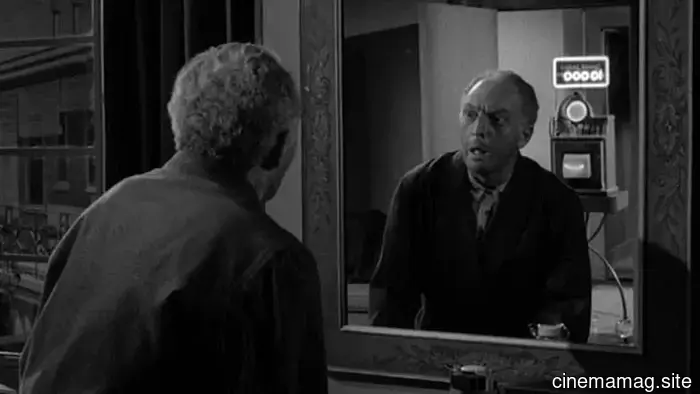
“The Fever” is anything but subtle, even by The Twilight Zone's standards. A couple travels to Las Vegas, where the husband, Franklin, despises gambling. Then, a slot machine starts calling out to him. Sleep or awake, the machine beckons Franklin, compelling him to play repeatedly.
Eventually, his obsession drives him to madness, attributed to delirium and addiction.
While gambling already existed in the 1960s, the episode foresaw its contemporary ubiquity, where high-risk gaming is available right at your fingertips. “The Fever” never relented in its grip.
“A Thing About Machines” (Season 2, Episode 4)
CBS
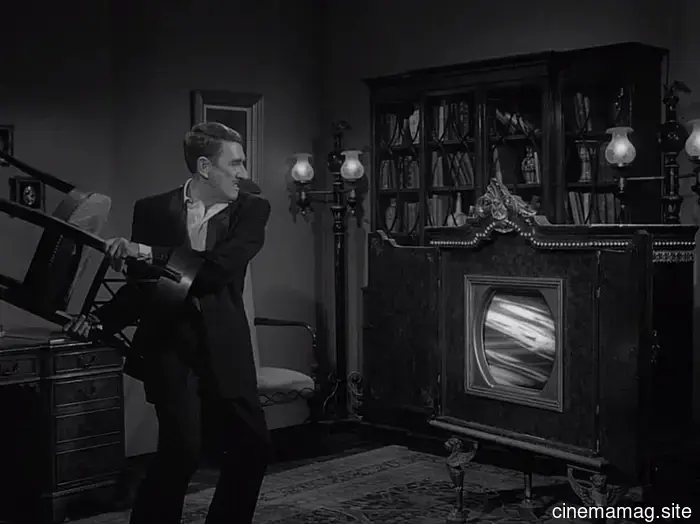
Bartlett Finchley, a fittingly named character, is a lofty writer for a gourmet magazine. He’s indifferent to people but particularly disdainful of machines. Technological advancements mean little to him, and he even views them with disdain.
Eventually, the sentiment reciprocates. Telephones, televisions, and even typewriters begin conveying ominous warnings
Other articles
 Kotobukiya has revealed collectible statues of Morrigan Aensland and Lilith from Darkstalkers.
Kotobukiya has officially revealed its new collectible statues of Morrigan Aensland and Lilith, inspired by characters from Capcom's Darkstalkers fighting game franchise. The pieces are...
Kotobukiya has revealed collectible statues of Morrigan Aensland and Lilith from Darkstalkers.
Kotobukiya has officially revealed its new collectible statues of Morrigan Aensland and Lilith, inspired by characters from Capcom's Darkstalkers fighting game franchise. The pieces are...
 Top 5 Real Money Online Casinos in Australia for Pokies - MovieMaker
The online casino market in Australia for 2026 has transformed into a fiercely competitive arena, where players prioritize authentic experiences over extravagant promotions.
Top 5 Real Money Online Casinos in Australia for Pokies - MovieMaker
The online casino market in Australia for 2026 has transformed into a fiercely competitive arena, where players prioritize authentic experiences over extravagant promotions.
 7 Sequels That Took Too Long to Be Released
Here are seven follow-ups that were delayed for too long before their release.
7 Sequels That Took Too Long to Be Released
Here are seven follow-ups that were delayed for too long before their release.
-5-Top-Online-Casinos-for-Aussie-Players.png) Top Online Casinos in Australia for Real Money 2026 (Verified List) - 5 Best Online Casinos for Australian Players
Goldenbet excels on mobile devices, offering seamless gameplay for users looking for an Australian online casino with flexibility.
Top Online Casinos in Australia for Real Money 2026 (Verified List) - 5 Best Online Casinos for Australian Players
Goldenbet excels on mobile devices, offering seamless gameplay for users looking for an Australian online casino with flexibility.
 7 Sequels That Took an Excessive Amount of Time to Release
Here are seven sequels that took an excessive amount of time to be released.
7 Sequels That Took an Excessive Amount of Time to Release
Here are seven sequels that took an excessive amount of time to be released.
-5-Top-Online-Casinos-for-Aussie-Players.png) Top Online Casinos in Australia for Real Money 2026 (Verified List) - 5 Leading Online Casinos for Australian Players
Goldenbet excels on mobile devices, offering seamless gameplay for those seeking an Australian online casino with adaptability.
Top Online Casinos in Australia for Real Money 2026 (Verified List) - 5 Leading Online Casinos for Australian Players
Goldenbet excels on mobile devices, offering seamless gameplay for those seeking an Australian online casino with adaptability.
12 Twilight Zone Episodes That Foretold the Future
Here are 12 episodes of The Twilight Zone that foresaw future events.