
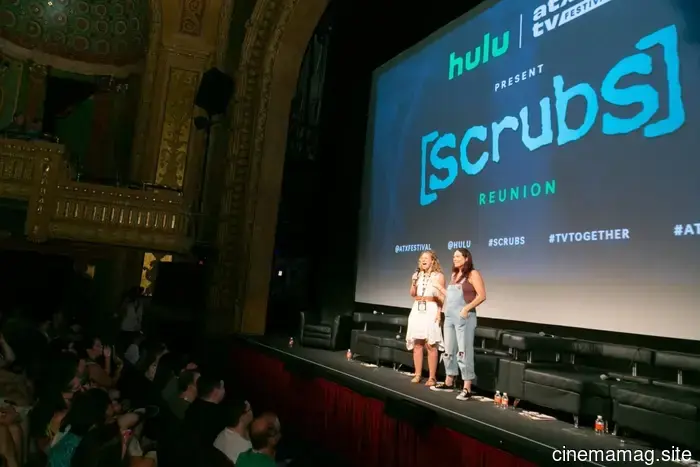
The ATX TV Festival at 15: Navigating the Challenges and Opportunities of Indie TV
As the ATX TV Festival, endearingly referred to as the “TV camp for grown-ups,” embarks on its 15th season, its founders view this moment as both a celebration and a critical reflection for the television industry.
Initially conceived as a joyful gathering for TV enthusiasts and industry professionals in Austin, Texas, it now stands at the forefront of a rapidly evolving environment where the very nature of television, particularly independent TV, is being reconsidered.
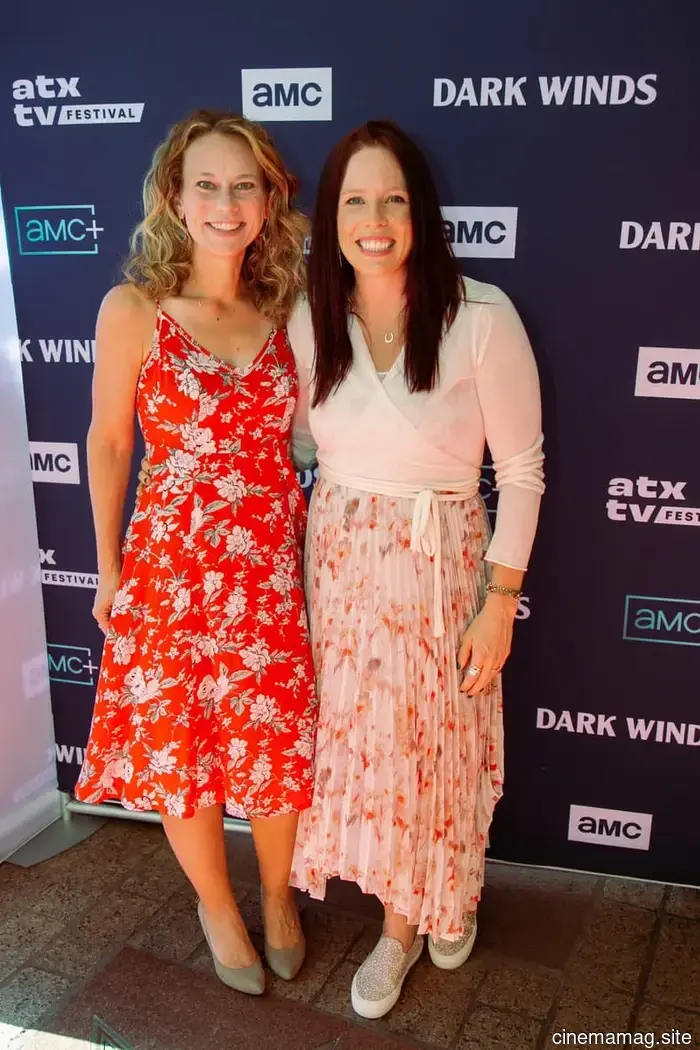
Co-founders Emily Gipson and Caitlin McFarland see 2026 as a year of transformation. After enduring the challenges posed by COVID-19 and industry strikes, last year’s festival signified a return to normalcy.
This year’s edition, scheduled from Thursday to Sunday, aims to build on last year’s progress while still honoring its historical roots.
The festival’s programming embodies this dual focus. A 20th anniversary tribute to Friday Night Lights features a panel with cast members Connie Britton, Kyle Chandler, and Jesse Plemons, while a retrospective celebrating the 30th anniversary of Everybody Loves Raymond includes star Ray Romano and creator Phil Rosenthal.
Script readings, including a homage to I Love Lucy, continue the festival's longstanding tradition of intertwining nostalgia with live performances and discussions. Bill Lawrence will receive the festival’s Showrunner Award and lead a conversation highlighting writers, actors, and collaborators from his comedies such as Spin City, Scrubs, and Ted Lasso, in addition to his current projects Shrinking and Bad Monkey.
However, the festival is also keenly focused on future prospects. Premieres and sneak previews, such as a screening of Apple TV’s dark comedy-thriller Maximum Pleasure Guaranteed and a glimpse at HBO’s House of The Dragon Season 3, will set sights on what lies ahead.
This year’s central theme revolves around the future of independent television.
For the first time, ATX is introducing a dedicated indie TV competition, featuring original pilots and a best-in-festival award. Defining “independent TV,” however, has proven to be unexpectedly complex.
What qualifies as independent TV today? Is it a show funded outside major studios? A viral hit on YouTube, a creator-owned streaming platform, or a low-budget vertical drama? Even industry professionals are still coming to grips with this concept.
“The one thing everyone agrees on,” McFarland explains, “is that it’s a show without worldwide distribution.”
This definition mirrors a significant shift in the industry. In a time when global streaming giants like Netflix and HBO Max dominate, independence is no longer solely about budget or creative freedom but also about audience reach.
The challenge lies in access.
Unlike independent film, which has traditionally used festivals like Sundance and Tribeca to launch projects, independent TV lacks a clear distribution channel.
Creators are increasingly developing episodic series with modest budgets — sometimes akin to indie films — but they face hurdles in connecting with viewers.
Traditional networks are hesitant to invest, commissioning fewer projects, while streaming services are prioritizing profitability and minimizing risk, sticking to proven formulas, familiar intellectual properties, established showrunners, and well-known talent.
Regarding TV innovation, Gipson states, “The content is there. The question is, how do you get it into people’s hands?”
This issue is further complicated by changes in viewer behavior. Audiences are more reluctant to pay for unfamiliar content behind paywalls or on-demand platforms, while ad-supported models are still widely unpopular. Marketing budgets akin to those of HBO, crucial for audience discoverability, remain largely inaccessible for independent creators.
Consequently, there is an increasing pool of high-quality, independently produced TV facing difficulties in gaining traction.
Opportunity Amidst Disruption
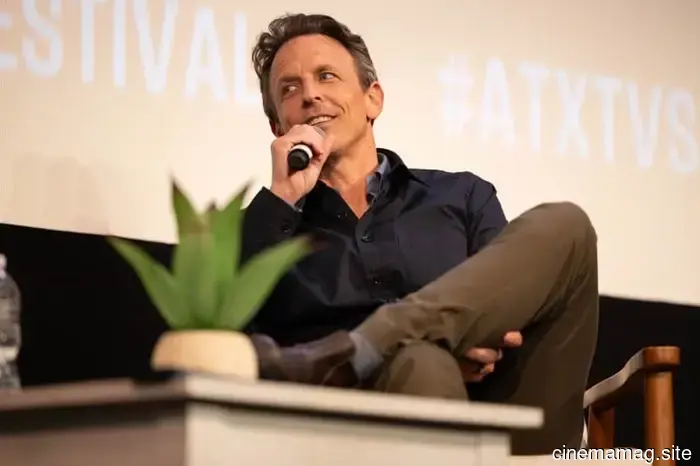
Seth Meyers at the ATX TV Festival in 2025. Courtesy of ATX TV Festival.
Nonetheless, both Gipson and McFarland perceive opportunity.
The peak TV era, characterized by numerous shows being greenlit each year, has waned. However, this contraction opens avenues for experimentation and a growing eagerness among creators to bypass traditional barriers.
“There’s a lot of creative frustration right now,” Gipson remarks. “People just want to create.”
ATX aims to serve as a hub for innovative discussions, connecting creators, financiers, distributors, and fans to explore new models. The festival covers topics ranging from funding strategies to audience education — a frequently overlooked aspect of the equation.
One panel, featuring Steve Zahn and Rick Gomez from Macaroni Art Productions, discusses the complete process of producing an independent TV show, from pre-production through to post and beyond.
McFarland expresses that she and Gipson intend for the festival to foster a dialogue about indie TV between creatives and business professionals involved in production.
“As discussions around independent TV increase due to current mergers and acquisitions, incredible independent television is on the brink of being made,” she says. “The question remains: who will succeed in delivering that to viewers in a way they are eager to consume?”
A significant portion of the ongoing
Other articles
-MovieMaker-Magazine.png) Top 5 Online Casinos in Australia for Real Money and Pokies (Ranked and Reviewed) - MovieMaker Magazine
The Australian iGaming market is experiencing swift growth as an increasing number of players seek out the top online casinos in Australia for real money gaming on mobile devices.
Top 5 Online Casinos in Australia for Real Money and Pokies (Ranked and Reviewed) - MovieMaker Magazine
The Australian iGaming market is experiencing swift growth as an increasing number of players seek out the top online casinos in Australia for real money gaming on mobile devices.
 NYC Weekend Watch: Marilyn Monroe, Peter Hutton, Mysterious Skin, The Master, and More
NYC Weekend Watch is our weekly summary of repertory screenings. At Film Forum, a centennial celebration of Marilyn Monroe features films by Howard Hawks, Billy Wilder, Joseph L. Mankiewicz, Henry Hathaway, and others. Roxy Cinema will screen Tenet in 35mm on Friday and Sunday, with a 16mm program by Peter Hutton on Saturday, and a 20th-anniversary showing of The Favor on Sunday. IFC Center will present 4K restorations.
NYC Weekend Watch: Marilyn Monroe, Peter Hutton, Mysterious Skin, The Master, and More
NYC Weekend Watch is our weekly summary of repertory screenings. At Film Forum, a centennial celebration of Marilyn Monroe features films by Howard Hawks, Billy Wilder, Joseph L. Mankiewicz, Henry Hathaway, and others. Roxy Cinema will screen Tenet in 35mm on Friday and Sunday, with a 16mm program by Peter Hutton on Saturday, and a 20th-anniversary showing of The Favor on Sunday. IFC Center will present 4K restorations.
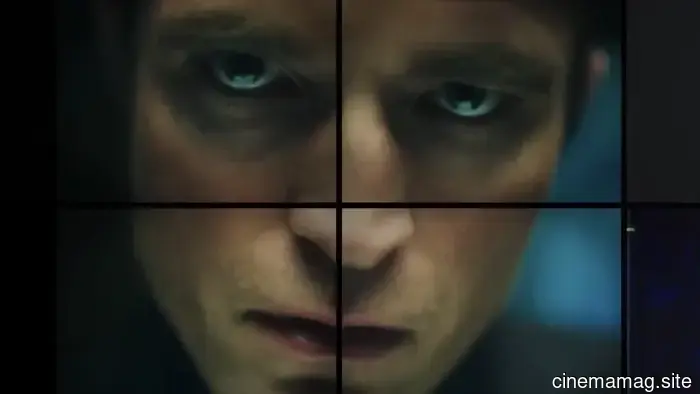 Robert Pattinson Takes on the Role of Chris Hansen in Primetime Trailer for Catch a Predator.
Featured image: Robert Pattinson in the trailer for Primetime.
Robert Pattinson Takes on the Role of Chris Hansen in Primetime Trailer for Catch a Predator.
Featured image: Robert Pattinson in the trailer for Primetime.
 NYC Weekend Preview: Marilyn Monroe, Peter Hutton, Mysterious Skin, The Master, and More
NYC Weekend Watch is our weekly summary of repertory events. Film Forum is celebrating a centennial of Marilyn Monroe with films by Howard Hawks, Billy Wilder, Joseph L. Mankiewicz, Henry Hathaway, and others. Roxy Cinema will screen Tenet in 35mm on Friday and Sunday, while a 16mm program featuring Peter Hutton is scheduled for Saturday; additionally, a 20th-anniversary showing of The Favor will take place on Sunday. IFC Center will feature 4K restorations.
NYC Weekend Preview: Marilyn Monroe, Peter Hutton, Mysterious Skin, The Master, and More
NYC Weekend Watch is our weekly summary of repertory events. Film Forum is celebrating a centennial of Marilyn Monroe with films by Howard Hawks, Billy Wilder, Joseph L. Mankiewicz, Henry Hathaway, and others. Roxy Cinema will screen Tenet in 35mm on Friday and Sunday, while a 16mm program featuring Peter Hutton is scheduled for Saturday; additionally, a 20th-anniversary showing of The Favor will take place on Sunday. IFC Center will feature 4K restorations.
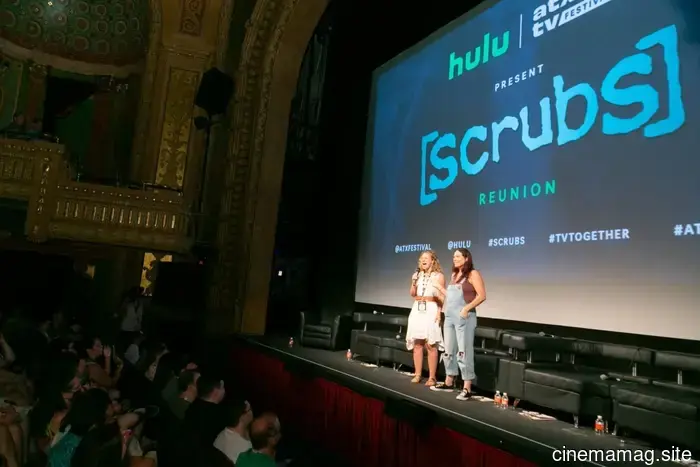 The ATX TV Festival at 15: Exploring the Challenges and Opportunities in Indie TV
As the ATX TV Festival – lovingly referred to as the “TV camp for adults” – enters its 15th season, its founders view this occasion as a time for both celebration and a
The ATX TV Festival at 15: Exploring the Challenges and Opportunities in Indie TV
As the ATX TV Festival – lovingly referred to as the “TV camp for adults” – enters its 15th season, its founders view this occasion as a time for both celebration and a
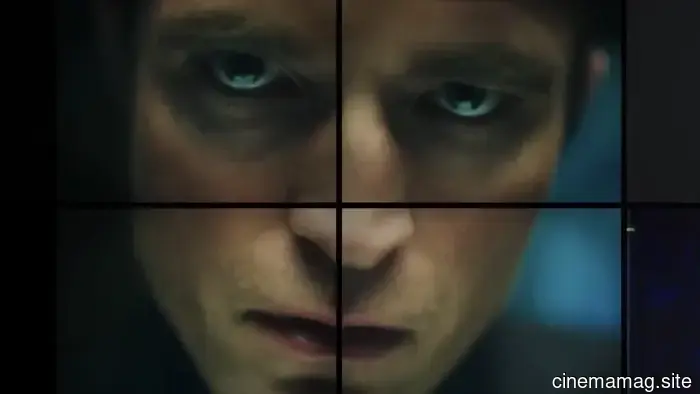 Robert Pattinson Takes on the Role of Chris Hansen in Primetime Trailer for Catch a Predator
Primary image: Robert Pattinson featured in the Primetime trailer.
Robert Pattinson Takes on the Role of Chris Hansen in Primetime Trailer for Catch a Predator
Primary image: Robert Pattinson featured in the Primetime trailer.
The ATX TV Festival at 15: Navigating the Challenges and Opportunities of Indie TV
With the ATX TV Festival – lovingly called the “TV camp for grown-ups” – entering its 15th season, its founders view this moment as a time for both celebration and a