
The 12 Most Voyeuristic Films We've Ever Watching
Here are 12 of the most voyeuristic films we have ever encountered.
They enjoy watching — and being watched.
Let's dive in.
But First: What Is Voyeurism?
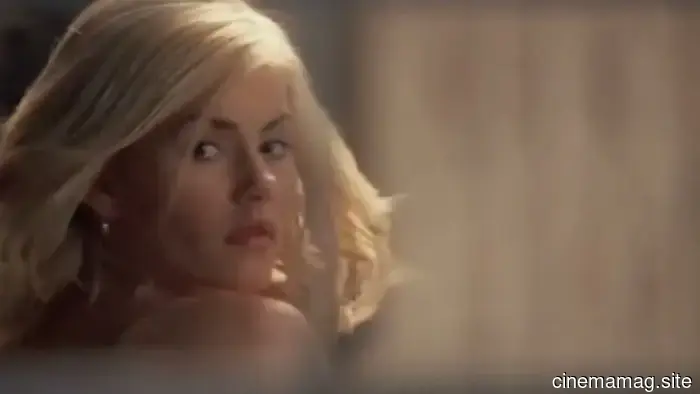
Elisha Cuthbert in The Girl Next Door. Twentieth Century Fox. – Credit: C/O
Voyeurism can be described as deriving pleasure from observing others or taking enjoyment in the suffering or discomfort of others.
Some characters in this collection exhibit the first type, while others embody the second.
What draws so many filmmakers to this theme? Maybe it's because viewing a movie is akin to peering into a window into someone else's life.
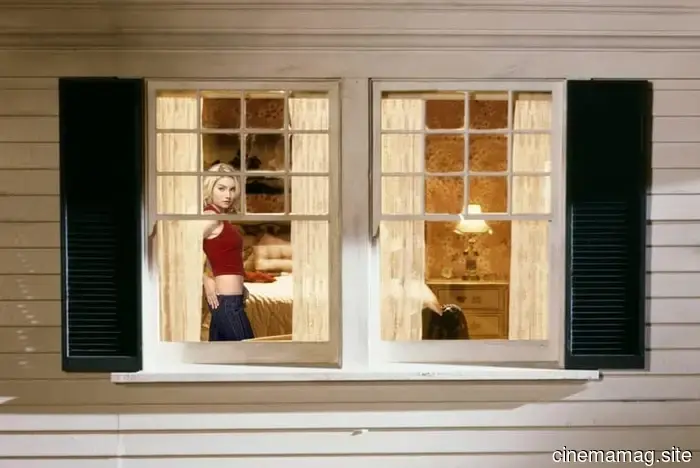
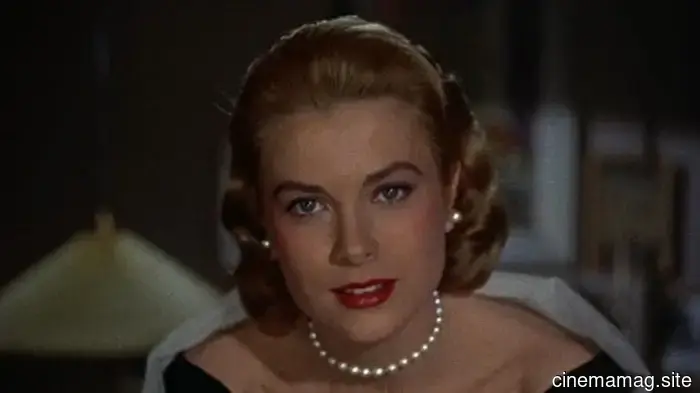
Rear Window (1954)
Paramount Pictures – Credit: C/O
Still regarded as the pinnacle of voyeuristic cinema, Rear Window is often cited by other films for its intelligent exploration of whether watching films is itself a form of voyeurism.
Directed by Alfred Hitchcock, the thriller features Jimmy Stewart as L.B. Jeffries, a news photographer whose adventurous life is interrupted by a leg injury, leaving him homebound. He spends his time observing his neighbors through their apartment windows while taking his remarkable girlfriend, Lisa Fremont (played by Grace Kelly), for granted.
While Rear Window is certainly about crime, it also delves into a bachelor’s anxieties about commitment. The various people L.B. observes symbolize different life paths: Miss Torso represents the appealing yet troubled single woman, Miss Lonelyhearts struggles to find the right partner, and The Salesman… well, he is the most fascinating of them all.
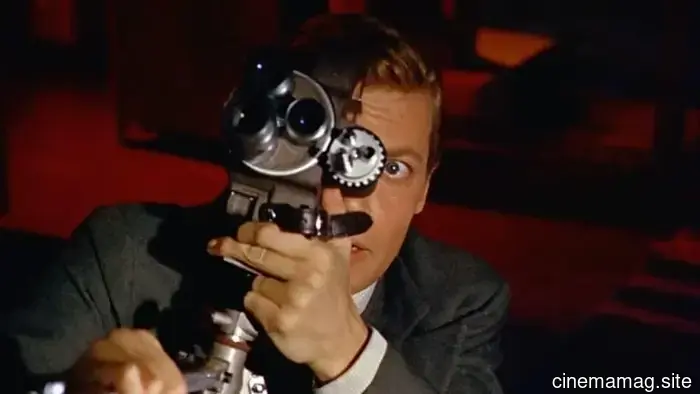
Peeping Tom (1960)
Credit: C/O
When conversing about voyeuristic films, this is often the next title mentioned after Rear Window.
Directed by Michael Powell, this British horror thriller — fresh on the Criterion Collection — follows the unnervingly creepy Mark Lewis (Carl Boehm) as a seemingly timid man who clandestinely films and kills women.
"The movies transform us into voyeurs," critic Roger Ebert noted in his review. "We sit in the darkness, observing other people's lives. It’s the deal that cinema makes with us, though most films are too refined to acknowledge it."
Martin Scorsese has remarked that this film, alongside Federico Fellini’s 8½, encapsulates “everything that can be said about filmmaking, concerning the process of interacting with film, the objectivity and subjectivity of it, and the blurring of those lines."
"8½ captures the allure and excitement of filmmaking, while Peeping Tom exposes its more aggressive side, illustrating how the camera intrudes," Scorsese articulated. "By studying them, one can gain insights into filmmakers or, at the very least, those who express themselves through film."
Body Double (1984)
Columbia Pictures – Credit: C/O
This quintessential ‘80s interpretation of voyeurism, directed by Brian De Palma, pays homage not only to Hitchcock’s Rear Window but also to his Vertigo.
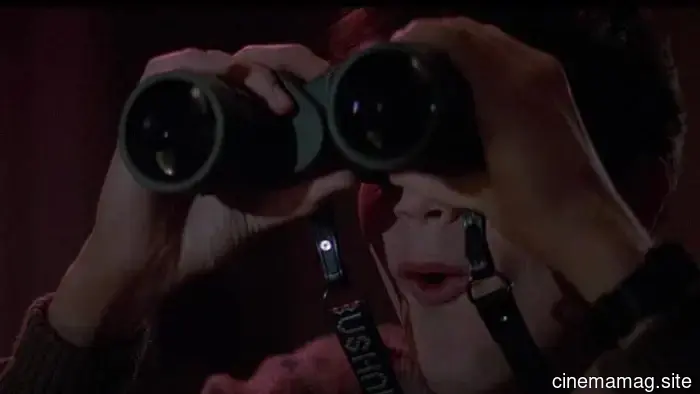
When aspiring actor Jake Scully (Craig Wasson) is entrusted with house-sitting a luxurious home in the Hollywood Hills, he discovers an unsettling perk of the job: he can watch a neighbor undress each night through a telescope.
However, after a violent event occurs, Scully begins to question everything and embarks on a journey into L.A.’s adult underbelly, culminating in an encounter with actress Holly Body, portrayed by the captivating Melanie Griffith.
Fright Night (1985)
Credit: C/O
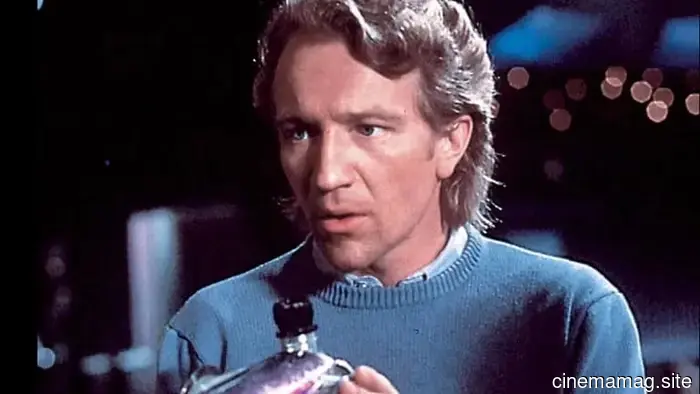
This classic ‘80s horror film by Tom Holland (not to be confused with the actor who plays Spider-Man) features William Ragsdale as Charley Brewster, a teenager obsessed with a horror television series who becomes convinced that his charming new neighbor (Chris Sarandon) is a vampire.
He recruits the assistance of the show’s host, a retired vampire hunter named Peter Vincent (Roddy McDowall). As it turns out, Charley has a knack for spotting danger.
This film is not only entertaining thanks to its clever supernatural spin on Rear Window but also due to the effective practical effects that were a signature of the ‘80s, created by Richard Edlund, who had just experienced success with Ghostbusters.
The Burbs (1989)
Universal Pictures – Credit: C/O
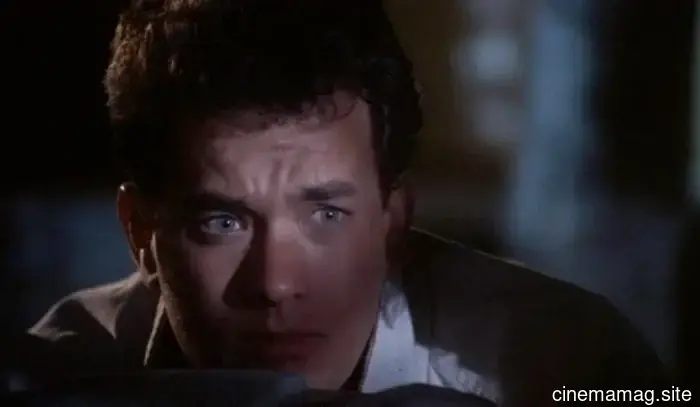
The premise of The Burbs shares similarities with Fright Night; however, it leans heavily into dark comedy.
Directed by Joe Dante of Gremlins fame, the film stars Tom Hanks (above) as Ray Peterson, a suburban man who begins to suspect that his new neighbors, the Klopeks, are engaging in ritualistic murders. His wife Carol (Carrie Fisher) remains skeptical.
As Ray grows more convinced of his suspicions, the situation escalates, and many around him believe he is losing his grasp on reality.
The Lives of Others (2006)
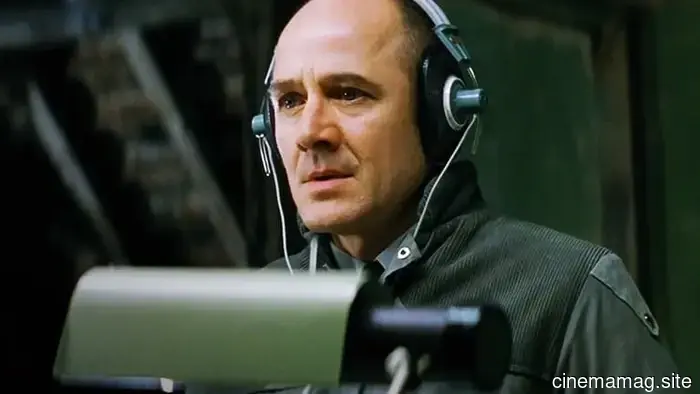
Buena Vista International – Credit: C/O
This Oscar-winning Best Foreign Language Film, directed by Florian Henckel




Other articles
 Star Wars creators as Backrooms and Obsession achieve impressive box office results.
This weekend at the box office, Star Wars: The Mandalorian and Grogu have not been defeated by The Galactic Empire or another Disney property, but rather by a surge of Gen Z moviegoers attending in large numbers to enjoy...
Star Wars creators as Backrooms and Obsession achieve impressive box office results.
This weekend at the box office, Star Wars: The Mandalorian and Grogu have not been defeated by The Galactic Empire or another Disney property, but rather by a surge of Gen Z moviegoers attending in large numbers to enjoy...
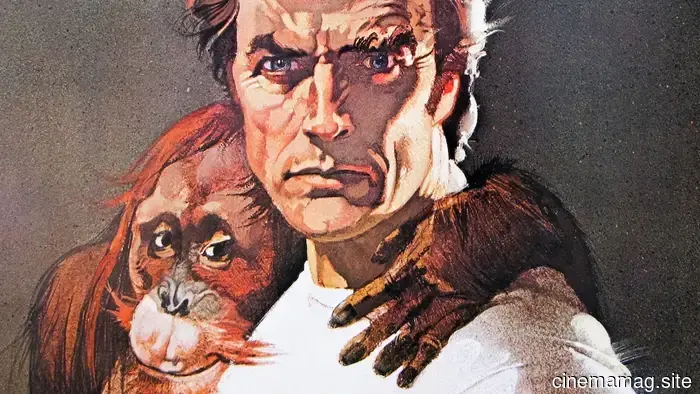 Underrated Films Starring Clint Eastwood: Tightrope
Here are twelve of Clint Eastwood's most overlooked films.
Underrated Films Starring Clint Eastwood: Tightrope
Here are twelve of Clint Eastwood's most overlooked films.
 The 12 Most Voyeuristic Films We've Ever Encountered
These are the most voyeuristic films we've ever encountered. They enjoy observing — and being observed.
The 12 Most Voyeuristic Films We've Ever Encountered
These are the most voyeuristic films we've ever encountered. They enjoy observing — and being observed.
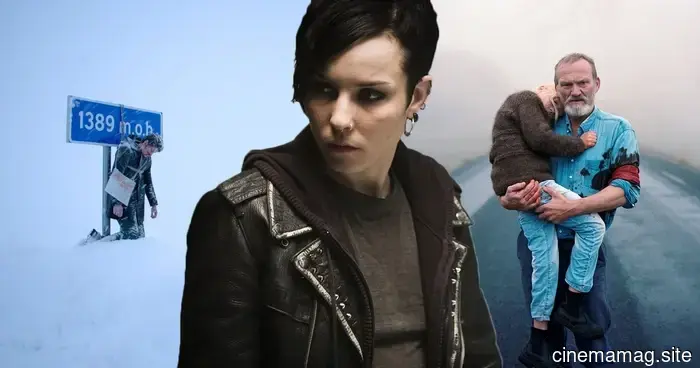 8 Must-Watch Nordic Noir Films
We travel through the Nordic region to present a curated list of must-see and dark noir films. Featuring wintry settings characterized by cold, stark, and gray vistas, Nordic cinema excels in various aspects…
8 Must-Watch Nordic Noir Films
We travel through the Nordic region to present a curated list of must-see and dark noir films. Featuring wintry settings characterized by cold, stark, and gray vistas, Nordic cinema excels in various aspects…
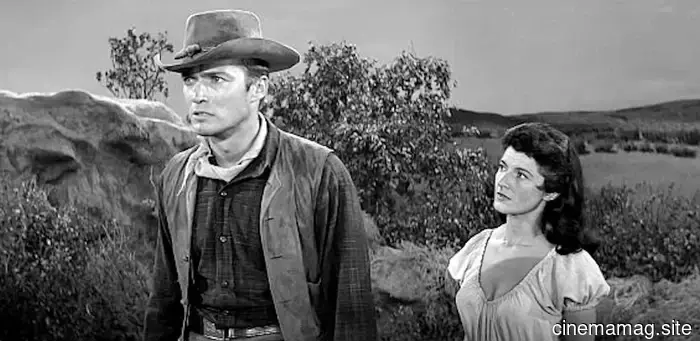 5 Stars from the 1950s Who Are Still Thriving Today
The stars of the 1950s continue to thrive, including Clint Eastwood, who is celebrating his 96th birthday today.
5 Stars from the 1950s Who Are Still Thriving Today
The stars of the 1950s continue to thrive, including Clint Eastwood, who is celebrating his 96th birthday today.
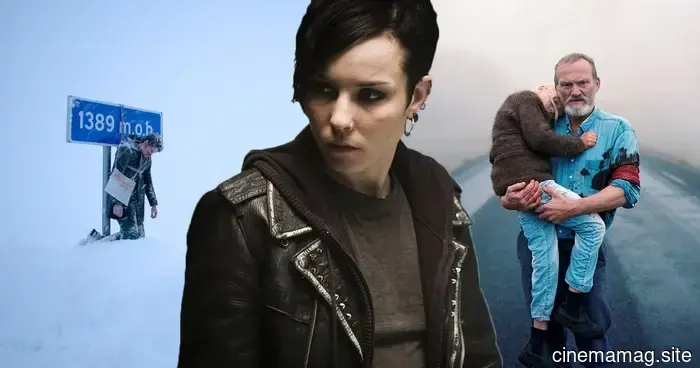 8 Must-See Nordic Noir Films
We travel through the Nordic region to present you with a collection of must-see and dark noir films... Featuring wintry settings with cold, stark, and gray scenery. Nordic cinema has its own unique style...
8 Must-See Nordic Noir Films
We travel through the Nordic region to present you with a collection of must-see and dark noir films... Featuring wintry settings with cold, stark, and gray scenery. Nordic cinema has its own unique style...
The 12 Most Voyeuristic Films We've Ever Watching
These are the most voyeuristic films we've ever encountered. They enjoy observing — and being observed.