
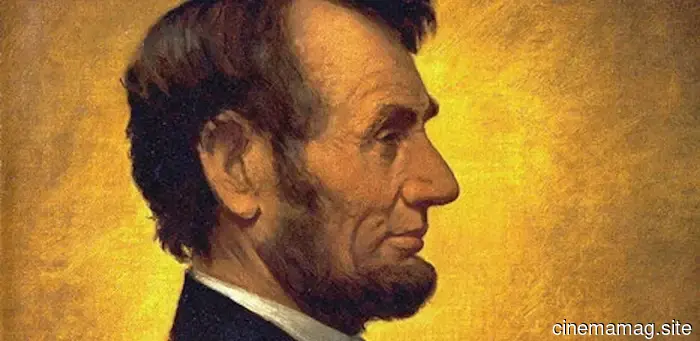
5 Unpleasant Facts About Abraham Lincoln That People Prefer to Avoid Discussing
Abraham Lincoln was an American icon—albeit a flawed one. As we honor him, it is crucial to confront some harsh realities that mirror the era in which our 16th president lived.
President Lincoln took a decisive and courageous stance for his time, and he was certainly more progressive compared to many of his white peers.
However, it is also important to recognize the true history of our country, rather than just the most optimistic narrative. Below are some uncomfortable truths about Lincoln that accompany the commendable aspects of his legacy.
Lincoln Prioritized Preserving the Union Over Ending Slavery
Lincoln’s primary objective during his presidency, which began just before the Civil War erupted in 1861, was to maintain the Union—not to emancipate enslaved individuals.
Historian Christopher Bonner from the University of Maryland states in Netflix's documentary Amend: “Lincoln recognizes that slavery is unjust, which is a good starting point. But he asserts that if I could save the Union without freeing a single slave, I would.”
“He needed to restore the South, and at that moment, he was willing to do whatever was necessary to achieve victory, even at the cost of Black Americans,” Bonner notes regarding Lincoln’s mindset at that time.
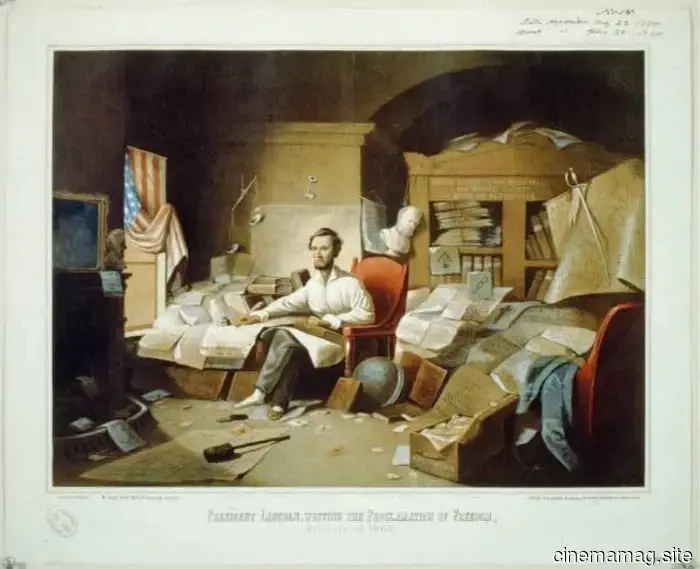
You don’t have to solely rely on the documentary; Lincoln’s letter from August 22, 1862, explicitly mentions: “If I could save the Union without freeing any slave I would do it, and if I could save it by freeing all the slaves I would do it; and if I could save it by freeing some and leaving others alone I would also do that.”
He Did Not Always See People of Color as Equals
In 1861, Lincoln invited a group of African-American leaders to the White House, as noted by Eric Foner, a historian at Columbia University. However, rather than discussing racial equality, he further emphasized their subordinate status.
In Amend, Pedro Pascal reads excerpts from Lincoln’s address on that occasion.
“Your race is suffering, in my opinion, the greatest injustice inflicted upon any people,” he said. “But even once you cease to be enslaved, you are still far from being placed on an equal footing with the white race.”
Lincoln Associated the Civil War with Black Americans
In his earlier address, Lincoln further stated:
“Reflect on what we know to be the truth, if it weren't for your race among us, there would be no war.”
Again, you do not need to rely solely on Netflix for this information. Here is a link to a primary source, “Lincoln’s Address on Colonization to a Deputation of Colored Men.”
Lincoln Proposed Relocating Freed Black Americans to a Colony in Central America
Lincoln once contemplated the idea of removing Black people entirely from the U.S.
He stated: “There is a reluctance on the part of our people, harsh though it may be, for you, free colored individuals, to remain alongside us. It would be better for both of us to separate. The location I have in mind for a colony is Central America.”
Bonner emphasizes, “Lincoln is grappling with the persistent uncertainty among Black people about whether they could truly belong in this country. He suggests, we all recognize that equality is what this nation should represent, but the reality is that racial equality isn’t going to materialize, so adapt accordingly.”
Additional Insights
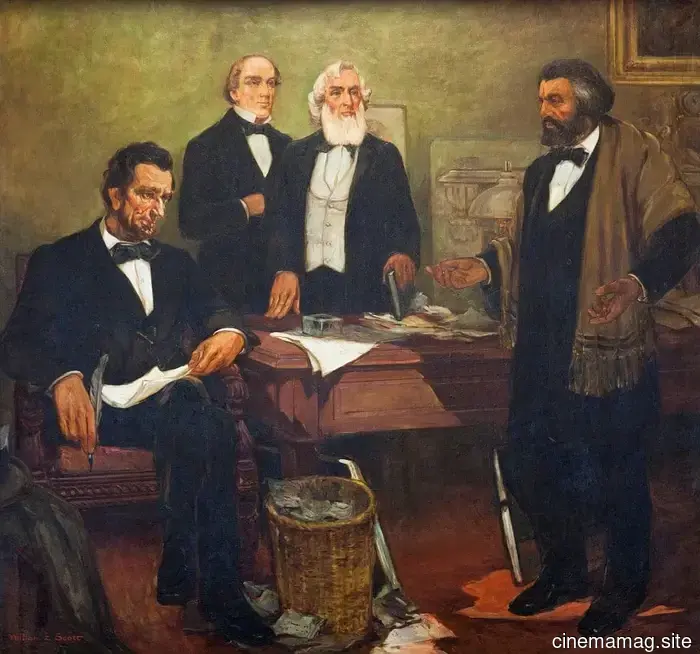
A mural of Abraham Lincoln and Frederick Douglass by William Edouard Scott, displayed in the Recorder of Deeds building, completed in 1943. Library of Congress. – Credit: C/O
Frederick Douglass, the renowned abolitionist who traveled widely to share his experience as a formerly enslaved person, was furious with Lincoln, as noted by Bonner.
His approach? To persuade Lincoln that he needed the support of Black Americans to secure victory in the war, thus advocating for them to be viewed as equals.
Douglass contended that Lincoln could not win the war without abolishing slavery and asserted that Black men were vital to the war effort, stating that those "who would be freed themselves must strike the blow." His reasoning was that if Black men fought and died for their country, they should be recognized as citizens. (The painting above portrays Douglass advocating for Lincoln to allow Black men to serve in the Union Army.)
“Douglass is convinced they will demonstrate their citizenship, that they deserve rights, and that they are entitled to legal equality,” Bonner remarks.
The Primary Motivation Behind Abraham Lincoln Signing the Emancipation Proclamation? Winning the War
Douglass’ strategy succeeded: Although Lincoln at that time could not “envision the United States as a biracial society,” as Foner points out, “his views began to evolve significantly.”
Foner adds: “The Emancipation Proclamation was issued as a military measure. Its purpose was to assist in winning the war.”
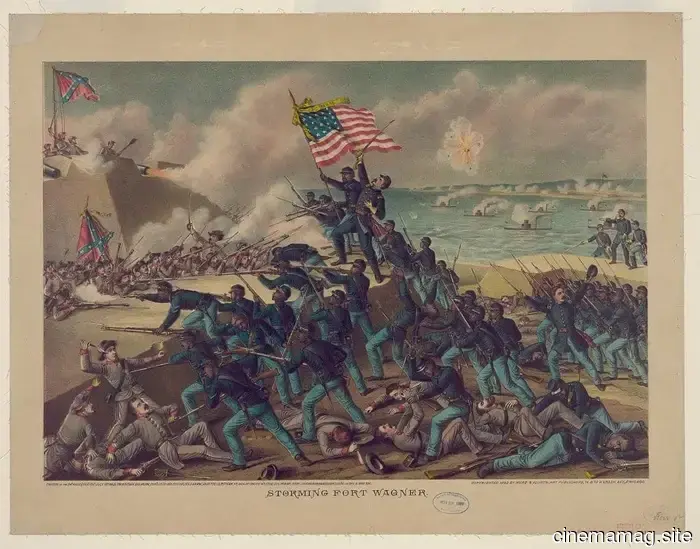
The painting above illustrates the 54th Massachusetts Regiment, the first all-Black Union regiment,
Other articles
 Comic Book Sneak Peek – The Deadman #1
DC Comics will be releasing The Deadman #1 on Wednesday, and you can view the official preview of the issue below... THE ALL-STAR CREATORS BEHIND 2025’S SUCCESSFUL MINISERIES SUPERMAN: THE KRYPTONITE SPECT…
Comic Book Sneak Peek – The Deadman #1
DC Comics will be releasing The Deadman #1 on Wednesday, and you can view the official preview of the issue below... THE ALL-STAR CREATORS BEHIND 2025’S SUCCESSFUL MINISERIES SUPERMAN: THE KRYPTONITE SPECT…
 Sam Worthington is on the run in the trailer for Harlan Coben's I Will Find You.
Netflix has unveiled a new trailer for its forthcoming thriller series I Will Find You, starring Sam Worthington (Avatar: Fire and Ash) as a father who breaks out of prison to search for his son, who is thought to be dead.
Sam Worthington is on the run in the trailer for Harlan Coben's I Will Find You.
Netflix has unveiled a new trailer for its forthcoming thriller series I Will Find You, starring Sam Worthington (Avatar: Fire and Ash) as a father who breaks out of prison to search for his son, who is thought to be dead.
 Quick Payout Casinos in Australia - A Review of 5 Leading Instant Withdrawal Casinos - MovieMaker Magazine
Recognized as one of the quick payout casinos in Australia, Lucky7 provides immediate withdrawals, reasonable bonus terms and conditions, along with a diverse selection of game titles.
Quick Payout Casinos in Australia - A Review of 5 Leading Instant Withdrawal Casinos - MovieMaker Magazine
Recognized as one of the quick payout casinos in Australia, Lucky7 provides immediate withdrawals, reasonable bonus terms and conditions, along with a diverse selection of game titles.
 Skeletor engages in endless running in Masters of the Universe – Skeletor: Until We Meet Again.
In anticipation of the Masters of the Universe movie's launch on June 5th [read our review here], Skeletor's cunning schemes for mobile supremacy have commenced with the debut of Skeletor: Until Next Time…
Skeletor engages in endless running in Masters of the Universe – Skeletor: Until We Meet Again.
In anticipation of the Masters of the Universe movie's launch on June 5th [read our review here], Skeletor's cunning schemes for mobile supremacy have commenced with the debut of Skeletor: Until Next Time…
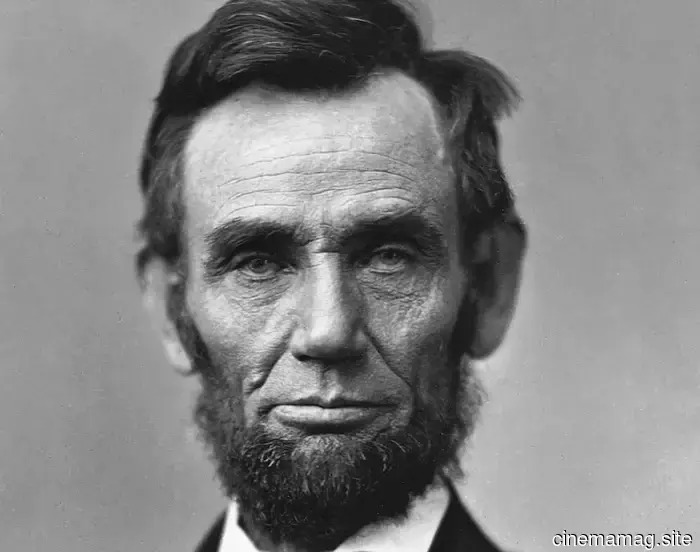
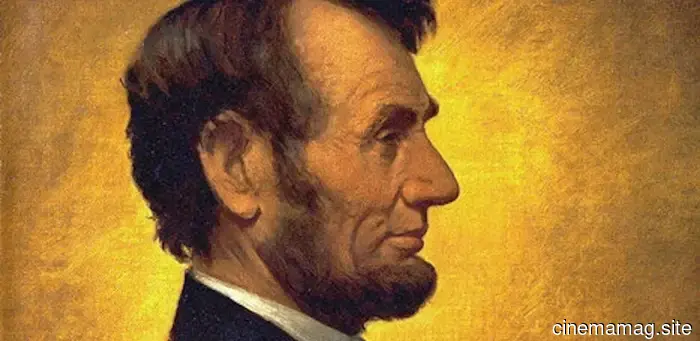 5 Unpleasant Facts About Abraham Lincoln That Are Often Avoided
Abraham Lincoln was an American hero, albeit a flawed one. As we commemorate him, let’s also recognize some harsh realities that mirror the era in which he lived.
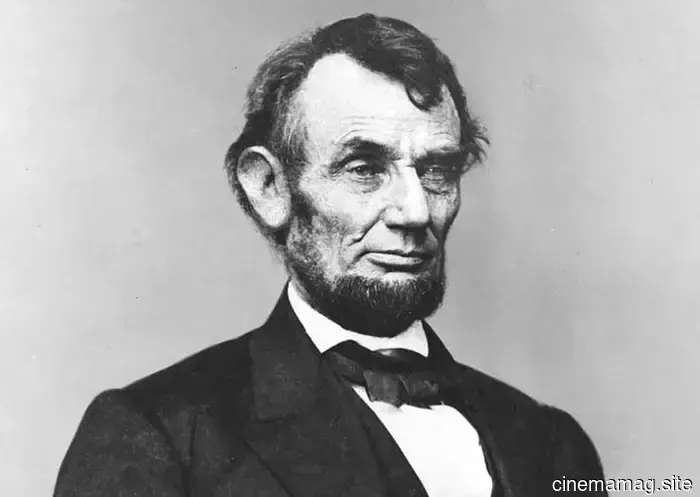
5 Unpleasant Facts About Abraham Lincoln That Are Often Avoided
Abraham Lincoln was an American hero, albeit a flawed one. As we commemorate him, let’s also recognize some harsh realities that mirror the era in which he lived.
 The latest Coyote vs. ACME ad parodies Avengers: Doomsday.
A new television advertisement for the Looney Tunes movie Coyote vs. ACME targets the enigmatic trailers for Avengers: Doomsday, parodying the phrase that has turned into one of the recent memes while hinting at…
The latest Coyote vs. ACME ad parodies Avengers: Doomsday.
A new television advertisement for the Looney Tunes movie Coyote vs. ACME targets the enigmatic trailers for Avengers: Doomsday, parodying the phrase that has turned into one of the recent memes while hinting at…
5 Unpleasant Facts About Abraham Lincoln That People Prefer to Avoid Discussing
Abraham Lincoln was an American hero, though not without his flaws. While we honor him, it's important to also recognize some harsh realities that are reflective of the era in which he lived.