
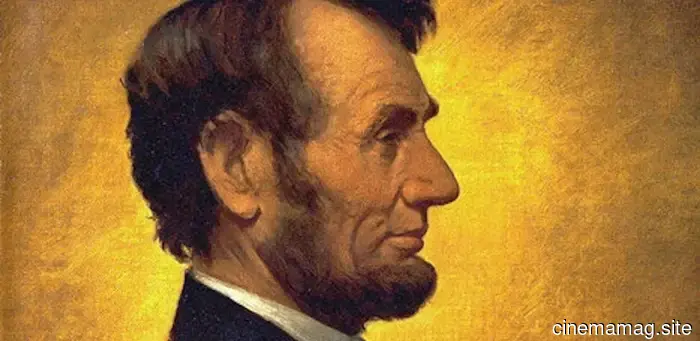
5 Unpleasant Facts About Abraham Lincoln That Are Often Overlooked
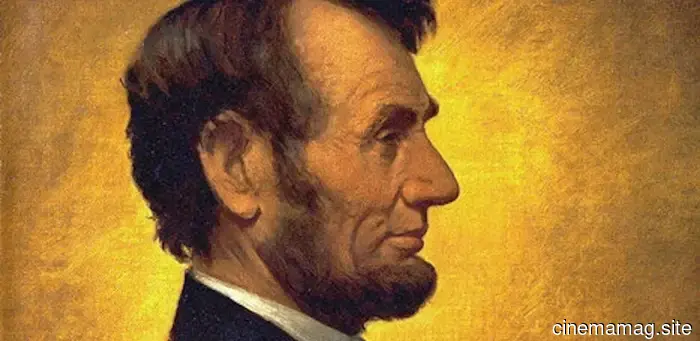
Abraham Lincoln is regarded as an American hero, though he had his shortcomings. As we honor his legacy, it’s important to confront some uncomfortable truths about the era in which our 16th president lived.
Lincoln took a significant and brave stance for his time and was undoubtedly ahead of many of his white peers in his views.
However, understanding the true history of our country requires looking beyond its more optimistic narratives. Below are some painful realities about Lincoln that accompany the more commendable aspects of his legacy.
Lincoln Prioritized Preserving the Union Over Ending Slavery
Lincoln's primary focus during his presidency, which began just before the Civil War erupted in 1861, was to maintain the Union rather than to emancipate enslaved individuals.
According to Christopher Bonner, a historian at the University of Maryland, in the documentary Amend on Netflix, Lincoln recognized that slavery was wrong, but he believed, “If I could save the Union without freeing any slaves, I would do so.”
As Smith points out, Lincoln was determined to restore the South and was willing to do whatever necessary to achieve victory, even if it came at the cost of Black Americans' freedom.
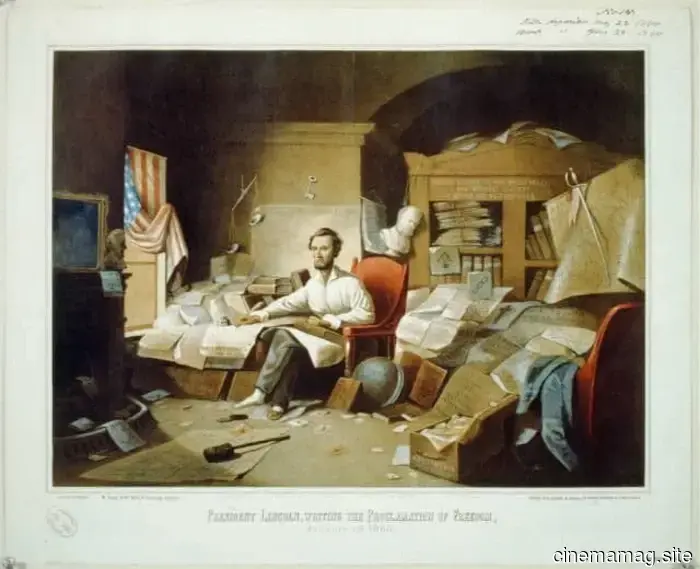
You don't have to rely solely on the documentary's interpretation; Lincoln’s letter from August 22, 1862 clearly states: “If I could save the Union without freeing any slave I would do it, and if I could save it by freeing all the slaves I would do it; and if I could save it by freeing some and leaving others alone I would also do that.”
He Didn't Always See People of Color as Equals
In 1861, Lincoln invited a group of African-American leaders to the White House, as noted by Eric Foner, a historian at Columbia University. Rather than fostering a conversation about racial equality, he emphasized their inferiority.
In the documentary, Pedro Pascal recounts Lincoln's words from that meeting: “Your race are suffering, in my judgment, the greatest wrong inflicted on any people. But even when you cease to be slaves, you are yet far removed from being placed on an equality with the white race.”
Lincoln Attributed the Civil War to Black Americans
In the same address, Lincoln stated: “Consider what we know to be the truth, but for your race among us, there could not be war.”
You can independently verify this through Lincoln’s Address on Colonization to a Deputation of Colored Men.
Lincoln Suggested Relocating Freed Black Americans to Central America
In another part of his address, Lincoln declared, “There is an unwillingness on the part of our people, harsh as it may be, for you, free colored people, to remain with us... It is better for us both, therefore, to be separated. The place I am considering for a colony is Central America.”
At one point, Lincoln envisioned removing Black individuals entirely from the United States.
Bonner explains that Lincoln's perspective reflected a deep-seated belief that true racial equality was unattainable in America, attempting to address the uncertainty faced by Black individuals about their place in the country.
Further Context
Frederick Douglass, the renowned abolitionist and former enslaved person, was outraged with Lincoln, as Bonner notes.
Douglass's strategy was to persuade Lincoln that Black Americans were crucial to winning the war, thereby pushing white Americans to accept Black individuals as equals.
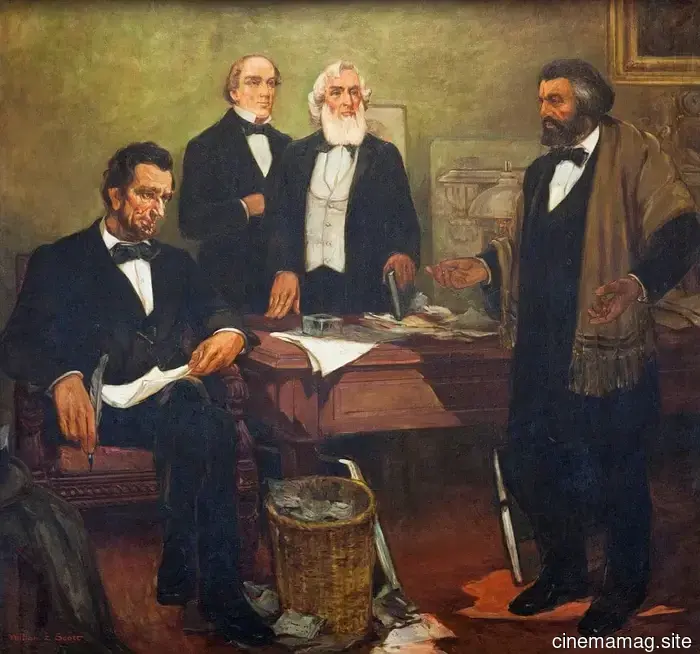
He contended that Lincoln couldn’t achieve victory without abolishing slavery and argued that Black men were vital to the war effort, asserting that those “who would be freed themselves must strike the blow.” His belief was that if Black men fought and died for their country, they deserved citizenship. (The accompanying image shows Douglass advocating for the inclusion of Black men in the Union Army.)
Bonner adds that Douglass was convinced they would demonstrate their citizenship and entitlement to rights and legal equality.
The Primary Reason Lincoln Signed the Emancipation Proclamation? To Win the War
Douglass’ approach proved effective: Although Lincoln at that time couldn’t envision the United States as a biracial society, as Foner indicates, his views eventually evolved substantially.
Foner states, “The Emancipation Proclamation was issued as a military measure. It was intended to assist in winning the war.”
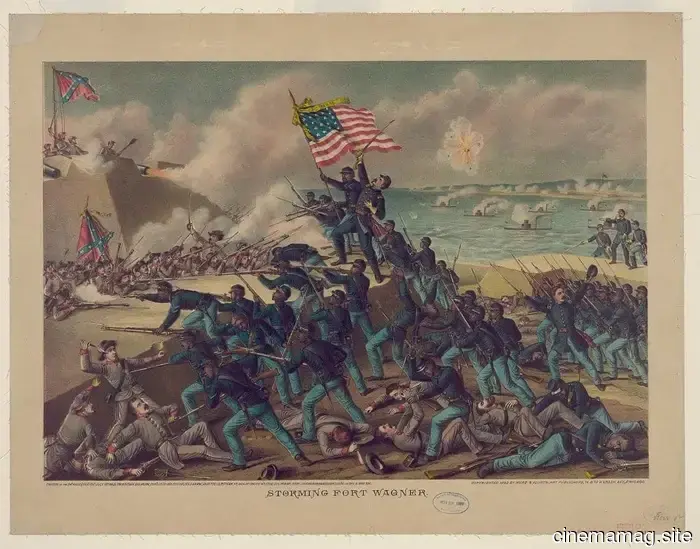
The painting illustrates the 54th Massachusetts Regiment, the first all-Black Union regiment, fighting for their freedom and country.
Disagree?
Please feel free to express your thoughts in the comments and share your sources. We welcome open discussions about our nation's history.
Thank You for Exploring These Uncomfortable Truths About Abraham Lincoln
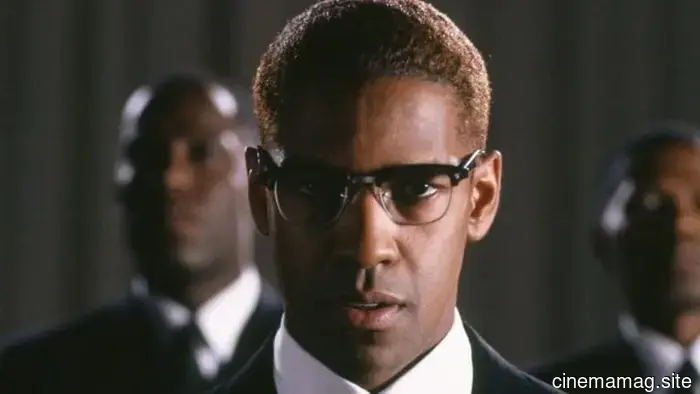
You may also appreciate checking out this collection of Based on a True Story Movies That Are Mostly True, including Malcolm X.
Amend: The Fight for America is currently available for streaming on Netflix.
Other articles
.jpg) Film Review – Carolina Caroline (2025)
Carolina Caroline, 2025. Directed by Adam Rehmeier. Featuring Samara Weaving, Kyle Gallner, Kyra Sedgwick, Jon Gries, Tommy G. Kendrick, P.J. Sosko, Gregg Gilmore, Jamald Gardner, Matthew Smitley, Ed F…
Film Review – Carolina Caroline (2025)
Carolina Caroline, 2025. Directed by Adam Rehmeier. Featuring Samara Weaving, Kyle Gallner, Kyra Sedgwick, Jon Gries, Tommy G. Kendrick, P.J. Sosko, Gregg Gilmore, Jamald Gardner, Matthew Smitley, Ed F…
 5 Unpleasant Facts About Abraham Lincoln That Are Often Avoided
Abraham Lincoln was an American hero, albeit a flawed one. As we commemorate him, let’s also recognize some harsh realities that mirror the era in which he lived.
5 Unpleasant Facts About Abraham Lincoln That Are Often Avoided
Abraham Lincoln was an American hero, albeit a flawed one. As we commemorate him, let’s also recognize some harsh realities that mirror the era in which he lived.
 Quick Payout Casinos in Australia - A Review of 5 Leading Instant Withdrawal Casinos - MovieMaker Magazine
Recognized as one of the quick payout casinos in Australia, Lucky7 provides immediate withdrawals, reasonable bonus terms and conditions, along with a diverse selection of game titles.
Quick Payout Casinos in Australia - A Review of 5 Leading Instant Withdrawal Casinos - MovieMaker Magazine
Recognized as one of the quick payout casinos in Australia, Lucky7 provides immediate withdrawals, reasonable bonus terms and conditions, along with a diverse selection of game titles.
 In the trailer for Adam Wingard's Onslaught, Adria Arjona faces off against super-soldiers.
A24 has unveiled the trailer for Adam Wingard’s Onslaught, the action-horror film from the director of Godzilla vs. Kong, which features Adria Arjona facing off against a rogue team of genetically modified super...
In the trailer for Adam Wingard's Onslaught, Adria Arjona faces off against super-soldiers.
A24 has unveiled the trailer for Adam Wingard’s Onslaught, the action-horror film from the director of Godzilla vs. Kong, which features Adria Arjona facing off against a rogue team of genetically modified super...
 Holt McCallany, Nathalie Emmanuel, Bruce Greenwood, and David Harewood star in the serial killer thriller Hyde.
Production has commenced on Hyde, a thriller centered around a serial killer, featuring Holt McCallany (Mindhunter), Nathalie Emmanuel (Game of Thrones), Bruce Greenwood (The Fall of the House of Usher), and David H…
Holt McCallany, Nathalie Emmanuel, Bruce Greenwood, and David Harewood star in the serial killer thriller Hyde.
Production has commenced on Hyde, a thriller centered around a serial killer, featuring Holt McCallany (Mindhunter), Nathalie Emmanuel (Game of Thrones), Bruce Greenwood (The Fall of the House of Usher), and David H…
 Anna Kendrick will direct The Seven Husbands of Evelyn Hugo.
Anna Kendrick, known for her roles in Pitch Perfect and A Simple Favor, is coming back to direct, this time adapting Taylor Jenkins Reid's novel The Seven Husbands of Evelyn Hugo for…
Anna Kendrick will direct The Seven Husbands of Evelyn Hugo.
Anna Kendrick, known for her roles in Pitch Perfect and A Simple Favor, is coming back to direct, this time adapting Taylor Jenkins Reid's novel The Seven Husbands of Evelyn Hugo for…
5 Unpleasant Facts About Abraham Lincoln That Are Often Overlooked
Abraham Lincoln is revered as an American hero, though not without his imperfections. As we honor his legacy, it is important to recognize certain harsh realities that mirror the era in which he lived.