
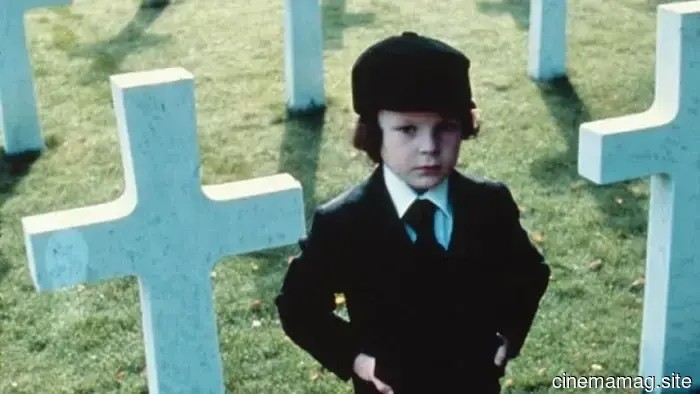
The Omen at 50: The Tale Behind the Masterpiece of Religious Horror
Hasitha Fernando discusses the story behind The Omen as it reaches its 50th anniversary…
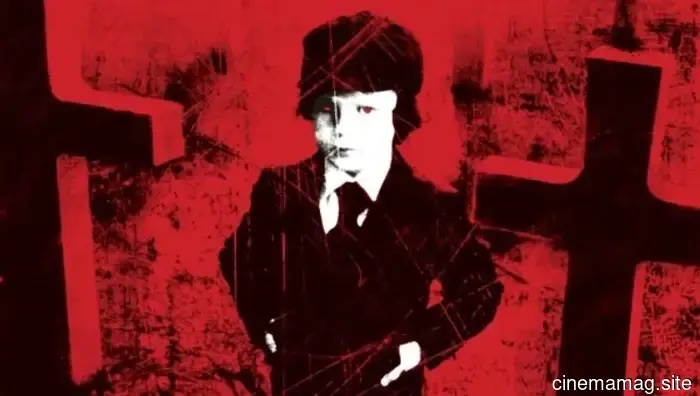
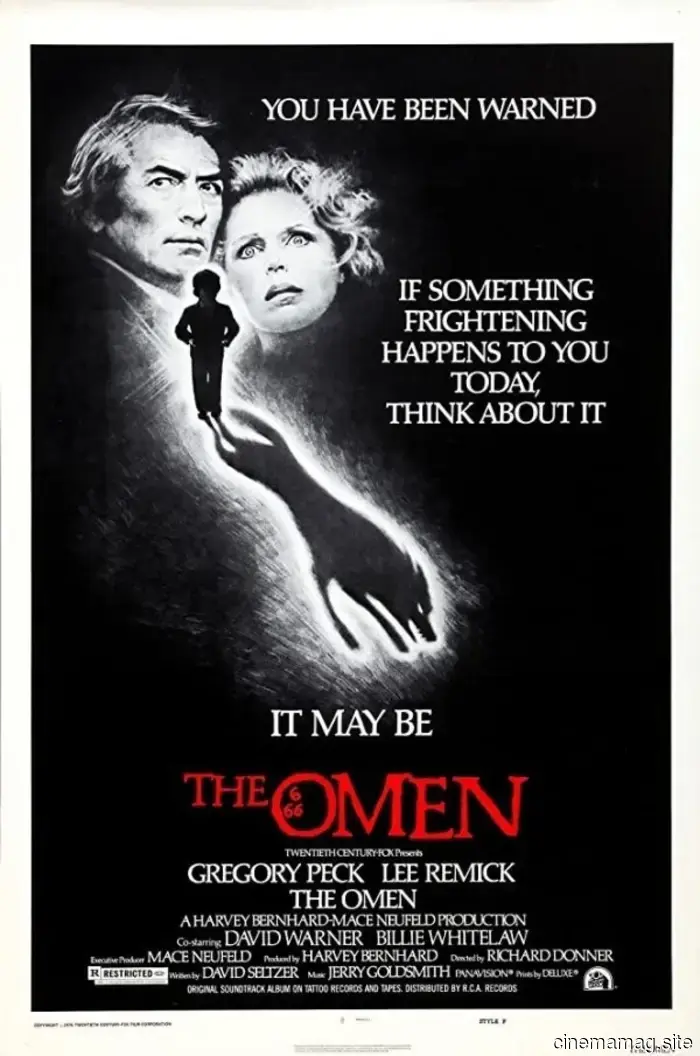
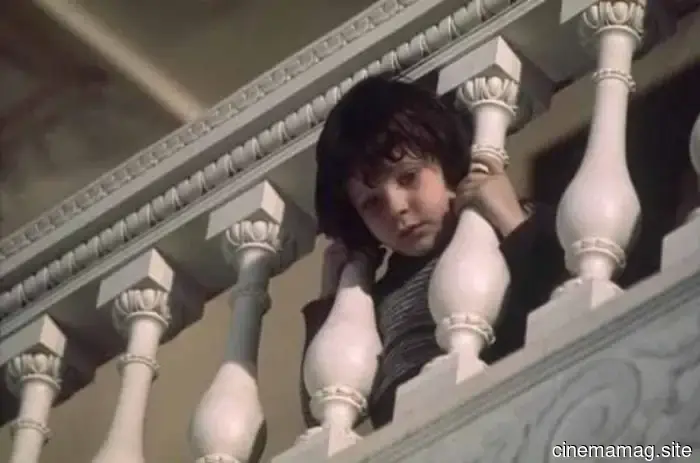
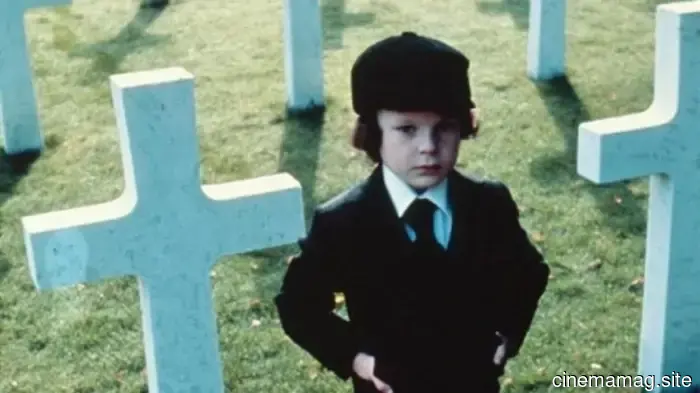
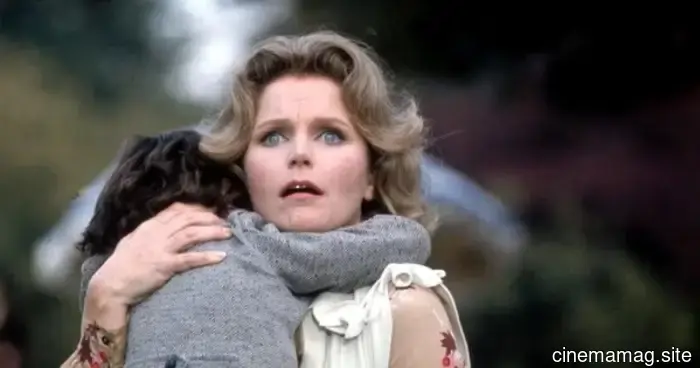
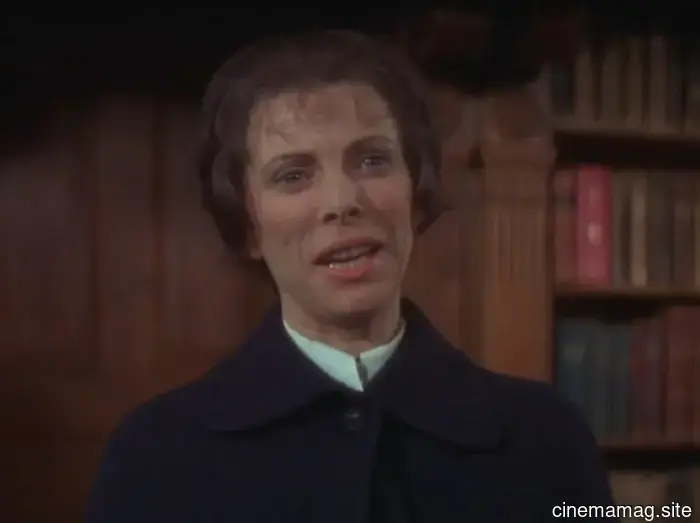
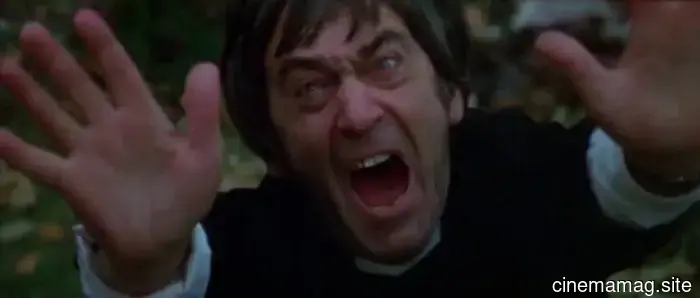
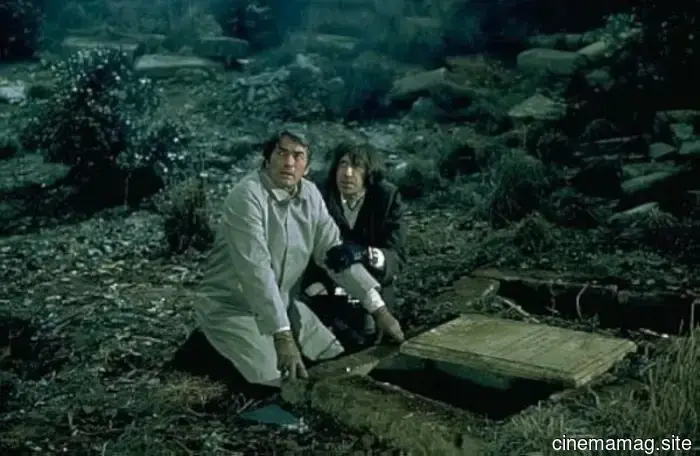
Religious horror is a niche that isn’t intended for those who are faint-hearted. From the very beginning, you are immersed in a wicked realm of blasphemy and shadow that interrogates your core beliefs. Over the years, various filmmakers have created many unforgettable religious horror films, and among the classics that include titles like The Exorcist and Rosemary’s Baby, The Omen holds its own. As this horror classic marks its 50-year milestone, we reflect on the film's production and the behind-the-scenes turmoil that occurred…
Davis Seltzer penned the script due to financial necessity.
American producer Harvey Bernhard conceived the idea of a feature film centered on the Antichrist after a thought-provoking conversation about the Holy Bible with his close friend Bob Munger. Excited by Munger’s suggestion, Bernhard promptly reached out to screenwriter David Seltzer to develop a script that would bring the concept to life. Seltzer, who had previously contributed to several genre films, including an uncredited rewrite of Willy Wonka & the Chocolate Factory, was initially reluctant to engage with this project upon receiving the call. Nonetheless, he agreed to proceed due to his dire financial situation and noted in an interview, “I did it strictly for the money. I was flat broke. I find it quite horrifying how many people buy into all this nonsense.” Seltzer also mentioned that he chose London as the film's setting because he wanted to visit England at that time. The screenwriting process ended up taking about a year, which was longer than Seltzer initially anticipated. He wrote a novelization of the film simultaneously with the screenplay, making minor adjustments to the film's story, and it was released two weeks before The Omen debuted.
The Omen marked Richard Donner’s first successful film both critically and commercially.
Richard Donner gained a reputation for his exceptional ability to create Hollywood blockbusters. He began his journey by directing episodes for television series like The Fugitive, The Twilight Zone, and The Man from U.N.C.L.E. His feature film debut was an inexpensive aviation drama called X-15, which received favorable reviews from critics. However, it was The Omen that propelled his career into the stratosphere, leading to iconic projects like the groundbreaking superhero film Superman, the coming-of-age adventure The Goonies, and the Lethal Weapon franchise. When producer Alan Ladd Jr. took over The Omen, which had been stagnating in development, he suggested Donner direct the film. Although initially anxious about the film's themes, Donner quickly set aside his fears and persevered to deliver a timeless horror classic.
Richard Donner and David Seltzer had differing views on the screenplay adjustments.
Once Donner joined the project, he proposed certain changes to Seltzer's screenplay, primarily asking to eliminate all explicit supernatural elements, such as witches and demonic beings, to maintain ambiguity about whether Damien was indeed the Antichrist or if the violent deaths were merely unfortunate occurrences. Seltzer strongly opposed this idea and was relieved to find that producer Harvey Bernhard shared his views. Ultimately, Donner had to proceed with Seltzer's original version. Regardless, it is evident that Donner and his crew successfully delivered a compelling final product, evidenced by the acclaim it received from both critics and audiences.
Gregory Peck accepted a significant pay reduction to take part in the film.
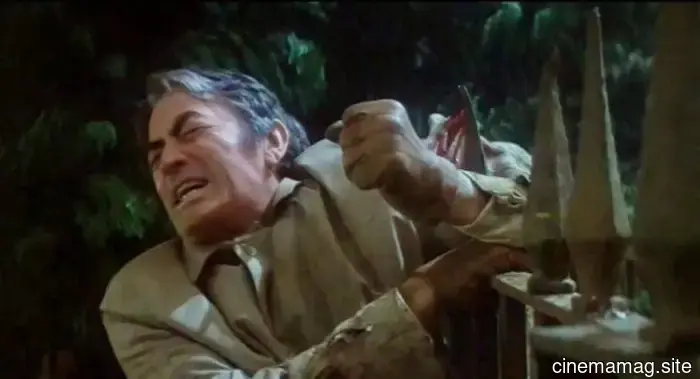
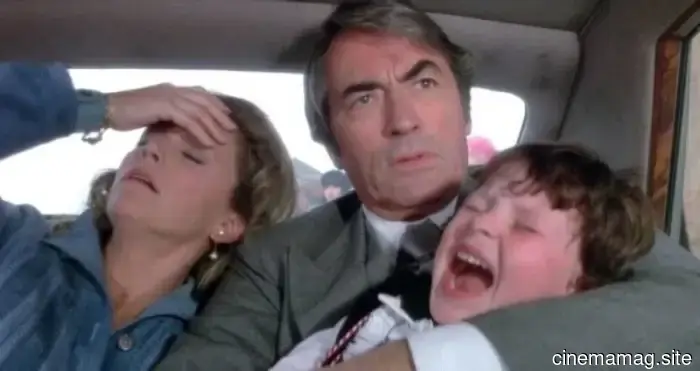
Gregory Peck was undoubtedly one of Hollywood's most prominent figures in the past. Renowned for portraying virtuous and morally upright characters, his Academy Award-winning role as Atticus Finch in 1962's To Kill a Mockingbird remains particularly memorable. Other significant highlights of his career include Spellbound, The Guns of Navarone, Cape Fear, and A Roman Holiday. Peck was largely retired when he learned about this project through his agent, who had a connection to Harvey Bernhard. After reading Seltzer’s script, Peck agreed to portray Ambassador Robert Thorn, believing in the potential of the film as a psychological thriller rather than a straight horror movie. His unexpected commitment added significant value to the production, facilitating a smoother casting process for the rest of the cast.
One pivotal reason Peck chose to depict a father wracked with guilt was the tragic loss of his son Jonathan to suicide in 1975. Numerous biographies reveal that he took a substantial salary cut to ensure the film went ahead, in exchange for a deal where he would receive 10% of the movie's box-office gross. This decision turned out to be fortuitous for Peck, as The Omen became a massive success, grossing over $60 million in the U.S. alone and making it the highest-paying project of his career. Other actors considered for the role included Oliver Reed, William Holden, Charlton Heston, Charles Bronson, Dick Van Dyke, and Roy Scheider.
More than
Other articles
 Emmy Rossum is enraged in the trailer for Hulu's thriller about a serial killer.
Hulu has unveiled the trailer for the 8-episode thriller Furious, featuring Emmy Rossum (The Day After Tomorrow) as FBI agent Alice Black, who is on the hunt for a mysterious and calculating serial killer.
Emmy Rossum is enraged in the trailer for Hulu's thriller about a serial killer.
Hulu has unveiled the trailer for the 8-episode thriller Furious, featuring Emmy Rossum (The Day After Tomorrow) as FBI agent Alice Black, who is on the hunt for a mysterious and calculating serial killer.
 The Army constructs the Battle of Geonosis with Hasbro's newest multipacks of action figures from Star Wars: The Vintage Collection.
Fans of the Prequel Trilogy who wish to enhance their Clone Wars armies and recreate the Battle of Geonosis from Star Wars: Episode II – Attack of the Clones will be thrilled to explore the latest Star…
The Army constructs the Battle of Geonosis with Hasbro's newest multipacks of action figures from Star Wars: The Vintage Collection.
Fans of the Prequel Trilogy who wish to enhance their Clone Wars armies and recreate the Battle of Geonosis from Star Wars: Episode II – Attack of the Clones will be thrilled to explore the latest Star…
The Omen at 50: The Tale Behind the Masterpiece of Religious Horror
Hasitha Fernando discusses the backstory of The Omen as it celebrates its 50th anniversary... Religious horror is a subgenre that isn't intended for those lacking mental fortitude. Right from the start, you find yourself immersed in a sinister realm of profane...