
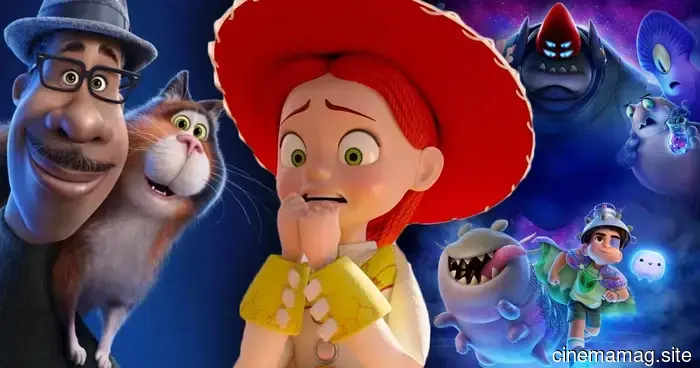
Pixar Does Not Struggle with Originality, but with Universality.
Joseph Jenkinson discusses the "originality problem" at Pixar and the evolution of its storytelling priorities…
Pixar built its reputation on a seemingly endless series of original narratives. Except for a few returns to the Toy Story universe, the years from 1995 to 2010—often seen as the studio’s golden period—were characterized by a succession of beloved films that engaged audiences across generations. However, in recent years, sequels and prequels have increasingly dominated Pixar’s releases.
This has led to growing criticism from filmgoers. Once celebrated as the industry’s most dependable source of innovative stories, Pixar is frequently accused of leaning too heavily on established franchises. It is possible, though, that the real issue is not that Pixar has exhausted original ideas, but rather that the types of narratives being told have shifted.
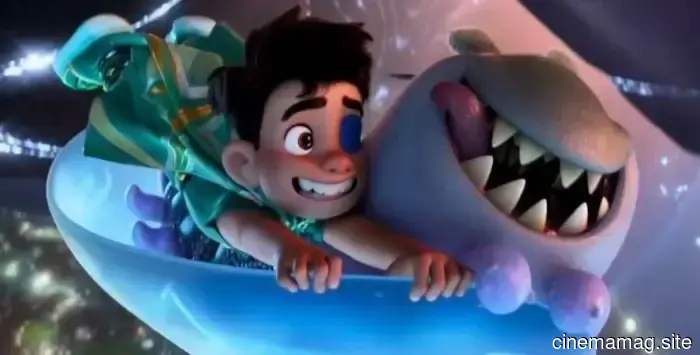
Lately, Pixar’s original films have been less successful at the box office compared to earlier works. The COVID-19 pandemic cut short Onward's theatrical run, while Soul, Luca, and Turning Red were all directed to Disney+. Lightyear resulted in losses exceeding $100 million for Disney, Elemental had a slow start before eventually finding an audience, and Elio recorded the lowest opening weekend in the studio's history ($21 million).
A BBC Culture piece suggests that Elio's failure indicates that "it’s much more challenging for films to succeed if they aren’t sequels or prequels […] or some unholy combination of the above." Indeed, Pixar’s most notable recent successes have stemmed from familiar franchises. Inside Out 2 emerged as the biggest film of 2024 and one of the highest-grossing animated films to date, while Toy Story continues to showcase the lasting appeal of its characters with its fifth installment, released nearly thirty years after the original.
It is simple to attribute this trend to nostalgia; audiences naturally gravitate toward familiar worlds and characters they cherish. However, mere familiarity does not account for why Pixar’s original films once enjoyed the same level of cultural dominance. There was a time when viewers embraced new concepts with equal enthusiasm as they now do for sequels.
So, if Pixar continues to craft original stories, why do they seem to resonate differently now?
One user expressed their disappointment about Elio and Pixar's original works post-COVID on X:
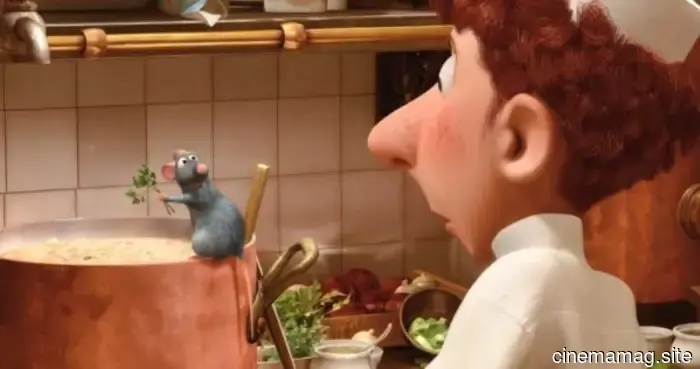
Pixar used to ask “What if toys had feelings?” or “What if rats cooked?” Now it’s more like “What if a socially awkward 13-year-old faced trauma?” It’s as if they forgot the assignment.
While this criticism might be simplistic, it brings attention to a notable change in Pixar’s storytelling approach. The classic Pixar period from 1995 to 2010 often began with high-concept ideas that were immediately accessible to audiences.
Audiences were certainly drawn to Pixar's technical advancements, like the photo-realistic ocean in Finding Nemo and the detailed rust on Wall-E. Still, what distinguished the studio was its knack for reflecting the human experience through absurd concepts.
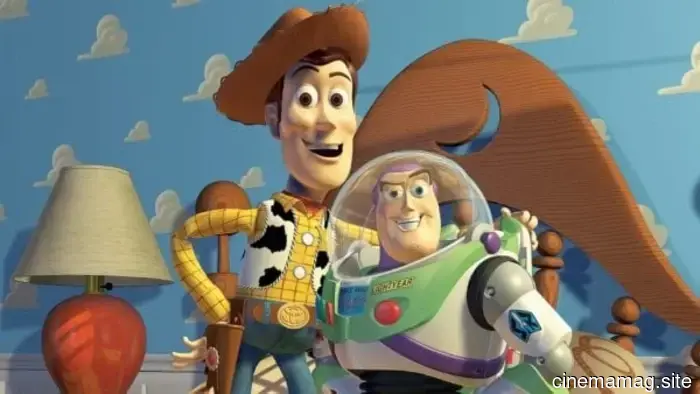
Toy Story was not merely about toys but about the fear of being replaced. Ratatouille transcended cooking to explore the pursuit of one’s passions, regardless of background or family support. These fantastical ideas welcomed audiences, while their emotional depth ensured lasting impact.
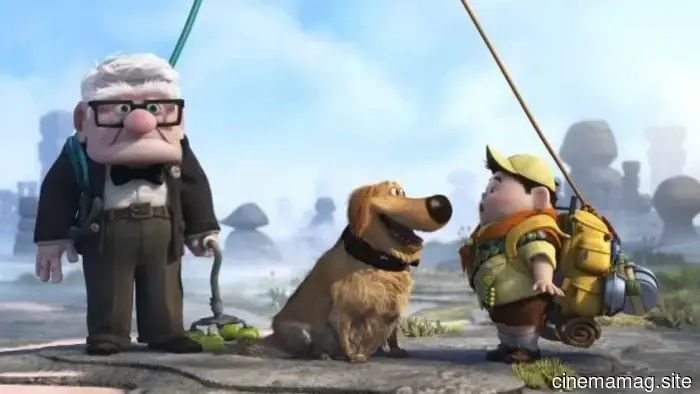
Yet, there is a downside. Although these themes are substantial, especially in films aimed primarily at children and families, the earlier movies maintained a playful, colorful, and whimsical nature. Up examined grief and letting go, but it introduced viewers to a house floating in the sky attached to balloons first.
From Universal to Personal
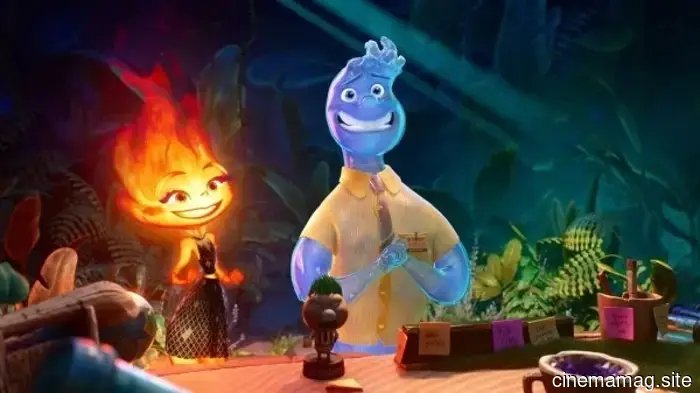
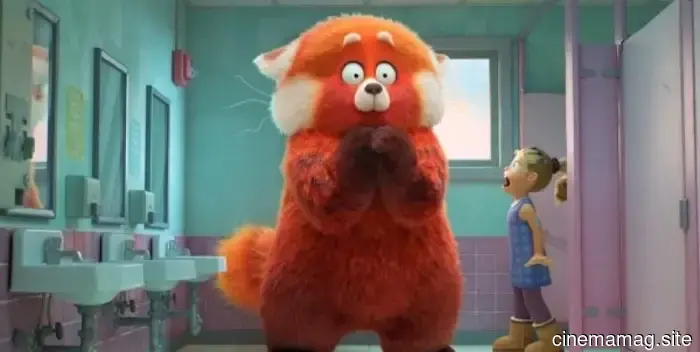
Recent Pixar films like Onward, Turning Red, Elemental, and Elio are centered around deeply personal emotional experiences. Onward delves into grief and parental loss; Turning Red addresses puberty and generational trauma; Elemental reflects on immigration and cultural assimilation; and Elio focuses on feelings of loneliness and the urge to belong.
These are all valuable themes, suggesting that modern Pixar isn't overly emotional. Pixar has always explored emotions. The difference now is that these emotions often take center stage in the narrative rather than developing organically from the premise.
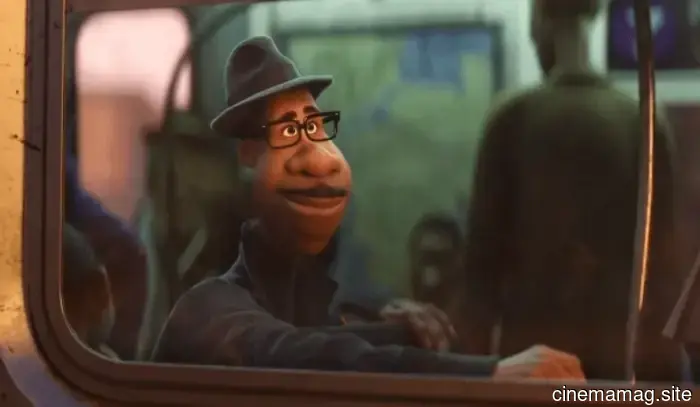
Soul, for instance, is one of Pixar’s strongest offerings of the 2020s. It addresses themes similar to the existential musings of Toy Story, following Joe Gardner, a struggling musician who dies unexpectedly before realizing his lifelong dream. Upon its release, many critics viewed it as a return to form for the studio.
Ironically, Soul illustrates the challenges contemporary Pixar faces. Its themes of purpose and self-worth resonate significantly with adults questioning their life paths. Unlike Toy Story, Soul foregrounds these themes directly.
When placing Joe Gardner’s fears about never achieving his dreams alongside Woody's anxiety about being replaced by Buzz Lightyear, both stories grapple with remarkably similar fears. However, Toy Story wraps these concepts within a light-hearted premise everyone can grasp, while Soul requires audiences to confront its philosophical inquiries directly.
Turning Red presents a similar case. Director Domee Shi drew heavily
Other articles
 Comic Book Sneak Peek – What If…? Secret Wars #1
What would happen if the Ultimate Universe continued to exist after the Secret Wars? That is the question raised in the upcoming What If…? Secret Wars #1, and you can catch a glimpse of the answer…
Comic Book Sneak Peek – What If…? Secret Wars #1
What would happen if the Ultimate Universe continued to exist after the Secret Wars? That is the question raised in the upcoming What If…? Secret Wars #1, and you can catch a glimpse of the answer…
 4K Ultra HD Review – Mortal Kombat Collection
Mortal Kombat Kollection, directed by Paul W.S. Anderson and John R. Leonetti, features a cast that includes Christopher Lambert, Cary-Hiroyuki Tagawa, Linden Ashby, Bridgette Wilson, Robin Shou, Trevor Goddard, Talisa Soto, and others.
4K Ultra HD Review – Mortal Kombat Collection
Mortal Kombat Kollection, directed by Paul W.S. Anderson and John R. Leonetti, features a cast that includes Christopher Lambert, Cary-Hiroyuki Tagawa, Linden Ashby, Bridgette Wilson, Robin Shou, Trevor Goddard, Talisa Soto, and others.
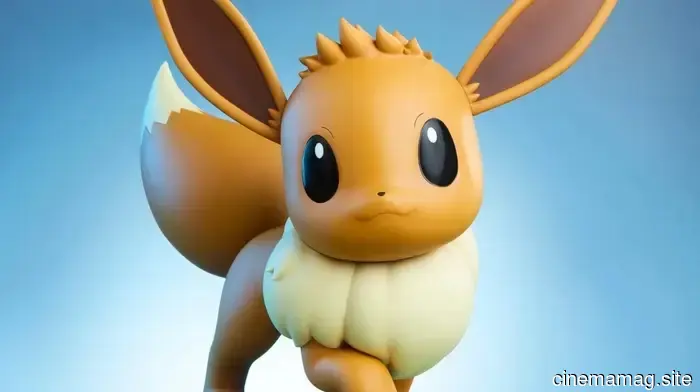 Eevee is added to Sideshow’s collection of life-size Pokémon figures.
Sideshow has revealed a life-size Eevee figure that draws inspiration from the appearance of the beloved Pokemon in the animated series. The collectible measures nearly 14 inches in height and is available…
Eevee is added to Sideshow’s collection of life-size Pokémon figures.
Sideshow has revealed a life-size Eevee figure that draws inspiration from the appearance of the beloved Pokemon in the animated series. The collectible measures nearly 14 inches in height and is available…
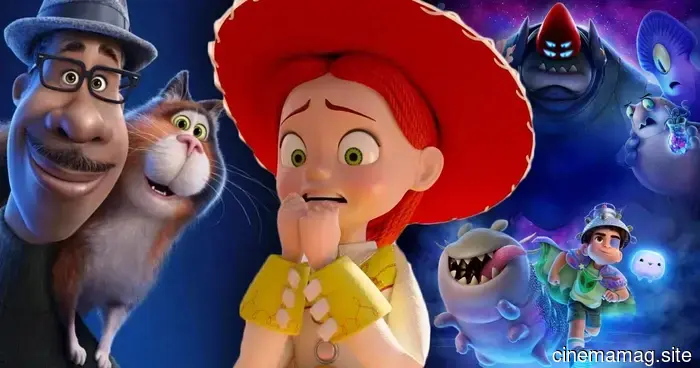 Pixar Doesn’t Struggle with Originality, It Faces a Universality Issue
Joseph Jenkinson discusses Pixar's "originality problem" and the evolution of its storytelling focus. Pixar built its renown with a seemingly continuous stream of original narratives.
Pixar Doesn’t Struggle with Originality, It Faces a Universality Issue
Joseph Jenkinson discusses Pixar's "originality problem" and the evolution of its storytelling focus. Pixar built its renown with a seemingly continuous stream of original narratives.
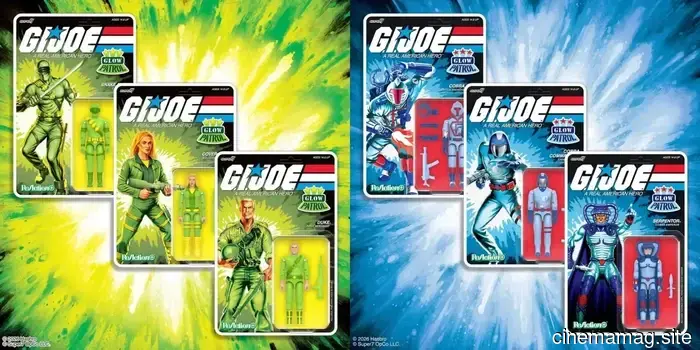 Super7 introduces G.I. Joe Glow Patrol at JoeFest, featuring exclusive ReAction+ figures.
Super7 is bringing back the glow-in-the-dark G.I. Joe: A Real American Hero Glow Patrol subtheme for JoeFest this weekend in Augusta, Georgia, unveiling two new G.I. Joe and Cobra-themed 3-packs featuring...
Super7 introduces G.I. Joe Glow Patrol at JoeFest, featuring exclusive ReAction+ figures.
Super7 is bringing back the glow-in-the-dark G.I. Joe: A Real American Hero Glow Patrol subtheme for JoeFest this weekend in Augusta, Georgia, unveiling two new G.I. Joe and Cobra-themed 3-packs featuring...
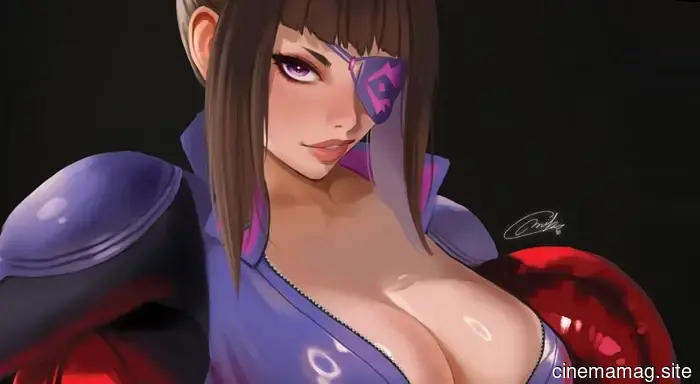 Juri is receiving her own special edition from UDON Entertainment in the Street Fighter Masters series.
UDON Entertainment has revealed that Juri Han will complete the publisher's Street Fighter Masters series of one-shot comics with a special edition written by Adam Warren and illustrated by artist M…
Juri is receiving her own special edition from UDON Entertainment in the Street Fighter Masters series.
UDON Entertainment has revealed that Juri Han will complete the publisher's Street Fighter Masters series of one-shot comics with a special edition written by Adam Warren and illustrated by artist M…
Pixar Does Not Struggle with Originality, but with Universality.
Joseph Jenkinson discusses Pixar’s “originality issue” and how its storytelling focus has changed. Pixar built its reputation on a seemingly unending series of original narratives.