

12 Timeless Films from the 1940s That Remain Enjoyable
These iconic films from the 1940s have aged remarkably well over the years. Despite any shortcomings, they explore and reflect on aspects of human nature that remain unchanged, perhaps even providing reassurance that amidst contemporary challenges, some things stay constant.
A disclaimer: Even the most progressive films from the 1940s feature portrayals that may now seem outdated and stereotypical; however, audiences of that era likely perceived them as a straightforward representation of reality.
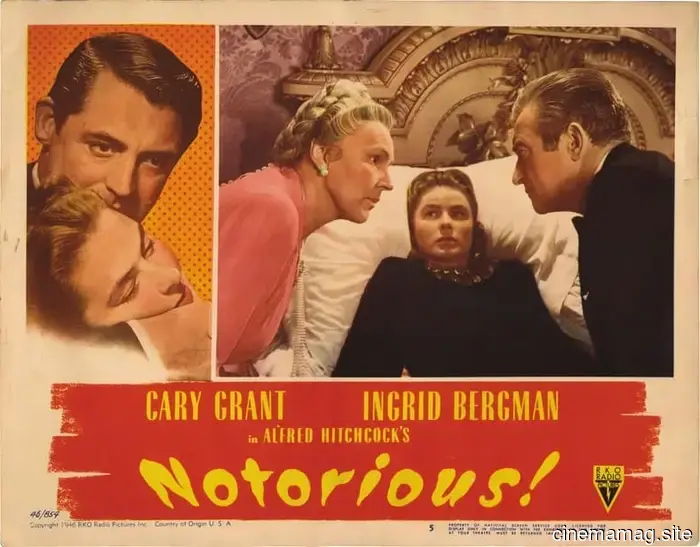
Indeed, many of these classic films exhibit differing expectations for men and women. Yet, the finest among them—such as Notorious, a personal favorite—cleverly subvert those expectations.
With that in mind, here are the films.
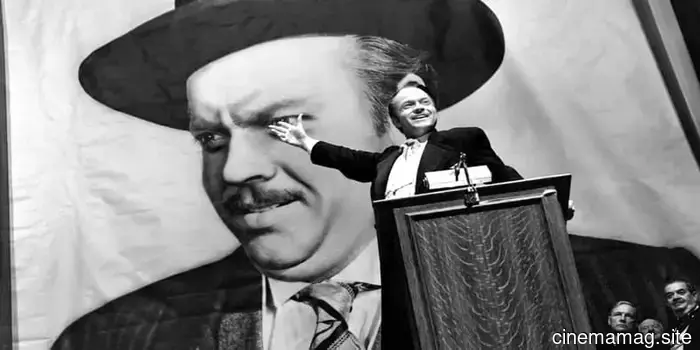
Citizen Kane (1941)
RKO Radio Pictures – Credit: RKO Pictures
Regarded as one of the most legendary films ever made, Orson Welles’ Citizen Kane reinterprets the life of real-life media tycoon William Randolph Hearst, who despised it so much that he attempted to limit its theatrical release and influence.
A powerful figure seeking to silence criticism through wealth and litigation? To echo another movie from this list: “I’m shocked, shocked.”
If you find moments in the film dull, consider that Orson Welles released it at just 26 years old and ponder how he managed to achieve that.
Casablanca (1942)
Warner Bros.
When individuals express their fondness for classic 1940s cinema, this is likely among the titles they envision.
Ingrid Bergman, who also appears later as a character in Notorious, delivers an enchanting performance as Ilsa Lund, caught between love and her commitment to combat fascism. Humphrey Bogart is an exemplary male lead as her former lover, Rick.
However, Casablanca is a film where every character shines, from director Michael Curtiz to writers Howard Koch and Julius and Philip Epstein. Everyone has their favorite scene, but ours, as you might expect from our previous entry, is “I’m shocked, shocked.”
Casablanca is naturally included in our list of Ingrid Bergman films that continue to be enjoyable, along with another entry on this list.
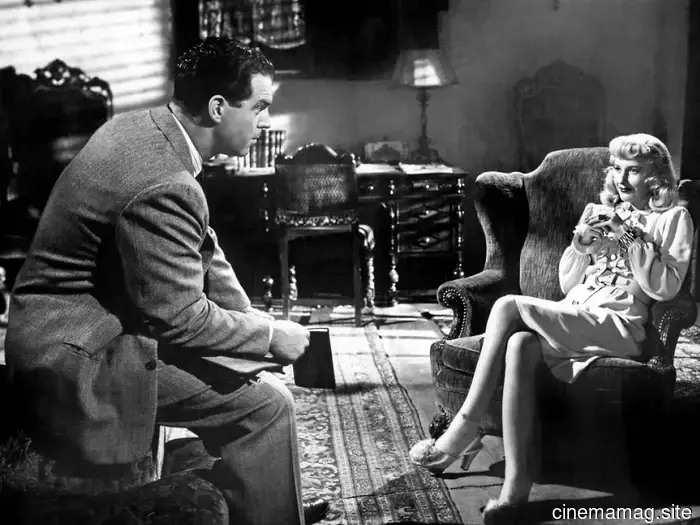
Double Indemnity (1944)
Paramount Pictures
The most entertaining movie ever centered on insurance, this noir sensation thrives in electrifying moments like the anklet scene — also known as the “how fast was I going” scene — featuring Fred MacMurray as an insurance salesman and Barbara Stanwyck as a scheming client.
It doesn’t rush through the narrative, which somehow enhances its seductive allure. It inspired numerous (often color) films, such as the excellent Body Heat from 1981, but we still prefer the original from the '40s.
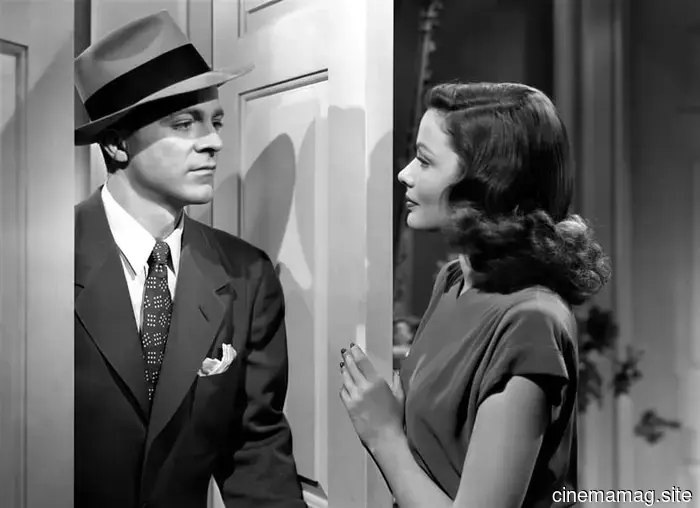
Laura (1944)
20th Century Fox
Laura could easily be remade today as an incel horror film or a #MeToo drama: It centers on Laura Hunt (Gene Tierney), a young, beautiful, and talented executive found murdered outside her apartment.
Columnist Waldo Lydecker (Clifton Webb), a friend who tried to use his connections to assist her, recounts her story. Believe it or not, the phenomenon of older men offering to help attractive younger women while expecting reciprocity is not new.
Yet, with that premise, the twists in Laura are just beginning. Despite its grim setup — spoiler alert — it surprisingly concludes on a positive note.
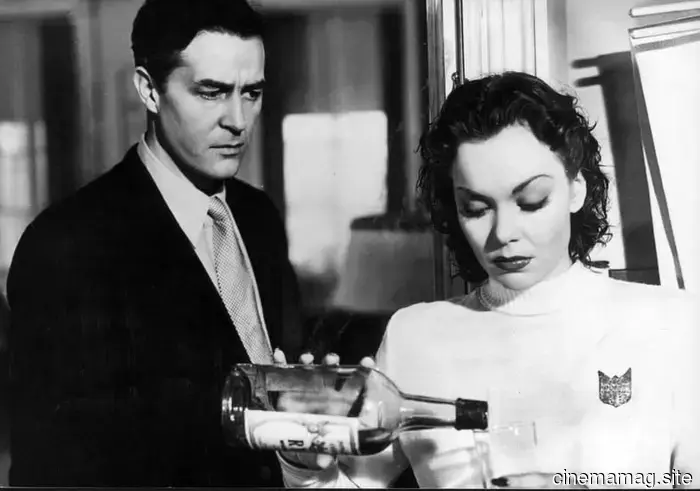
The Lost Weekend (1945)
Paramount Pictures
This stark, compassionate portrayal of addiction, directed by Billy Wilder, is based on Charles R. Jackson’s 1944 novel drawn from his personal experiences with alcoholism.
Featuring Ray Milland and Jane Wyman, the film presents a candid and compelling examination of the talent lost to alcoholism, serving as a template for numerous subsequent addiction dramas.
Its brilliance was acknowledged at the time: It is one of only three films, alongside 1955’s Marty and 2019’s Parasite, to receive both the Oscar for Best Picture and the Grand Prix at the Cannes Film Festival. (It shared the Grand Prix at the first Cannes with ten other films).
Christmas in Connecticut (1945)
Warner Bros.
You may have seen numerous recent films or shows (or TikToks?) about so-called influencers who portray perfect lives while being quite different behind the scenes. They all owe a debt to Elizabeth Lane, the lead character in Christmas in Connecticut, played by Barbara Stanwyck, in a role quite distinct from her performance in Double Indemnity.
Lane is a magazine writer who feigns living on a impeccably maintained farm in Connecticut and is adored for her recipes and stories about her family. In reality, she is a single woman residing in a small apartment in New York City.
We recently discovered that Arnold Schwarzenegger once directed a basic cable remake of the film, inspired in part by Martha Stewart's success.
The Postman Always Rings Twice (1946)
MGM
If you ever romanticize the past, watch this

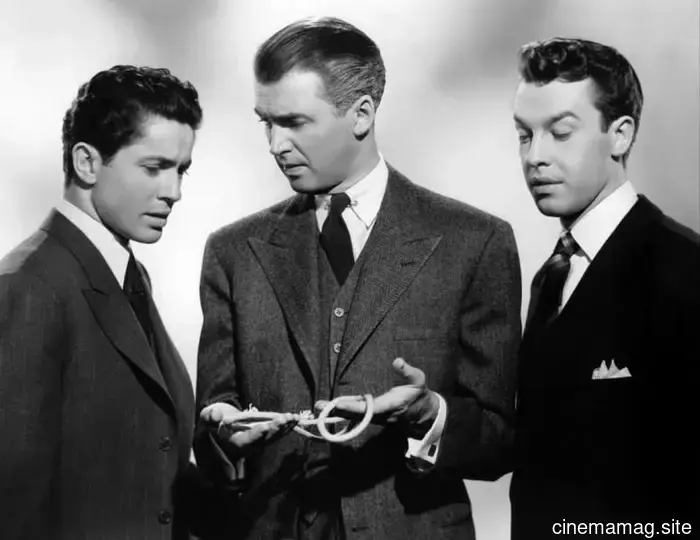

Other articles
 12 Timeless Films from the 1940s That Remain Enjoyable
Indeed, many of these classic films hold varying expectations for men and women. However, the finest among them — such as Notorious, one of our all-time favorites —
12 Timeless Films from the 1940s That Remain Enjoyable
Indeed, many of these classic films hold varying expectations for men and women. However, the finest among them — such as Notorious, one of our all-time favorites —
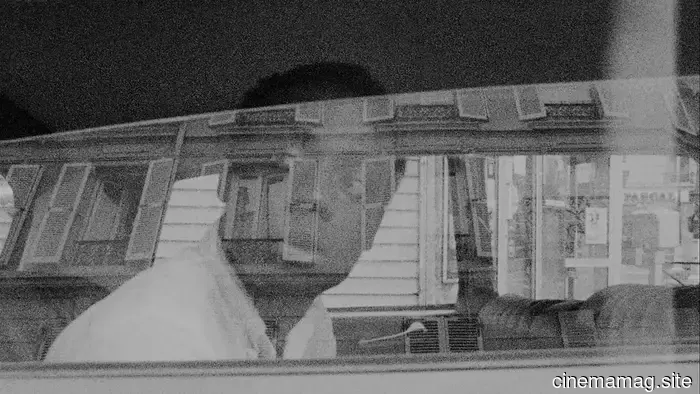 James Baldwin Arrives in Paris in the Trailer for Yashaddai Owens’ Jimmy, Premiering This July.
My top find at the 2024 New York Film Festival was Yashaddai Owens' film Jimmy, a jazzy portrayal reminiscent of the French New Wave that envisions James Baldwin's (Benny O. Arthur) arrival in Paris in November 1948. In a landscape where numerous biographical dramas appear to recycle significant events from a well-known individual's life in a conventionally familiar manner,
James Baldwin Arrives in Paris in the Trailer for Yashaddai Owens’ Jimmy, Premiering This July.
My top find at the 2024 New York Film Festival was Yashaddai Owens' film Jimmy, a jazzy portrayal reminiscent of the French New Wave that envisions James Baldwin's (Benny O. Arthur) arrival in Paris in November 1948. In a landscape where numerous biographical dramas appear to recycle significant events from a well-known individual's life in a conventionally familiar manner,
 The teen slasher film You’re Dead to Me has revealed its trailer ahead of its digital launch.
Dark Star Pictures has released a trailer for the Gen Z slasher film You’re Dead to Me, directed by Juan Pablo Arias Munoz. The movie, which debuted at FrightFest last year, focuses on a group of high...
The teen slasher film You’re Dead to Me has revealed its trailer ahead of its digital launch.
Dark Star Pictures has released a trailer for the Gen Z slasher film You’re Dead to Me, directed by Juan Pablo Arias Munoz. The movie, which debuted at FrightFest last year, focuses on a group of high...
 Mattel has announced the action figure of Skeletor as a Gym Bro from the Masters of the Universe line.
Mattel is highlighting one of the most iconic scenes from this year’s Masters of the Universe film with its exclusive Gym Bro Skeletor action figure for San Diego Comic-Con. Available…
Mattel has announced the action figure of Skeletor as a Gym Bro from the Masters of the Universe line.
Mattel is highlighting one of the most iconic scenes from this year’s Masters of the Universe film with its exclusive Gym Bro Skeletor action figure for San Diego Comic-Con. Available…
12 Timeless Films from the 1940s That Remain Enjoyable
Indeed, numerous classic films present varying expectations for men and women. However, the finest among them — such as Notorious, which ranks among our all-time favorites —