
Bringing Back the Silver Screen: The Process of Location-Scouting and Filming by UK Indie Directors in Historic British Bingo
If you've ever entered one of Britain's historic bingo halls, you've likely experienced a sudden and undeniable feeling of history. You look upwards and see the grand vaulted ceilings, the intricate plasterwork slightly flaking at the edges, and the expansive proscenium arch towering over the stage where the caller performs. It feels less like a contemporary recreational space and much more like an overlooked palace. That’s because, for the most part, it truly is just that.
During the peak of cinema's popularity in the 1930s, Britain underwent an extraordinary building surge. Thousands of stunning "picture palaces" emerged throughout the country, from coastal resorts to industrial towns in the north. Erected in the opulent Art Deco style, these venues boasted striking geometric facades, radiant neon signs, and elaborately plastered auditoriums. They were created to provide ordinary people a taste of luxury and a brief escape for entertainment and relaxation amidst a challenging decade.
However, with the advent of television in British homes during the 1950s and 1960s, cinema attendance drastically declined. Facing financial challenges, numerous magnificent buildings were at risk of demolition. Thankfully, the Betting and Gaming Act of 1960 initiated a significant change, allowing many of these vast theaters to be repurposed as bingo halls, which quickly became central hubs for British working-class communities.
For independent filmmakers in Britain today, these venues are incredibly valuable. They provide an extraordinary, pre-existing cinematic scale that would cost a fortune to recreate on a studio soundstage. The visual allure is unparalleled; one can find an exquisite blend of faded opulence, lofty arches, and a touch of nostalgic melancholy. The peeling gold leaf of a proscenium arch or the worn velvet of an old balcony seat tells a profound story before a single word is uttered.
Discovering the Faded Glamour: The Scouting Experience
Location scouting for independent films often resembles a treasure hunt, and finding the ideal historic hall is especially gratifying. Scouts seek venues that have preserved their original theatrical characteristics while also showing the authentic wear and tear of decades of community life.
When working with a limited budget, independent operators become invaluable allies. Large corporate entertainment chains can be notoriously hard to secure for filming owing to stringent brand guidelines, hefty fees, and tight schedules. In contrast, independent halls are often managed by local business owners who are generally more approachable and willing to have a friendly conversation over tea.
The key to securing these locations without exhausting your budget relies on careful timing. You can’t expect to waltz in with a full camera crew on a busy Friday evening when regulars are engrossed in their games. Instead, filmmakers find ways to negotiate access during quieter times, typically starting shoots at dawn and finishing before the first afternoon session, or arranging late-night shoots after the last players have left for the evening.
The Practical Aspects of Lighting a Large Hall
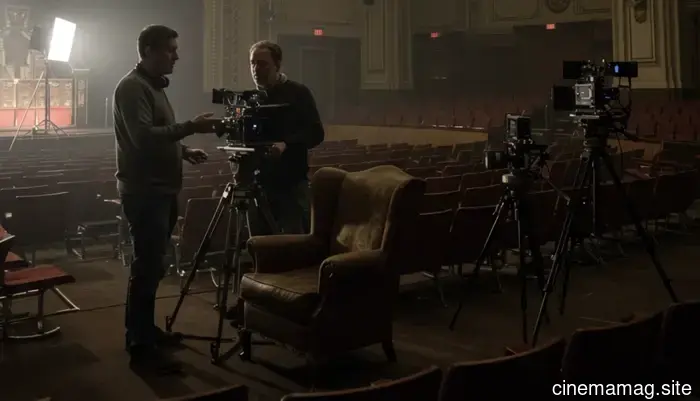
Once you have access to the keys, the real creative process begins. The immense scale of these spaces is visually stunning, but illuminating such a cavernous hall on an indie budget can easily keep a director of photography up at night. There simply isn’t enough funding or crew for large, energy-consuming lamps to light the entire venue.
Instead, savvy cinematographers make the most of the existing lighting. They utilize the venue’s unique lighting arrangements, drawing on the warm, nostalgic glow of fluorescent tubes, neon signs, and vintage table lamps.
By concentrating your lighting on foreground characters and allowing the expansive, ornate backgrounds to fade into shadows, you can create a captivating sense of depth. Many filmmakers also employ a light mist from a haze machine, which picks up the ambient light beams, enhancing the atmospheric feel of the space and emphasizing the historic grandeur of the building without needing powerful studio lights.
Audio captures another significant challenge in these expansive, high-ceilinged venues. Hard flooring, plastic tables, and vacant balconies produce considerable echo. To maintain clear, intimate dialogue, sound recordists must be highly inventive. They often conceal small lapel microphones within the actors’ clothing and position directional shotgun microphones as close to the action as possible. If echo remains an issue, draping heavy blankets just out of the camera's sight can greatly help absorb the bouncing sound waves.
From Physical Spaces to Digital Realms: The Cultural Transition
The physical design of these halls has consistently been intertwined with the social life of British working-class communities. For many years, the local hall served as the community's heartbeat; a welcoming and lively venue where friends gathered, exchanged news, and enjoyed light-hearted entertainment together. It stood as a physical anchor on the high street, symbolizing stability and connection.
In contemporary social realism films, directors frequently examine how these communal spaces have transformed. Many of the grand physical structures have regrettably closed their doors, leaving high streets a bit quieter. Nevertheless, the yearning for shared experiences hasn’t vanished; it has simply adapted to modern times.
As we explore the cultural transition of community hubs
Other articles
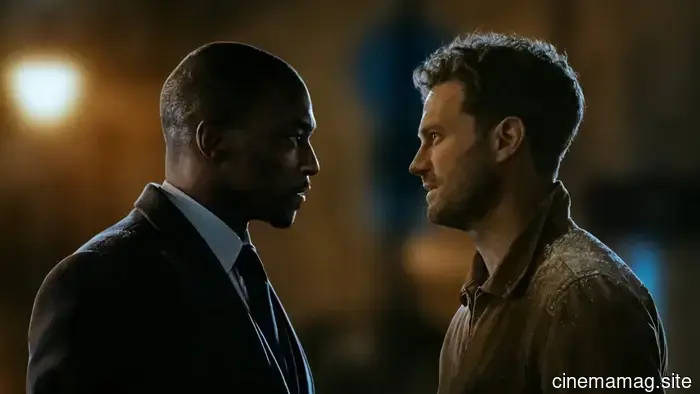 The trailer for Apple TV's 12 12 12 features a showdown between Anthony Mackie and Jamie Dornan.
Apple TV has unveiled the initial trailer for 12 12 12, the forthcoming heist drama that takes place over three different timelines and examines the events leading up to and the consequences of an audacious bank robbery…
The trailer for Apple TV's 12 12 12 features a showdown between Anthony Mackie and Jamie Dornan.
Apple TV has unveiled the initial trailer for 12 12 12, the forthcoming heist drama that takes place over three different timelines and examines the events leading up to and the consequences of an audacious bank robbery…
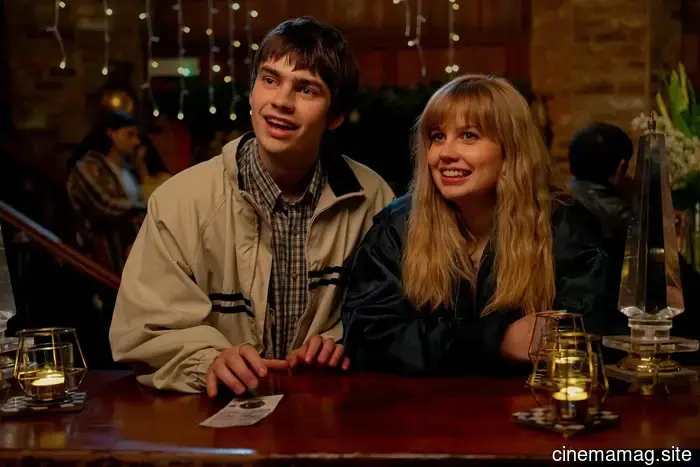 Time is Valuable and Life is Brief: Director Alicia MacDonald Discusses Finding Emily – Exclusive Interview
Robert Kojder speaks with Alicia MacDonald, the director of Finding Emily. Having excelled in various TV commercials and short films, which have earned her festival accolades, it was merely a matter...
Time is Valuable and Life is Brief: Director Alicia MacDonald Discusses Finding Emily – Exclusive Interview
Robert Kojder speaks with Alicia MacDonald, the director of Finding Emily. Having excelled in various TV commercials and short films, which have earned her festival accolades, it was merely a matter...
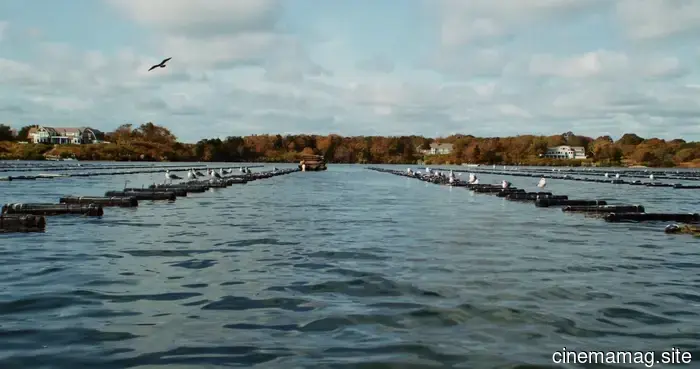 Catchfly Pictures Introduces American Thread, a Documentary Series Focusing on Local Businesses That Support Communities.
Catchfly Pictures has unveiled American Thread, a documentary series that showcases local businesses with strong community connections, filmed with the artistry and scope of feature films. The premiere episode, The Matunuck Oysterman, can be viewed for free at americanthread.tv. The series was developed by director and editor Tim Ringwood and producer Dan.
Catchfly Pictures Introduces American Thread, a Documentary Series Focusing on Local Businesses That Support Communities.
Catchfly Pictures has unveiled American Thread, a documentary series that showcases local businesses with strong community connections, filmed with the artistry and scope of feature films. The premiere episode, The Matunuck Oysterman, can be viewed for free at americanthread.tv. The series was developed by director and editor Tim Ringwood and producer Dan.
 IFC has released a trailer for the twisted horror film Breeder.
IFC has unveiled a trailer for Breeder, the forthcoming horror film that follows a financially struggling college student enticed to a secluded ranch by an eccentric breeder of miniature poodles, who has sinister motives. Written a…
IFC has released a trailer for the twisted horror film Breeder.
IFC has unveiled a trailer for Breeder, the forthcoming horror film that follows a financially struggling college student enticed to a secluded ranch by an eccentric breeder of miniature poodles, who has sinister motives. Written a…
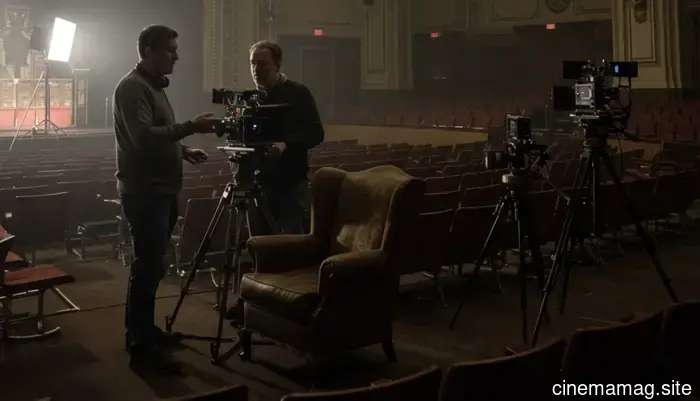 Reviving the Silver Screen: The Methods UK Indie Filmmakers Use for Location Scouting and Filming in Historic British Bingo
For independent British filmmakers today, these structures are invaluable. They provide an astonishing, pre-existing cinematic scale that would be expensive to create.
Reviving the Silver Screen: The Methods UK Indie Filmmakers Use for Location Scouting and Filming in Historic British Bingo
For independent British filmmakers today, these structures are invaluable. They provide an astonishing, pre-existing cinematic scale that would be expensive to create.
 Mondo begins taking pre-orders for the sixth scale figure of Shredder from Teenage Mutant Ninja Turtles.
Mondo has officially revealed that its new 1:6 scale figure of the legendary Teenage Mutant Ninja Turtles antagonist Shredder can now be pre-ordered at MondoShop until September 4th, with a price of $…
Mondo begins taking pre-orders for the sixth scale figure of Shredder from Teenage Mutant Ninja Turtles.
Mondo has officially revealed that its new 1:6 scale figure of the legendary Teenage Mutant Ninja Turtles antagonist Shredder can now be pre-ordered at MondoShop until September 4th, with a price of $…
Bringing Back the Silver Screen: The Process of Location-Scouting and Filming by UK Indie Directors in Historic British Bingo
For independent British filmmakers in the present day, these structures are invaluable. They provide an extraordinary, pre-existing cinematic scope that would be expensive to create.