
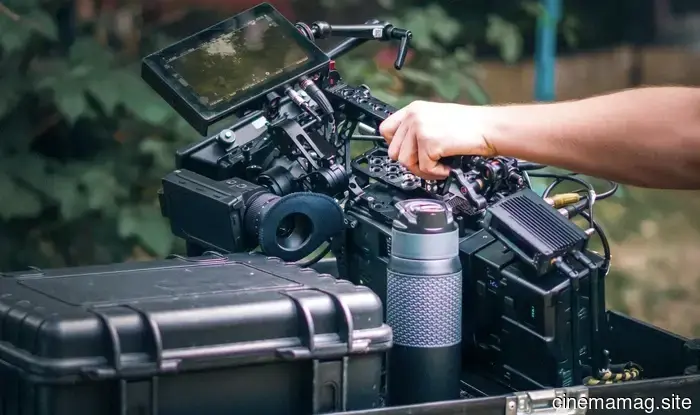
A Practical Handbook for Handling Film Permits, Equipment, and Logistics Overseas - MovieMaker Magazine
Filming in another country can offer a production valuable access to resources that might not be available domestically. However, it also creates an extensive list of tasks to address before the initial shot is captured.
Independent filmmakers often face the most difficulty in organizing permits, transporting equipment, customs issues, travel arrangements, accommodations, crew coordination, and schedule adjustments when working abroad.
To ensure everything goes as seamlessly as possible before the crew departs, it is crucial to thoroughly research all relevant details related to the production in the selected country in advance. More information gathered prior to making decisions will lead to fewer complications later on.
Begin with the Permit Process
One of the first considerations should be whether a film permit is necessary for the chosen location(s).
The requirement for a film permit can vary based on the country, city, specific address, and the nature of the production. A straightforward interview in a private office might only need verbal consent from the owner, whereas filming on a public road, historical site, airport, beach, or any government-controlled area requires a more elaborate application process.
The size of the production can also play a significant role, as larger shoots that involve significant equipment, generators, drones, road closures, and many extras often have stricter lists of approved filming sites.
Additionally, obtaining approval for one location does not guarantee that nearby addresses, parking areas, or other available venues are automatically permitted for use.
A local producer, fixer, or manager can frequently assist in navigating these requirements and identifying the necessary permissions and the appropriate contacts for requests.
Verify Visas and Work Requirements Early
Being allowed entry to a country does not automatically mean that a filmmaker is permitted to work there. Therefore, directors, camera operators, producers, and other crew members must look into the specific visa or entry prerequisites for their role and nationality. This is particularly important for productions that necessitate a team entering the country.
The last thing one would want is to arrive after booking flights only to discover additional documents are needed. It is recommended to keep both electronic and hard copies of all critical documents, including passports, visas, permits, insurance, filming locations, and contact information. The production office should also be aware of which individuals are responsible for carrying which documents on shooting days. For filmmakers working in unfamiliar areas, World Production Service can act as an international production partner, providing local coordination, crew, logistics, permit assistance, and practical production expertise within a single network.
Determine Which Equipment Needs to Travel
Filmmakers may lean towards using equipment they are most comfortable with, which is understandable, but shipping multiple camera and lighting setups overseas can be restrictive and costly. However, it's essential to research the costs and availability of equipment before deciding to transport it internationally.
Cameras, lenses, monitors, lighting, grip equipment, sound gear, stands, and other production necessities can typically be rented locally in most filming locations. In some cases, it may be more practical to travel with specific lenses or specialized gear while renting the remainder on location. This method can help reduce shipping costs, simplify logistics, and still provide the necessary equipment for the shoot.
This means a cinematographer might choose to bring their preferred lenses but rent cameras, lights, batteries, and other essential gear. Additionally, when renting equipment, it can be advantageous to request a specific item instead of an entire category, along with checking for alternatives in case the equipment sustains any damage.
Prepare Thoroughly for Customs
Equipment moving across international borders might require temporary import documentation. Customs procedures can vary significantly, so producers should research the necessary requirements prior to traveling. Ideally, prepare a comprehensive equipment list that includes specifications, serial numbers, quantities, and estimated values. Retain copies of invoices or ownership documents when needed.
This inventory should be rechecked when the equipment exits the country. For productions transported with a large amount of high-value gear, it may be wise to consult with a customs broker or an experienced local production contact. Customs delays can disrupt the entire shooting timetable, so equipment should not be scheduled to arrive only a few hours before it is needed on set.
Design Logistics Around Actual Travel Times
Production logistics might seem straightforward on a map, but can become complex in reality. A hotel could be just a few miles from the desired location, but traffic, parking, access issues, and road conditions can significantly increase travel time. It is advisable to test driving routes during the scouting phase.
Routes should be tested at the same time they will be used by the crew. Moreover, transporting equipment and vehicles often requires greater detail and attention compared to passenger transport.
Cameras, lights, costume and prop bags, and personal belongings can take up more space than anticipated. Additionally, the production may require additional fuel, local transport, and specialized transportation for remote locations.
If several locations are used each day, the time spent traveling from one to another must be carefully considered.
Select Accommodation Based on the Schedule
Accommodation decisions extend beyond comfort; they influence the working day as well. A less expensive hotel far
Otros artículos
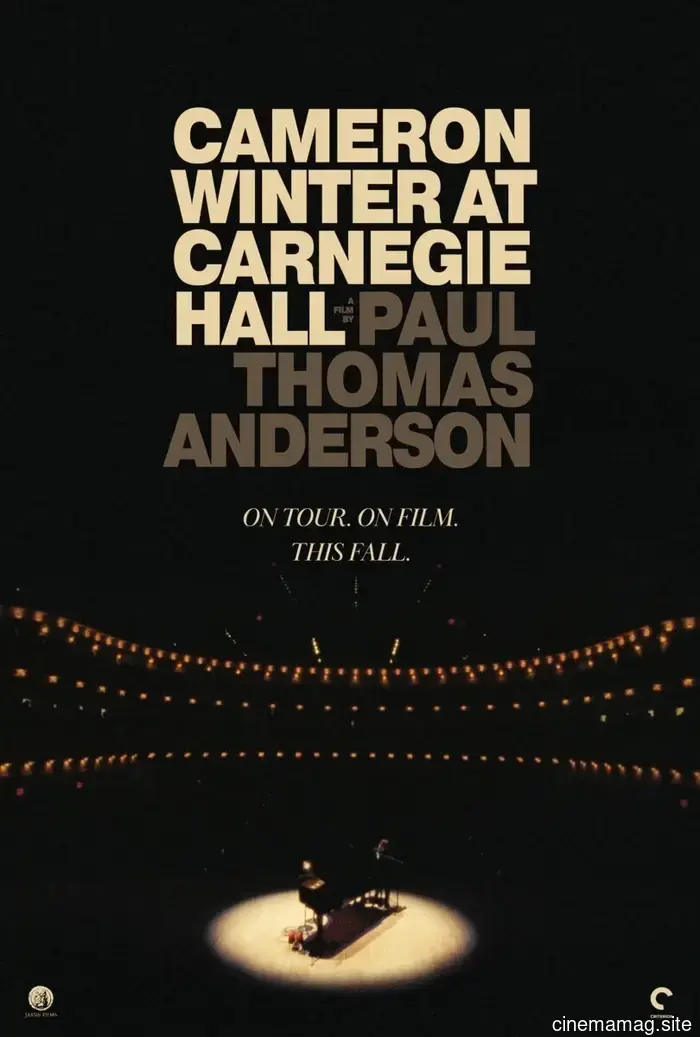 Paul Thomas Anderson's Cameron Winter will have its world premiere at the 64th New York Film Festival held at Carnegie Hall.
Following the world premiere of his first music documentary, Junun, at the New York Film Festival in 2015, Paul Thomas Anderson is back with his second film in this genre. Film at Lincoln Center has included the world premiere of Cameron Winter at Carnegie Hall in the Spotlight section of the 64th New York Film Festival, set to debut on
Paul Thomas Anderson's Cameron Winter will have its world premiere at the 64th New York Film Festival held at Carnegie Hall.
Following the world premiere of his first music documentary, Junun, at the New York Film Festival in 2015, Paul Thomas Anderson is back with his second film in this genre. Film at Lincoln Center has included the world premiere of Cameron Winter at Carnegie Hall in the Spotlight section of the 64th New York Film Festival, set to debut on
 One in a Million Trailer: Sundance Champion Depicts a Ten-Year Journey
A recipient of both the Audience Award and the Directing Award in the World Cinema Documentary category at the Sundance Film Festival, Itab Azzam and Jack MacInnes' One in a Million chronicles a family's decade-long journey from Syria to Germany and back. It is scheduled for release starting October 21.
One in a Million Trailer: Sundance Champion Depicts a Ten-Year Journey
A recipient of both the Audience Award and the Directing Award in the World Cinema Documentary category at the Sundance Film Festival, Itab Azzam and Jack MacInnes' One in a Million chronicles a family's decade-long journey from Syria to Germany and back. It is scheduled for release starting October 21.
A Practical Handbook for Handling Film Permits, Equipment, and Logistics Overseas - MovieMaker Magazine
The most difficult aspects for independent filmmakers to manage while carrying out productions overseas include permits, transportation of equipment, customs, and travel arrangements.