Новая комедия FX "Взрослые" для двадцатилетних получила трейлер

Новая комедия FX "Взрослые" для двадцатилетних получила трейлер

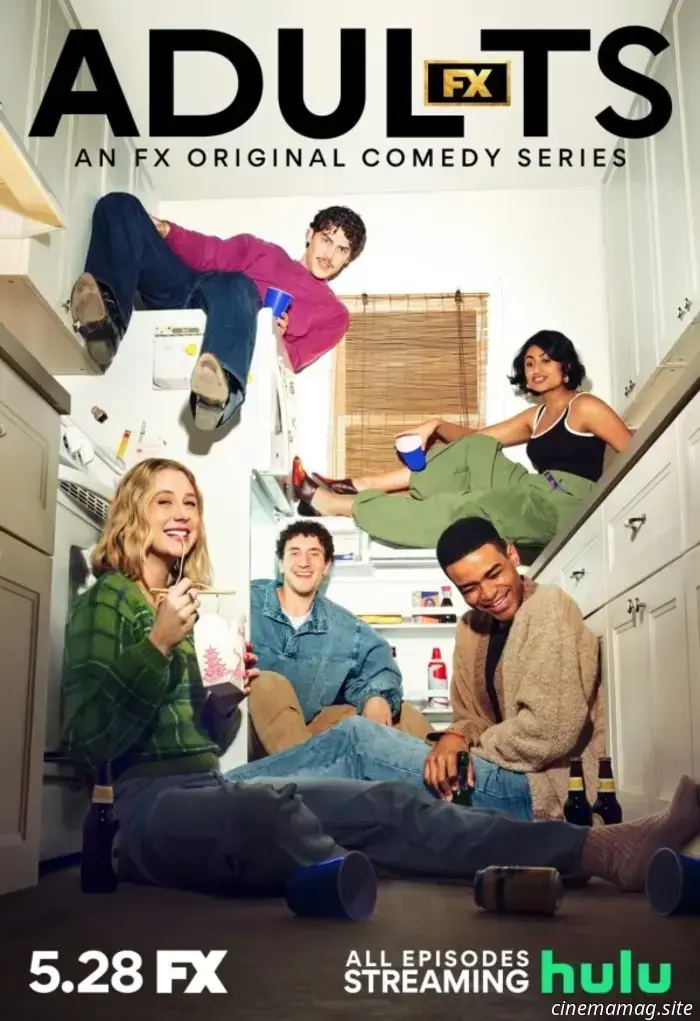
      В преддверии премьеры, которая состоится в конце этого месяца, в Сети появился трейлер предстоящего комедийного сериала "Для взрослых", в центре внимания которого группа двадцатилетних соседей по дому, которые зависят друг от друга и пытаются вместе справляться с жизненными обязанностями.

      В фильме, созданном Беном Кроненголдом и Ребеккой Шоу ("Вечернее шоу" с Джимми Фэллоном в главной роли), снимаются Малик Элассал, Люси Фрейер, Джек Иннанен, Амита Рао и Оуэн Тиле. Посмотрите трейлер ниже.…

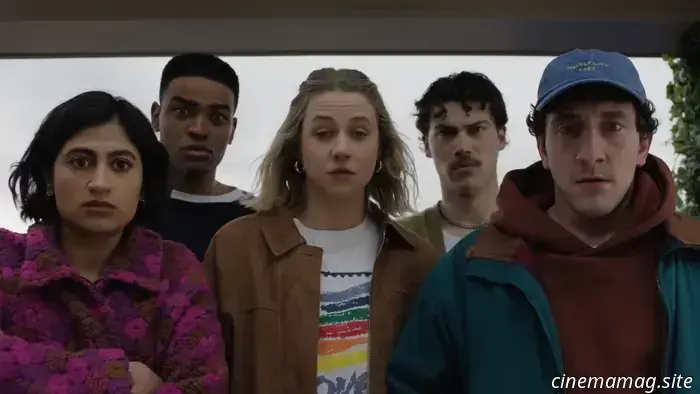
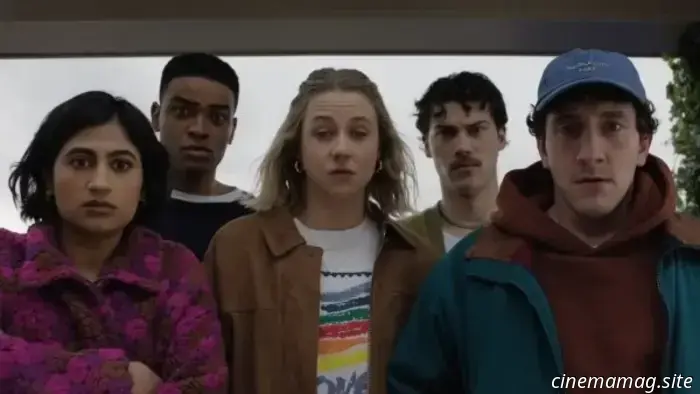
      “Взрослые” от FX - это комедийный сериал о группе молодых людей двадцати с чем-то лет из Нью-Йорка, которые пытаются быть хорошими людьми, несмотря на то, что пока не являются ни “хорошими”, ни "обычными людьми". “Самир” (Малик Элассал), “Билли” (Люси Фрейер), “Пол Бейкер” (Джек Иннанен), “Исса” (Амита Рао) и “Антон” (Оуэн Тиле) - пятеро друзей, которые собираются в доме детства Самира, где они делятся едой, тревогами и, иногда - зубные щетки.

      Созданное Беном Кроненголдом и Ребеккой Шоу ("The Tonight Show" с Джимми Фэллоном в главных ролях), шоу немного по-другому описывает победы, поражения и унижения, связанные с началом карьеры в мире взрослых. Независимо от того, пытаются ли они добиться успеха на работе, разобраться в системе здравоохранения, устроить званый ужин или начать встречаться в эпоху "Найди моих друзей", группа обнаруживает, что в реальном мире все не так просто, и все их самые благие намерения, как правило, только ухудшают ситуацию.

      В течение восьмисерийного сезона соседи по дому с разной степенью успеха решают проблемы, связанные с капиталом R. Влюбленный и много думающий, “Самир” изо всех сил пытается решить проблемы, которые его окружают — от родительского котла до постоянной безработицы и личной жизни. Его лучшая подруга детства “Билли” беспокоится, что она, возможно, достигла своего пика слишком рано, пытаясь определиться с карьерой и жизнью. Уверенный в себе и непримиримый “Исса” стремится доказать, что можно быть и серьезным человеком, и знать, кем блеснуть, чтобы вызвать восторг. “Антон”, всеобщий лучший друг, борется с ограничениями, как социальными, так и романтическими. А “Пол Бейкер”, новичок в группе, - добродушный обаятельный человек, который становится неотъемлемой частью семьи, несмотря на то, что не знает, к чему все идет.

      Эти друзья находятся в процессе работы, полны плохих идей и какой бы ни была их последняя “теория взрослости”. Но есть одна вещь, которую они неизменно делают правильно: они появляются друг для друга.

      Премьера "Взрослых" на канале FX состоится 28 мая.
Новая комедия FX "Взрослые" для двадцатилетних получила трейлер Новая комедия FX "Взрослые" для двадцатилетних получила трейлер

Other articles

12 Unapologetic '80s Comedies That Are Indifferent to Your Offense 12 Unapologetic '80s Comedies That Are Indifferent to Your Offense Comedies from the '80s featured a much bolder sense of humor compared to today's films. They didn't concern themselves with whether you might be offended; their goal was simply to make you laugh. Casey Chong examines eight notable cult sci-fi films from 1985...

The year 1985 was significant for the iconic sci-fi film Back to the Future, which grossed over $210 million in the U.S. alone. Directed by Robert Zemeckis, this time-travel classic remains a beloved cinematic landmark. Alongside it, several other sci-fi movies were released, some achieving success like Cocoon, while others, such as Enemy Mine and Explorers, were largely overlooked by audiences at the time. Below, we present our selections of the essential sci-fi films from 1985 beyond Back to the Future...

Re-Animator  
Not for the faint of heart, Stuart Gordon fully embraces Lovecraftian horror with sci-fi elements in Re-Animator. The film features Jeffrey Combs in his memorable and eccentric role as Herbert West, a deranged medical student obsessed with resurrecting the dead using his experimental serum. Gordon’s direction captures the essence of a B-movie spirit, merging sci-fi horror with dark comedy. The film is exceptionally bloody and gory, showcasing impressive practical effects and maintaining a brisk pace without unnecessary distractions. The cult success of Re-Animator led to two sequels, Bride of Re-Animator and Beyond Re-Animator.

Brazil  
Terry Gilliam’s often-misunderstood sci-fi masterpiece failed to draw large audiences upon its release but has since been recognized as a classic. Gilliam, who co-wrote the screenplay, presents a unique vision of a dystopian future rife with bureaucratic absurdities, focused on a low-level government employee, played by the empathetic Jonathan Pryce, as he navigates a landscape of daydreams and mundane reality. Beyond Gilliam’s stunning visuals and quirky humor, the film offers profound narrative depth, drawing on Orwellian themes of totalitarianism and oppression. Although its nearly 2 ½ hour runtime might deter some viewers, Gilliam’s intricate direction offers a distinctive cinematic experience worth witnessing.

Enemy Mine  
Wolfgang Petersen, known for genre-defining works like Das Boot and Air Force One, directed the sadly underrated Enemy Mine, which came a year after the success of The NeverEnding Story. The film faced numerous behind-the-scenes challenges, including the firing of original director Richard Loncraine, who had already filmed some scenes. Rather than using Loncraine's footage, Petersen opted to start anew. Unfortunately, despite his efforts, Enemy Mine struggled at the box office, yet it deserves recognition for its effective exploration of themes such as harmony, unity, and empathy, adapted from Barry B. Longyear’s novella by Edward Khmara. Primarily centering on the conflict between human pilot Willis Davidge (Dennis Quaid) and a reptilian being named Jeriba Shigan (Louis Gossett Jr., in full prosthetic makeup), the film thrives on the chemistry between the two leads, elevating it beyond a simple survival story.

The Quiet Earth  
This film from New Zealand presents a haunting “what if” scenario in which a global disaster nearly wipes out all humanity. Directed by Geoff Murphy, who later took on Hollywood projects like Young Guns II, The Quiet Earth opens with a captivating scene where a man (Bruno Lawrence) wakes up to find himself utterly alone in a city. The first 35 minutes focus on Lawrence’s character, Zac Hobson, as he copes with solitude, even resorting to donning a dress for entertainment. His performance is exceptional, capturing a blend of isolation, frustration, and odd joy. The narrative later introduces two additional characters: a young woman named Joanne (Alison Routledge) and a Maori man named Api (Pete Smith). Adapted from Craig Harrison’s novel, the film explores themes of human instinct, trust, and racial tension leading to a surreal and ambiguous conclusion.

Cocoon  
Surprisingly, Robert Zemeckis was originally slated to direct Cocoon, but after Fox executives' negative reactions to an early cut of Romancing the Stone, Ron Howard took over. Howard’s deliberate direction proved perfect for Tom Benedek’s screenplay about seniors at a retirement home who discover a swimming pool with giant cocoons that rejuvenate them. The film thoughtfully examines aging and the rediscovery of youth through the experiences of its elderly characters, portrayed by Don Ameche, Wilford Brimley, and Hume Cronyn. Rather than merely invoking nostalgia, Howard elicits strong performances from this older cast. While the special effects, especially the glowing alien beings, may seem dated today, the film’s charm and positive portrayal of the creatures are undeniable. Cocoon became a significant hit that year, followed by a less successful sequel, Cocoon: The Return, released three years later.

The Stuff  
The film's title refers to a mysterious, sweet, and addictive white goo, reminiscent of shaving cream. This substance quickly becomes a national obsession, capturing America’s attention. Writer-director Larry Cohen fully embraces the absurdity Casey Chong examines eight notable cult sci-fi films from 1985... The year 1985 was significant for the iconic sci-fi film Back to the Future, which grossed over $210 million in the U.S. alone. Directed by Robert Zemeckis, this time-travel classic remains a beloved cinematic landmark. Alongside it, several other sci-fi movies were released, some achieving success like Cocoon, while others, such as Enemy Mine and Explorers, were largely overlooked by audiences at the time. Below, we present our selections of the essential sci-fi films from 1985 beyond Back to the Future... Re-Animator Not for the faint of heart, Stuart Gordon fully embraces Lovecraftian horror with sci-fi elements in Re-Animator. The film features Jeffrey Combs in his memorable and eccentric role as Herbert West, a deranged medical student obsessed with resurrecting the dead using his experimental serum. Gordon’s direction captures the essence of a B-movie spirit, merging sci-fi horror with dark comedy. The film is exceptionally bloody and gory, showcasing impressive practical effects and maintaining a brisk pace without unnecessary distractions. The cult success of Re-Animator led to two sequels, Bride of Re-Animator and Beyond Re-Animator. Brazil Terry Gilliam’s often-misunderstood sci-fi masterpiece failed to draw large audiences upon its release but has since been recognized as a classic. Gilliam, who co-wrote the screenplay, presents a unique vision of a dystopian future rife with bureaucratic absurdities, focused on a low-level government employee, played by the empathetic Jonathan Pryce, as he navigates a landscape of daydreams and mundane reality. Beyond Gilliam’s stunning visuals and quirky humor, the film offers profound narrative depth, drawing on Orwellian themes of totalitarianism and oppression. Although its nearly 2 ½ hour runtime might deter some viewers, Gilliam’s intricate direction offers a distinctive cinematic experience worth witnessing. Enemy Mine Wolfgang Petersen, known for genre-defining works like Das Boot and Air Force One, directed the sadly underrated Enemy Mine, which came a year after the success of The NeverEnding Story. The film faced numerous behind-the-scenes challenges, including the firing of original director Richard Loncraine, who had already filmed some scenes. Rather than using Loncraine's footage, Petersen opted to start anew. Unfortunately, despite his efforts, Enemy Mine struggled at the box office, yet it deserves recognition for its effective exploration of themes such as harmony, unity, and empathy, adapted from Barry B. Longyear’s novella by Edward Khmara. Primarily centering on the conflict between human pilot Willis Davidge (Dennis Quaid) and a reptilian being named Jeriba Shigan (Louis Gossett Jr., in full prosthetic makeup), the film thrives on the chemistry between the two leads, elevating it beyond a simple survival story. The Quiet Earth This film from New Zealand presents a haunting “what if” scenario in which a global disaster nearly wipes out all humanity. Directed by Geoff Murphy, who later took on Hollywood projects like Young Guns II, The Quiet Earth opens with a captivating scene where a man (Bruno Lawrence) wakes up to find himself utterly alone in a city. The first 35 minutes focus on Lawrence’s character, Zac Hobson, as he copes with solitude, even resorting to donning a dress for entertainment. His performance is exceptional, capturing a blend of isolation, frustration, and odd joy. The narrative later introduces two additional characters: a young woman named Joanne (Alison Routledge) and a Maori man named Api (Pete Smith). Adapted from Craig Harrison’s novel, the film explores themes of human instinct, trust, and racial tension leading to a surreal and ambiguous conclusion. Cocoon Surprisingly, Robert Zemeckis was originally slated to direct Cocoon, but after Fox executives' negative reactions to an early cut of Romancing the Stone, Ron Howard took over. Howard’s deliberate direction proved perfect for Tom Benedek’s screenplay about seniors at a retirement home who discover a swimming pool with giant cocoons that rejuvenate them. The film thoughtfully examines aging and the rediscovery of youth through the experiences of its elderly characters, portrayed by Don Ameche, Wilford Brimley, and Hume Cronyn. Rather than merely invoking nostalgia, Howard elicits strong performances from this older cast. While the special effects, especially the glowing alien beings, may seem dated today, the film’s charm and positive portrayal of the creatures are undeniable. Cocoon became a significant hit that year, followed by a less successful sequel, Cocoon: The Return, released three years later. The Stuff The film's title refers to a mysterious, sweet, and addictive white goo, reminiscent of shaving cream. This substance quickly becomes a national obsession, capturing America’s attention. Writer-director Larry Cohen fully embraces the absurdity Casey Chong examines eight notable cult sci-fi films from 1985... The year 1985 was significant for the iconic sci-fi film Back to the Future, which grossed over $210 million in the U.S. alone. Directed by Robert Zemeckis, this time-travel classic remains a beloved cinematic landmark. Alongside it, several other sci-fi movies were released, some achieving success like Cocoon, while others, such as Enemy Mine and Explorers, were largely overlooked by audiences at the time. Below, we present our selections of the essential sci-fi films from 1985 beyond Back to the Future... Re-Animator Not for the faint of heart, Stuart Gordon fully embraces Lovecraftian horror with sci-fi elements in Re-Animator. The film features Jeffrey Combs in his memorable and eccentric role as Herbert West, a deranged medical student obsessed with resurrecting the dead using his experimental serum. Gordon’s direction captures the essence of a B-movie spirit, merging sci-fi horror with dark comedy. The film is exceptionally bloody and gory, showcasing impressive practical effects and maintaining a brisk pace without unnecessary distractions. The cult success of Re-Animator led to two sequels, Bride of Re-Animator and Beyond Re-Animator. Brazil Terry Gilliam’s often-misunderstood sci-fi masterpiece failed to draw large audiences upon its release but has since been recognized as a classic. Gilliam, who co-wrote the screenplay, presents a unique vision of a dystopian future rife with bureaucratic absurdities, focused on a low-level government employee, played by the empathetic Jonathan Pryce, as he navigates a landscape of daydreams and mundane reality. Beyond Gilliam’s stunning visuals and quirky humor, the film offers profound narrative depth, drawing on Orwellian themes of totalitarianism and oppression. Although its nearly 2 ½ hour runtime might deter some viewers, Gilliam’s intricate direction offers a distinctive cinematic experience worth witnessing. Enemy Mine Wolfgang Petersen, known for genre-defining works like Das Boot and Air Force One, directed the sadly underrated Enemy Mine, which came a year after the success of The NeverEnding Story. The film faced numerous behind-the-scenes challenges, including the firing of original director Richard Loncraine, who had already filmed some scenes. Rather than using Loncraine's footage, Petersen opted to start anew. Unfortunately, despite his efforts, Enemy Mine struggled at the box office, yet it deserves recognition for its effective exploration of themes such as harmony, unity, and empathy, adapted from Barry B. Longyear’s novella by Edward Khmara. Primarily centering on the conflict between human pilot Willis Davidge (Dennis Quaid) and a reptilian being named Jeriba Shigan (Louis Gossett Jr., in full prosthetic makeup), the film thrives on the chemistry between the two leads, elevating it beyond a simple survival story. The Quiet Earth This film from New Zealand presents a haunting “what if” scenario in which a global disaster nearly wipes out all humanity. Directed by Geoff Murphy, who later took on Hollywood projects like Young Guns II, The Quiet Earth opens with a captivating scene where a man (Bruno Lawrence) wakes up to find himself utterly alone in a city. The first 35 minutes focus on Lawrence’s character, Zac Hobson, as he copes with solitude, even resorting to donning a dress for entertainment. His performance is exceptional, capturing a blend of isolation, frustration, and odd joy. The narrative later introduces two additional characters: a young woman named Joanne (Alison Routledge) and a Maori man named Api (Pete Smith). Adapted from Craig Harrison’s novel, the film explores themes of human instinct, trust, and racial tension leading to a surreal and ambiguous conclusion. Cocoon Surprisingly, Robert Zemeckis was originally slated to direct Cocoon, but after Fox executives' negative reactions to an early cut of Romancing the Stone, Ron Howard took over. Howard’s deliberate direction proved perfect for Tom Benedek’s screenplay about seniors at a retirement home who discover a swimming pool with giant cocoons that rejuvenate them. The film thoughtfully examines aging and the rediscovery of youth through the experiences of its elderly characters, portrayed by Don Ameche, Wilford Brimley, and Hume Cronyn. Rather than merely invoking nostalgia, Howard elicits strong performances from this older cast. While the special effects, especially the glowing alien beings, may seem dated today, the film’s charm and positive portrayal of the creatures are undeniable. Cocoon became a significant hit that year, followed by a less successful sequel, Cocoon: The Return, released three years later. The Stuff The film's title refers to a mysterious, sweet, and addictive white goo, reminiscent of shaving cream. This substance quickly becomes a national obsession, capturing America’s attention. Writer-director Larry Cohen fully embraces the absurdity Casey Chong examines eight notable cult sci-fi films from 1985...

The year 1985 was significant for the iconic sci-fi film Back to the Future, which grossed over $210 million in the U.S. alone. Directed by Robert Zemeckis, this time-travel classic remains a beloved cinematic landmark. Alongside it, several other sci-fi movies were released, some achieving success like Cocoon, while others, such as Enemy Mine and Explorers, were largely overlooked by audiences at the time. Below, we present our selections of the essential sci-fi films from 1985 beyond Back to the Future...

Re-Animator  
Not for the faint of heart, Stuart Gordon fully embraces Lovecraftian horror with sci-fi elements in Re-Animator. The film features Jeffrey Combs in his memorable and eccentric role as Herbert West, a deranged medical student obsessed with resurrecting the dead using his experimental serum. Gordon’s direction captures the essence of a B-movie spirit, merging sci-fi horror with dark comedy. The film is exceptionally bloody and gory, showcasing impressive practical effects and maintaining a brisk pace without unnecessary distractions. The cult success of Re-Animator led to two sequels, Bride of Re-Animator and Beyond Re-Animator.

Brazil  
Terry Gilliam’s often-misunderstood sci-fi masterpiece failed to draw large audiences upon its release but has since been recognized as a classic. Gilliam, who co-wrote the screenplay, presents a unique vision of a dystopian future rife with bureaucratic absurdities, focused on a low-level government employee, played by the empathetic Jonathan Pryce, as he navigates a landscape of daydreams and mundane reality. Beyond Gilliam’s stunning visuals and quirky humor, the film offers profound narrative depth, drawing on Orwellian themes of totalitarianism and oppression. Although its nearly 2 ½ hour runtime might deter some viewers, Gilliam’s intricate direction offers a distinctive cinematic experience worth witnessing.

Enemy Mine  
Wolfgang Petersen, known for genre-defining works like Das Boot and Air Force One, directed the sadly underrated Enemy Mine, which came a year after the success of The NeverEnding Story. The film faced numerous behind-the-scenes challenges, including the firing of original director Richard Loncraine, who had already filmed some scenes. Rather than using Loncraine's footage, Petersen opted to start anew. Unfortunately, despite his efforts, Enemy Mine struggled at the box office, yet it deserves recognition for its effective exploration of themes such as harmony, unity, and empathy, adapted from Barry B. Longyear’s novella by Edward Khmara. Primarily centering on the conflict between human pilot Willis Davidge (Dennis Quaid) and a reptilian being named Jeriba Shigan (Louis Gossett Jr., in full prosthetic makeup), the film thrives on the chemistry between the two leads, elevating it beyond a simple survival story.

The Quiet Earth  
This film from New Zealand presents a haunting “what if” scenario in which a global disaster nearly wipes out all humanity. Directed by Geoff Murphy, who later took on Hollywood projects like Young Guns II, The Quiet Earth opens with a captivating scene where a man (Bruno Lawrence) wakes up to find himself utterly alone in a city. The first 35 minutes focus on Lawrence’s character, Zac Hobson, as he copes with solitude, even resorting to donning a dress for entertainment. His performance is exceptional, capturing a blend of isolation, frustration, and odd joy. The narrative later introduces two additional characters: a young woman named Joanne (Alison Routledge) and a Maori man named Api (Pete Smith). Adapted from Craig Harrison’s novel, the film explores themes of human instinct, trust, and racial tension leading to a surreal and ambiguous conclusion.

Cocoon  
Surprisingly, Robert Zemeckis was originally slated to direct Cocoon, but after Fox executives' negative reactions to an early cut of Romancing the Stone, Ron Howard took over. Howard’s deliberate direction proved perfect for Tom Benedek’s screenplay about seniors at a retirement home who discover a swimming pool with giant cocoons that rejuvenate them. The film thoughtfully examines aging and the rediscovery of youth through the experiences of its elderly characters, portrayed by Don Ameche, Wilford Brimley, and Hume Cronyn. Rather than merely invoking nostalgia, Howard elicits strong performances from this older cast. While the special effects, especially the glowing alien beings, may seem dated today, the film’s charm and positive portrayal of the creatures are undeniable. Cocoon became a significant hit that year, followed by a less successful sequel, Cocoon: The Return, released three years later.

The Stuff  
The film's title refers to a mysterious, sweet, and addictive white goo, reminiscent of shaving cream. This substance quickly becomes a national obsession, capturing America’s attention. Writer-director Larry Cohen fully embraces the absurdity Casey Chong examines eight notable cult sci-fi films from 1985... The year 1985 was significant for the iconic sci-fi film Back to the Future, which grossed over $210 million in the U.S. alone. Directed by Robert Zemeckis, this time-travel classic remains a beloved cinematic landmark. Alongside it, several other sci-fi movies were released, some achieving success like Cocoon, while others, such as Enemy Mine and Explorers, were largely overlooked by audiences at the time. Below, we present our selections of the essential sci-fi films from 1985 beyond Back to the Future... Re-Animator Not for the faint of heart, Stuart Gordon fully embraces Lovecraftian horror with sci-fi elements in Re-Animator. The film features Jeffrey Combs in his memorable and eccentric role as Herbert West, a deranged medical student obsessed with resurrecting the dead using his experimental serum. Gordon’s direction captures the essence of a B-movie spirit, merging sci-fi horror with dark comedy. The film is exceptionally bloody and gory, showcasing impressive practical effects and maintaining a brisk pace without unnecessary distractions. The cult success of Re-Animator led to two sequels, Bride of Re-Animator and Beyond Re-Animator. Brazil Terry Gilliam’s often-misunderstood sci-fi masterpiece failed to draw large audiences upon its release but has since been recognized as a classic. Gilliam, who co-wrote the screenplay, presents a unique vision of a dystopian future rife with bureaucratic absurdities, focused on a low-level government employee, played by the empathetic Jonathan Pryce, as he navigates a landscape of daydreams and mundane reality. Beyond Gilliam’s stunning visuals and quirky humor, the film offers profound narrative depth, drawing on Orwellian themes of totalitarianism and oppression. Although its nearly 2 ½ hour runtime might deter some viewers, Gilliam’s intricate direction offers a distinctive cinematic experience worth witnessing. Enemy Mine Wolfgang Petersen, known for genre-defining works like Das Boot and Air Force One, directed the sadly underrated Enemy Mine, which came a year after the success of The NeverEnding Story. The film faced numerous behind-the-scenes challenges, including the firing of original director Richard Loncraine, who had already filmed some scenes. Rather than using Loncraine's footage, Petersen opted to start anew. Unfortunately, despite his efforts, Enemy Mine struggled at the box office, yet it deserves recognition for its effective exploration of themes such as harmony, unity, and empathy, adapted from Barry B. Longyear’s novella by Edward Khmara. Primarily centering on the conflict between human pilot Willis Davidge (Dennis Quaid) and a reptilian being named Jeriba Shigan (Louis Gossett Jr., in full prosthetic makeup), the film thrives on the chemistry between the two leads, elevating it beyond a simple survival story. The Quiet Earth This film from New Zealand presents a haunting “what if” scenario in which a global disaster nearly wipes out all humanity. Directed by Geoff Murphy, who later took on Hollywood projects like Young Guns II, The Quiet Earth opens with a captivating scene where a man (Bruno Lawrence) wakes up to find himself utterly alone in a city. The first 35 minutes focus on Lawrence’s character, Zac Hobson, as he copes with solitude, even resorting to donning a dress for entertainment. His performance is exceptional, capturing a blend of isolation, frustration, and odd joy. The narrative later introduces two additional characters: a young woman named Joanne (Alison Routledge) and a Maori man named Api (Pete Smith). Adapted from Craig Harrison’s novel, the film explores themes of human instinct, trust, and racial tension leading to a surreal and ambiguous conclusion. Cocoon Surprisingly, Robert Zemeckis was originally slated to direct Cocoon, but after Fox executives' negative reactions to an early cut of Romancing the Stone, Ron Howard took over. Howard’s deliberate direction proved perfect for Tom Benedek’s screenplay about seniors at a retirement home who discover a swimming pool with giant cocoons that rejuvenate them. The film thoughtfully examines aging and the rediscovery of youth through the experiences of its elderly characters, portrayed by Don Ameche, Wilford Brimley, and Hume Cronyn. Rather than merely invoking nostalgia, Howard elicits strong performances from this older cast. While the special effects, especially the glowing alien beings, may seem dated today, the film’s charm and positive portrayal of the creatures are undeniable. Cocoon became a significant hit that year, followed by a less successful sequel, Cocoon: The Return, released three years later. The Stuff The film's title refers to a mysterious, sweet, and addictive white goo, reminiscent of shaving cream. This substance quickly becomes a national obsession, capturing America’s attention. Writer-director Larry Cohen fully embraces the absurdity Casey Chong examines eight notable cult sci-fi films from 1985... The year 1985 was significant for the iconic sci-fi film Back to the Future, which grossed over $210 million in the U.S. alone. Directed by Robert Zemeckis, this time-travel classic remains a beloved cinematic landmark. Alongside it, several other sci-fi movies were released, some achieving success like Cocoon, while others, such as Enemy Mine and Explorers, were largely overlooked by audiences at the time. Below, we present our selections of the essential sci-fi films from 1985 beyond Back to the Future... Re-Animator Not for the faint of heart, Stuart Gordon fully embraces Lovecraftian horror with sci-fi elements in Re-Animator. The film features Jeffrey Combs in his memorable and eccentric role as Herbert West, a deranged medical student obsessed with resurrecting the dead using his experimental serum. Gordon’s direction captures the essence of a B-movie spirit, merging sci-fi horror with dark comedy. The film is exceptionally bloody and gory, showcasing impressive practical effects and maintaining a brisk pace without unnecessary distractions. The cult success of Re-Animator led to two sequels, Bride of Re-Animator and Beyond Re-Animator. Brazil Terry Gilliam’s often-misunderstood sci-fi masterpiece failed to draw large audiences upon its release but has since been recognized as a classic. Gilliam, who co-wrote the screenplay, presents a unique vision of a dystopian future rife with bureaucratic absurdities, focused on a low-level government employee, played by the empathetic Jonathan Pryce, as he navigates a landscape of daydreams and mundane reality. Beyond Gilliam’s stunning visuals and quirky humor, the film offers profound narrative depth, drawing on Orwellian themes of totalitarianism and oppression. Although its nearly 2 ½ hour runtime might deter some viewers, Gilliam’s intricate direction offers a distinctive cinematic experience worth witnessing. Enemy Mine Wolfgang Petersen, known for genre-defining works like Das Boot and Air Force One, directed the sadly underrated Enemy Mine, which came a year after the success of The NeverEnding Story. The film faced numerous behind-the-scenes challenges, including the firing of original director Richard Loncraine, who had already filmed some scenes. Rather than using Loncraine's footage, Petersen opted to start anew. Unfortunately, despite his efforts, Enemy Mine struggled at the box office, yet it deserves recognition for its effective exploration of themes such as harmony, unity, and empathy, adapted from Barry B. Longyear’s novella by Edward Khmara. Primarily centering on the conflict between human pilot Willis Davidge (Dennis Quaid) and a reptilian being named Jeriba Shigan (Louis Gossett Jr., in full prosthetic makeup), the film thrives on the chemistry between the two leads, elevating it beyond a simple survival story. The Quiet Earth This film from New Zealand presents a haunting “what if” scenario in which a global disaster nearly wipes out all humanity. Directed by Geoff Murphy, who later took on Hollywood projects like Young Guns II, The Quiet Earth opens with a captivating scene where a man (Bruno Lawrence) wakes up to find himself utterly alone in a city. The first 35 minutes focus on Lawrence’s character, Zac Hobson, as he copes with solitude, even resorting to donning a dress for entertainment. His performance is exceptional, capturing a blend of isolation, frustration, and odd joy. The narrative later introduces two additional characters: a young woman named Joanne (Alison Routledge) and a Maori man named Api (Pete Smith). Adapted from Craig Harrison’s novel, the film explores themes of human instinct, trust, and racial tension leading to a surreal and ambiguous conclusion. Cocoon Surprisingly, Robert Zemeckis was originally slated to direct Cocoon, but after Fox executives' negative reactions to an early cut of Romancing the Stone, Ron Howard took over. Howard’s deliberate direction proved perfect for Tom Benedek’s screenplay about seniors at a retirement home who discover a swimming pool with giant cocoons that rejuvenate them. The film thoughtfully examines aging and the rediscovery of youth through the experiences of its elderly characters, portrayed by Don Ameche, Wilford Brimley, and Hume Cronyn. Rather than merely invoking nostalgia, Howard elicits strong performances from this older cast. While the special effects, especially the glowing alien beings, may seem dated today, the film’s charm and positive portrayal of the creatures are undeniable. Cocoon became a significant hit that year, followed by a less successful sequel, Cocoon: The Return, released three years later. The Stuff The film's title refers to a mysterious, sweet, and addictive white goo, reminiscent of shaving cream. This substance quickly becomes a national obsession, capturing America’s attention. Writer-director Larry Cohen fully embraces the absurdity

Новая комедия FX "Взрослые" для двадцатилетних получила трейлер

В преддверии премьеры, которая состоится в конце этого месяца, в Сети появился трейлер предстоящего комедийного сериала "Для взрослых", в центре внимания которого группа двадцатилетних соседей по дому, которые зависят друг от друга и пытаются вместе справляться с жизненными обязанностями. Созданный Беном Кроненголдом и Ребеккой Шоу (The Tonight Show с Джимми Фэллоном в главной роли), актерский состав включает Малика Элассала, [...]