
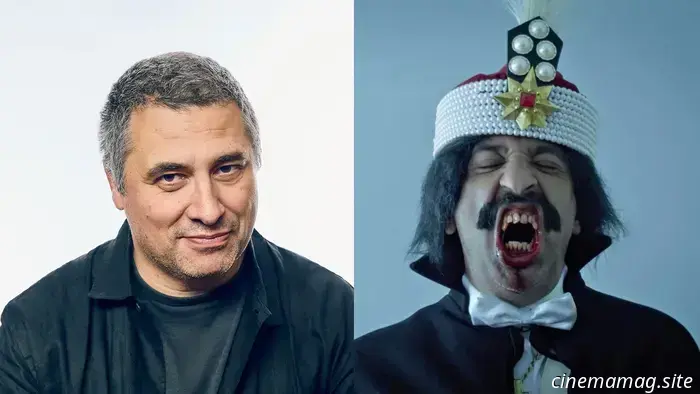
“Cinema Has the Potential to Expand”: Radu Jude Discusses Dracula, AI, and Ongoing Struggles
Radu Jude appears on screen against an AI-generated backdrop of Donald Trump wielding a machine gun while riding a giant kitten. The meaning behind this imagery is ambiguous, but true to form, the master of cinematic provocation kick-starts our discussion in his signature style. Radu Jude stands as Romania's most significant filmmaker of the past twenty years, chronicling the nation's transition from the Ceaușescu dictatorship to a new kind of turmoil: neoliberal capitalism. With sharp insight and a biting sense of humor, Jude's films not only address the harsh reality of societal struggles but do so with a unique affection for his homeland.
This dimension of his work challenges the simplistic label of "provocateur." Radu Jude transcends mere provocations; he chronicles how the world—and especially his native Romania—has devolved into a state of confusion and instability while focusing on those marginalized by society. His latest films, Dracula and Kontinental '25, differ markedly in scale and intent, yet both aim to document a place and its community.
Jude's interpretation of Dracula embodies his distinctive cinematic voice. Following his sharp, chaotic, and bleak critique of the film industry in Do Not Expect Too Much From the End of the World, this film delves deeply into the decay afflicting cinema. Centered on a filmmaker attempting to reimagine Dracula and who quickly succumbs to AI's allure, the film features a multitude of short films depicting various narrative possibilities he could pursue. One segment lampoons Coppola's Dracula through the lens of poorly executed generative AI, while another portrays Vlad the Impaler resurrected in contemporary times, played by a child, angrily confronting a cheesy tour in Transylvania for distorting his legacy. The overarching narrative involves a nightly live show about Dracula staged by a troupe in a bar. This show is interactive, allowing the audience to chase Dracula and his lover into the Transylvanian streets, "killing" them to conclude the performance. At one point, the leading actors, played by Gabriel Spahiu and Oana Maria Zaharia, decide to leave the exploitative entertainment behind and embark on their own journey.
Running nearly three hours, Jude's Dracula is a colossal work that encapsulates nearly every idea he's ever had. A riff on Nosferatu is interrupted by pop-up ads for adult websites, while another scene reimagines modern Vlad feeding on the elderly in a retirement home. By deconstructing his country’s most famous myth, Jude explores how other nations have profited from it without regard for its historical context, acknowledging his own country's ongoing struggle to control its narrative amid a post-dictatorship neoliberal crisis.
While his use of AI in the film unmistakably underscores its lifelessness—how it stifles creativity—Jude’s personal views remain surprising. Or perhaps not. Engaging with Radu Jude is often a blend of contradictions and feelings; one moment expressing sorrow over cinema's decline, the next offering a glimmer of hope as he portrays TikTok as the new folk art.
Before the release of Dracula, I spoke with Jude about the complex discussions surrounding AI, the avoidance of a singular style, and the limitations of film as a medium for revolution.
The Film Stage: Your Zoom background perfectly intros my question. You've fully embraced generative AI for Dracula, starting with it as the film's opening shot. There’s been much debate around this technology, and while you're making a clear statement by employing it within the Dracula context, you've still utilized it. How do you reconcile or frame this choice? I'm intrigued because you’ve created a captivating and humorous entry point, yet I feel conflicted for not outright rejecting it.
Radu Jude: Thank you, first and foremost. I think my interest in this lies in a personal curiosity and perhaps a desire to salvage cinema in a time that feels increasingly lost. Though it may have always been the case, over the last 10 to 20 years, there's a palpable sense of grief about cinema's demise. "Cinema is dying!"—but, in truth, it’s already been dead for 20 years, since the '90s or before. It feels like a never-ending funeral for filmmaking, with each new concern cited as a reason: no more celluloid film, great theaters disappearing, an oversaturation of streaming, and an overload of social media. I see the validity in these claims. I agree with the notion that cinema is dead, yet part of me asks, "What if that's not entirely true?"
It's also a bit of hesitation—maybe not laziness, but a fear of the new. I think we all experience that. I’ve found you can alleviate some of this fear by using the tools that intimidate you. Once you engage with them, you discover they're not as anti-cinematic as you initially believed. Perhaps cinema isn’t ending; maybe it can expand. It can become a broader category that includes things previously disregarded as
Other articles
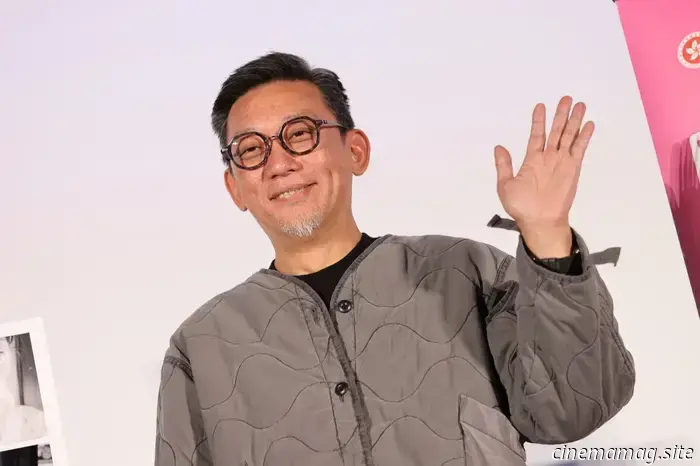 Soi Cheang Discusses Directing Action, the Sequel to Twilight of the Warriors, and the Outlook for Hong Kong Cinema
Although he may not be as widely recognized as many of his contemporaries from Hong Kong, Soi Cheang has skillfully navigated nearly every genre and style that the national cinema is revered for. His earlier cult classics, such as New Blood and the Johnnie To-produced Accident, eventually led to successes like the hit Kill Zone 2 and the major film Monkey.
Soi Cheang Discusses Directing Action, the Sequel to Twilight of the Warriors, and the Outlook for Hong Kong Cinema
Although he may not be as widely recognized as many of his contemporaries from Hong Kong, Soi Cheang has skillfully navigated nearly every genre and style that the national cinema is revered for. His earlier cult classics, such as New Blood and the Johnnie To-produced Accident, eventually led to successes like the hit Kill Zone 2 and the major film Monkey.
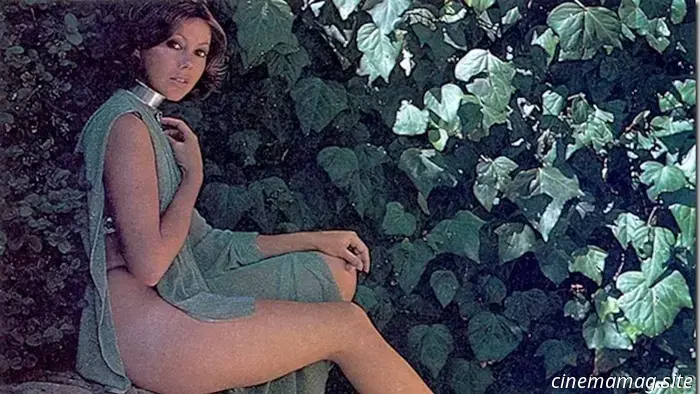 10 Movie Remakes We Would Love to See
Hollywood is awash with remakes — perhaps excessively so. However, these 10 films genuinely warrant remakes that could realize their true potential.
10 Movie Remakes We Would Love to See
Hollywood is awash with remakes — perhaps excessively so. However, these 10 films genuinely warrant remakes that could realize their true potential.
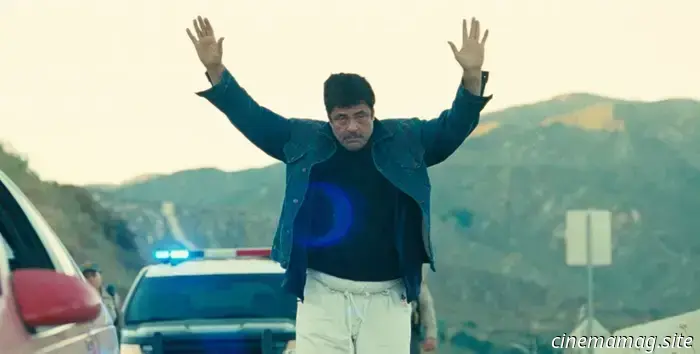 A Series of Conflicts Dominates the 2025 Gotham Award Nominations
Prepare for a string of accolades this season as Paul Thomas Anderson's One Battle After Another has dominated the initial significant nominations of the year at the 2025 Gotham Awards. This comedy-action gem garnered nominations for Best Feature, Best Director, Best Adapted Screenplay, Breakthrough Performer for Chase Infiniti, and Outstanding Supporting Performance for
A Series of Conflicts Dominates the 2025 Gotham Award Nominations
Prepare for a string of accolades this season as Paul Thomas Anderson's One Battle After Another has dominated the initial significant nominations of the year at the 2025 Gotham Awards. This comedy-action gem garnered nominations for Best Feature, Best Director, Best Adapted Screenplay, Breakthrough Performer for Chase Infiniti, and Outstanding Supporting Performance for
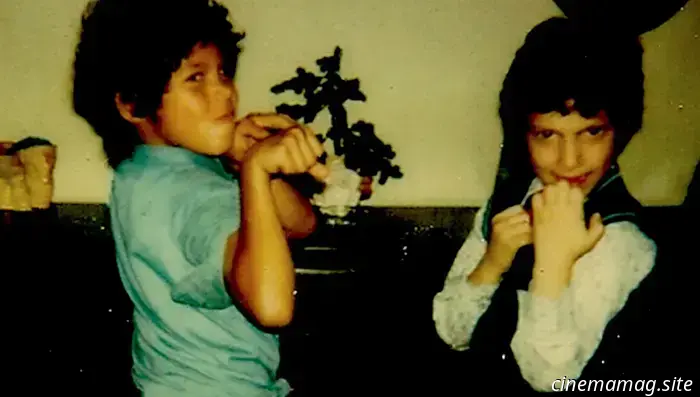 The exclusive trailer for Sons of Detroit showcases a filmmaker making a return to an iconic American city.
As America’s largest documentary film festival, DOC NYC, is set to begin on November 12, we are excited to unveil the first trailer and poster for one of the most eagerly awaited world premieres, Jeremy Xido’s Sons of Detroit. The film delves into themes of race, violence, and love in 1970s Detroit, showcasing the director’s return home for the first time in
The exclusive trailer for Sons of Detroit showcases a filmmaker making a return to an iconic American city.
As America’s largest documentary film festival, DOC NYC, is set to begin on November 12, we are excited to unveil the first trailer and poster for one of the most eagerly awaited world premieres, Jeremy Xido’s Sons of Detroit. The film delves into themes of race, violence, and love in 1970s Detroit, showcasing the director’s return home for the first time in
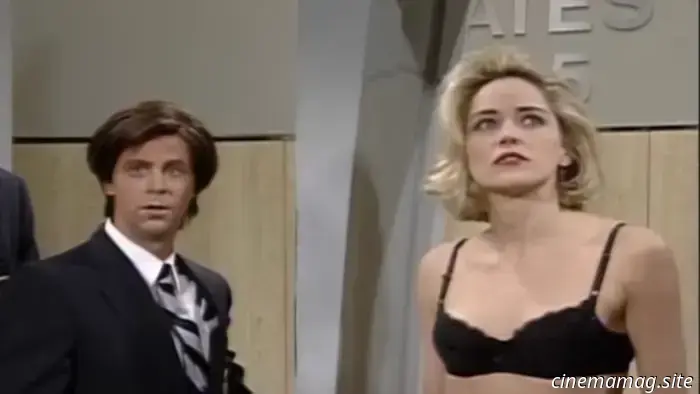 11 Classic SNL Sketches That Wouldn't Be Suitable Today
These SNL sketches might still be humorous — or they may not appeal to you, depending on your preferences — but it’s unlikely that the current Saturday Night Live would try to do them.
11 Classic SNL Sketches That Wouldn't Be Suitable Today
These SNL sketches might still be humorous — or they may not appeal to you, depending on your preferences — but it’s unlikely that the current Saturday Night Live would try to do them.
.jpg) 5 Lucrative Movie Musicals That Earned 30 Times Their Budget at the Box Office (or Even More)
Here are five highly successful movie musicals that earned at least 30 times their production budget at the box office.
5 Lucrative Movie Musicals That Earned 30 Times Their Budget at the Box Office (or Even More)
Here are five highly successful movie musicals that earned at least 30 times their production budget at the box office.
“Cinema Has the Potential to Expand”: Radu Jude Discusses Dracula, AI, and Ongoing Struggles
Radu Jude appears on screen against an AI-generated backdrop featuring a machine gun-wielding Donald Trump atop a massive kitten. The intended message is ambiguous, but as always, cinema’s top provocateur starts our discussion in the only way he knows: with an unconventional approach. Without a doubt, he is Romania's most significant filmmaker of the past