
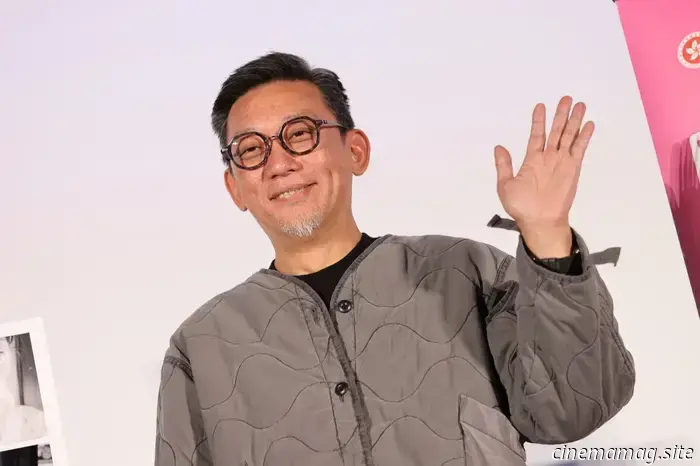
Soi Cheang Discusses Directing Action, the Sequel to Twilight of the Warriors, and the Outlook for Hong Kong Cinema
While not as renowned as many of his peers from Hong Kong, Soi Cheang has effectively mastered nearly every genre and style cherished by the national cinema. His early cult hits like New Blood and the Johnnie To-produced Accident paved the way for successful films like Kill Zone 2 and the blockbuster Monkey King trilogy. In recent years, Soi has blended festival favorites like Limbo with major international crossovers such as Twilight of the Warriors: Walled In.
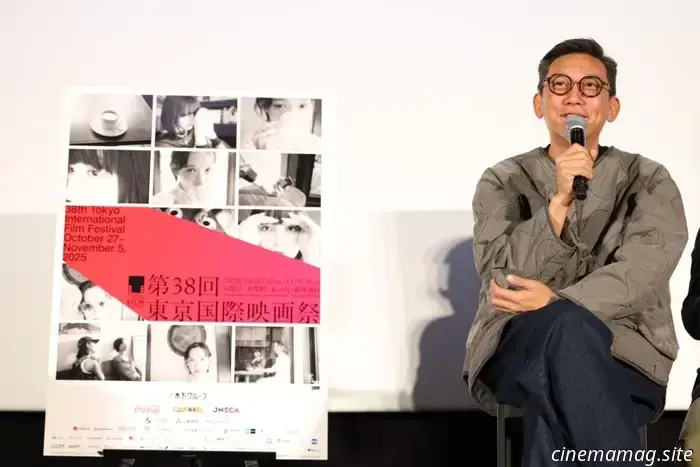
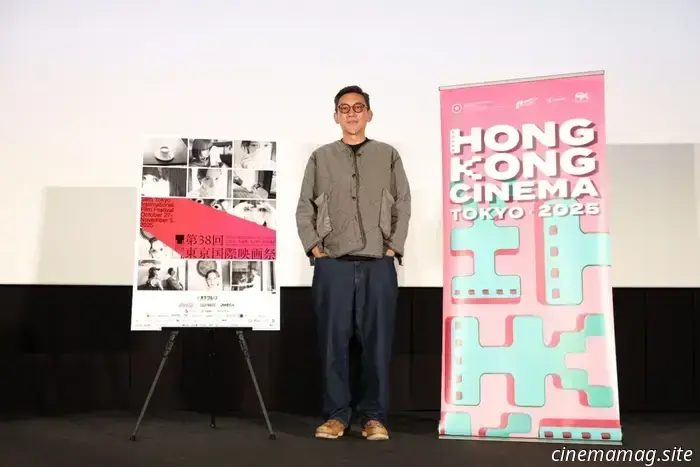
It’s no surprise that he would give a masterclass seminar at this year’s Tokyo International Film Festival, which concluded with a screening of Walled In. I had the privilege of speaking with Soi shortly before the seminar started, and over the course of thirty minutes, I received a personal insight into his experience in Hong Kong’s film industry over the past twenty-five years.
The Film Stage: You’ve directed numerous films across various genres, including subgenres. When asked to give a masterclass, did any consistent advice emerge—some core principle of your practice?
Soi Cheang: Regarding the artistic side and film handling, I don’t have much to instruct new directors on; I don’t want to stifle their creativity. What I can share is my experiences and how I navigate challenges during filming. I believe this is the most effective way to influence emerging directors.
What are the recurring challenges you’ve faced as a filmmaker?
Loss. I often feel lost during shoots. It's a common experience. When a director aims to convey their own ideas in the creative process, feelings of confusion arise in various stages. This is quite normal. A creative individual will experience this loss repeatedly throughout their life, as they search for their own path in filmmaking, ultimately arriving at what feels right. The journey is lengthy, and losing one’s way is part of it until they can confidently say, “This is my style.” Embrace the loss.
In regard to films like the Monkey King trilogy, which feature extensive effects, Accident, which is smooth and romantic, Motorway, with a traditional action-thriller aspect, and Limbo, a gritty detective film—what distinguishes the ways you experience confusion in each?
The Monkey King is part of a franchise. It serves as a significant learning experience for me. I aimed to “hide myself” because the franchise's identity overshadows the director; the characters hold more importance. My goal was to present the story to the audience without revealing much of myself, which may be interpreted as a kind of “loss”—that I needed to return to Hong Kong and shoot Limbo to rediscover my style. I also felt some uncertainty about whether I was pursuing the right direction or style, and ultimately I decided on shooting Limbo in black-and-white.
Many of your recent films involve action and crime, whereas you started in horror. Do you think this early work has left a lasting influence on the tone and shape of your films, which tend to be darker than a typical action or detective story?
Absolutely, I believe my early horror films instilled strengths in me. I learned how to create atmosphere and mood. Over time, as I directed horror films and cultivated that atmosphere, my style developed. Initially, I was adept at this, and once I identified my style, I realized, “This reflects how I perceive the world, and this is how I want to convey films.” Past work influences current projects.
You’ve been candid about the influence of certain mentors you’ve worked with. Your time at Milkyway and your experiences with Ringo Lam have significantly impacted you.
Ringo Lam often approached film from a darker perspective, highlighting the struggles of people: “These are the fortunate ones, but there’s always a shadow side.” That’s what I learned from Ringo. Meanwhile, from Johnnie To at Milkyway, I absorbed a distinctive attitude. Before collaborating with Johnnie, I had already directed multiple films, and when the time came to work together, I truly understood the beauty and profound nature of filmmaking.
It isn’t an easy journey. Even with multiple films under your belt, there’s always room for improvement, and that’s how they function. From Ringo, I learned to consider the darker aspects of humanity, while from Johnnie To, I learned to elevate the overall film experience.
Did your collaboration on Accident and Mad Fate change your working relationship with To?
I anticipated that after several projects, Johnnie To would have more confidence in my abilities, but he remained consistent: his feedback is always direct and candid. If something isn’t right, he won’t shout but might become frustrated. But I appreciate that! [Laughs] Returning to Milkyway after directing several films felt like going back to school.
With your significant international success from Twilight of the Warriors, have you perceived any changes in your standing within the Hong Kong industry? What pressures arise for someone aiming to maintain a creative role?
Certainly, my later work has been influenced by it. Given
Other articles
 10 Movie Remakes We Would Love to See
Hollywood is awash with remakes — perhaps excessively so. However, these 10 films genuinely warrant remakes that could realize their true potential.
10 Movie Remakes We Would Love to See
Hollywood is awash with remakes — perhaps excessively so. However, these 10 films genuinely warrant remakes that could realize their true potential.
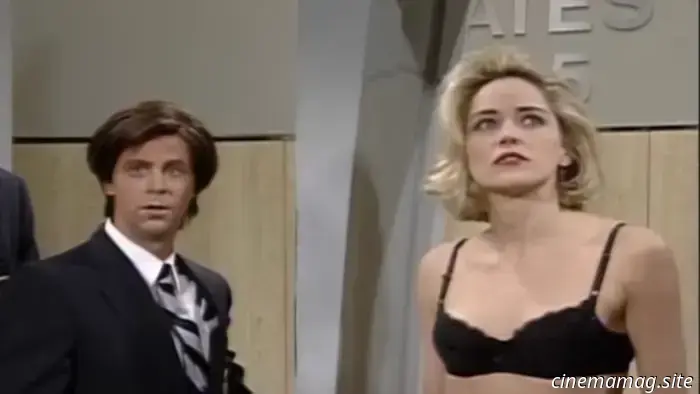 11 Classic SNL Sketches That Wouldn't Be Suitable Today
These SNL sketches might still be humorous — or they may not appeal to you, depending on your preferences — but it’s unlikely that the current Saturday Night Live would try to do them.
11 Classic SNL Sketches That Wouldn't Be Suitable Today
These SNL sketches might still be humorous — or they may not appeal to you, depending on your preferences — but it’s unlikely that the current Saturday Night Live would try to do them.
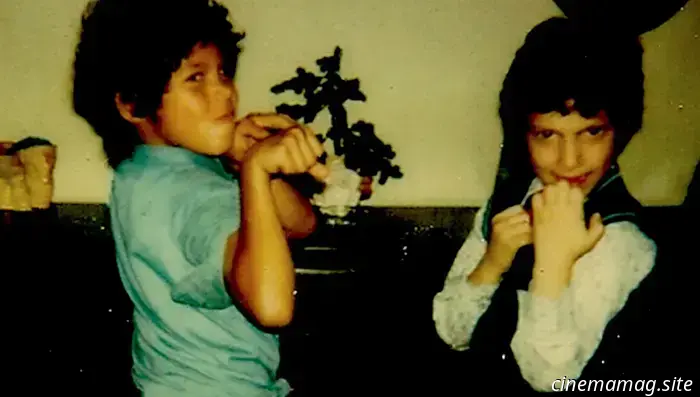 The exclusive trailer for Sons of Detroit showcases a filmmaker making a return to an iconic American city.
As America’s largest documentary film festival, DOC NYC, is set to begin on November 12, we are excited to unveil the first trailer and poster for one of the most eagerly awaited world premieres, Jeremy Xido’s Sons of Detroit. The film delves into themes of race, violence, and love in 1970s Detroit, showcasing the director’s return home for the first time in
The exclusive trailer for Sons of Detroit showcases a filmmaker making a return to an iconic American city.
As America’s largest documentary film festival, DOC NYC, is set to begin on November 12, we are excited to unveil the first trailer and poster for one of the most eagerly awaited world premieres, Jeremy Xido’s Sons of Detroit. The film delves into themes of race, violence, and love in 1970s Detroit, showcasing the director’s return home for the first time in
.jpg) 5 Lucrative Movie Musicals That Earned 30 Times Their Budget at the Box Office (or Even More)
Here are five highly successful movie musicals that earned at least 30 times their production budget at the box office.
5 Lucrative Movie Musicals That Earned 30 Times Their Budget at the Box Office (or Even More)
Here are five highly successful movie musicals that earned at least 30 times their production budget at the box office.
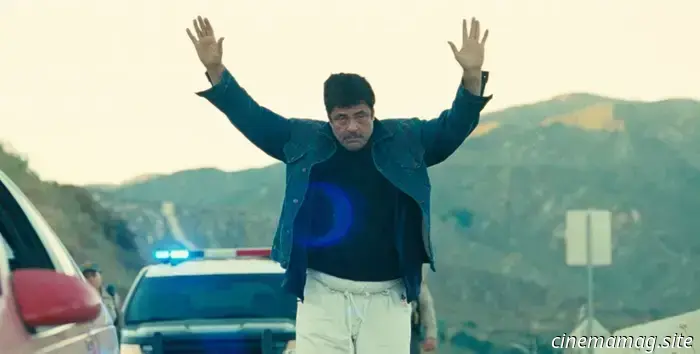 A Series of Conflicts Dominates the 2025 Gotham Award Nominations
Prepare for a string of accolades this season as Paul Thomas Anderson's One Battle After Another has dominated the initial significant nominations of the year at the 2025 Gotham Awards. This comedy-action gem garnered nominations for Best Feature, Best Director, Best Adapted Screenplay, Breakthrough Performer for Chase Infiniti, and Outstanding Supporting Performance for
A Series of Conflicts Dominates the 2025 Gotham Award Nominations
Prepare for a string of accolades this season as Paul Thomas Anderson's One Battle After Another has dominated the initial significant nominations of the year at the 2025 Gotham Awards. This comedy-action gem garnered nominations for Best Feature, Best Director, Best Adapted Screenplay, Breakthrough Performer for Chase Infiniti, and Outstanding Supporting Performance for
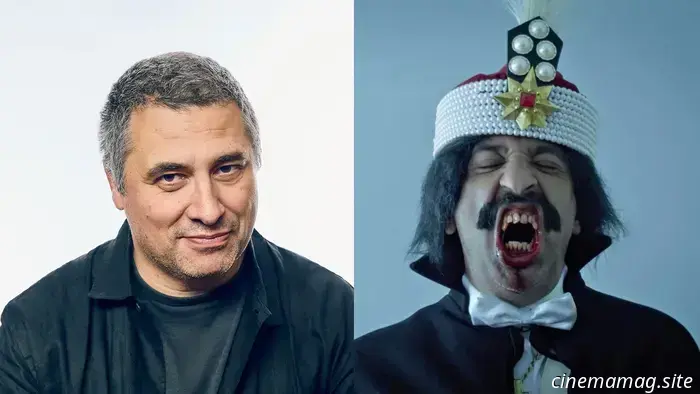 “Cinema Has the Potential to Expand”: Radu Jude Discusses Dracula, AI, and Ongoing Struggles
Radu Jude appears on screen against an AI-generated backdrop featuring a machine gun-wielding Donald Trump atop a massive kitten. The intended message is ambiguous, but as always, cinema’s top provocateur starts our discussion in the only way he knows: with an unconventional approach. Without a doubt, he is Romania's most significant filmmaker of the past
“Cinema Has the Potential to Expand”: Radu Jude Discusses Dracula, AI, and Ongoing Struggles
Radu Jude appears on screen against an AI-generated backdrop featuring a machine gun-wielding Donald Trump atop a massive kitten. The intended message is ambiguous, but as always, cinema’s top provocateur starts our discussion in the only way he knows: with an unconventional approach. Without a doubt, he is Romania's most significant filmmaker of the past
Soi Cheang Discusses Directing Action, the Sequel to Twilight of the Warriors, and the Outlook for Hong Kong Cinema
Although he may not be as widely recognized as many of his contemporaries from Hong Kong, Soi Cheang has skillfully navigated nearly every genre and style that the national cinema is revered for. His earlier cult classics, such as New Blood and the Johnnie To-produced Accident, eventually led to successes like the hit Kill Zone 2 and the major film Monkey.