
A Magical Life: Cinematographer Adolpho Veloso Discusses the Art of Filming Dreams in Train Dreams
Robert Grainier leads a constrained life marked by hard work and sudden, unexplainable tragedy. Portrayed by Joel Edgerton in Train Dreams, he is a character who observes rather than engages.
Adapted from a novella by Denis Johnson, Train Dreams traces Grainier from his childhood through the experiences that shape his quiet, unnoticed existence. The period drama, written by Clint Bentley and Greg Kwedar, also features Felicity Jones as his wife Gladys, along with William H. Macy and Kerry Condon.
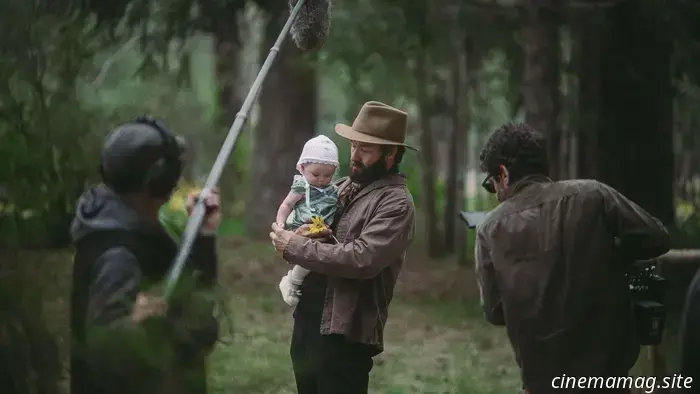
Director of photography Adolpho Veloso collaborated with Bentley on his previous project, Jockey, a vivid character exploration featuring Clifton Collins, Jr. Filmed primarily on location in Washington, Train Dreams is one of the most visually stunning films of the year.
At this year's EnergaCAMERIMAGE, we spoke with Veloso, who, along with Edgerton, presented Train Dreams during a special screening. The film is currently available for streaming on Netflix, and you can find our other discussions regarding its production here.
The Film Stage: Can you elaborate on your visual style? Why did you opt for a boxy aspect ratio?
Adolpho Veloso: This decision stemmed from our initial discussions about creating a visual representation of memories. We wanted the audience to feel as if they were observing someone’s memories, akin to discovering a box filled with disorganized photographs of a life, where some images are staged while others are more candid.
With this metaphor in mind, and after seeing many historical photographs of loggers from that era during our research, we chose the 3:2 aspect ratio, which mirrors that of still photographs. When you browse through old pictures or even photos on your phone today, this is typically the aspect ratio you encounter.
Knowing that a lot of our shooting would take place in nature, we intended to use the trees and sky as a character themselves. The taller aspect ratio would not only showcase the natural environment but also allow us to isolate Joel's character, Robert Grainier, within it. We could place him at the bottom of the frame, providing ample headroom. We also drew inspiration from Dorothea Lange’s portraits from the Great Depression, where she captured a unique beauty amidst chaos and despair by isolating subjects while showcasing their surroundings.
Did this aspect ratio influence your framing?
Absolutely. Throughout many scenes, we created a spacious feel around the characters to illustrate how their environments affect them. One of the themes we explore is how humans impact nature and the places they inhabit, and how our impositions on nature alter our lives.
How did you handle the framing inside the cabin at night? What did you place behind Robert and Gladys?
We had two significant scenes where they are eating and conversing, each carrying a different tone. In the first, their interaction is positive and lively, so we wanted to create a warm atmosphere with candles set on and around the table, allowing the cabin to be visible. In the other scene, marked by tension and misunderstanding, we aimed to isolate them, illuminating only their figures and letting the cabin fade into darkness.
The framing differed as well. In one scene, they are close and connected, while in the other, they are more isolated. We collaborated closely with production designer Alex [Alexandra Schaller] and her team to meticulously arrange the elements within each frame, varying scene to scene. The entire cabin was built on location, which allowed for authentic interactions; if the actors opened a drawer, there were items inside that contributed to the realism.
What did you intend to achieve with the scene where a newcomer threatens Apostle Frank [Paul Schneider], captured without camera movement or cuts?
As a principle in this film, we wanted to avoid glamorizing violence. In the initial scene on the bridge, we maintained our distance intentionally, eschewing typical close-ups of guns or shooters, and instead depicting the event in a way that aligned with the historical context without sensationalizing it—making it feel more observational.
With Apostle Frank, we wanted to convey a sense of being an onlooker who might be taking a break and suddenly witnesses a shooting. It was important that the camera only pulled back to reveal the individual speaking, creating a natural reveal of the moment. It’s exhibited almost like you hear him first before you see him as the shot pulls away.
Our objective was to be intentional with the camera's use: questioning why it moves and how characters are placed. In that scene, we established a fresh presence in the frame, allowing viewers to feel like passive witnesses to the unfolding events. Eventually, after the event, they return to their lives.
This approach captured the overarching intention of the film: to immerse the audience in the story, placing them as silent witnesses alongside the characters.
The narration indicates the entire film is set in the past, akin to a flashback, with Grainier's observations becoming memories that will also shape our recollections of the film.
Indeed. Clint and

Other articles
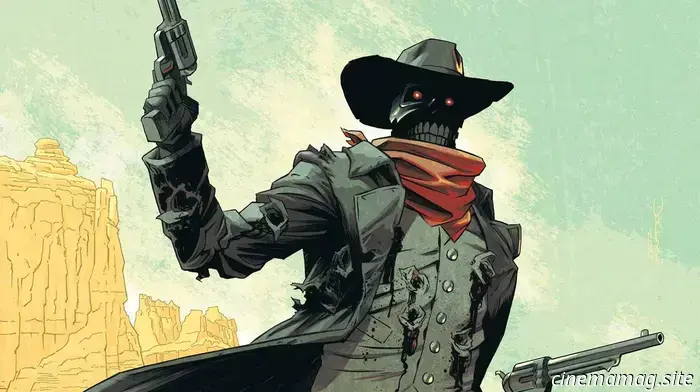 Comic Book Sneak Peek – The Terminator: Metal #3
The Terminator: Metal #3 will be released this Wednesday, and we have the official preview for you below, provided by Dynamite Entertainment… Skynet could be an all-powerful AI with nearly limitless…
Comic Book Sneak Peek – The Terminator: Metal #3
The Terminator: Metal #3 will be released this Wednesday, and we have the official preview for you below, provided by Dynamite Entertainment… Skynet could be an all-powerful AI with nearly limitless…
 Melissa Roxburgh is back in the trailer for season 2 of The Hunting Party.
NBC has unveiled a new trailer, poster, and images for the second season of its crime procedural series The Hunting Party, which features former FBI profiler Bex (Melissa Roxburgh) as she continues to lead her team…
Melissa Roxburgh is back in the trailer for season 2 of The Hunting Party.
NBC has unveiled a new trailer, poster, and images for the second season of its crime procedural series The Hunting Party, which features former FBI profiler Bex (Melissa Roxburgh) as she continues to lead her team…
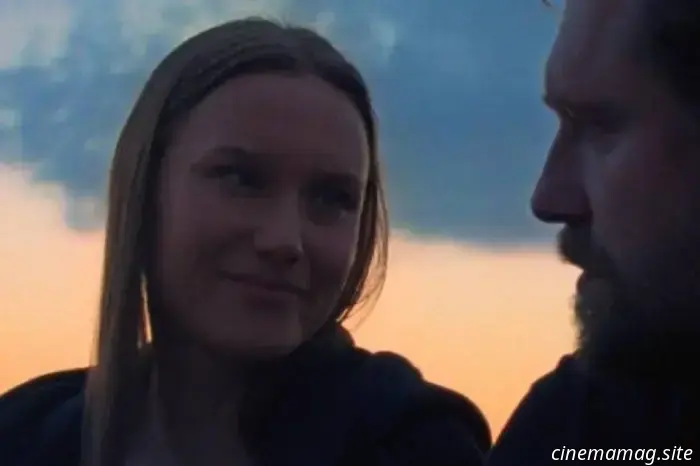 Four Movies to Watch from the 2025 Tallinn Black Nights Film Festival
In a year marked by hysteria and confusion, the one thing I genuinely sought from a film festival was an escape. I'm tired of films that attempt to present themselves as catalysts for political change. True art isn't created to persuade you of anything or serve as a tool.
Four Movies to Watch from the 2025 Tallinn Black Nights Film Festival
In a year marked by hysteria and confusion, the one thing I genuinely sought from a film festival was an escape. I'm tired of films that attempt to present themselves as catalysts for political change. True art isn't created to persuade you of anything or serve as a tool.
 Additional LEGO Star Wars sets for Winter 2026 have been officially announced.
After an initial glimpse at LEGO's mid-scale AT-AT, Venator-Class Attack Cruiser, and the buildable BB-8 model, The LEGO Group has now revealed five additional sets from its Star Wars Winter 2026 collection.
Additional LEGO Star Wars sets for Winter 2026 have been officially announced.
After an initial glimpse at LEGO's mid-scale AT-AT, Venator-Class Attack Cruiser, and the buildable BB-8 model, The LEGO Group has now revealed five additional sets from its Star Wars Winter 2026 collection.
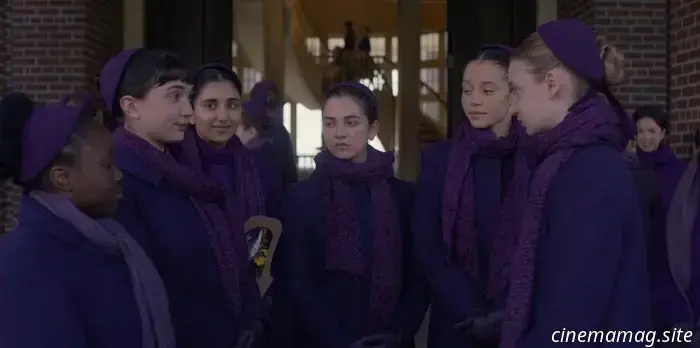 The sequel series to The Handmaid’s Tale, titled The Testaments, has revealed its first look images.
Disney+ unveiled a collection of images this past weekend at CCXP Brazil, providing a first glimpse of The Handmaid’s Tale sequel series, The Testaments. This series is inspired by Margaret Atwood’s novel of the same name.
The sequel series to The Handmaid’s Tale, titled The Testaments, has revealed its first look images.
Disney+ unveiled a collection of images this past weekend at CCXP Brazil, providing a first glimpse of The Handmaid’s Tale sequel series, The Testaments. This series is inspired by Margaret Atwood’s novel of the same name.
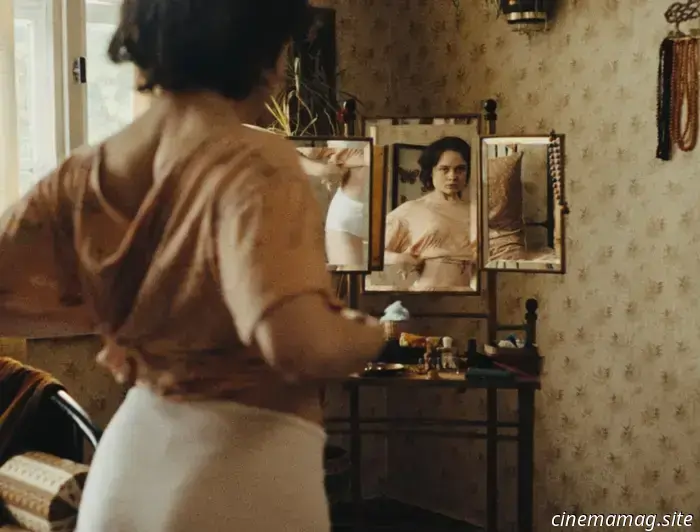 Sound of Falling Trailer: Mascha Schilinski's Cannes Award Winner Set to Release This January
One of the most exciting premieres at this year's Cannes Film Festival was Mascha Schilinski's expansive family saga, Sound of Falling, which earned the Jury Prize and is set to represent Germany at the Oscars this year. With a theatrical release scheduled for January 16, MUBI has unveiled a new U.S. trailer. Here’s the
Sound of Falling Trailer: Mascha Schilinski's Cannes Award Winner Set to Release This January
One of the most exciting premieres at this year's Cannes Film Festival was Mascha Schilinski's expansive family saga, Sound of Falling, which earned the Jury Prize and is set to represent Germany at the Oscars this year. With a theatrical release scheduled for January 16, MUBI has unveiled a new U.S. trailer. Here’s the
A Magical Life: Cinematographer Adolpho Veloso Discusses the Art of Filming Dreams in Train Dreams
Robert Grainier leads a restricted life filled with relentless labor and unexpected, mysterious misfortune. Portrayed by Joel Edgerton in Train Dreams, he is a character who observes rather than engages. Adapted from a novella by Denis Johnson, Train Dreams delves into Grainier's life from his youth through a series of events that form a subtle, overlooked narrative.