
The Finest Cinematography of 2025
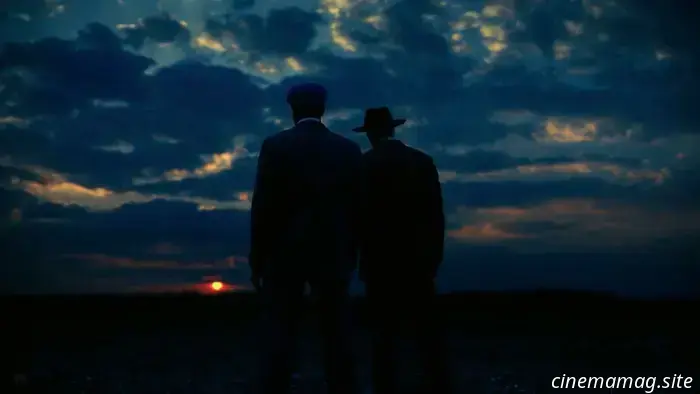
“A cinematographer is like a visual psychiatrist—guiding an audience through a film [...] shaping their thoughts, creating images in darkness,” remarked the late and legendary Gordon Willis. As we continue our year-end reflections, it’s essential to acknowledge the contributions of various artists. From emerging talents to experienced veterans, we’ve compiled the works that have left a significant impact on us this year.
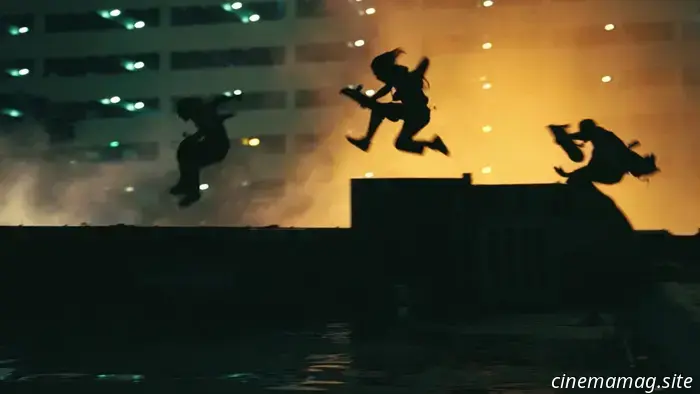
**28 Years Later (Anthony Dod Mantle)**
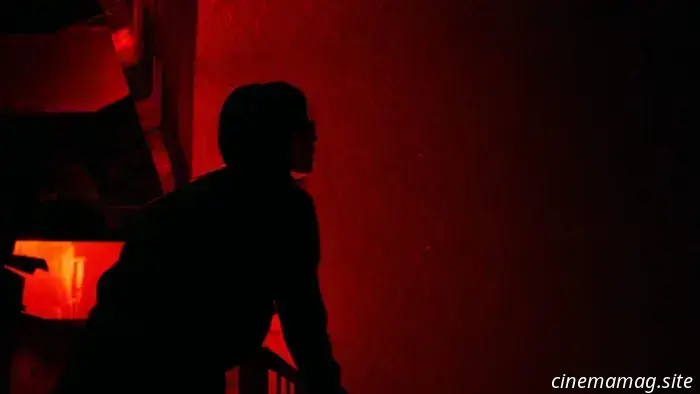
This film would deserve recognition based solely on its execution. Returning to the post-apocalyptic realm of zombies after over two decades since the groundbreaking visual style of 28 Days Later, Danny Boyle and Anthony Dod Mantle crafted a sequel that blends traditional and luxurious elements, particularly striking given that they primarily used an iPhone for much of the filming, which added a unique tessellated effect and exciting kill sequences. As Mantle shared in a detailed interview, “For Danny, the core idea was that this small device—potentially left lying in a field 28 years later in Britain—could capture powerful images.” Though I eagerly await next month’s sequel, I suspect it may not measure up. Here’s hoping Boyle and Mantle can deliver an astonishing conclusion to this innovative trilogy. – Nick N.
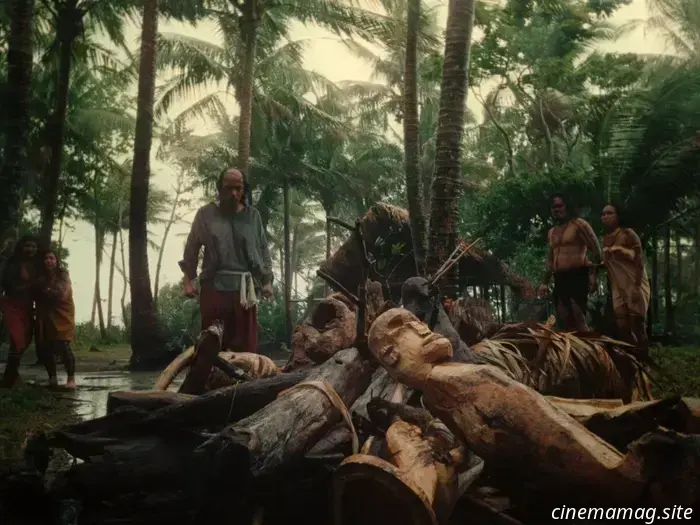
**Afternoons of Solitude and Magellan (Artur Tort)**
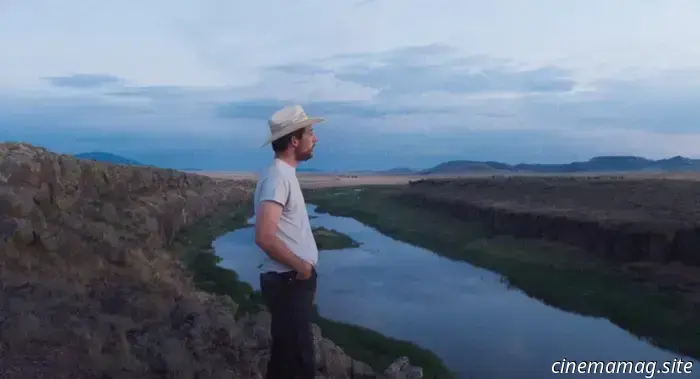
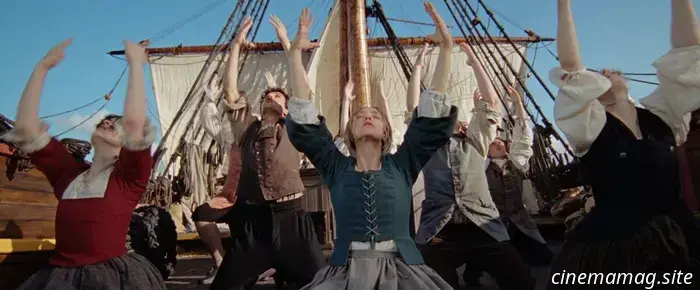
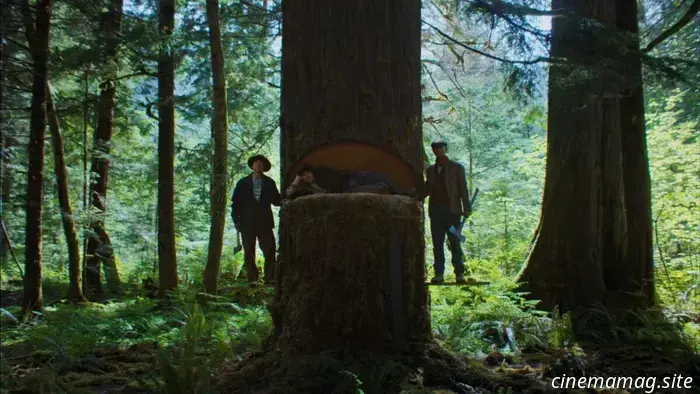
Artur Tort has created a powerful wave of stark yet beautiful cinematography in 2025, highlighted by the intense violence of its subjects: colonizers and murderers. Between Albert Serra’s Afternoons of Solitude, depicting the intimate and brutal realities of outdated Spanish bullfighting, and Lav Diaz’s Magellan, an ambitious epic that features extended shots with minimal camera movement, the 35-year-old filmmaker has demonstrated an exceptional talent for capturing varied styles and framing techniques. He presents each film with distinctiveness while maintaining a common thread of themes centered on brutality and humanity's relentless pursuit of power. – Luke H.
**April (Arseni Khachaturan)**
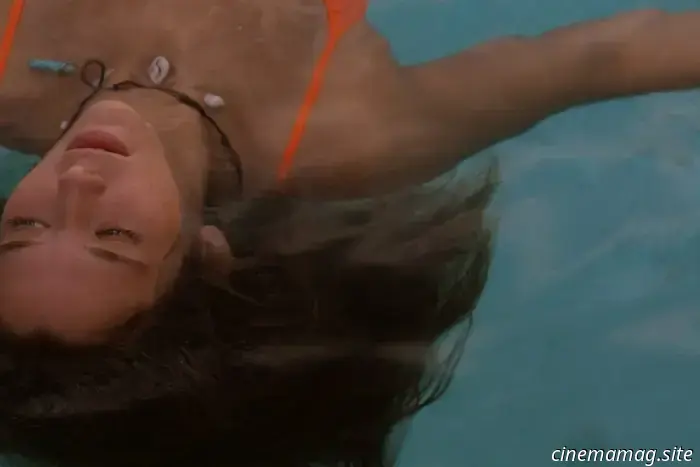
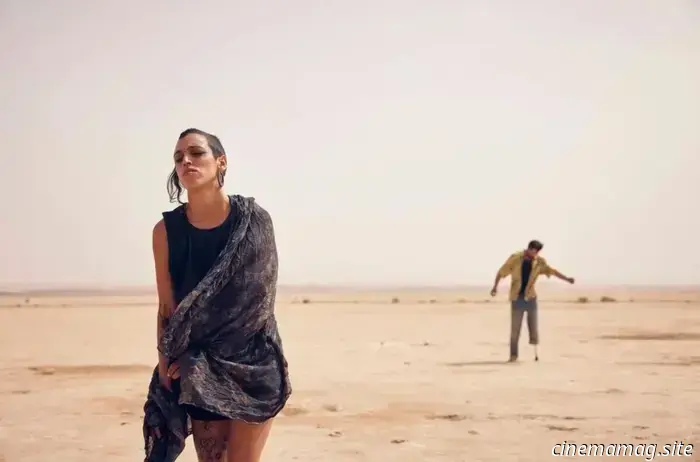
Using an Arricam LT and mainly an 18mm lens, cinematographer Arseni Khachaturan presents two perspectives in April—a captivating film that balances the beauty of nature with human-made horrors. One perspective resembles that of a strange, otherworldly creature discovering the world for the first time—the river in the rain, poppies in the wind, and stormy weather. The other perspective lingers on Nina’s constrained, boxed life as she explores at night. Khachaturan often adjusts the focus, creating surprising depth in each shot, whether it’s the distant glow of streetlights, the tension in her neck during an autopsy, or a car stuck in mud. In April, every frame serves as a thoughtful reminder to pay close attention. – Nirris N.
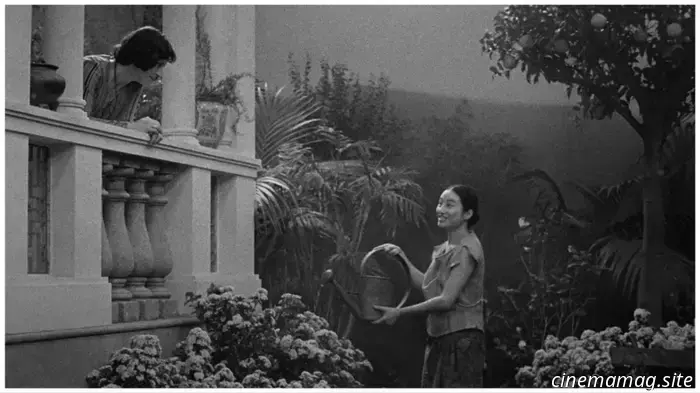
**The Ballad of Suzanne Césaire and Peter Hujar’s Day (Alex Ashe)**
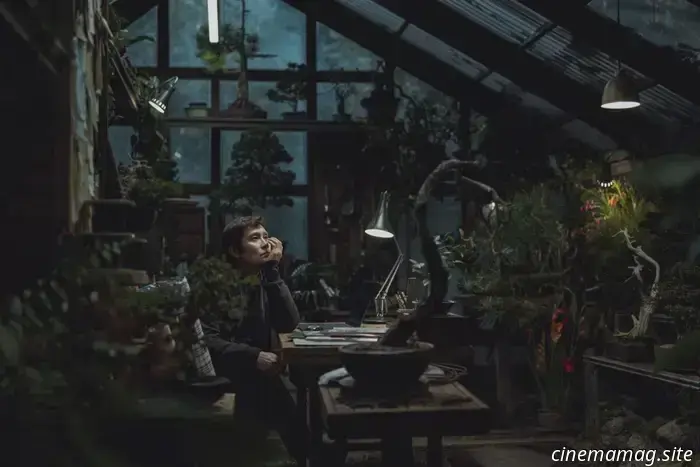
In the experimental biopic The Ballad of Suzanne Césaire, Alex Ashe weaves rich 16mm visuals with an immersive soundscape and organic music, developing a intellectually driven exploration of Césaire’s legacy through a visual, experiential lens. Meanwhile, in Peter Hujar’s Day, Ashe skillfully prevents Linda Rosenkrantz’s apartment from feeling overly theatrical by occasionally breaking away from the standard interview format, integrating posed portraiture of Hujar (played by Ben Whishaw) and Rosenkrantz (Rebecca Hall) that reminiscent of Hujar's photographic style. Across these two projects, Ashe establishes himself as an emerging talent in the realm of 16mm cinematography. – Caleb H.
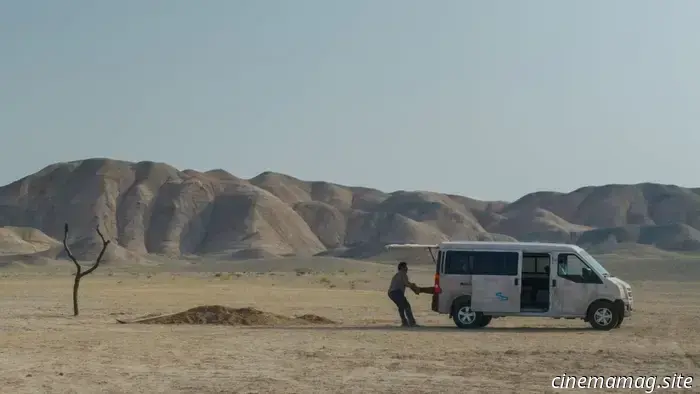
**Caught by the Tides (Nelson Yu Lik-wai, Éric Gautier)**
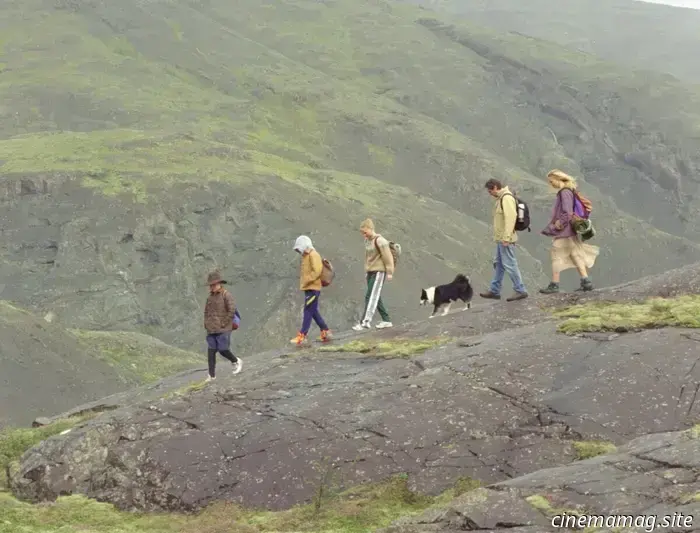
One of the year’s most unusual and captivating films, Jia Zhangke’s Caught by the Tides merges over 20 years of footage from both completed and abandoned projects, anchored by one of the greatest actors of our time, who is also his muse and wife, Zhao Tao. With a variety of visual styles from longstanding collaborator Nelson Yu Lik-wai, who has worked with Jia since 2000, and Éric Gautier (who was the DP on Ash Is Purest White), he repurposes the cinematographic remnants of his high-profile DP colleagues as if they were always intended to lead into the main course of the film. – Luke H.
**BLKNWS: Terms & Conditions (Bradford Young and others)**
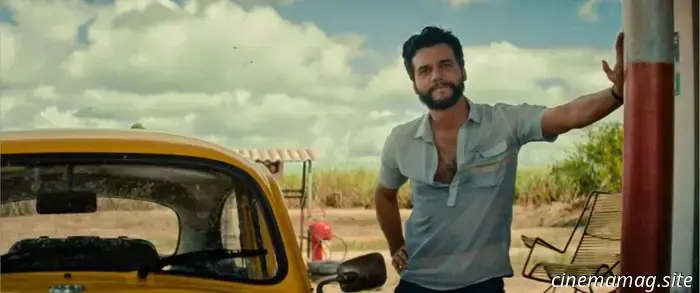
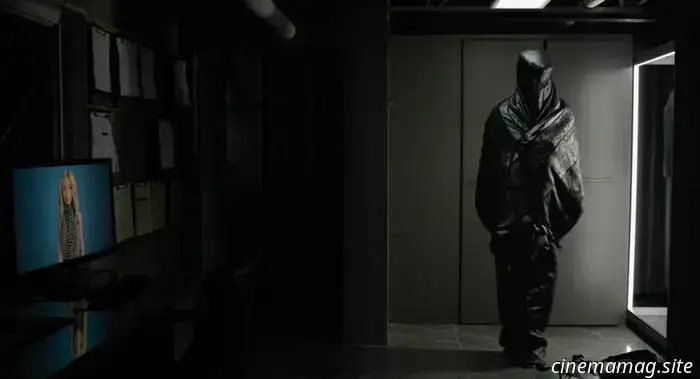
Due to the mixed-media style of Kahlil Joseph’s vibrant and engaging debut feature, BLKNWS: Terms & Conditions, the list of cinematographers featured in the film is extensive, including notable talents like Jomo Fray, who worked on Raven Jackson’s segment. However, Bradford Young is credited with much of the film’s original footage. In exploring the vast African diaspora, Joseph draws a connection with curator Funmilayo Akechukwu’s ongoing endeavor, The Resonance Field, which is vividly illustrated through Young’s lens as a journalist navigates a futuristic vessel called the Naut














Other articles
 “It’s an Impossible Mission”: Bi Gan on the Extended Journey and Long Takes of Resurrection
Few figures in modern cinema are as enigmatic as Bi Gan, and no film this year raised more questions than Resurrection, his follow-up to Long Days Journey Into Night, which came seven years later and had been the topic of considerable speculation. It turned out to be quite divisive when it premiered at the end of this year's film festival.
“It’s an Impossible Mission”: Bi Gan on the Extended Journey and Long Takes of Resurrection
Few figures in modern cinema are as enigmatic as Bi Gan, and no film this year raised more questions than Resurrection, his follow-up to Long Days Journey Into Night, which came seven years later and had been the topic of considerable speculation. It turned out to be quite divisive when it premiered at the end of this year's film festival.
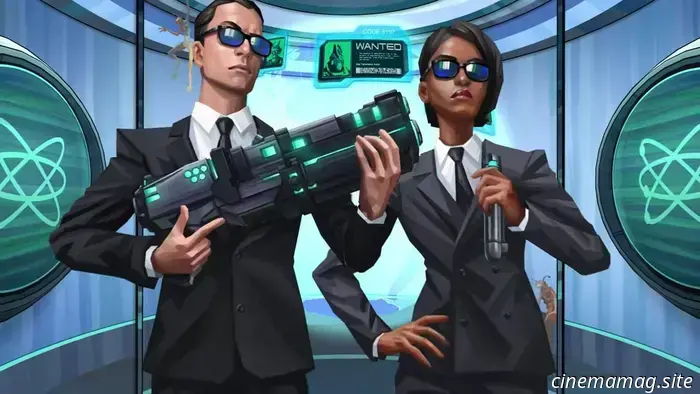 Men In Black: Most Wanted is now available on Meta Quest 2 and 3.
Coatsink’s Men In Black: Most Wanted is now accessible on Meta Quest 2 and Meta Quest 3, enabling players to immerse themselves in the renowned franchise as an MIB agent and explore a hostile alien environment.
Men In Black: Most Wanted is now available on Meta Quest 2 and 3.
Coatsink’s Men In Black: Most Wanted is now accessible on Meta Quest 2 and Meta Quest 3, enabling players to immerse themselves in the renowned franchise as an MIB agent and explore a hostile alien environment.
 The Drama Trailer: Robert Pattinson and Zendaya’s Relationship Becomes Troubled
Following the absurdist comedic one-two punch of Sick of Myself and Dream Scenario, Norwegian filmmaker Kristoffer Borgli is set to return this spring with The Drama, the first in a trilogy of films featuring Robert Pattinson and Zendaya this upcoming year, ahead of the latest offerings from Christopher Nolan and Denis Villeneuve. A24 has just unveiled the initial trailer. Captured by Arseni
The Drama Trailer: Robert Pattinson and Zendaya’s Relationship Becomes Troubled
Following the absurdist comedic one-two punch of Sick of Myself and Dream Scenario, Norwegian filmmaker Kristoffer Borgli is set to return this spring with The Drama, the first in a trilogy of films featuring Robert Pattinson and Zendaya this upcoming year, ahead of the latest offerings from Christopher Nolan and Denis Villeneuve. A24 has just unveiled the initial trailer. Captured by Arseni
 New teaser for the Prince Naseem Hamed biopic, Giant.
With only a month remaining until its release in theaters, a new trailer has been released online for the forthcoming biographical drama, Giant. It is written and directed by Rowan Athale, with production by Sylvester Stallone.
New teaser for the Prince Naseem Hamed biopic, Giant.
With only a month remaining until its release in theaters, a new trailer has been released online for the forthcoming biographical drama, Giant. It is written and directed by Rowan Athale, with production by Sylvester Stallone.
 Mattel has unveiled the Masters of the Universe Origins 200X figures for Evil-Lyn, Man-At-Arms, Moss Man, and Ram-Man.
Mattel has officially announced the second wave of the Masters of the Universe Origins 200x action figures, which draw inspiration from the classic looks of the characters in the 1980s animated series.
Mattel has unveiled the Masters of the Universe Origins 200X figures for Evil-Lyn, Man-At-Arms, Moss Man, and Ram-Man.
Mattel has officially announced the second wave of the Masters of the Universe Origins 200x action figures, which draw inspiration from the classic looks of the characters in the 1980s animated series.
 The drama Sound of Falling, which won the Cannes Jury Prize, has released a trailer and a poster.
MUBI has released a trailer for "Sound of Falling," a film directed and written by Mascha Schilinski that won the Cannes Jury Prize. This German drama explores the lives of four generations of young women spanning from the 1910s to the 1940s…
The drama Sound of Falling, which won the Cannes Jury Prize, has released a trailer and a poster.
MUBI has released a trailer for "Sound of Falling," a film directed and written by Mascha Schilinski that won the Cannes Jury Prize. This German drama explores the lives of four generations of young women spanning from the 1910s to the 1940s…
The Finest Cinematography of 2025
"A cinematographer serves as a visual psychiatrist—guiding the audience’s thoughts throughout a film [...] influencing their perceptions and crafting images in the shadows," remarked the late, esteemed Gordon Willis. As we proceed with our year-end review, we must acknowledge their contributions. From gifted newcomers to experienced veterans, we've compiled a selection of examples that have