

Avatar: Fire and Ash Review: James Cameron Takes a Hands-On Approach
With a mix of emotions, Avatar: Fire and Ash concludes a significant era in grand filmmaking, particularly as the maximalist vision and boundary-pushing creativity of James Cameron are becoming increasingly rare. Few directors possess the skill to balance a comprehensive approach with coherent storytelling, and even fewer maintain the level of care and precision that Cameron insists on during the creative process. Reflect on the multitude of superhero blockbusters that have emerged over the sixteen years Cameron has dedicated to Pandora. The diminishing quality of many of these films starkly contrasts with the exceptional quality control evident in Cameron's work. Despite claims of cultural irrelevance amid large audience turnouts, it's clear that the director and his team have crafted skies, forests, and oceans that viewers want to immerse themselves in. Now that his distant world is fully realized, Fire and Ash provides the seasoned director with the opportunity to dive deep into the material.
The thoroughness of this alien environment not only gives Cameron a playground to explore but also allows him to develop character arcs with greater complexity than earlier films could support. Following their elder son's death, Jake (Sam Worthington) and Neytiri (Zoe Saldaña) grapple with the encroaching human threat, as colonization looms closer. They are pushed to confront the darker sides of their character, wrestling with morally ambiguous choices to secure the future of the Na’vi, and Cameron seizes the chance to examine their limits.
This results in some of the most thought-provoking reflections within these three films. No longer merely a sweeping commentary on colonialism or capitalist greed, Fire and Ash tackles the contradictions of assimilation present in the first film. A pivotal conversation sees Jake facing the ongoing impact of his human origins on the mixed family he has helped create. Meanwhile, Neytiri is overwhelmed by grief and hatred, with her deep-seated resentment morphing into something that strains even her relationship with her children. The film’s frankness in this dialogue is somewhat startling—showing an impressive level of introspection for any blockbuster, especially one dealing with such contentious themes of appropriation. These moments are firmly grounded by the dependable performances of Worthington, Saldaña, and Stephen Lang. While Saldaña has always been a captivating presence that fully engages with this world (with the technological innovations used to enhance her performance), it’s noteworthy how much more at ease Worthington has become as a leading actor since 2009, now commanding the screen with confidence.
Lang’s portrayal of Quaritch continues to evolve, proving to be one of the more captivating villain arcs in recent memory. Lang remains deeply in tune with his character, seamlessly blending the traits of a detestable racist with the complexity of someone who has been unintentionally liberated through the experiences of those he aims to destroy. His warped transformation, reflecting Jake’s own journey in Avatar, is further complemented by a Na’vi woman: Varang (played captivatingly by Oona Chaplin). Leading a group of rebel Na’vi, she finds common ground with Quaritch, and their sadistic chemistry ignites the film—a testament to the pleasure of discovering someone who resonates with your true self.
The added depth of the ensemble cast is matched by the immense scope of the storyline. Similar to The Way of Water, Fire and Ash grants significant screen time to the supporting cast. Specific attention is given to Spider (Jack Champion), Quaritch’s biological son who has been taken in by the Sullys. Cameron takes a risk in placing Spider at the center of this chapter’s most pivotal developments, relying on a performance that, while admirable, is somewhat uneven. He wisely surrounds Champion with stronger actors—especially Sigourney Weaver, who continues to impress as the fifteen-year-old Kiri. The intricate web of various storylines is surprisingly cohesive, even if it feels like an overwhelming amount of content.
In the same vein of excess, the predictably grand spectacle firmly establishes itself as a benchmark in the industry. Cameron extracts the utmost from his environment and its characters, not merely for the sake of extravagance, but to deliver something thematically meaningful, layering the first two films. The action sequences incorporate elements reminiscent of earlier films, yet upon closer inspection, they serve as inversions that subvert anticipated outcomes. The violence enacted upon our characters is highlighted by the cyclical nature of their conflicts. In each clash, Quaritch and Jake often appear baffled and weary from their relentless confrontations. It’s as if the incessant call to war can only culminate in destruction, and something must disrupt this cycle before everything collapses.
While it may not reach the emotional peak of the best moments in Way of Water, Avatar: Fire and Ash succeeds as an extension and conclusion to that narrative thread. Skillfully navigating the expansive storyline, James Cameron infuses his film with characteristic sincerity and playful earnestness, both enhanced by a matured sense of self-reflection that is sadly lacking in most studio productions. All of this is thoughtfully wrapped in the

Other articles
 Teaser for the action thriller Normal, directed by Ben Wheatley and featuring Bob Odenkirk.
The initial trailer has been released online for Normal, the forthcoming action thriller directed by Ben Wheatley (Meg 2: The Trench) and written by Derek Kolstad (John Wick). Bob Odenkirk plays the role of a temporary sheriff...
Teaser for the action thriller Normal, directed by Ben Wheatley and featuring Bob Odenkirk.
The initial trailer has been released online for Normal, the forthcoming action thriller directed by Ben Wheatley (Meg 2: The Trench) and written by Derek Kolstad (John Wick). Bob Odenkirk plays the role of a temporary sheriff...
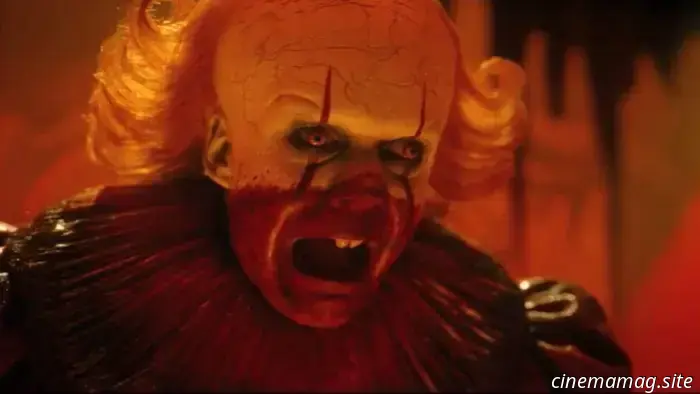 IT: Welcome To Derry The Complete First Season 4K Ultra HD and Blu-ray information unveiled.
Following closely after its finale and practically confirming that a second season is forthcoming, Warner Bros. Discovery Home Entertainment has revealed the release of ‘The Complete First Season’ of…
IT: Welcome To Derry The Complete First Season 4K Ultra HD and Blu-ray information unveiled.
Following closely after its finale and practically confirming that a second season is forthcoming, Warner Bros. Discovery Home Entertainment has revealed the release of ‘The Complete First Season’ of…
.jpg) 4K Ultra HD Review – Ted Lasso: The Richmond Way (2025)
Ted Lasso: The Richmond Way Featuring Jason Sudeikis, Hannah Waddingham, Jeremy Swift, Phil Dunster, Brett Goldstein, Brendan Hunt, Nick Mohammed, Juno Temple, Sarah Niles, Anthony Head, Toheeb Jimoh,…
4K Ultra HD Review – Ted Lasso: The Richmond Way (2025)
Ted Lasso: The Richmond Way Featuring Jason Sudeikis, Hannah Waddingham, Jeremy Swift, Phil Dunster, Brett Goldstein, Brendan Hunt, Nick Mohammed, Juno Temple, Sarah Niles, Anthony Head, Toheeb Jimoh,…
 As Martin Scorsese famously stated, “Music and cinema naturally complement each other. There’s an inherent musicality in how moving images come together. It has been suggested that cinema and music share a close relationship as art forms, and I believe that’s accurate.” The right musical piece––whether it’s an original score or a thoughtfully chosen song––can significantly enhance a scene, and today we are highlighting the 25 films that best demonstrated this idea in 2025.
From experienced composers to talented musicians, along with a variety of soundtracks, each transport us beautifully. Check out our list of the top 25, which includes links to each soundtrack in its entirety where possible. We’ve credited the primary composers, but our selections feature soundtracks from multiple artists as well.
25. Anemone (Bobby Krlic)
24. Harvest (Caleb Landry Jones, Nicolas Becker, and Ian Hassett)
23. Die My Love (George Vjestica)
22. The Smashing Machine (Nala Sinephro)
21. Happyend (Lia Ouyang Rusli)
20. The Mastermind (Rob Mazurek)
19. Grand Tour (Various)
18. Black Bag (David Holmes)
17. Weapons (Ryan Holladay, Hays Holladay, and Zach Cregger)
16. Sister Midnight (Paul Banks)
15. Bugonia (Jerskin Fendrix)
14. The Shrouds (Howard Shore)
13. Eddington (Bobby Krlic and Daniel Pemberton)
12. 28 Years Later (Young Fathers)
11. Highest 2 Lowest (Howard Drossin)
10. Train Dreams (Bryce Dessner)
9. BLKNWS: Terms & Conditions (Klein and Philesciono Canty)
8. Caught by the Tides (Lim Giong)
7. The Secret Agent (Tomaz Alves Souza Mateus Alves)
6. Resurrection (M83)
5. Sinners (Ludwig Göransson)
4. The Testament of Ann Lee and Below the Clouds (Daniel Blumberg)
3. Marty Supreme (Daniel Lopatin)
2. Sirāt (Kangding Ray)
1. One Battle After Another (Jonny Greenwood)
Discover more of the finest films from 2025.
Rescuing another auteur-driven film from the peculiar realm of streaming exclusivity, Criterion has revealed a March 2026 release date for Martin Scorsese's Killers of the Flower Moon. It's expected to look superior on their 4K disc compared to the most stable Apple TV+ stream. This film, which is two years old, features a wide release and stars Leonardo DiCaprio and Robert.
As Martin Scorsese famously stated, “Music and cinema naturally complement each other. There’s an inherent musicality in how moving images come together. It has been suggested that cinema and music share a close relationship as art forms, and I believe that’s accurate.” The right musical piece––whether it’s an original score or a thoughtfully chosen song––can significantly enhance a scene, and today we are highlighting the 25 films that best demonstrated this idea in 2025.
From experienced composers to talented musicians, along with a variety of soundtracks, each transport us beautifully. Check out our list of the top 25, which includes links to each soundtrack in its entirety where possible. We’ve credited the primary composers, but our selections feature soundtracks from multiple artists as well.
25. Anemone (Bobby Krlic)
24. Harvest (Caleb Landry Jones, Nicolas Becker, and Ian Hassett)
23. Die My Love (George Vjestica)
22. The Smashing Machine (Nala Sinephro)
21. Happyend (Lia Ouyang Rusli)
20. The Mastermind (Rob Mazurek)
19. Grand Tour (Various)
18. Black Bag (David Holmes)
17. Weapons (Ryan Holladay, Hays Holladay, and Zach Cregger)
16. Sister Midnight (Paul Banks)
15. Bugonia (Jerskin Fendrix)
14. The Shrouds (Howard Shore)
13. Eddington (Bobby Krlic and Daniel Pemberton)
12. 28 Years Later (Young Fathers)
11. Highest 2 Lowest (Howard Drossin)
10. Train Dreams (Bryce Dessner)
9. BLKNWS: Terms & Conditions (Klein and Philesciono Canty)
8. Caught by the Tides (Lim Giong)
7. The Secret Agent (Tomaz Alves Souza Mateus Alves)
6. Resurrection (M83)
5. Sinners (Ludwig Göransson)
4. The Testament of Ann Lee and Below the Clouds (Daniel Blumberg)
3. Marty Supreme (Daniel Lopatin)
2. Sirāt (Kangding Ray)
1. One Battle After Another (Jonny Greenwood)
Discover more of the finest films from 2025.
Rescuing another auteur-driven film from the peculiar realm of streaming exclusivity, Criterion has revealed a March 2026 release date for Martin Scorsese's Killers of the Flower Moon. It's expected to look superior on their 4K disc compared to the most stable Apple TV+ stream. This film, which is two years old, features a wide release and stars Leonardo DiCaprio and Robert.
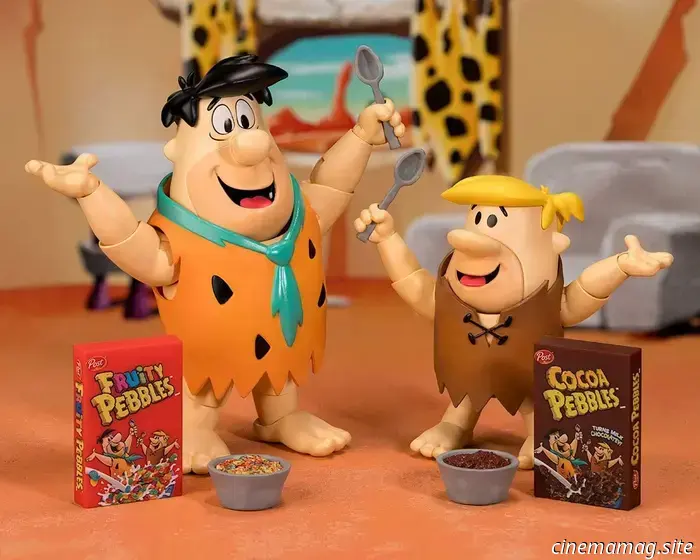 Jada Toys reveals the Fred and Barney Cereal Mascot figures from The Flintstones.
Jada Toys has revealed its 1:12 scale action figures of Cereal Mascot ‘Fruity Pebbles’ Fred Flintstone and ‘Cocoa Pebbles’ Barney Rubble, based on the beloved animated series.
Jada Toys reveals the Fred and Barney Cereal Mascot figures from The Flintstones.
Jada Toys has revealed its 1:12 scale action figures of Cereal Mascot ‘Fruity Pebbles’ Fred Flintstone and ‘Cocoa Pebbles’ Barney Rubble, based on the beloved animated series.
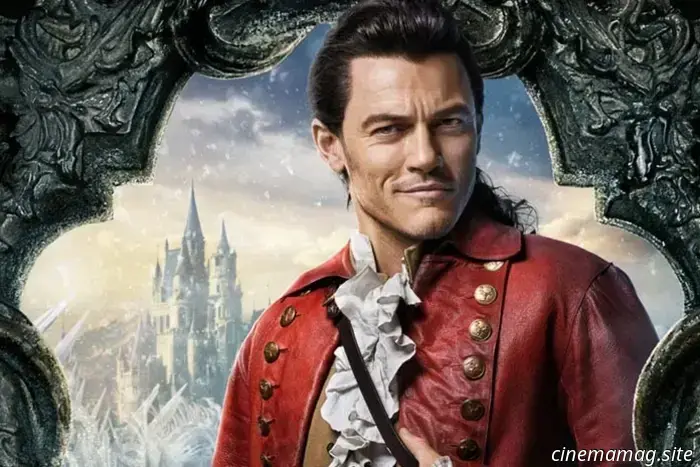 Disney is working on a live-action film centered around Gaston.
A good villain can never be kept down. After being turned away by Belle in two versions of Disney’s Beauty and the Beast, and witnessing a long-planned television spin-off struggle to get started...
Disney is working on a live-action film centered around Gaston.
A good villain can never be kept down. After being turned away by Belle in two versions of Disney’s Beauty and the Beast, and witnessing a long-planned television spin-off struggle to get started...
Avatar: Fire and Ash Review: James Cameron Takes a Hands-On Approach
With a mix of sadness and nostalgia, Avatar: Fire and Ash wraps up a significant era in filmmaking during a period when the ambitious vision and adventurous spirit of James Cameron are becoming less common. There are few directors who can effectively balance a comprehensive approach with straightforward storytelling, and even fewer who achieve the meticulous attention to detail that he relentlessly pursues.