
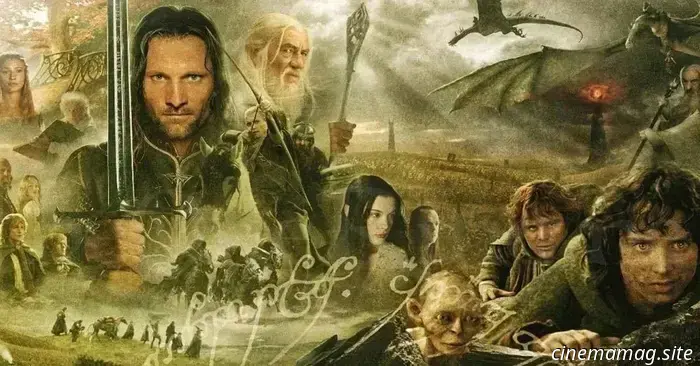
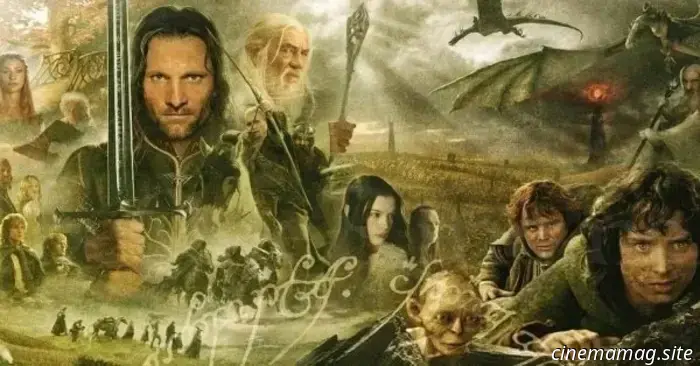
Going back to The Lord of the Rings Trilogy
For three consecutive years, it was a remarkable Christmas big screen event, so how does The Lord of the Rings trilogy stand up today? Is there a sense that the Christmas season often lacks a truly memorable, captivating big screen experience? Over time, several blockbuster films have been released during the Christmas holiday, drawing families to theaters. Presently, Avatar: Fire and Ash is following in the footsteps of its two predecessors, raking in profits over the festive season. However, there seems to be a prevailing sense of indifference towards Avatar among many viewers, even those who appreciate it.
So, what was the last truly great Christmas big screen occasion? We’ve seen Spider-Man adventures, Star Wars sequels, spin-offs, and more, but there’s one franchise that dominated Christmas for three consecutive years and is likely more universally cherished than any others from this century. The Lord of the Rings trilogy marked Peter Jackson's transition from a cult filmmaker with limited budgets to directing an almost unparalleled epic trilogy.
It wasn’t merely that the initial live-action venture into Middle-earth was exceptional; it was the anticipation surrounding the two subsequent films that followed. The trilogy’s legacy remains intact, not diminished by the lackluster The Hobbit trilogy, which fell far short of its predecessor.
Personally, no film since has been absolutely essential to see during the Christmas season, nor has it possessed the enduring greatness that still garners admiration years later. Nowadays, Avatar seems to come and go with hardly any anticipation, makes a tidy profit, and is quickly forgotten. It's perplexing. But is Jackson's original trilogy still as impressive as it once was? Let’s reflect on it…
The Fellowship of the Ring
Translating J.R.R. Tolkien’s books onto the screen was long considered an impossible task. The Rings trilogy was vast in length and visual detail, teeming with characters and locations. Naturally, certain elements were glossed over or omitted by the time the film premiered, while other scenes were enhanced for dramatic effect.
Additionally, the monumental scale necessitated groundbreaking CGI, enhanced by extensive sets, props, costumes, and real locations on a grand scale. Just before The Fellowship of the Ring’s release, another fantasy novel (targeted at a younger audience than Tolkien’s), Harry Potter, was adapted for the big screen. The Philosopher’s Stone was commendable, setting a solid benchmark for Jackson to meet. It was a bar he didn’t just surpass; he shattered it.
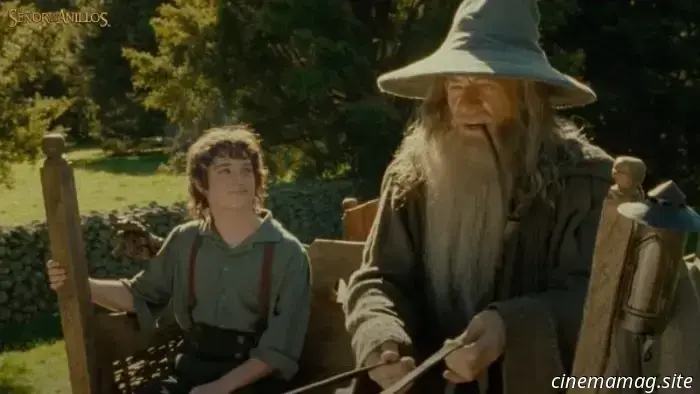
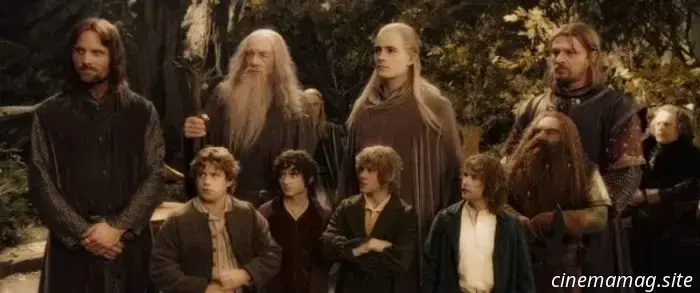
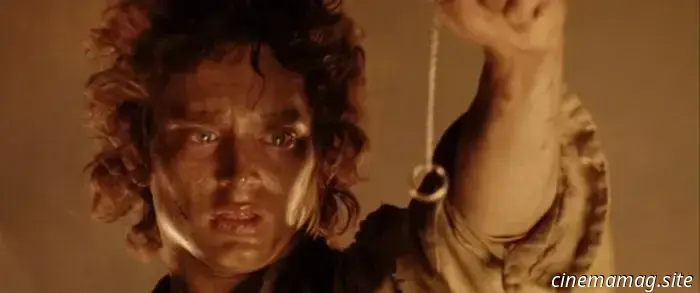
From an inspiring and moving prologue to a charmingly deliberate introduction to Hobbiton, Jackson successfully immersed us in this world, laying out some history while swiftly establishing the stakes for the upcoming journey. Bilbo Baggins (Ian Holm) bequeaths the seemingly powerful ring he once discovered to his nephew Frodo (Elijah Wood). As it turns out, the Ring of Power, which many struggle to resist, is sought by malevolent forces intent on returning it to Sauron.
In terms of world-building cinema, Jackson expertly captured the scale, depth, and intricacy of this universe, ensuring that amidst the exposition, new characters, and places, there was still an emphasis on spectacle. From dodging Ringwraiths to traversing the Mines of Moria, culminating in the final grand battle, it remains a masterful film that excels not only in the fantasy genre but is, in every respect, a superb movie filled with compelling characters, drama, tension, and thrilling action.
The cast, without exception, is perfectly chosen. Ian McKellen as Gandalf exudes pure charismatic gravitas, while in an alternate reality, Stuart Townsend might have played an acceptable Aragorn. Thankfully, in our world, his late replacement, Viggo Mortensen, delivers a magnificent performance.
This was a mesmerizing theater experience that evoked, in my 20-year-old self, a sense of wonder and escapism in the cinema I hadn’t felt since a certain film about a dinosaur theme park.
The Two Towers
One positive aspect of the trilogy was its apparent consistency. It wasn’t like the Star Wars sequels/spin-offs (from the Disney era) or even the Potter franchise, which swapped directors or had lengthy gaps between films. Jackson shot all three movies in succession. If the trilogy functioned as one massive film divided into three parts, a significant challenge was ensuring a solid conclusion for the first two films while allowing each to stand on its own, albeit with some suspense for the next installment.
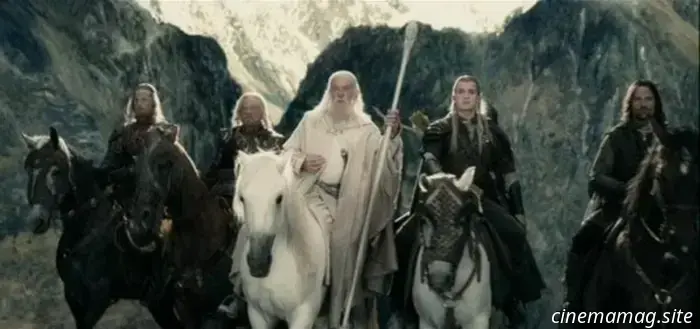
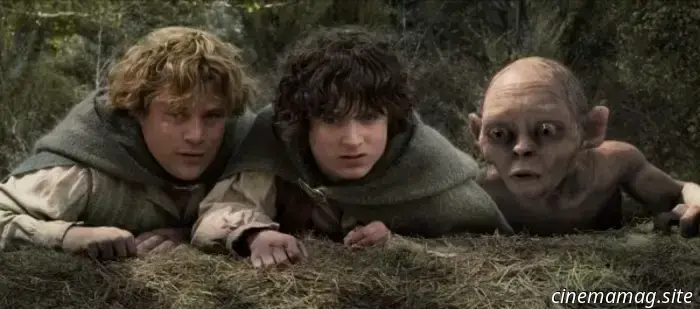
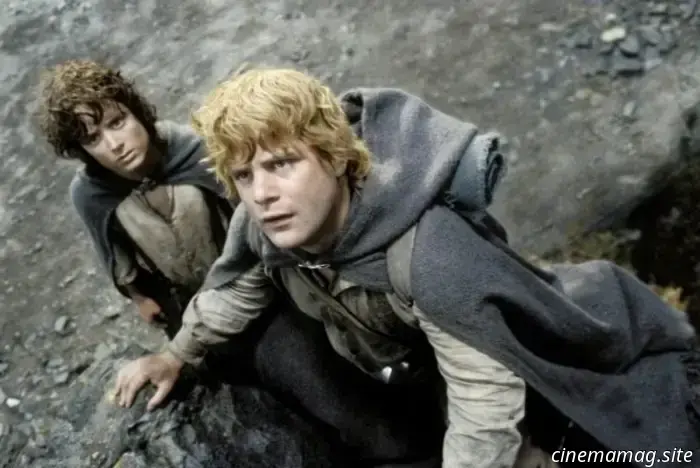
The film with the toughest job was undoubtedly The Two Towers. As the middle segment of the overarching narrative, it needed a distinct beginning, middle, and end while still feeling cohesive. Though it displays some signs of being a middle film, it remains consistently brilliant like its predecessor. While Fellowship featured significant set pieces, its story felt relatively intimate. The Two Towers, however, expands the scope of the conflict, showing the Fellowship splitting into various groups, each on separate adventures, resulting in a vast, sprawling narrative
Other articles
-action-figure.jpg) Boss Fight Studios introduces the Hellboy (Big, Red & Dark) action figure.
Boss Fight Studio has announced the 1:12 scale Big Bad Toy Store exclusive Hellboy (Big, Red & Dark) figure, which is now available for pre-order at a price of .99. Take a look at the promotional images h…
Boss Fight Studios introduces the Hellboy (Big, Red & Dark) action figure.
Boss Fight Studio has announced the 1:12 scale Big Bad Toy Store exclusive Hellboy (Big, Red & Dark) figure, which is now available for pre-order at a price of .99. Take a look at the promotional images h…
 Comic Book Sneak Peek – Predator Eliminates the Marvel Universe #5
The fifth and last installment of Marvel Comics' crossover series Predator Kills the Marvel Universe from 20th Century Studios will be released next week, and you can check out the official preview of the issue.
Comic Book Sneak Peek – Predator Eliminates the Marvel Universe #5
The fifth and last installment of Marvel Comics' crossover series Predator Kills the Marvel Universe from 20th Century Studios will be released next week, and you can check out the official preview of the issue.
.jpg) Film Review – Eden (2025)
Eden, 2025. Directed by Ron Howard. Featuring Sydney Sweeney, Jude Law, Daniel Brühl, Vanessa Kirby, Ana de Armas, Felix Kammerer, Toby Wallace, Jonathan Tittel, Ignacio Gasparini, Richard Roxburgh, and others.
Film Review – Eden (2025)
Eden, 2025. Directed by Ron Howard. Featuring Sydney Sweeney, Jude Law, Daniel Brühl, Vanessa Kirby, Ana de Armas, Felix Kammerer, Toby Wallace, Jonathan Tittel, Ignacio Gasparini, Richard Roxburgh, and others.
 7 Snake Horror Films You Might Have Overlooked
Casey Chong presents seven snake films that you might have missed... While sharks often take the spotlight in animal-themed horror films, the sneaky, venomous snakes also merit attention.
7 Snake Horror Films You Might Have Overlooked
Casey Chong presents seven snake films that you might have missed... While sharks often take the spotlight in animal-themed horror films, the sneaky, venomous snakes also merit attention.
Going back to The Lord of the Rings Trilogy
For three consecutive years, it was a major Christmas big screen event. So, how does The Lord of the Rings trilogy fare today? Does it ever seem like the Christmas season is missing a truly exceptional…