
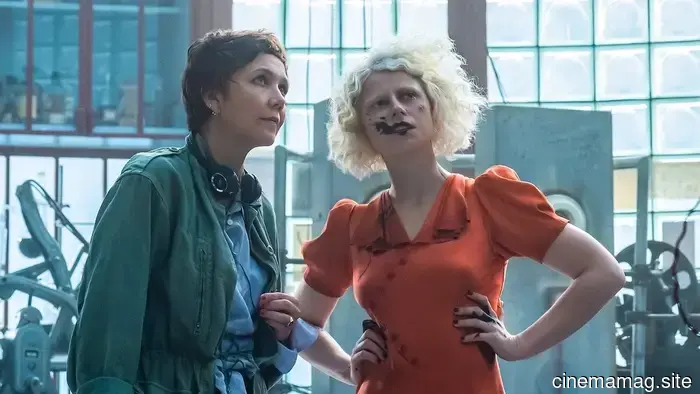
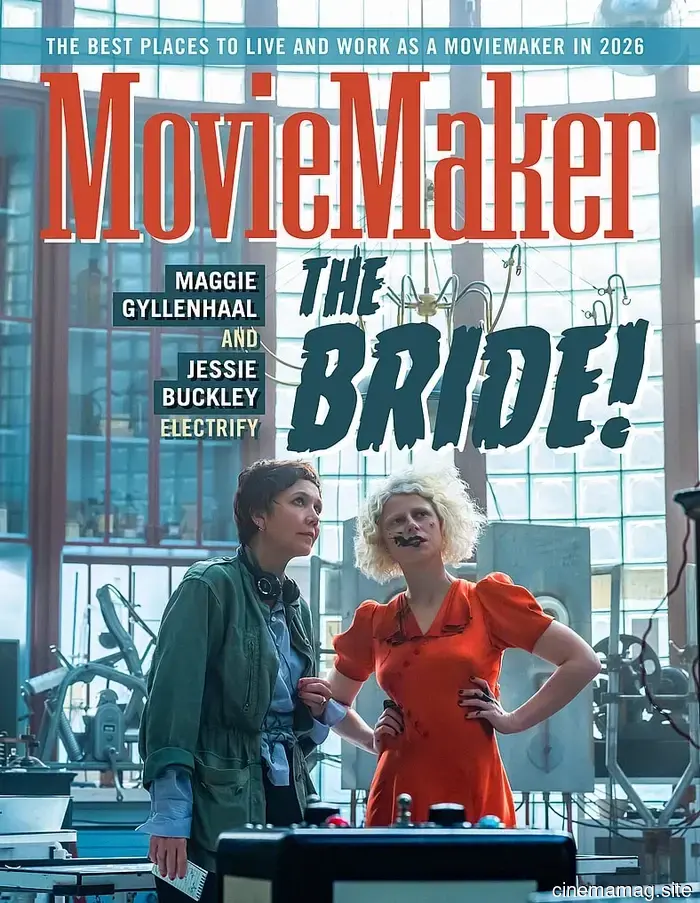
The Bride!: Maggie Gyllenhaal and Jessie Buckley Embrace Something Revolutionary in Their Commitment
“I believe that within each of us lies monstrous aspects that genuinely terrify us,” states Maggie Gyllenhaal, the writer and director of *The Bride!*
“I’m sure there are people reading this who might think, ‘Not me.’ But I think maybe you do.”
She pauses and laughs: “I do.”
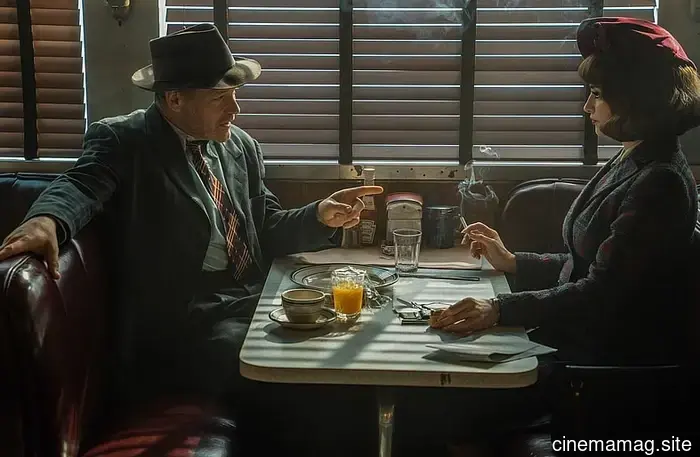
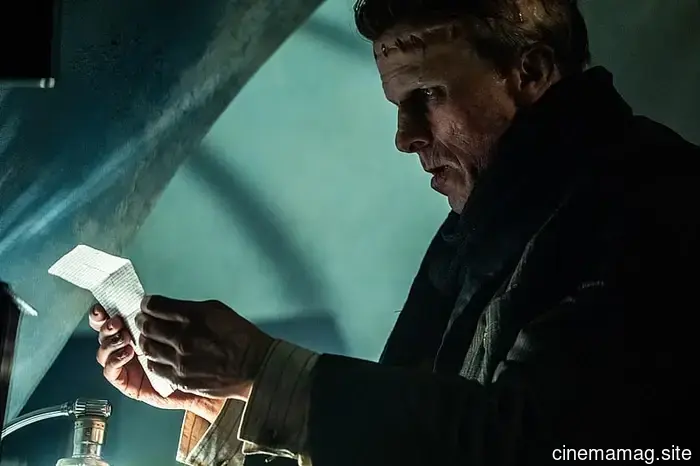
*The Bride!*, released today, features Jessie Buckley, sporting a face tattoo, alongside a hardly recognizable Christian Bale as two monsters navigating a world that fears and despises them, reminiscent of Bonnie and Clyde, blended with Sid and Nancy.
This film marks the second significant adaptation inspired by Mary Shelley’s 1818 *Frankenstein* in recent months, following Guillermo del Toro’s praised Netflix version.
Compared to del Toro’s film, Gyllenhaal’s interpretation takes a more dramatic turn away from Shelley’s narrative.
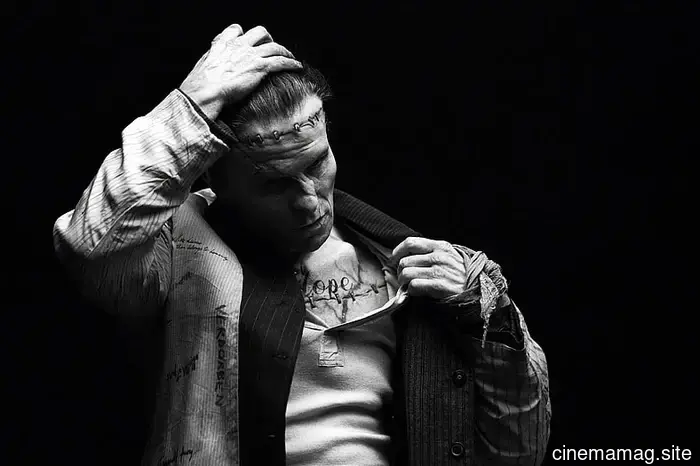
Bale portrays Frank—Frankenstein's monster—while Buckley plays The Bride.
“He's incredibly lonely,” Gyllenhaal remarks. “In the Mary Shelley book, his sole desire is companionship—a friend, a lover. He recognizes his monstrous nature but cannot bear solitude. I relate to him deeply: his loneliness is unbearable.”
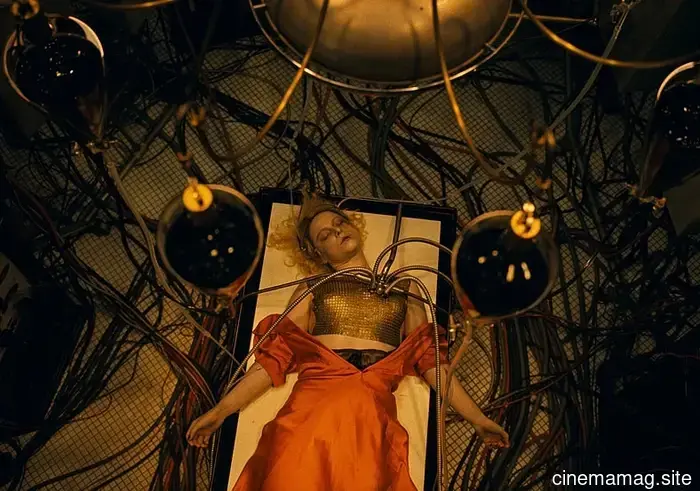
“He intends to resurrect someone. However, a significant question remains: what about her? What if she possesses feelings, desires, a heart, and a mind?”
Gyllenhaal began developing *The Bride!* after a friend referenced her husband’s tattoo of Bride of Frankenstein. She vividly pictured Elsa Lanchester's character from James Whale’s 1935 sequel, adorned with a beehive hairstyle and silver streaks. Lanchester's image merged in her mind with memories of Madeline Kahn portraying a comedic version in Mel Brooks’ 1974 *Young Frankenstein*.
“She captivated my imagination immediately. I hadn’t seen *Bride of Frankenstein* but was familiar with the mythology,” Gyllenhaal reflects.
During promotional interviews for her 2021 writing and directing debut, *The Lost Daughter*, she discovered time to watch *Bride of Frankenstein* and was taken aback that despite its title, the Bride had a minimal role.
“I thought, ‘Wow—she doesn’t say a word,’” Gyllenhaal remarks. “She appears in the film just for three minutes without speaking.”
This led her to contemplate what the Bride might express.
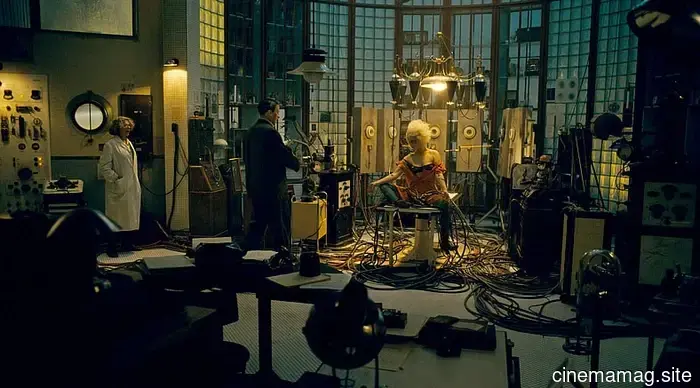
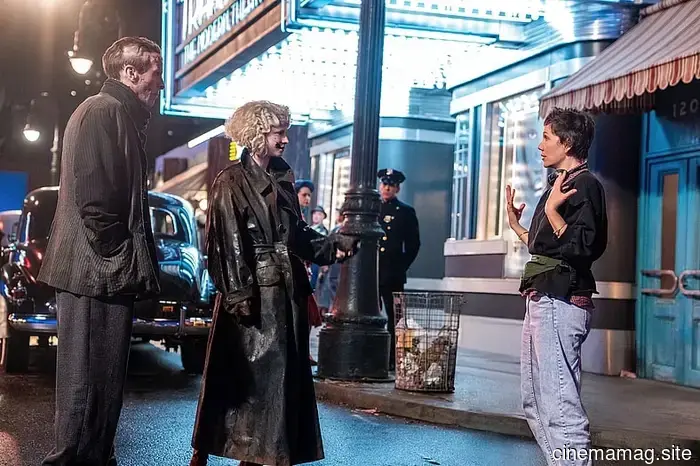
The result is a vibrant, punk-infused narrative set in the 1930s, overflowing with ideas and energy, including a clever homage to *Young Frankenstein*. Gyllenhaal assembled a cast of her favorite actors, including Annette Bening, Penelope Cruz, her brother Jake, and her husband, Peter Sarsgaard.
The film kicks off with a twist and maintains a brisk pace without indulging in exposition, as Gyllenhaal puts it: “I consider exposition to be cheating.”
“I aimed to create something distinct,” she shares. “The film addresses an underlying, unconscious need for something radical—a radical transformation.”
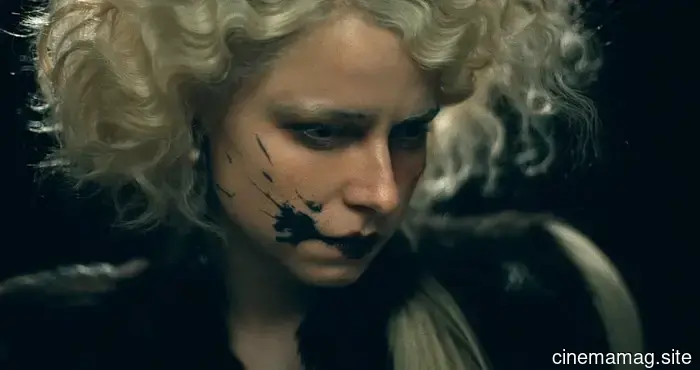
Her vision for the Bride’s appearance began with a new interpretation. Buckley describes the ink splatter on her character’s cheek as “something vibrantly alive—just as the Bride is.”
“The monstrous element within her symbolizes an overwhelming aliveness that emerges from her,” Buckley explains. “It's like the ink is flowing from her. The ink represents language, connecting the themes of Mary Shelley and writing—this is about expression, and in a way, the very material we write from is materializing from her body.”
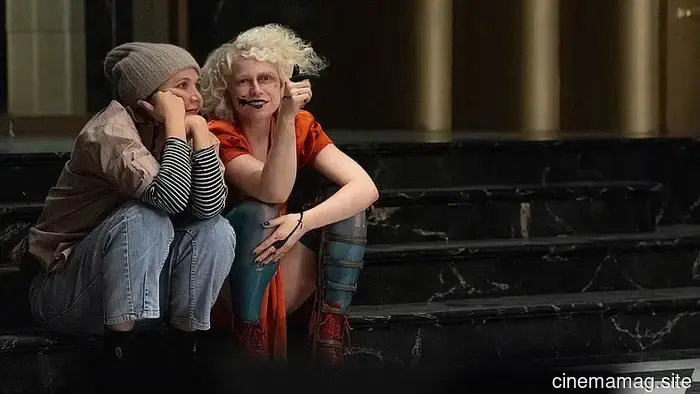
Gyllenhaal and Buckley’s collaboration began with their first meeting over Zoom when Gyllenhaal was casting *The Lost Daughter* and considering Buckley for the role of Leda, a woman feeling trapped in her roles as wife and mother. Buckley deeply desired the part while trying to conceal her eagerness.
“It’s immensely daunting to feel such a connection to a script during initial meetings, hoping for the call that says, ‘We want you,’” Buckley states. “Yet, we fear hoping too much because it can lead to heartbreak.”
At one point, Buckley contemplated messaging Gyllenhaal to express her strong connection to the story but ultimately refrained.
“On that very night, she texted me asking, ‘Will you be my Leda?’” Buckley remembers. “And I replied, ‘Oh, absolutely!’”
*The Lost Daughter* stood out in a pandemic-affected period when many films went unnoticed due to closed theaters. Gyllenhaal received an Oscar nomination for her adaptation of Elena Ferrante’s novel; Olivia Colman was nominated for best actress for her portrayal of the older Leda, and Buckley received a nomination for best supporting actress.
The film was a remarkable success for a debut director. Gyllenhaal started her acting career in films directed by her father, Stephen Gyllenhaal, and gained recognition in cult classics like *Cecil B. Demented* and *
Other articles
.jpg) Film Critique – Project Hail Mary (2026)
Project Hail Mary, set for release in 2026, is directed by Phil Lord and Chris Miller. The cast includes Ryan Gosling, James Ortiz, Sandra Hüller, Lionel Boyce, Ken Leung, Milana Vayntrub, Liz Kingsman, Orion Lee, Priya Kansara, and others.
Film Critique – Project Hail Mary (2026)
Project Hail Mary, set for release in 2026, is directed by Phil Lord and Chris Miller. The cast includes Ryan Gosling, James Ortiz, Sandra Hüller, Lionel Boyce, Ken Leung, Milana Vayntrub, Liz Kingsman, Orion Lee, Priya Kansara, and others.
 The 17 Most Persuasive On-Screen Couples in Film History
Here are 15 film couples with captivating chemistry on screen, featuring titles like Ghost, When Harry Met Sally, and others.
The 17 Most Persuasive On-Screen Couples in Film History
Here are 15 film couples with captivating chemistry on screen, featuring titles like Ghost, When Harry Met Sally, and others.
 Yahya Abdul-Mateen II is a standout in the trailer for the Netflix series "Man on Fire."
Netflix has released an uncensored teaser for their upcoming series adaptation of Man on Fire, featuring Yahya Abdul-Mateen II, known for his roles in Candyman and Wonder Man, portraying the character John Creasy...
Yahya Abdul-Mateen II is a standout in the trailer for the Netflix series "Man on Fire."
Netflix has released an uncensored teaser for their upcoming series adaptation of Man on Fire, featuring Yahya Abdul-Mateen II, known for his roles in Candyman and Wonder Man, portraying the character John Creasy...
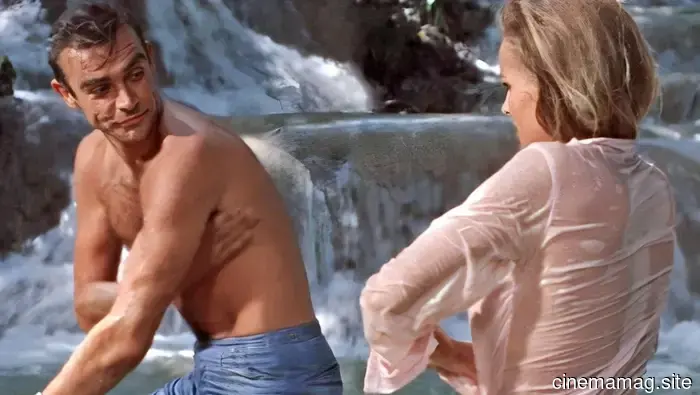 The 17 Most Persuasive Movie Couples in Cinematic History
Here are 15 couples from movies known for their captivating onscreen chemistry, spanning titles like Ghost and When Harry Met Sally, among others.
The 17 Most Persuasive Movie Couples in Cinematic History
Here are 15 couples from movies known for their captivating onscreen chemistry, spanning titles like Ghost and When Harry Met Sally, among others.
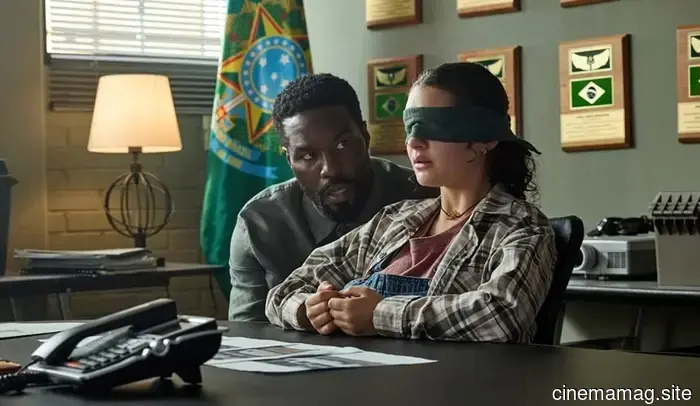 Yahya Abdul-Mateen II is on fire in the trailer for the Netflix series.
Netflix has released an unrestrained teaser for their television series adaptation of Man on Fire, featuring Yahya Abdul-Mateen II, known for his roles in Candyman and Wonder Man, as John Creasy...
Yahya Abdul-Mateen II is on fire in the trailer for the Netflix series.
Netflix has released an unrestrained teaser for their television series adaptation of Man on Fire, featuring Yahya Abdul-Mateen II, known for his roles in Candyman and Wonder Man, as John Creasy...
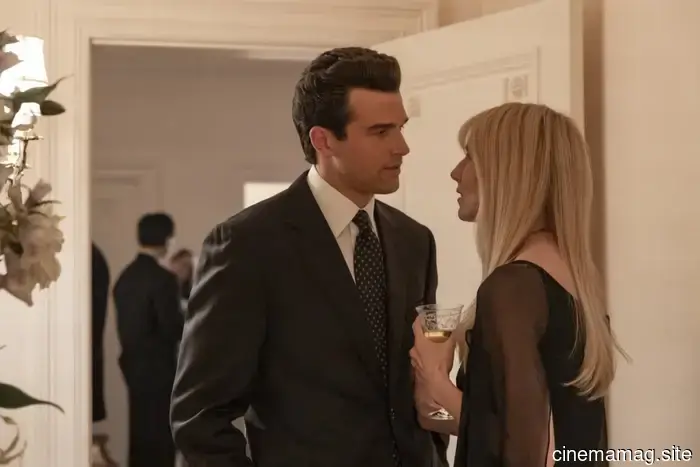 Daryl Hannah Criticizes Her Depiction in the Love Story as 'Classic Misogyny'
Daryl Hannah claims that the new FX series Love Story: John F. Kennedy Jr. & Carolyn Bessette, in which she portrays a character, is rife with falsehoods about her.
Daryl Hannah Criticizes Her Depiction in the Love Story as 'Classic Misogyny'
Daryl Hannah claims that the new FX series Love Story: John F. Kennedy Jr. & Carolyn Bessette, in which she portrays a character, is rife with falsehoods about her.
The Bride!: Maggie Gyllenhaal and Jessie Buckley Embrace Something Revolutionary in Their Commitment
Director Maggie Gyllenhaal and actress Jessie Buckley discuss their demand for significant transformation in their contemporary take on a 1930s monster film influenced by the 1980s.