
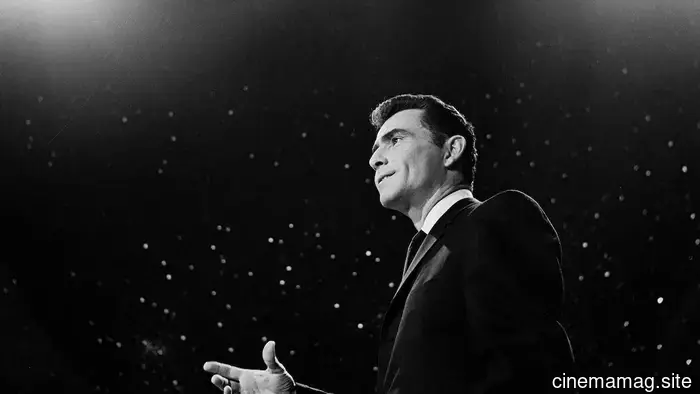
In New Doc, Rod Serling Clarifies From Beyond the Grave How We Found Ourselves Living in The Twilight Zone
Years before creating The Twilight Zone, Rod Serling attempted to narrate a story inspired by Emmet Till, the Black teenager who was lynched in Mississippi in 1955 for allegedly whistling at a white woman. The television executives had specific conditions, essentially demands.
If Serling was to pursue the story, they said, could he do it without referencing the South? Or Black individuals?
The absurdity of this situation motivated Serling to create The Twilight Zone, where he concealed narratives about social justice within the safe confines of genre and metaphor. For instance, while he couldn’t address the struggles of immigrants on network television directly, he could portray aliens. Or even craft stories where we ourselves were the aliens. His ultimate aim was to foster empathy.
The captivating new documentary Serling, which debuts Monday at SXSW, achieves the remarkable feat of having Serling narrate the story of his own life. Director Jonah Tulis conceived the project upon discovering the extensive audio recordings Serling left behind when he passed away in 1975 at the age of 50.
“Thanks to the vast collection of recordings we found, we were able to narrate this story almost entirely through Rod Serling’s own voice. We didn’t utilize any AI to recreate his voice, nor did we hire an actor to mimic it,” Tulis explained to MovieMaker.
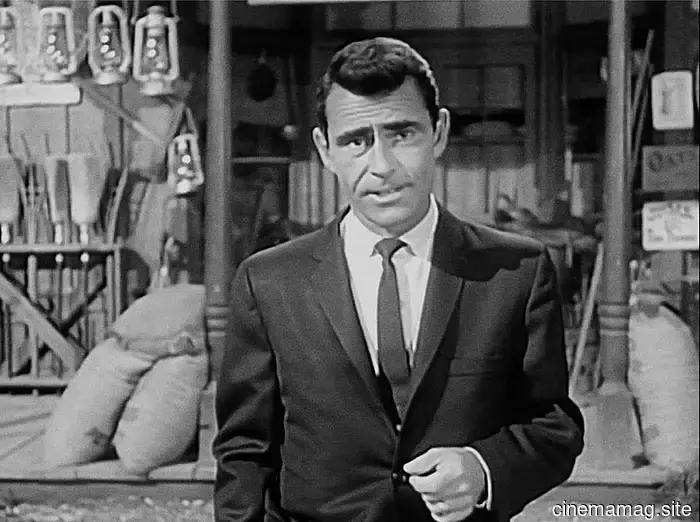
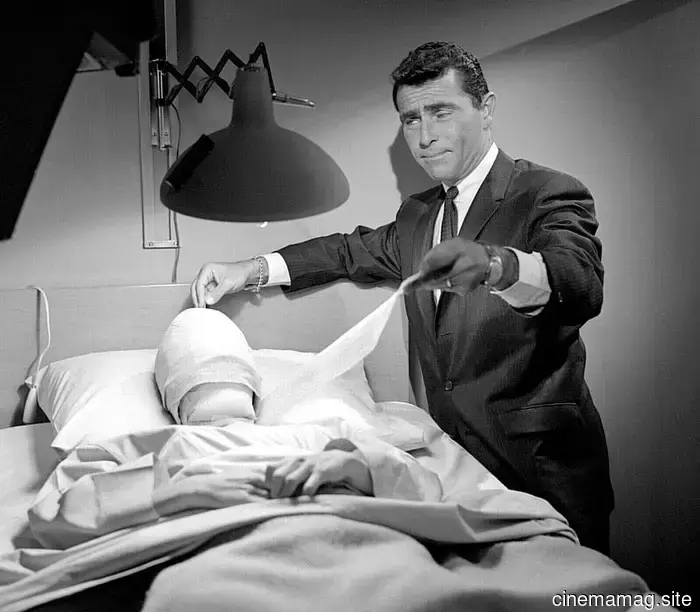
The film features countless clips from Serling’s television appearances, including his introductions for each episode of The Twilight Zone. It also includes striking re-enactments that are very much in line with the beloved show, which aired on CBS from 1959 to 1964 and has continued to thrive in syndication and streaming over the years.
“We filmed atmospheric recreations — in 4:3, black-and-white just like The Twilight Zone — using an actor,” Tulis added. “However, everything you hear in the documentary is solely Rod Serling, speaking in real-time. Allowing Rod to lead the audience through his life felt like the most authentic approach to tell this story. Ultimately, who better to narrate Rod Serling’s story than Rod Serling himself?”
We spoke with Tulis about Serling’s enduring relevance today, how he navigated censors and critics, and the process of making the film with Leonardo DiCaprio’s production company, Appian Way.
**MovieMaker:** You mentioned that Leonardo DiCaprio and Appian Way played a crucial role in making this film happen — that they had discussions with Serling’s estate and assisted in securing funding for the documentary. What did they see in you that made them believe you were the right director?
**Jonah Tulis:** We all recognized that Rod Serling had a remarkable life and career deserving of cinematic portrayal, but the challenge lay in presenting it in a way that felt innovative and engaging. Many key figures from that time have since passed, so traditional talking-head documentaries wouldn’t capture the vibrancy of Rod’s essence.
I conducted preliminary research and found incredible archival material, much of which was previously unseen or unheard. It included dictations from different periods of Rod’s life, such as letters, script notes, and personal reflections. It became evident that Rod had essentially created his own narration of his life. I then realized that Rod’s voice could be the medium through which the story was told. The idea evolved into making the film unfold predominantly through Rod narrating his own experiences.
When I discussed this approach with Appian Way, the Serling family, and our partners at Verdi Productions, they quickly appreciated the creative concept. They were particularly drawn to the idea of Rod guiding the audience through the film, utilizing his voice, thoughts, and words as the backbone of the documentary. They believed this method honored his legacy as a writer and storyteller.
In the end, they expressed confidence in my directorial vision because I was focused on crafting a cinematic experience that allowed Rod Serling to directly communicate with audiences once again.
**MovieMaker:** What parallels and distinctions do you perceive between Serling’s struggles with television executives — while he endeavored to discuss racial justice and other progressive themes — and today’s conflicts involving TV figures and their networks? I’m thinking especially of instances like Jimmy Kimmel’s temporary removal from the air and Stephen Colbert’s show being canceled.
**Jonah Tulis:** These parallels are indeed one of the principal reasons why sharing this story now is crucial. Although Rod operated in a markedly different television environment than we have today, the same issues of control and censorship persist across all media. Networks and platforms continue to navigate commercial realities, and creative expressions often find themselves at odds with these constraints.
The significant difference today is that artists typically have more platforms, offering them greater freedom. The Twilight Zone emerged from these limitations, as Serling used science fiction allegory to tackle themes of race, politics, and humanity.
**MovieMaker:** What do you attribute to Serling’s strong sense of justice and fairness?
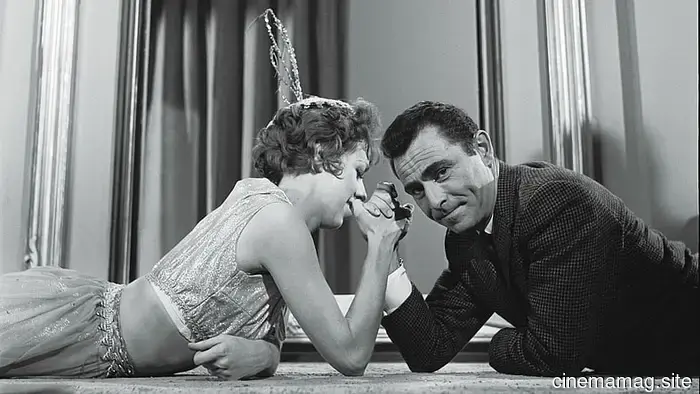
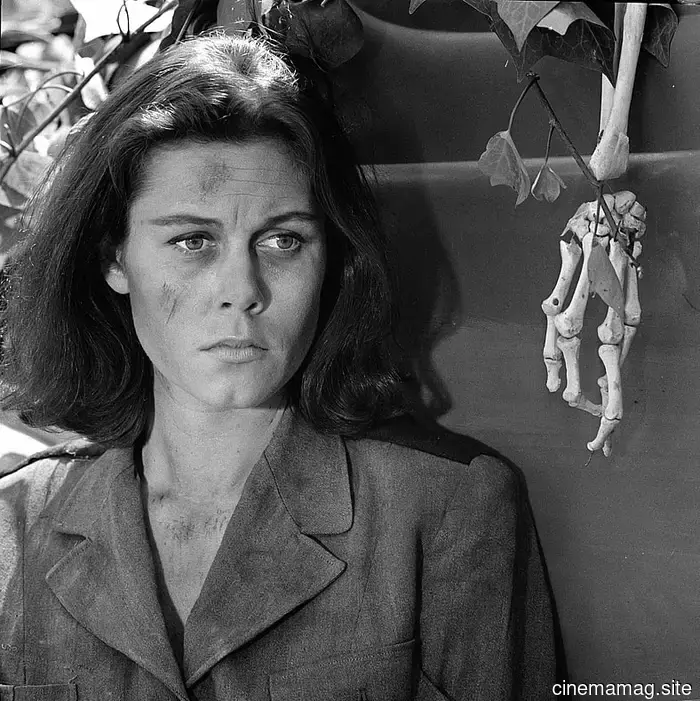
Other articles
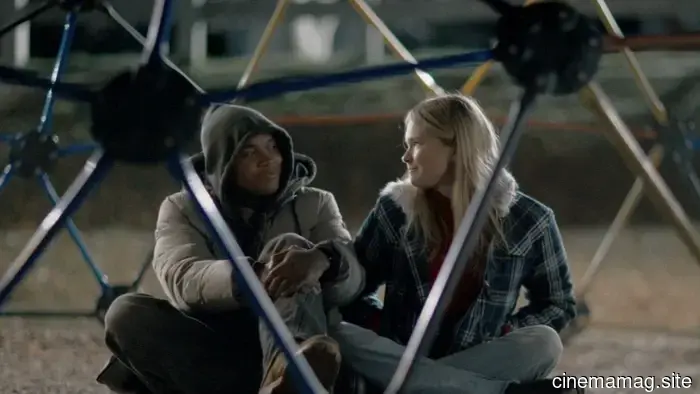 In Their Town, Ora Duplass, Mark Duplass, and Katie Aselton create a film aimed at uniting different generations.
"My parents certainly did their best to keep me out of the industry for as long as possible," says Ora Duplass, who delivers an impressive feature acting debut in Their.
In Their Town, Ora Duplass, Mark Duplass, and Katie Aselton create a film aimed at uniting different generations.
"My parents certainly did their best to keep me out of the industry for as long as possible," says Ora Duplass, who delivers an impressive feature acting debut in Their.
 In Their Town, Ora Duplass, Mark Duplass, and Katie Aselton create a film aimed at uniting different generations.
"My parents certainly made an effort to keep me away from the industry for as long as possible," states Ora Duplass, who delivers an impressive performance in her feature acting debut in Their.
In Their Town, Ora Duplass, Mark Duplass, and Katie Aselton create a film aimed at uniting different generations.
"My parents certainly made an effort to keep me away from the industry for as long as possible," states Ora Duplass, who delivers an impressive performance in her feature acting debut in Their.
 The 12 Greatest Movie Plot Twists Ever, Ranked from Least to Most Impressive
Here is a ranking of the most impressive movie plot twists we've encountered, listed from the least to the most remarkable.
The 12 Greatest Movie Plot Twists Ever, Ranked from Least to Most Impressive
Here is a ranking of the most impressive movie plot twists we've encountered, listed from the least to the most remarkable.
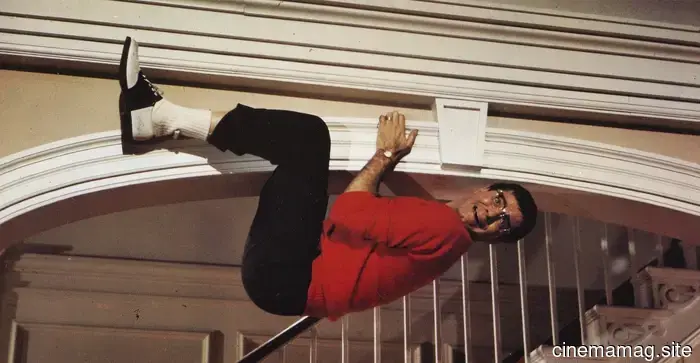 NYC Weekend Guide: Godard and Lewis, Hou Hsiao-hsien, The Man Who Shot Liberty Valance & More
NYC Weekend Watch is our weekly summary of repertory screenings. Anthology Film Archives presents Metaphysics of the Pratfall, showcasing films (mostly on 35mm) by Jean-Luc Godard and Jerry Lewis. The Museum of Modern Art features works by Kiarostami, Hou Hsiao-hsien, Milos Forman, and Bergman on 35mm as part of A View from the Vaults: The 1980s, along with films by Billy.
NYC Weekend Guide: Godard and Lewis, Hou Hsiao-hsien, The Man Who Shot Liberty Valance & More
NYC Weekend Watch is our weekly summary of repertory screenings. Anthology Film Archives presents Metaphysics of the Pratfall, showcasing films (mostly on 35mm) by Jean-Luc Godard and Jerry Lewis. The Museum of Modern Art features works by Kiarostami, Hou Hsiao-hsien, Milos Forman, and Bergman on 35mm as part of A View from the Vaults: The 1980s, along with films by Billy.
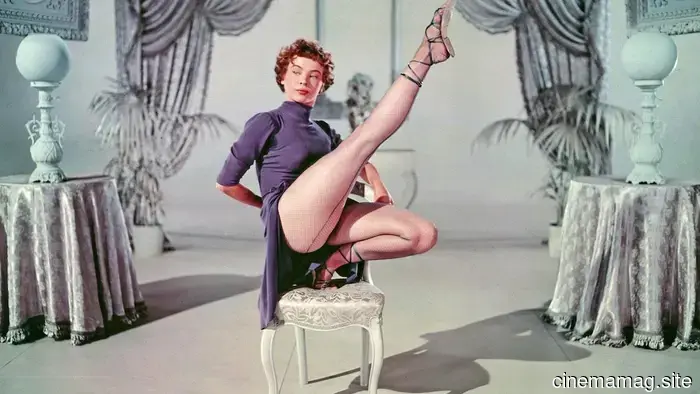 12 Films from the 1950s That Remain Enjoyable to View
These films from the 1950s are not only excellent but also entertaining.
12 Films from the 1950s That Remain Enjoyable to View
These films from the 1950s are not only excellent but also entertaining.
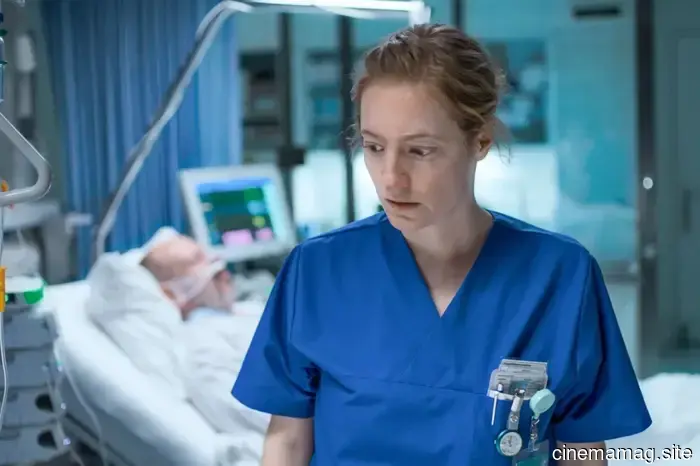 Late Shift Review: An Extremely Intense, Singularly Focused Procedural
Leonie Benesch is struggling to find relief. Following her challenging experience navigating the rigorous expectations of the school system in the Academy Award-nominated The Teachers’ Lounge, her new role places her once again in a tense and confined institutional environment. In Petra Volpe’s Late Shift, she portrays a character working the overnight shift at a facility that is short-staffed.
Late Shift Review: An Extremely Intense, Singularly Focused Procedural
Leonie Benesch is struggling to find relief. Following her challenging experience navigating the rigorous expectations of the school system in the Academy Award-nominated The Teachers’ Lounge, her new role places her once again in a tense and confined institutional environment. In Petra Volpe’s Late Shift, she portrays a character working the overnight shift at a facility that is short-staffed.
In New Doc, Rod Serling Clarifies From Beyond the Grave How We Found Ourselves Living in The Twilight Zone
Long before he developed The Twilight Zone, Rod Serling attempted to craft a narrative influenced by Emmet Till, the African American teenager who was lynched in Mississippi in 1955 for