
Late Shift Review: An Extremely Intense, Singularly Focused Procedural
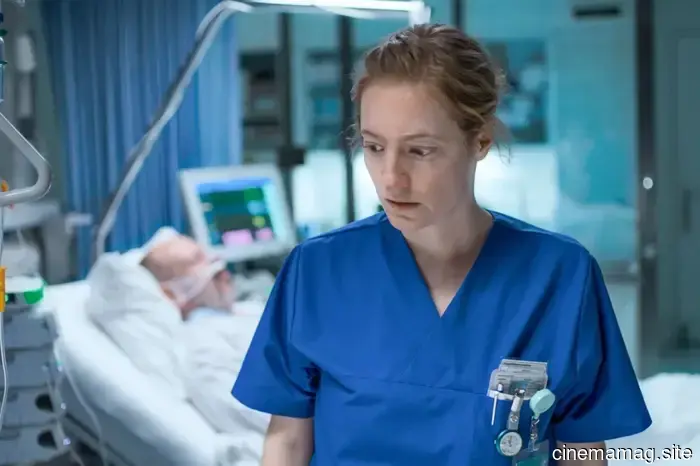
Leonie Benesch seems to be stuck in challenging roles. After experiencing the intense pressures of the educational system in the Academy Award-nominated The Teachers’ Lounge, her newest character puts her in another high-stakes situation within a confined institutional environment. Petra Volpe’s Late Shift, which takes place during a night shift at an understaffed Swiss hospital, explores the overwhelming responsibilities faced by a nurse and her small team. Portraying a high-stress atmosphere filled with constant distractions from medical emergencies, Switzerland’s Oscar-shortlisted film is intense and resonant, even if it intentionally lacks a distinctive personality.
As both writer and director, Volpe has crafted a film that serves as a character study—not of the rather generic nurse Floria (Benesch), but of the larger system that thrusts its workers into life-or-death scenarios with minimal support. Through each rushed interaction, we catch glimpses of the health challenges and stories of Floria’s patients. Volpe’s focused examination of one demanding shift raises broader questions about how countless other nurses globally confront similar hardships. (The film’s neatly conclusive, message-driven ending addresses this.) By setting the story in Switzerland, a nation known for its high-quality healthcare, Volpe implies that if such pressures are felt in a privileged environment, the conditions in less equipped hospitals could be even more dire.
As Floria tends to the needs of more than twenty patients in her surgical ward, she confronts a slew of emerging issues: soiled clothing, requests for additional pain relief, complaints about incorrect tea orders, and inquiries about forgotten eyeglasses, all alongside critical medical needs. Each challenge is distinct, yet the common thread is that no patient is aware of the others’ requests or the urgency of those demands. Every need is presented with utmost immediacy, and Floria must handle them all with a cheerful demeanor. Through the restless camera work of cinematographer Judith Kaufmann, which follows Floria’s every action and reaction, Benesch delivers a powerful portrayal of internalized anxiety. As the requests accumulate, the film turns into a suspenseful question of when she will reach her breaking point. This climax arrives through an intense moment that feels slightly overdramatic and overly explicit in its social commentary.
Floria’s only support comes from a fellow nurse and an inexperienced trainee. In the fleeting moments when doctors do appear, they lack both compassion and an appreciation for the burdens of an understaffed environment, highlighting a systemic issue that requires attention from higher up the hierarchy. The film’s episodic structure gives its messages a straightforward bluntness, and Emilie Levienaise-Farrouch’s score tends to overly signal emotions that are already inherent in the story.
Nevertheless, as a plea for improved working conditions and fair compensation for nurses, its impact is notably potent. With gripping intensity, Late Shift radiates compassion for those on the front lines of healthcare while effectively immersing viewers in the experiences of those confronting life-or-death dilemmas. Given the lives they oversee, a nurse’s only moment of reprieve should not be a fleeting elevator ride between floors.
Late Shift opens in theaters on Friday, March 20.
Other articles
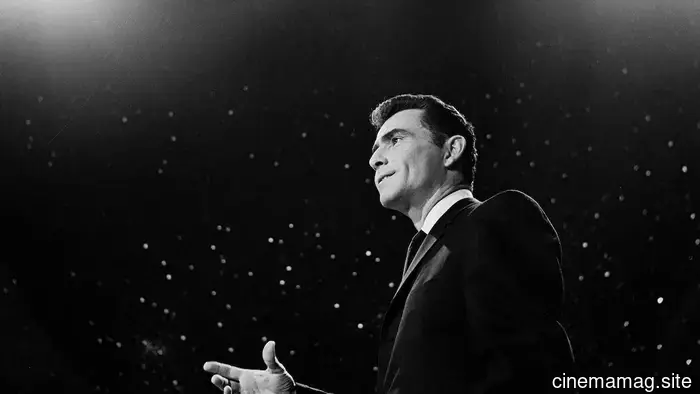 In New Doc, Rod Serling Clarifies From Beyond the Grave How We Found Ourselves Living in The Twilight Zone
Long before he developed The Twilight Zone, Rod Serling attempted to craft a narrative influenced by Emmet Till, the African American teenager who was lynched in Mississippi in 1955 for
In New Doc, Rod Serling Clarifies From Beyond the Grave How We Found Ourselves Living in The Twilight Zone
Long before he developed The Twilight Zone, Rod Serling attempted to craft a narrative influenced by Emmet Till, the African American teenager who was lynched in Mississippi in 1955 for
 Late Shift Review: An Extremely Intense, Singularly Focused Procedural
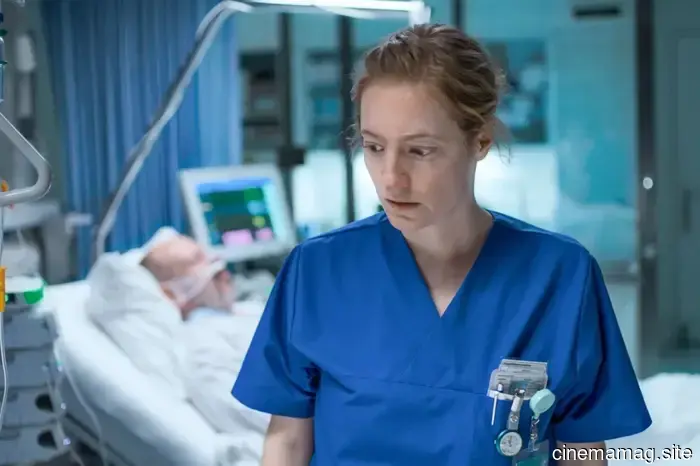
Leonie Benesch is struggling to find relief. Following her challenging experience navigating the rigorous expectations of the school system in the Academy Award-nominated The Teachers’ Lounge, her new role places her once again in a tense and confined institutional environment. In Petra Volpe’s Late Shift, she portrays a character working the overnight shift at a facility that is short-staffed.
Late Shift Review: An Extremely Intense, Singularly Focused Procedural
Leonie Benesch is struggling to find relief. Following her challenging experience navigating the rigorous expectations of the school system in the Academy Award-nominated The Teachers’ Lounge, her new role places her once again in a tense and confined institutional environment. In Petra Volpe’s Late Shift, she portrays a character working the overnight shift at a facility that is short-staffed.
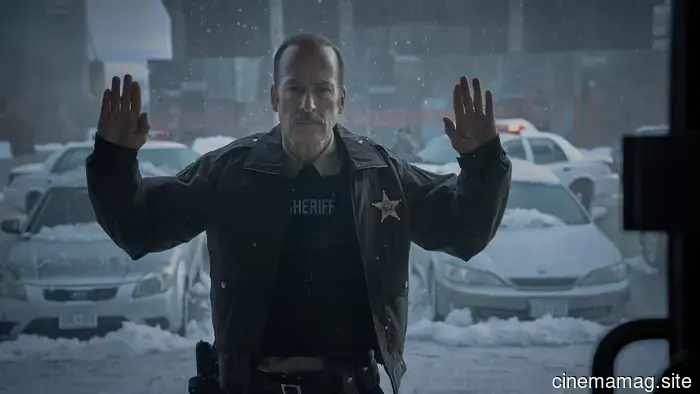 Normal With Bob Odenkirk is an action-packed instant classic.
Normal, which was shown on Sunday at SXSW, features a familiar premise: a new sheriff arrives in town. Fortunately, he's portrayed by a cast member from Mr. Show, Breaking Bad, and Better Call.
Normal With Bob Odenkirk is an action-packed instant classic.
Normal, which was shown on Sunday at SXSW, features a familiar premise: a new sheriff arrives in town. Fortunately, he's portrayed by a cast member from Mr. Show, Breaking Bad, and Better Call.
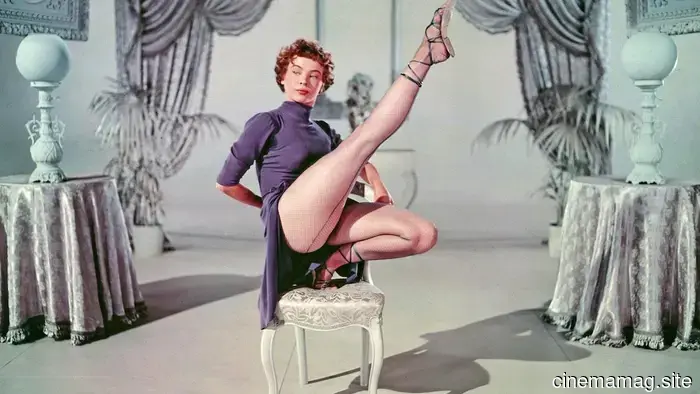 12 Films from the 1950s That Remain Enjoyable to View
These films from the 1950s are both enjoyable and excellent.
12 Films from the 1950s That Remain Enjoyable to View
These films from the 1950s are both enjoyable and excellent.
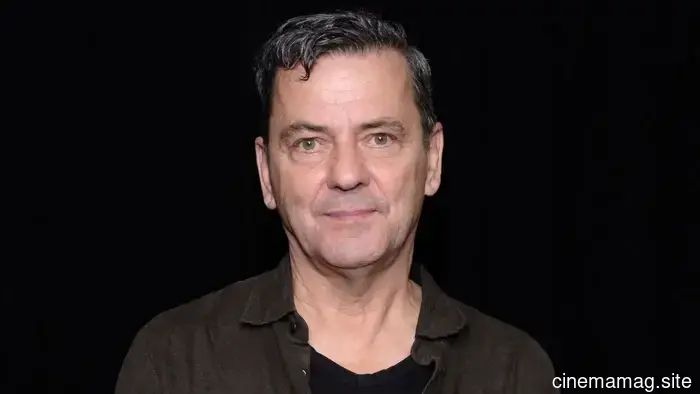 “The Film Is More Clever Than I Am”: Christian Petzold Discusses Miroirs No. 3
I have conducted interviews in a variety of locations: multiplexes, screening rooms, green rooms, distributor offices, post-production facilities, cafés, hotels—quite a few hotels—or any available space at the moment. (One discussion with a true architect of contemporary cinema even took place in a coat closet.) Christian Petzold is the first to have expressed regret about the room. I observed
“The Film Is More Clever Than I Am”: Christian Petzold Discusses Miroirs No. 3
I have conducted interviews in a variety of locations: multiplexes, screening rooms, green rooms, distributor offices, post-production facilities, cafés, hotels—quite a few hotels—or any available space at the moment. (One discussion with a true architect of contemporary cinema even took place in a coat closet.) Christian Petzold is the first to have expressed regret about the room. I observed
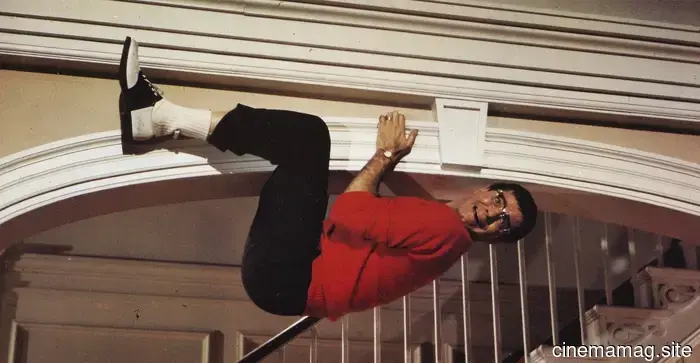 NYC Weekend Preview: Godard and Lewis, Hou Hsiao-hsien, The Man Who Shot Liberty Valance & Additional Highlights
NYC Weekend Watch is our weekly summary of repertory events. Anthology Film Archives presents Metaphysics of the Pratfall, which features films (many screened on 35mm) by Jean-Luc Godard and Jerry Lewis. The Museum of Modern Art screens works by Kiarostami, Hou Hsiao-hsien, Milos Forman, and Bergman on 35mm as part of A View from the Vaults: The 1980s, alongside films by Billy.
NYC Weekend Preview: Godard and Lewis, Hou Hsiao-hsien, The Man Who Shot Liberty Valance & Additional Highlights
NYC Weekend Watch is our weekly summary of repertory events. Anthology Film Archives presents Metaphysics of the Pratfall, which features films (many screened on 35mm) by Jean-Luc Godard and Jerry Lewis. The Museum of Modern Art screens works by Kiarostami, Hou Hsiao-hsien, Milos Forman, and Bergman on 35mm as part of A View from the Vaults: The 1980s, alongside films by Billy.
Late Shift Review: An Extremely Intense, Singularly Focused Procedural
Leonie Benesch can't seem to catch a break. Following her challenging experience with the severe pressures of the educational system in the Academy Award-nominated The Teachers' Lounge, her latest role places her in another precarious situation within a confined institutional environment. In Petra Volpe's Late Shift, the story unfolds during the night shift at an understaffed facility.