
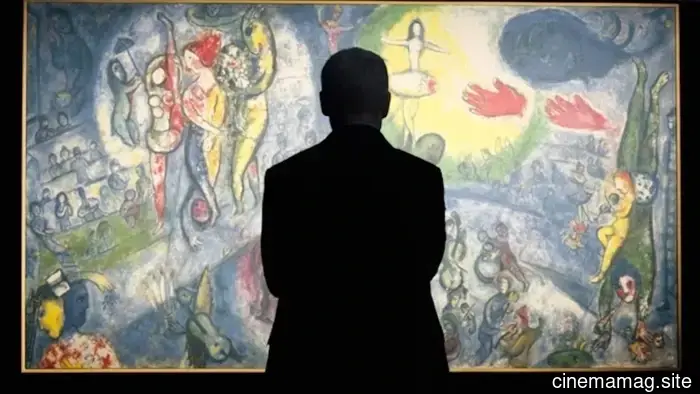
The Oligarch and the Art Dealers Examine the Hidden Transactions of the Extremely Wealthy
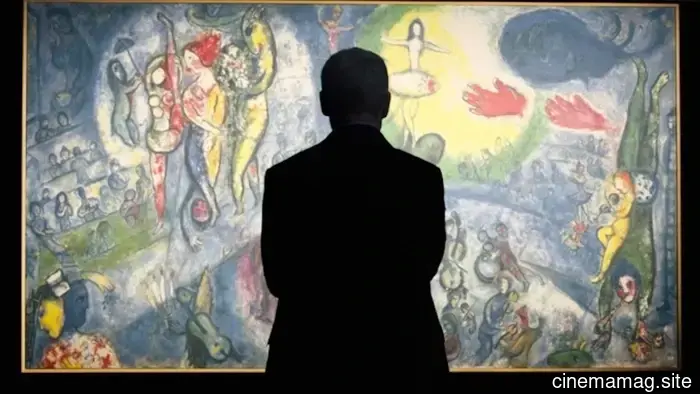
Andreas Dalsgaard’s docuseries *The Oligarch and the Art Dealer* offers a compelling glimpse into the obscure ways in which money circulates globally.
Co-created by Christoph Jorg, the three-part series focuses on two figures: Russian billionaire Dmitry Rybolovlev, who gained wealth through fertilizer and once faced murder charges before being exonerated, and Yves Bouvier, a Swiss art dealer who established a network of art freeports—high-security warehouses that allow the ultra-wealthy to store and trade assets while circumventing duties and taxes. Together, they curated one of the most remarkable private art collections worldwide. Rybolovlev invested part of his $6.7 billion in iconic pieces by artists such as Rothko, Modigliani, Klimt, Picasso, and da Vinci, with Bouvier facilitating the transactions for a commission.
For over a decade, their partnership thrived, with Rybolovlev reportedly spending around $2 billion on art; as the series notes, owning masterpieces distinguished him from other billionaires like Elon Musk. However, in 2015, conflict erupted when Rybolovlev accused Bouvier of secretly inflating prices by $1 billion, to which Bouvier responded that he had acted appropriately. The series doesn't seek to determine who is right or wrong; instead, Dalsgaard emphasizes the legal documents—emails, texts, financial records—made public during the court proceedings that illuminate the lives of the ultra-wealthy, providing a glimpse into their exclusive world, making for a captivating and infuriating three-hour viewing experience. Throughout the series, Bouvier appears in interviews while Rybolovlev is represented by his lawyers and former financial director. Reporters and art dealers who worked with Bouvier break down the legal documents for a broader audience, revealing the secretive nature of the ultra-rich.
Dalsgaard recently screened all three episodes of *The Oligarch and the Art Dealer* at the 23rd Copenhagen International Documentary Film Festival (CPH:DOX), with the first episode debuting at Sundance. We spoke with Dalsgaard about creating a series without a clear protagonist and why he finds *The Oligarch and the Art Dealer* to have a Shakespearean element.
**Director Andreas Dalsgaard on Creating *The Oligarch and the Art Dealer***
*MovieMaker*: Was it difficult to build a series around two characters you can't entirely trust?
**Andreas Dalsgaard**: For me, as a storyteller, that aspect was particularly intriguing. It presented a narrative involving billions at stake, featuring unreliable characters like Bouvier and his rival Rybolovlev. With so much on the line, they're unable to speak the truth. As filmmakers, and viewers, we become pawns in their game, which extends beyond court battles and legal tactics to controlling the narrative. I found it fascinating to narrate the story in such a way that the audience becomes part of that dynamic and learns how to navigate it themselves.
*MovieMaker*: There's no clear hero in *The Oligarch and the Art Dealer*. How did you approach this, and was it a challenge?
**Andreas Dalsgaard**: Yes and no. It focuses on two wealthy middle-aged white men, and frankly, who cares who wins? However, the series offers a rare insight into a world that we usually perceive superficially, often through social media glimpses of yachts in St. Bart's, Monaco, or Miami. The true workings of this elite circle are obscured by a complex service structure that caters to the rich, preventing us from fully grasping what actually happens. Viewed from a distance, the story has a Shakespearean quality.
*MovieMaker*: In what way?
**Andreas Dalsgaard**: Shakespeare told stories of kings and dukes, illustrating how their greed or flawed nature led to their downfall. This series is highly relevant, helping us understand what shapes our contemporary world. Moreover, it serves as a classic drama filled with deceit and manipulation.
*MovieMaker*: Did you ever feel like Rybolovlev’s and Bouvier’s representatives were using you to sway public opinion?
**Andreas Dalsgaard**: They were definitely leveraging us, which is common in stories like this where media serves as a tool. Our responsibility as filmmakers is to utilize that for the film’s advantage, allowing them to share their narratives on camera, while we strive to present a balanced and accurate portrayal.
You can find more of our film festival coverage here.
Main image: *The Oligarch and the Art Dealer*.
Editor's Note: Corrects main image.
Other articles
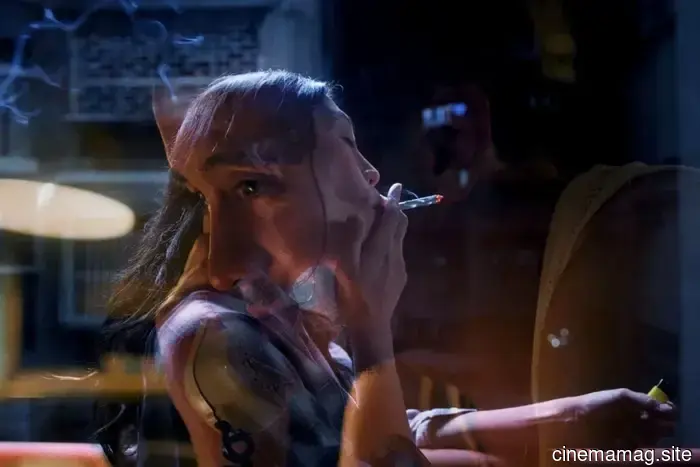 MoMI Reveals Initial 2026 Lineup
The Museum of the Moving Image has announced its program for the 15th edition of First Look, the festival dedicated to showcasing new and innovative international cinema, scheduled for April 23–May 3, 2026. The event will open with The Misconceived by James N. Kienitz Wilkins and conclude with Moonglow by Isabel Sandoval. Additionally, the lineup features Carousel, directed by Rachel Lambert and starring Chris Pine.
MoMI Reveals Initial 2026 Lineup
The Museum of the Moving Image has announced its program for the 15th edition of First Look, the festival dedicated to showcasing new and innovative international cinema, scheduled for April 23–May 3, 2026. The event will open with The Misconceived by James N. Kienitz Wilkins and conclude with Moonglow by Isabel Sandoval. Additionally, the lineup features Carousel, directed by Rachel Lambert and starring Chris Pine.
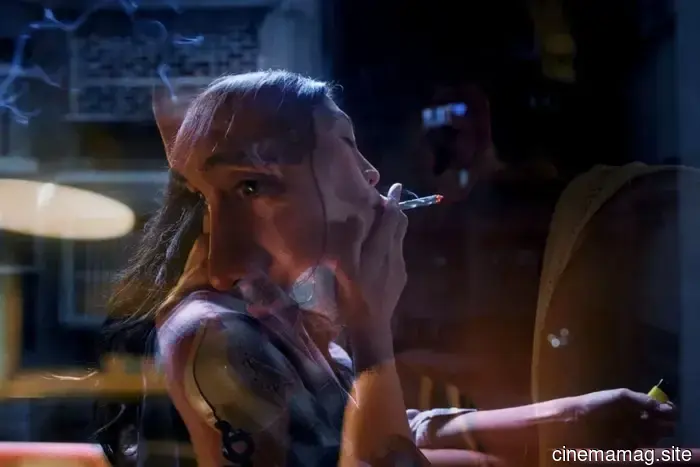 MoMI Reveals Initial 2026 Programming Schedule
The Museum of the Moving Image has announced its program for the 15th edition of First Look, the museum's festival showcasing new and groundbreaking international cinema, scheduled for April 23 to May 3, 2026. The festival will kick off with James N. Kienitz Wilkins's The Misconceived and conclude with Isabel Sandoval's Moonglow, featuring Rachel Lambert's Carousel, which stars Chris Pine.
MoMI Reveals Initial 2026 Programming Schedule
The Museum of the Moving Image has announced its program for the 15th edition of First Look, the museum's festival showcasing new and groundbreaking international cinema, scheduled for April 23 to May 3, 2026. The festival will kick off with James N. Kienitz Wilkins's The Misconceived and conclude with Isabel Sandoval's Moonglow, featuring Rachel Lambert's Carousel, which stars Chris Pine.
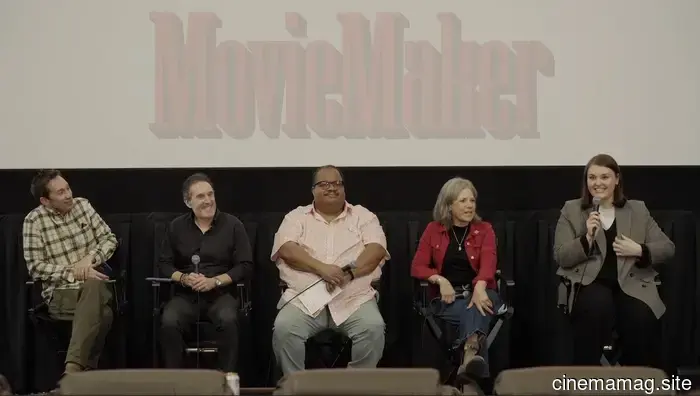 Sustainability is essential for being among the top locations to live and work as a filmmaker.
When representatives from four of our Best Places to Live and Work as a Moviemaker met in Austin over the weekend, they concurred that one way the host city
Sustainability is essential for being among the top locations to live and work as a filmmaker.
When representatives from four of our Best Places to Live and Work as a Moviemaker met in Austin over the weekend, they concurred that one way the host city
 The Oligarch and the Art Dealers Examine the Hidden Transactions of the Super Wealthy
Andreas Dalsgaard's docuseries, The Oligarch and the Art Dealer, offers a fascinating exploration of the obscure ways in which money circulates globally.
The Oligarch and the Art Dealers Examine the Hidden Transactions of the Super Wealthy
Andreas Dalsgaard's docuseries, The Oligarch and the Art Dealer, offers a fascinating exploration of the obscure ways in which money circulates globally.
 Logan Lerman and Emily Bader set to star in the Netflix reboot of 13 Going On 30.
"13 Going On 30" is getting the Netflix reboot treatment with Logan Lerman (Hunters) and Emily Bader (My Lady Jane) in the lead roles. According to a report from Deadline, the film originally starring Jennifer Garner and Mark Ruffalo, which was released in 2004, will be reimagined.
Logan Lerman and Emily Bader set to star in the Netflix reboot of 13 Going On 30.
"13 Going On 30" is getting the Netflix reboot treatment with Logan Lerman (Hunters) and Emily Bader (My Lady Jane) in the lead roles. According to a report from Deadline, the film originally starring Jennifer Garner and Mark Ruffalo, which was released in 2004, will be reimagined.
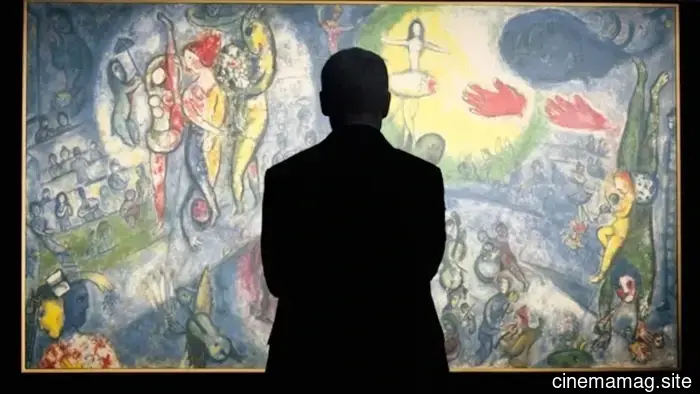 The Oligarch and the Art Dealers Investigate Hidden Transactions of the Ultra Wealthy
Andreas Dalsgaard's docuseries, The Oligarch and the Art Dealer, provides a captivating examination of the intricate and often obscure paths through which money circulates globally.
The Oligarch and the Art Dealers Investigate Hidden Transactions of the Ultra Wealthy
Andreas Dalsgaard's docuseries, The Oligarch and the Art Dealer, provides a captivating examination of the intricate and often obscure paths through which money circulates globally.
The Oligarch and the Art Dealers Examine the Hidden Transactions of the Extremely Wealthy
Andreas Dalsgaard's docuseries, The Oligarch and the Art Dealer, offers a captivating insight into the obscure dynamics of global financial flows.