
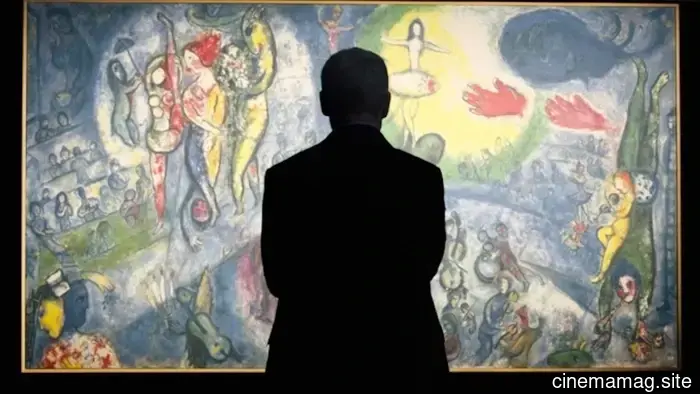
The Oligarch and the Art Dealers Examine the Hidden Transactions of the Super Wealthy
Andreas Dalsgaard's docuseries, The Oligarch and the Art Dealer, provides a captivating exploration of the obscure ways in which money moves across the globe.
Co-created with Christoph Jorg, the three-part series focuses on two individuals: Dmitry Rybolovlev, a Russian billionaire who amassed his wealth through fertilizer and spent a year in prison on murder charges from which he was eventually exonerated, and Yves Bouvier, a Swiss art dealer who established an empire by creating art freeports—high-security warehouses where the ultra-wealthy can store and sell art while evading taxes and duties. Together, they built one of the largest private art collections in history, with Rybolovlev investing a portion of his $6.7 billion to acquire masterpieces by Rothko, Modigliani, Klimt, Picasso, and da Vinci, while Bouvier facilitated the transactions for a commission.
For over a decade, their partnership thrived: Rybolovlev reportedly spent about $2 billion on art, believing that owning such masterpieces distinguished him from other billionaires, including Elon Musk. However, in 2015, a conflict erupted when Rybolovlev accused Bouvier of secretly inflating prices by $1 billion. Bouvier maintained his innocence. The series does not focus on who was right or wrong. Instead, Dalsgaard emphasizes the legal documents—emails, text messages, and financial statements—exposed during litigation that reveal the lifestyles of the ultra-wealthy. It offers a glimpse into the rarefied world of billionaires, resulting in a compelling, frustrating, and utterly engaging three-hour viewing experience. Throughout the series, Bouvier participates in on-camera interviews, while Rybolovlev is represented by attorneys and his former financial director. Journalists and art dealers who collaborated with Bouvier help explain the legal documents, effectively illuminating the covert realm of the extremely affluent. Dalsgaard was present in Denmark for the screening of all three episodes of The Oligarch and the Art Dealer at the 23rd Copenhagen International Documentary Film Festival (CPH:DOX), after the series' first episode premiered at Sundance. We discussed with Dalsgaard the challenges of creating a series without a clear hero and why he considers The Oligarch and the Art Dealer to be Shakespearean.
Director Andreas Dalsgaard on Creating The Oligarch and the Art Dealer
MovieMaker: Was it challenging to develop a series focused on two characters you don’t completely trust?
Andreas Dalsgaard: As a storyteller, I found it intriguing, as this was a narrative involving billions in play. At its core are two unreliable figures, Bouvier and his rival Rybolovlev. With so much at stake, truth-telling is not an option for them. As filmmakers, and for you as an audience, we become pieces in this game, which is not only fought in courts and through lawyers but also involves narrative control and manipulation. I aimed to tell the story in a way that allows the audience to participate in that game and understand its dynamics.
MovieMaker: There's no clear hero to support in The Oligarch and the Art Dealer. How did you approach that, and was it challenging?
Andreas Dalsgaard: Both yes and no. It’s a story about two middle-aged white men with excessive wealth, making it hard to care about who emerges victorious. Yet simultaneously, the series offers unique insights into a world we only superficially observe through social media, such as the yachts in St. Bart’s, Monaco, or Miami. We often miss the underlying realities, in part due to the extensive service structures catering to the wealthy, obscuring what truly takes place. Viewed from a distance, the story becomes almost Shakespearean.
MovieMaker: In what way?
Andreas Dalsgaard: Shakespeare depicted tales involving kings and nobles, illustrating how their greed and flawed human nature lead to their downfall. This series resonates today as it helps us understand the foundations of our current world. Additionally, it presents a fundamental and entertaining drama of deceit and manipulation.
MovieMaker: Did you feel that Rybolovlev’s and Bouvier’s representatives were using you to advocate their case to the public?
Andreas Dalsgaard: They certainly used us, which is common in stories like this where the media functions as a tool. Our role as filmmakers is to take advantage of that situation to benefit the film, capturing their narratives on camera while ensuring we balance their stories accurately and fairly.
You can find more of our film festival coverage here.
Main image: The Oligarch and the Art Dealer.
Editor's Note: Corrected main image.
Other articles
 The initial Japanese trailer for Hirokazu Kore-eda’s Sheep in the Box, ready for its premiere at Cannes.
Add another guaranteed Cannes Film Festival debut to the list. "Sheep in the Box," Hirokazu Kore-eda's initial feature of 2026 (which comes before his adaptation of "Look Back"), is scheduled to be released in Japan on May 29, making it ready for a world premiere at the French festival. In anticipation of the release, the first Japanese trailer has now been unveiled.
The initial Japanese trailer for Hirokazu Kore-eda’s Sheep in the Box, ready for its premiere at Cannes.
Add another guaranteed Cannes Film Festival debut to the list. "Sheep in the Box," Hirokazu Kore-eda's initial feature of 2026 (which comes before his adaptation of "Look Back"), is scheduled to be released in Japan on May 29, making it ready for a world premiere at the French festival. In anticipation of the release, the first Japanese trailer has now been unveiled.
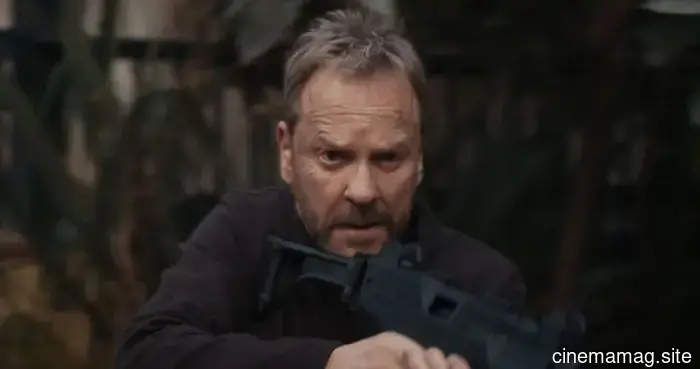 The trailer for Brothers Under Fire features Kiefer Sutherland in a confrontation with a Mexican cartel.
Vertical has unveiled a poster and trailer for Brothers Under Fire, the forthcoming action thriller directed by Justin Chadwick (The Other Boleyn Girl, Mandela: Long Walk to Freedom). Kiefer Sutherland…
The trailer for Brothers Under Fire features Kiefer Sutherland in a confrontation with a Mexican cartel.
Vertical has unveiled a poster and trailer for Brothers Under Fire, the forthcoming action thriller directed by Justin Chadwick (The Other Boleyn Girl, Mandela: Long Walk to Freedom). Kiefer Sutherland…
 Logan Lerman and Emily Bader set to star in the Netflix reboot of 13 Going On 30.
"13 Going On 30" is getting the Netflix reboot treatment with Logan Lerman (Hunters) and Emily Bader (My Lady Jane) in the lead roles. According to a report from Deadline, the film originally starring Jennifer Garner and Mark Ruffalo, which was released in 2004, will be reimagined.
Logan Lerman and Emily Bader set to star in the Netflix reboot of 13 Going On 30.
"13 Going On 30" is getting the Netflix reboot treatment with Logan Lerman (Hunters) and Emily Bader (My Lady Jane) in the lead roles. According to a report from Deadline, the film originally starring Jennifer Garner and Mark Ruffalo, which was released in 2004, will be reimagined.
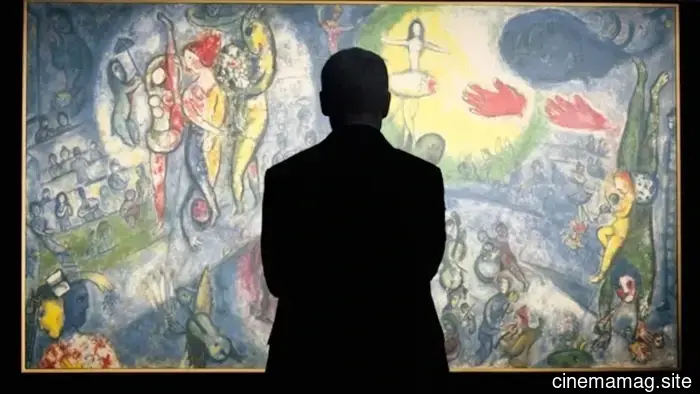 The Oligarch and the Art Dealers Investigate Hidden Transactions of the Ultra Wealthy
Andreas Dalsgaard's docuseries, The Oligarch and the Art Dealer, provides a captivating examination of the intricate and often obscure paths through which money circulates globally.
The Oligarch and the Art Dealers Investigate Hidden Transactions of the Ultra Wealthy
Andreas Dalsgaard's docuseries, The Oligarch and the Art Dealer, provides a captivating examination of the intricate and often obscure paths through which money circulates globally.
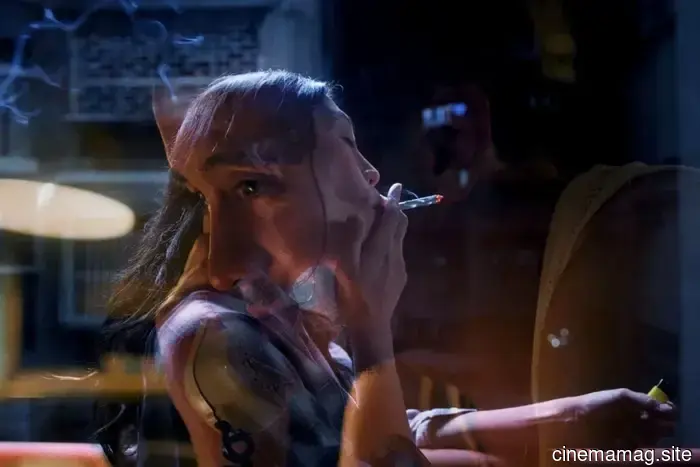 MoMI Reveals Initial 2026 Lineup
The Museum of the Moving Image has announced its program for the 15th edition of First Look, the festival dedicated to showcasing new and innovative international cinema, scheduled for April 23–May 3, 2026. The event will open with The Misconceived by James N. Kienitz Wilkins and conclude with Moonglow by Isabel Sandoval. Additionally, the lineup features Carousel, directed by Rachel Lambert and starring Chris Pine.
MoMI Reveals Initial 2026 Lineup
The Museum of the Moving Image has announced its program for the 15th edition of First Look, the festival dedicated to showcasing new and innovative international cinema, scheduled for April 23–May 3, 2026. The event will open with The Misconceived by James N. Kienitz Wilkins and conclude with Moonglow by Isabel Sandoval. Additionally, the lineup features Carousel, directed by Rachel Lambert and starring Chris Pine.
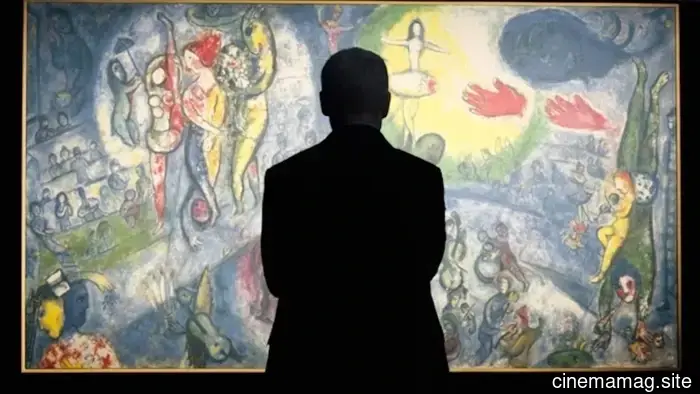 The Oligarch and the Art Dealers Examine the Hidden Transactions of the Extremely Wealthy
Andreas Dalsgaard's docuseries, The Oligarch and the Art Dealer, offers a captivating insight into the obscure dynamics of global financial flows.
The Oligarch and the Art Dealers Examine the Hidden Transactions of the Extremely Wealthy
Andreas Dalsgaard's docuseries, The Oligarch and the Art Dealer, offers a captivating insight into the obscure dynamics of global financial flows.
The Oligarch and the Art Dealers Examine the Hidden Transactions of the Super Wealthy
Andreas Dalsgaard's docuseries, The Oligarch and the Art Dealer, offers a fascinating exploration of the obscure ways in which money circulates globally.