
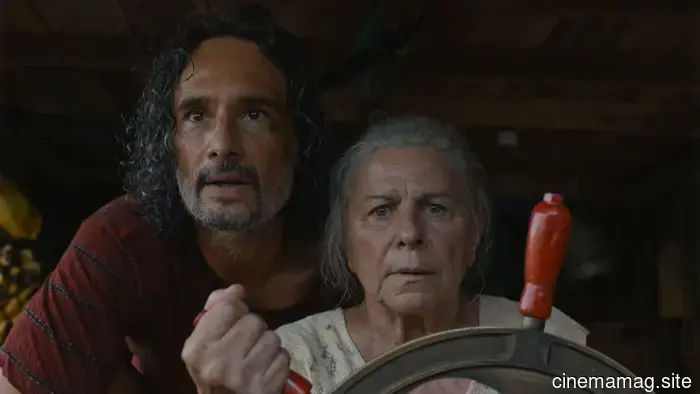
The director of The Blue Trail, Gabriel Mascaro, discusses themes of coming-of-age inversion, whimsical dystopias, and moments of conservative awakening.
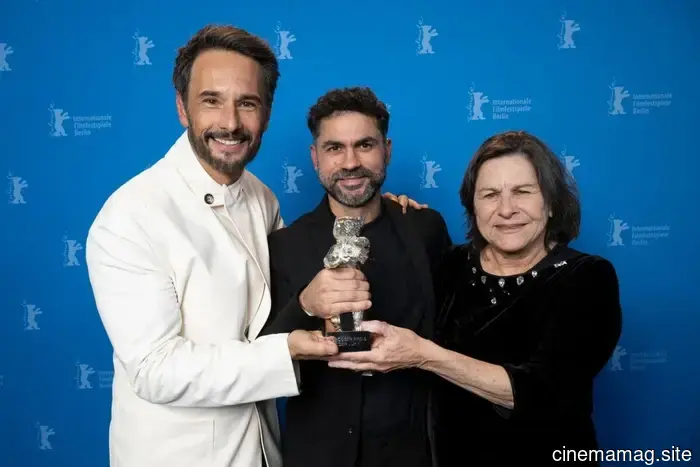
It's a situation that, under certain fascistic governments, might not feel so distant: to boost economic output, society's elders could be required to spend their remaining years in remote colonies. This is the premise of Gabriel Mascaro's Berlinale Silver Bear-winning film The Blue Trail, a striking Brazilian drama that follows Tereza (Denise Weinberg), a 77-year-old woman who defies authority and embarks on her own journey through the Amazon and beyond.
Ahead of The Blue Trail’s U.S. release this Friday, I had a conversation with Mascaro about the film's inspirations, blending genres, flipping the narrative of coming-of-age stories, being part of the recent surge in Brazilian cinema, and how its relevance is set to increase.
The Film Stage: I heard that your grandmother partially inspired the film. Can you elaborate on how you developed the story and the tones and emotions you aimed to capture?
Gabriel Mascaro: Yes, it was quite meaningful for me because she started painting after my grandfather passed away. Witnessing someone her age find new meaning in life was very inspiring. I decided I wanted to create a film about that feeling, featuring an elderly protagonist and highlighting this viewpoint. In my exploration of elderly characters in cinema, I found that they are often portrayed in relation to death, terminal illness, or nostalgia for the past. Elderly bodies tend to be viewed as symbols of history.
I aimed to shift this outlook. I soon realized that narratives regarding coming-of-age or “rites of passage” are typically linked to youth. Likewise, dystopian themes involving rebellion seldom focus on elderly individuals. I wanted to play with this concept: to craft a lighthearted film where the main character reclaims the capacity to lead in genres that traditionally exclude elderly individuals. The soundtrack also contributes to this tone, creating a playful, almost lyrical experiment—a road trip story where she confronts life rather than death.
One aspect I admire about your films, especially this one, is that while they convey a message, they do so through mood and atmosphere rather than being overt or heavy-handed. They leave the audience with unforgettable images and characters, which often communicate more than words could. What was your process to keep the audience engaged through your visual storytelling?
For me, it’s a film about an older woman who wants to soar, ultimately discovering she can achieve even greater heights than she imagined. It's about understanding the power of choice, taking risks, and forming new relationships and bonds in later life. It’s been wonderful to witness mature audiences identify with this character in such a “fabulist,” absurdist way.
It’s also heartwarming to see younger viewers in the theater. Celebrating life and new experiences through an elderly character is special because we often associate the notion of “discovering life” or “coming of age” with younger individuals. This project was challenging due to the character’s development; it’s unusual to see an older character undergoing a psychotropic experience typically linked to someone from the Woodstock or hippie era. This character, however, begins from a conservative, pro-regime, patriotic viewpoint. She realizes her limited time when the government attempts to lower the entrance age to the colony. That's where it all begins. The character's transformation is beautiful, moving from conservatism to experiencing new desires and consciousness. Even at the end, during her “queer” encounter with another woman, she doesn’t label it, which I found beautiful because it's something that could happen to anyone.
Premiering in Brazil was also fascinating, especially with a well-known actor (Rodrigo Santoro) involved, attracting diverse audiences. Brazil is quite polarized, similar to the U.S., and it was lovely to see individuals who weren't expecting this type of film feeling so connected to the character, who evolves from conservative beliefs.
Yes, an awakening. The scenes with Rodrigo Santoro drifting down the river are among the most stunning shots I've seen this year. How was your collaboration with cinematographer Guilherme Garza? Were there particular films or artworks you referenced?
Since this film plays with various genres, we had to reference many films while trying to develop our own distinct approach to blend them. This was the most challenging aspect. During the screenplay development, I drew influence from Before Sunrise. While shooting, I recall being inspired by Ulrich Seidl's trilogy, especially Paradise: Love, which showcases beautiful cinematography. I admire how he captures very symmetrical, still shots that eventually blossom as we follow an erotic body. That was significant for us.
The movie offers a plethora of references since it blends genres, incorporating dystopia with coming-of-age and road movie elements. We were excited to make a counterintuitive statement by merging genres that typically do not feature elderly bodies. That's why the film opens on a dystopian note yet features a character dancing for the camera—almost like an invitation to join in. This film is not a harsh dystopia; it’s a playful journey
Other articles
 Kobra Khan makes his debut in Iron Studios' Masters of the Universe Art Scale collection with a new statue.
Iron Studios has announced a new Art Scale statue featuring Kobra Khan, the villain from Masters of the Universe. This collectible, which is in 1:10 scale, is currently available for pre-order at a price of $9.99; take a look at the promotion…
Kobra Khan makes his debut in Iron Studios' Masters of the Universe Art Scale collection with a new statue.
Iron Studios has announced a new Art Scale statue featuring Kobra Khan, the villain from Masters of the Universe. This collectible, which is in 1:10 scale, is currently available for pre-order at a price of $9.99; take a look at the promotion…
 HBO releases a fresh trailer for the third season of Euphoria.
With only two weeks left until Euphoria makes its comeback, HBO has released a new trailer for the highly anticipated third season of the praised drama series created by Sam Levinson. The third season will bring back the show's returning cast…
HBO releases a fresh trailer for the third season of Euphoria.
With only two weeks left until Euphoria makes its comeback, HBO has released a new trailer for the highly anticipated third season of the praised drama series created by Sam Levinson. The third season will bring back the show's returning cast…
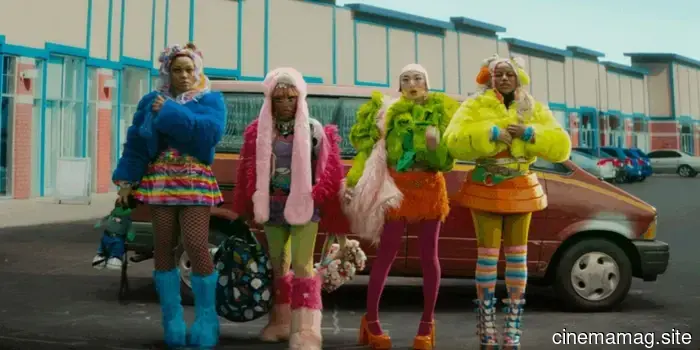 Boots Riley Unveils Fashion Heists in New Trailer for I Love Boosters
After making his directorial debut with Sorry to Bother You, Boots Riley returns with his next project, I Love Boosters. The film features Keke Palmer, Naomi Ackie, Taylour Paige, Poppy Liu, Eiza González, LaKeith Stanfield, Will Poulter, Don Cheadle, and Demi Moore, and it premiered at SXSW this month to enthusiastic reactions. As the May 22 release date approaches, NEON has now
Boots Riley Unveils Fashion Heists in New Trailer for I Love Boosters
After making his directorial debut with Sorry to Bother You, Boots Riley returns with his next project, I Love Boosters. The film features Keke Palmer, Naomi Ackie, Taylour Paige, Poppy Liu, Eiza González, LaKeith Stanfield, Will Poulter, Don Cheadle, and Demi Moore, and it premiered at SXSW this month to enthusiastic reactions. As the May 22 release date approaches, NEON has now
 HBO releases a new trailer for season 3 of Euphoria.
With only two weeks remaining until Euphoria makes its comeback, HBO has released a new trailer for the highly anticipated third season of the acclaimed drama series created by Sam Levinson. Season 3 features the return of the series' regular cast.
HBO releases a new trailer for season 3 of Euphoria.
With only two weeks remaining until Euphoria makes its comeback, HBO has released a new trailer for the highly anticipated third season of the acclaimed drama series created by Sam Levinson. Season 3 features the return of the series' regular cast.
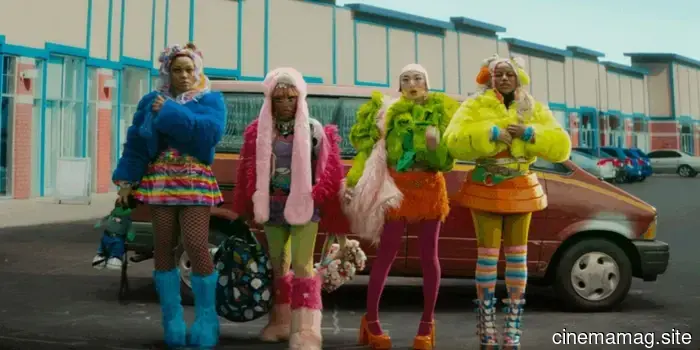 Boots Riley Unveils Fashion Heists in New Trailer for I Love Boosters
After his directorial debut with Sorry to Bother You, Boots Riley returns with his second film, I Love Boosters. Featuring Keke Palmer, Naomi Ackie, Taylour Paige, Poppy Liu, Eiza González, LaKeith Stanfield, Will Poulter, Don Cheadle, and Demi Moore, the film premiered at SXSW this month to favorable reactions. With a release date set for May 22, NEON has now
Boots Riley Unveils Fashion Heists in New Trailer for I Love Boosters
After his directorial debut with Sorry to Bother You, Boots Riley returns with his second film, I Love Boosters. Featuring Keke Palmer, Naomi Ackie, Taylour Paige, Poppy Liu, Eiza González, LaKeith Stanfield, Will Poulter, Don Cheadle, and Demi Moore, the film premiered at SXSW this month to favorable reactions. With a release date set for May 22, NEON has now
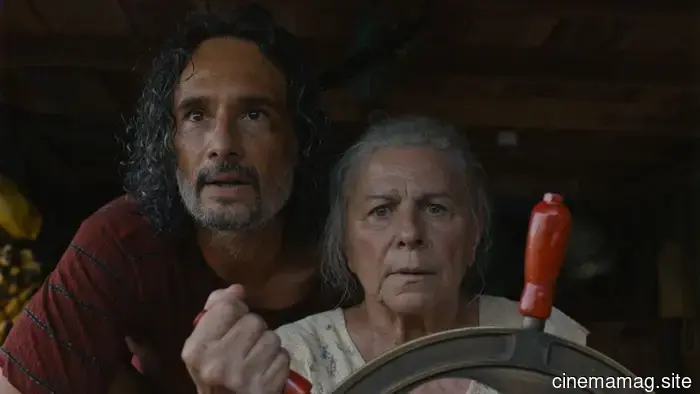 The director of The Blue Trail, Gabriel Mascaro, discusses themes of coming-of-age inversion, playful dystopias, and conservative awakenings.
It's a situation that, in the context of certain fascistic governments, may not appear too distant: to boost economic productivity, society's elders are required to spend their remaining years in remote colonies. This serves as the setting for Gabriel Mascaro's Berlinale Silver Bear-winning film The Blue Trail, a beautifully expressive Brazilian drama centered on Tereza.
The director of The Blue Trail, Gabriel Mascaro, discusses themes of coming-of-age inversion, playful dystopias, and conservative awakenings.
It's a situation that, in the context of certain fascistic governments, may not appear too distant: to boost economic productivity, society's elders are required to spend their remaining years in remote colonies. This serves as the setting for Gabriel Mascaro's Berlinale Silver Bear-winning film The Blue Trail, a beautifully expressive Brazilian drama centered on Tereza.
The director of The Blue Trail, Gabriel Mascaro, discusses themes of coming-of-age inversion, whimsical dystopias, and moments of conservative awakening.
It's a situation that, under specific fascistic regimes, might not appear so distant: to boost economic productivity, society's elderly are required to spend their remaining years in remote colonies. This sets the stage for Gabriel Mascaro's Berlinale Silver Bear-winning film, The Blue Trail, an evocatively crafted Brazilian drama that centers on Tereza.