

All the President’s Men at 50: The Tale Behind the Definitive Political Thriller
Half a century after its release, Hasitha Fernando explores the story behind All the President’s Men…
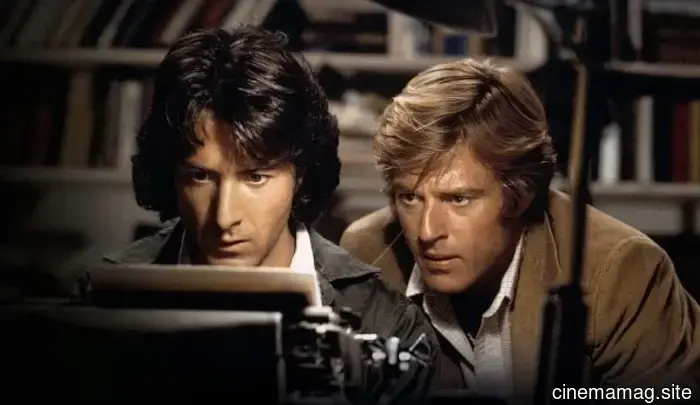
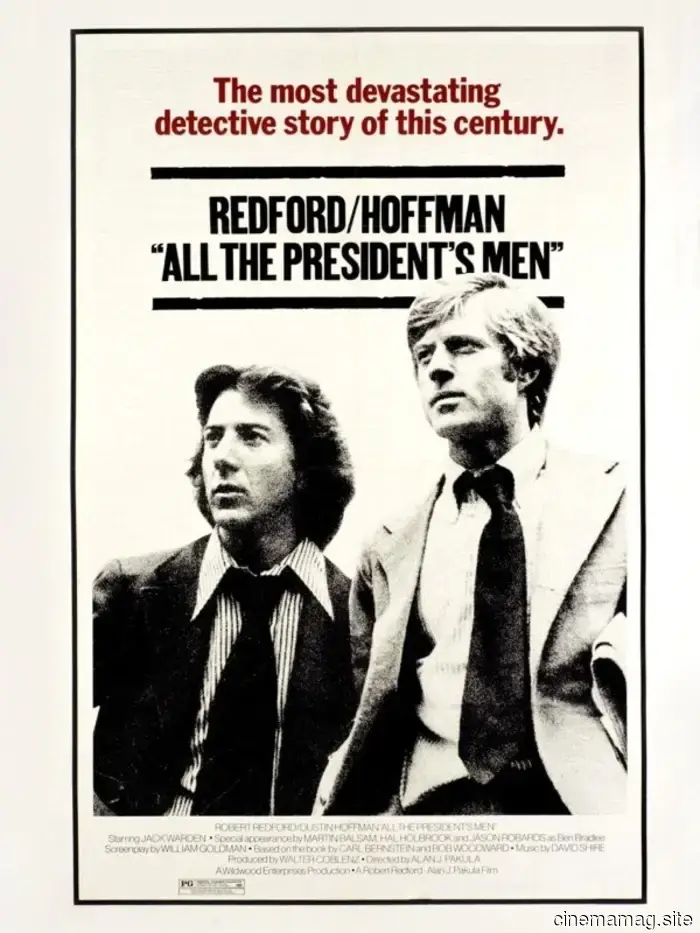
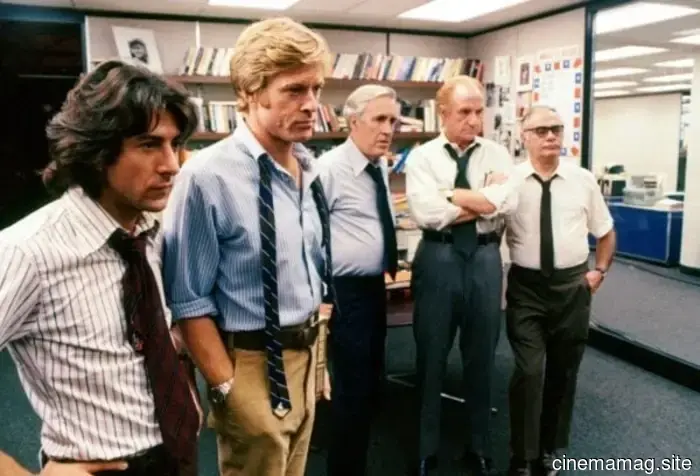
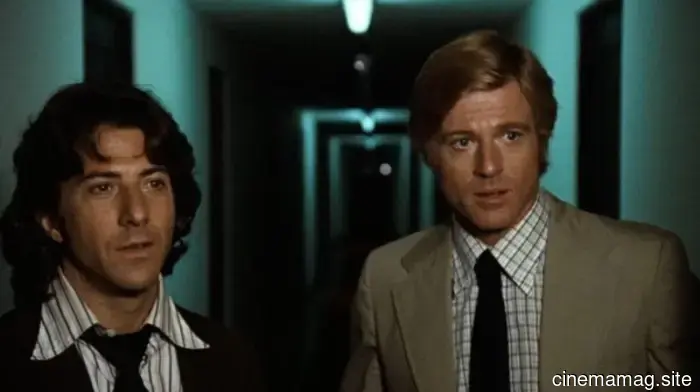
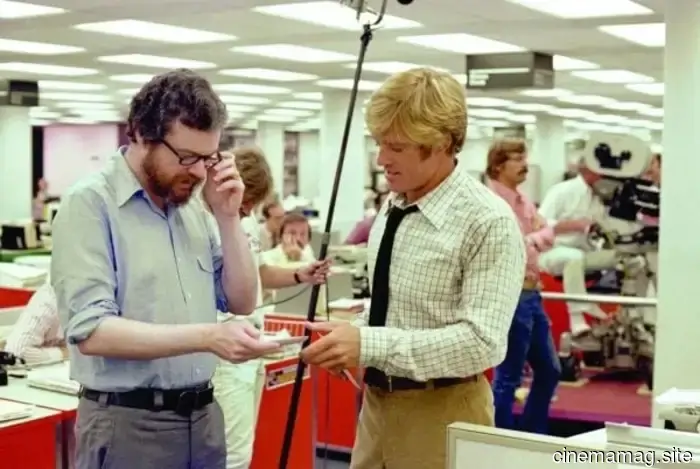
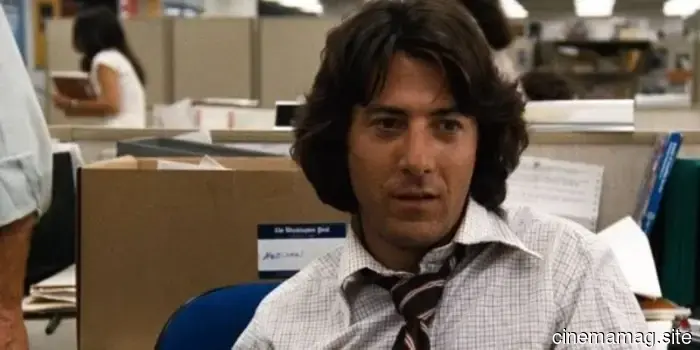
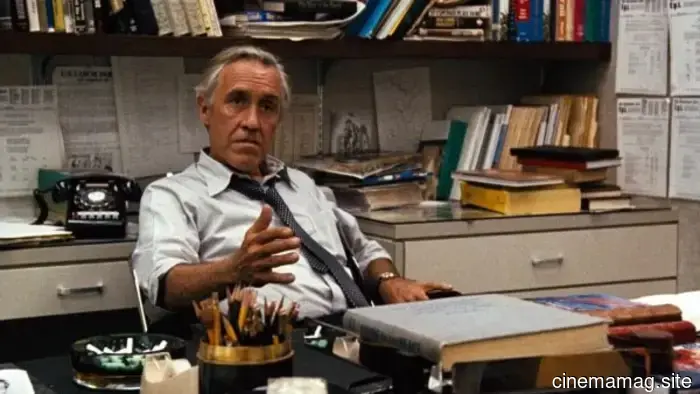
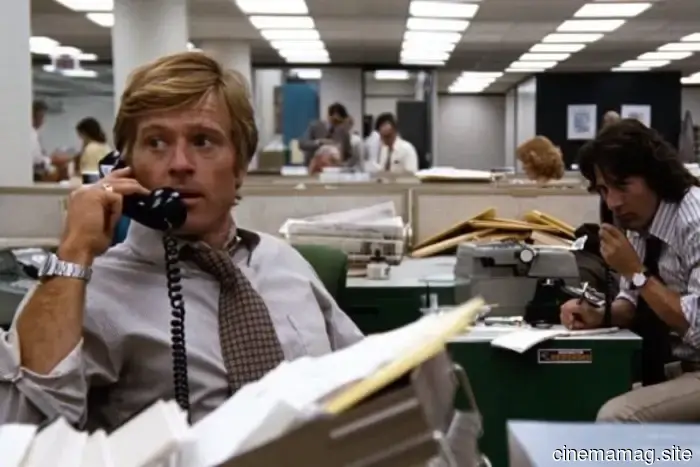
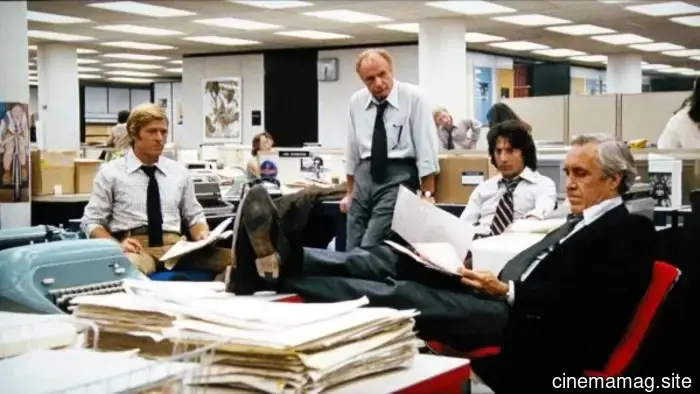
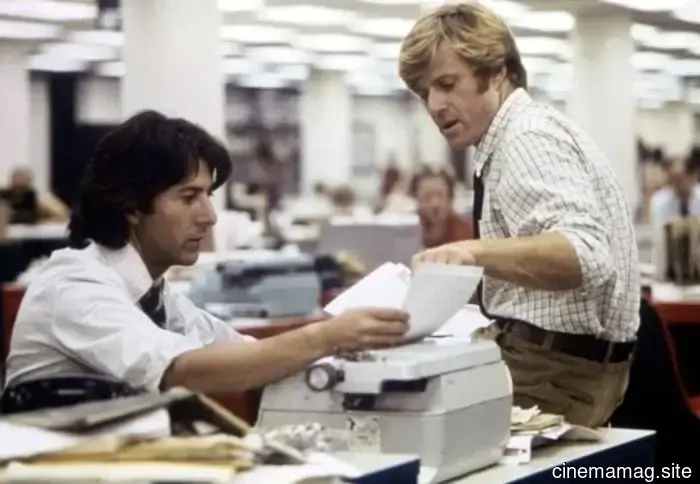
Receiving widespread acclaim at its release and in the years that followed, both from critics and audiences, is no small achievement. Yet All the President’s Men has managed to do just that. Premiering in the 1970s alongside films like Three Days of the Condor, The Marathon Man, Taxi Driver, and Rocky, it has been recognized as one of the greatest political thrillers addressing a pivotal moment in American history. As the film marks its 50th anniversary, we reflect on its production and the behind-the-scenes drama that unfolded…
From the outset, Robert Redford was drawn to the "Watergate Incident."
Throughout a career lasting over sixty years, Robert Redford demonstrated his talent multiple times as an actor, director, and producer both in front of and behind the camera. In the 1970s, he rose to prominence with leading roles in critically acclaimed films such as Butch Cassidy and the Sundance Kid, Three Days of the Condor, The Sting, and Jeremiah Johnson. As a respected filmmaker, Redford received an Oscar nomination for Best Director for his debut with Ordinary People, which also won the Academy Award for Best Film that year. He expressed interest in the Watergate saga right from the beginning, eagerly reading the articles written by Bob Woodward and Carl Bernstein for The Washington Post. In November 1972, he first reached out to Woodward about his interest in producing a film based on the controversial event. After getting a positive response from both Woodward and Bernstein, Redford purchased the rights to the book in 1974 for $450,000, aiming to produce it on a $5 million budget.
William Goldman was brought on board to write the script for the film.
The late William Goldman is often hailed as one of Hollywood's greatest screenwriters, and for good reason. He crafted the screenplays for numerous acclaimed films, including Butch Cassidy and the Sundance Kid, Marathon Man, The Princess Bride, Misery, and Chaplin, all of which have garnered significant recognition and praise. Having acted in Butch Cassidy and the Sundance Kid, an original screenplay by Goldman, Redford hired him to adapt Woodward and Bernstein's book for the big screen. In interviews, Goldman has mentioned that while Woodward was supportive and helpful throughout the writing process, Bernstein was not. After submitting his first draft in August 1974, Warner Bros. agreed to finance the film.
Numerous rewrites were carried out before the shooting script was finalized.
Despite Goldman having received an Academy Award for Butch Cassidy and the Sundance Kid by that time, Redford, being a perfectionist, was not satisfied with Goldman's first draft. Woodward and Bernstein shared this dissatisfaction. Consequently, Redford sought their creative input to enhance Goldman's script. Bernstein stepped in with the help of his then-girlfriend Nora Ephron—who gained fame for her screenplays for When Harry Met Sally and Sleepless in Seattle—and they created their own version of the script. Goldman was understandably upset that Redford embraced the "Bernstein-Ephron" draft, considering it a "gutless betrayal." Later, Redford expressed his own disappointment with the "Bernstein-Ephron" version, calling it "sophomoric and way off the beat." After director Alan J. Pakula joined the project, he also requested multiple revisions from Goldman to achieve the final shooting script he desired. Due to the significant contributions from Redford and Pakula during the production, Redford claimed that only one-tenth of Goldman's original draft survived in the shooting script. Nevertheless, only Goldman received sole credit for the screenplay, ultimately winning the Oscar for it the following year.
Alan J. Pakula conducted extensive interviews with news reporters to deepen his understanding.
Alan J. Pakula is often regarded as one of the most talented filmmakers to emerge from the "New Hollywood" movement. His critically acclaimed "paranoia trilogy," which includes the films Klute, The Parallax View, and All the President’s Men, is regularly acknowledged as high-quality political and paranoia thrillers from the 1970s. His later works such as Sophie’s Choice, Presumed Innocent, and Pelican Brief have also been praised for their compelling storytelling and sharp direction. Upon being hired to direct All the President’s Men, Pakula held extensive sessions with producer and lead actor Robert Redford to refine Goldman's script and achieve the desired output. Pakula even went so far as to conduct thorough interviews with news editors and reporters for additional insights into the subject matter he was addressing.
Al Pacino was initially considered for the role of Carl Bernstein.
During the production of All the President’s Men, Al Pacino was one of the most in-demand actors in the industry. With acclaimed performances in films like The Godfather, Serpico, Godfather Part II
Other articles
 NECA reveals the 2026 Convention Exclusive action figure set of the Teenage Mutant Ninja Turtles.
NECA has officially revealed its exclusive 4-pack of Teenage Mutant Ninja Turtles action figures for the 2026 convention, featuring black and white versions of Leonardo, Donatello, Raphael, and Michelangelo.
NECA reveals the 2026 Convention Exclusive action figure set of the Teenage Mutant Ninja Turtles.
NECA has officially revealed its exclusive 4-pack of Teenage Mutant Ninja Turtles action figures for the 2026 convention, featuring black and white versions of Leonardo, Donatello, Raphael, and Michelangelo.
 Comic Book Sneak Peek – Uncanny X-Men Annual #1
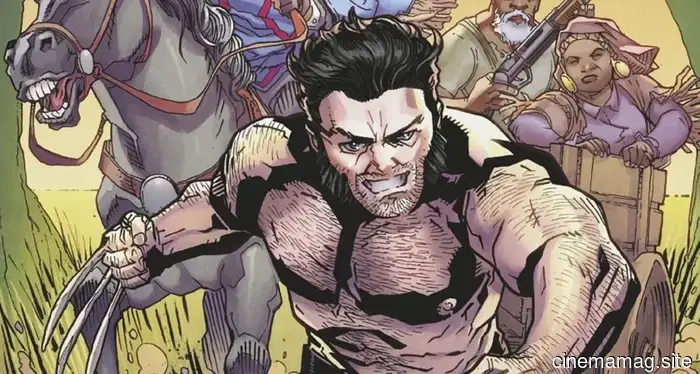
Marvel Comics will launch Uncanny X-Men Annual #1 this Wednesday, and you can check out the official preview below for an early look… From the storyline in THE DARK ARTERY within UNCANNY X-MEN: Who are th…
Comic Book Sneak Peek – Uncanny X-Men Annual #1
Marvel Comics will launch Uncanny X-Men Annual #1 this Wednesday, and you can check out the official preview below for an early look… From the storyline in THE DARK ARTERY within UNCANNY X-MEN: Who are th…
All the President’s Men at 50: The Tale Behind the Definitive Political Thriller
Fifty years after its debut, Hasitha Fernando examines the backstory of All the President’s Men... The film garnered widespread praise upon its release and continued to do so in the years that followed...