
10 Must-See Road Movies from the 1990s
Casey Chong showcases a vital selection of 90s road movies.
The characteristics of 1990s road films define the genre by emphasizing the characters' journeys toward self-discovery, incorporating thought-provoking themes such as the quest for freedom, identity, rebellion, adventure, and friendship. Depending on the film, some lead to a positive resolution, while others end tragically, demonstrating the genre's ability to mix various elements, combining comedy and drama, for instance. Let’s revisit ten of the most notable road movies from the 1990s…
**Wild at Heart (1990)**
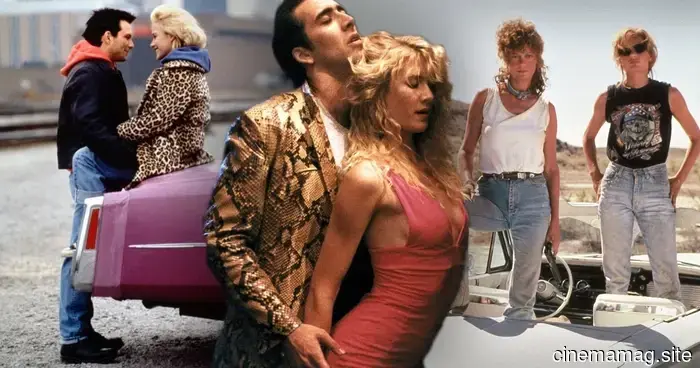
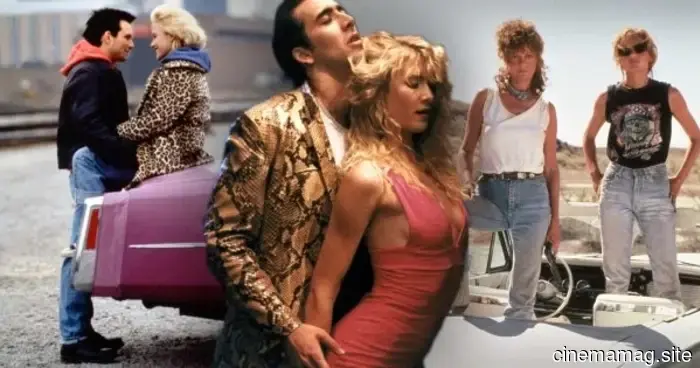
Initially a lesser-known work by David Lynch,Wild at Heart received mixed reactions and was even booed after winning the Palme d’Or at Cannes. However, this distinct black comedy has since been re-evaluated. Utilizing familiar road-movie elements as a starting point, Lynch adapts the screenplay from Barry Gifford’s 1989 novel, painting the narrative as an acid-fueled journey with the rebellious teenage spirit of Nicolas Cage’s Elvis-loving Sailor and Laura Dern’s spirited Lula in the archetype of star-crossed lovers on the run, all framed by Lynch's signature surreal and dreamlike directing style.
Lynch heavily references The Wizard of Oz, particularly through Lula’s recurring hallucination of her controlling mother (Diane Ladd) resembling a Wicked Witch on a broom, reflecting the coercive and obsessive dynamics of their dysfunctional mother-daughter relationship. The film is also notable for features Willem Dafoe, who appears later in the film as the unhinged Bobby Peru.
**Thelma & Louise (1991)**
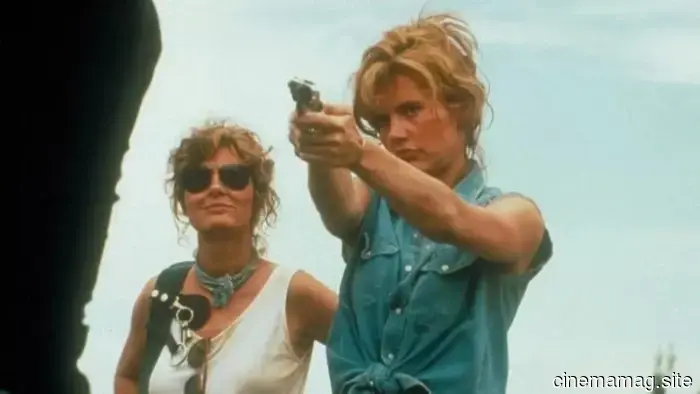
Feminist-themed films were a rare niche during the 1990s, yet Ridley Scott’s gripping interpretation became one of his finest works. This film stands out among the best road movies of the decade, following the adventure of two best friends—housewife Thelma Dickinson (Geena Davis) and waitress Louise Sawyer (Susan Sarandon)—on a weekend getaway to a fishing cabin. They soon encounter turmoil when a man attempts to assault Thelma at a roadhouse, leading an enraged Louise to fatally shoot him, thrusting them into a life of crime as fugitives.
Thelma & Louise's strength lies in the compelling dynamic between Davis and Sarandon, with their performances elevating the narrative. Their character arcs poignantly shift throughout the plot, illustrated by Thelma's transformation from a timid woman to a fierce and rebellious individual after confronting the events that unfold. The film is famously marked by its iconic conclusion—a fade-to-white scene as Thelma and Louise drive their 1966 Ford Thunderbird convertible off a cliff, symbolizing their relentless quest for freedom and control over their lives.
**My Own Private Idaho (1991)**
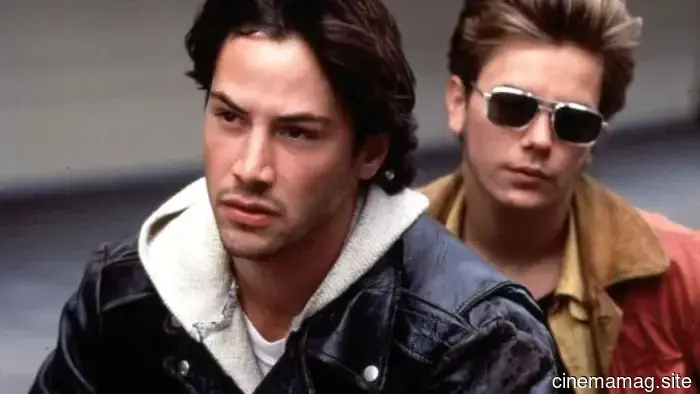
Gus Van Sant's 1991 cult classic My Own Private Idaho remains a pivotal work, marking his third directorial attempt after Mala Noche and Drugstore Cowboy. Road-movie conventions constitute half of this acclaimed indie film, where Van Sant follows Mike Waters (River Phoenix) and Scott Favor (Keanu Reeves), embarking on a journey from Portland to Idaho, before going to Rome in search of Mike’s missing mother.
The chemistry between Phoenix and Reeves captures the youthful rebellion of their street hustler characters as they explore self-discovery. The film also addresses queer themes through Mike’s unreciprocated love for Scott, adding depth to the narrative as Mike seeks his mother. Van Sant utilizes Mike’s narcolepsy as a metaphor reflecting his fragmented state of being and emotional sensitivity.
**True Romance (1993)**
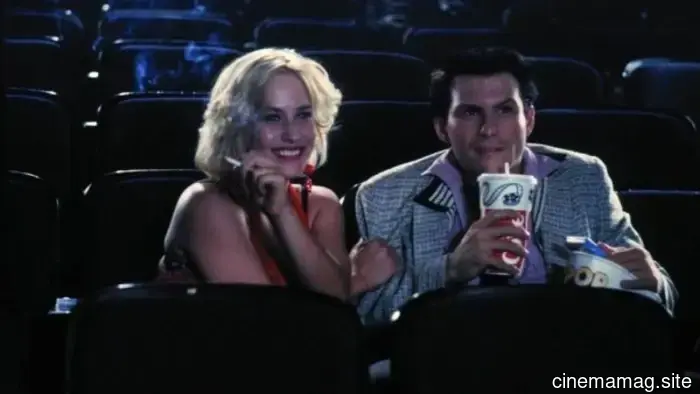
In an ideal scenario, it would have been remarkable to see Quentin Tarantino direct True Romance, but he chose to sell the screenplay to fund Reservoir Dogs. Nonetheless, Tony Scott adeptly translated Tarantino’s sharp script into a dynamic blend of kinetic visuals and witty, genre-defying storytelling. The plot centers on Elvis-fanatic Clarence (Christian Slater) and call girl Alabama (Patricia Arquette), who get into serious trouble after stealing a suitcase full of cocaine from Alabama’s violent pimp, Drexl (a menacing Gary Oldman). They flee from Detroit to Los Angeles, aiming to sell the drugs through Clarence's connection (Michael Rapaport). However, their plans spiral into chaos, leading to a series of tangled events from both sides of the law.
The fairytale-like love story between Clarence and Alabama contrasts sharply with the film's violent scenarios, allowing True Romance to seamlessly merge crime drama elements with road movie and action thriller motifs. The film features strong supporting roles, including James Gandolfini's volatile mob enforcer Virgil and Dennis Hopper’s Clifford, whose climactic altercation with Christopher Walken's consigliere during the memorable Sicilian scene highlights cinematic excellence. Credit also goes to Scott and Tarantino for embedding numerous pop culture references, such as Clarence’s admiration for

10 Must-See Road Movies from the 1990s
Casey Chong offers a crucial collection of road movies from the 1990s… The tropes of 90s road films characterize the genre by emphasizing the characters’ paths to self-discovery, featuring engaging themes.