

Netflix Review – Detective Hole: An Incomplete Yet Valuable Contribution to the Noir Genre
Jack Gayer reviews Detective Hole…
Let's distinguish the art from the artist, and, likewise, we should also differentiate the art from its former incarnation. Although it's well-meaning to attempt a complete separation between an old version of a work and its new rendition, it's ultimately a futile endeavor. It's akin to asking someone to forget that Walter White was once Hal in Malcolm in the Middle.
The newly released show Detective Hole—pronounced similarly to the sauce "mole"—is adapted from the novel The Devil’s Star, which was published in Norway in 2003 and translated into English in 2010.
Before delving into a review of Detective Hole, it's necessary to discuss this form of adaptation. Many people get caught up in what academics term the "fidelity myth," the belief that a book-to-film or TV adaptation must adhere strictly to the original source material.
When you read a novel, you envision the characters in your imagination. You bond with them over time, leading to a sense of possession. When that imagined world is disrupted by a poor interpretation, it can infuriate us at a fundamental level.
Therefore, if you haven't read Jo Nesbø, you are engaging with a different show entirely. There’s no need to separate anything. You start fresh, with no preconceived ideas. The downside is that you’re missing out on one of the finest crime writers of our time. This situation is also true for other film adaptations. Keeping this in mind, let's assess the uneven brilliance that is Detective Hole.
Choosing to wisely avoid the character's full name, "Harry Hole," Netflix has opted for the somewhat improved title, "Detective Hole." Enthusiastic fans of Nesbø have awaited an adaptation with the same fervor that Harry Potter fans once displayed for each new novel, or how Rob Ford's aides must have felt dreading his next public statement.
We won't delve into the catastrophic nightmare that was The Snowman (2017) right now.
Alright, we’ll mention it briefly. It stands as a disgrace in cinema—truly a horror of unparalleled proportions. If Oppenheimer had lived to see its release, he surely would have exclaimed, “I was mistaken; the individual who brought this monstrosity into existence is the real destroyer of worlds. Which cruel deity allowed this to be created? I pray for their misguided souls. Now, where's my lunch, a quart of martinis, and a pack of cigarettes?” Or something to that effect.
The Snowman, the seventh novel in the Harry Hole series, is also among the best. Its failed adaptation magnifies its disappointment even more. The novel is an excellent example of Nordic noir, a 450-560 page book (depending on the edition) that you could finish in a day or two—if you neglect loved ones, shower occasionally, and receive your nutrition intravenously. Worth it. The film, however, turned out to be a disastrous combination of poor choices, hampered by a rushed production (according to the director).
In The Snowman, Michael Fassbender was woefully miscast, and Val Kilmer, who had recently lost his voice to throat cancer, had all his lines noticeably dubbed. Co-written by Hossein Amini, who adapted Drive (2011), and directed by Tomas Alfredson, who also directed Let the Right One In (2008) and Tinker Tailor Soldier Spy (2011), the film had a promising start in this regard. What transpired during the filming remains a mystery. Alfredson asserts that as much as 15% of the screenplay was never filmed, though one can question how much that would have changed the final product. Alfredson has sensibly distanced himself from the outcome.
To summarize the viewing experience of The Snowman: if I were facing jail time or the option to watch that film again, I would choose the former. We can only speculate about what the film could have been, as Martin Scorsese was initially slated to direct it.
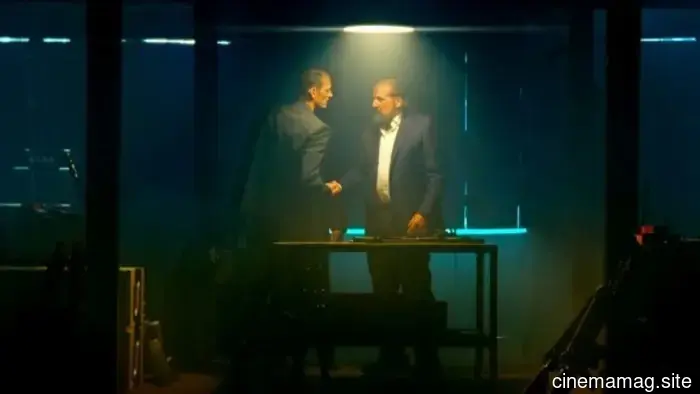
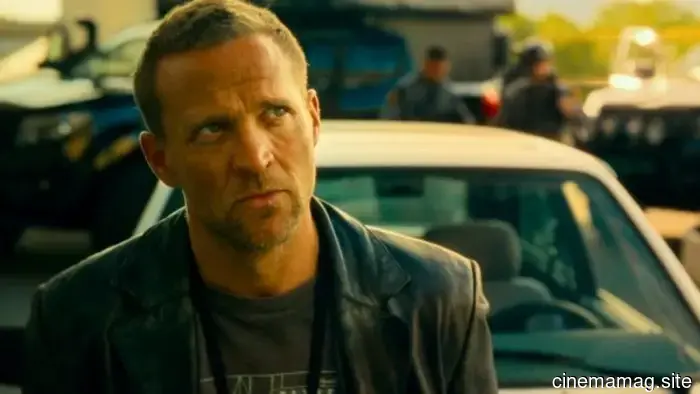
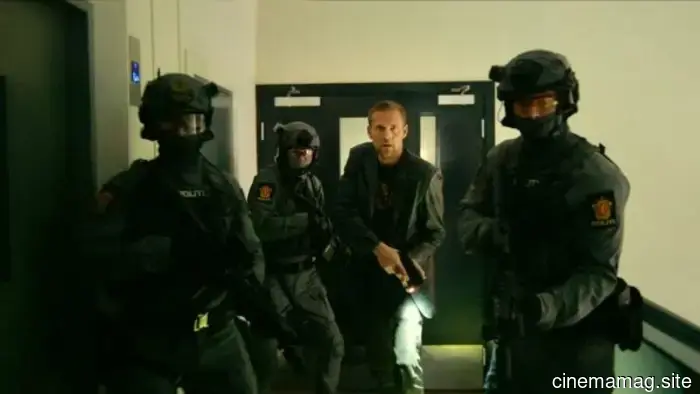
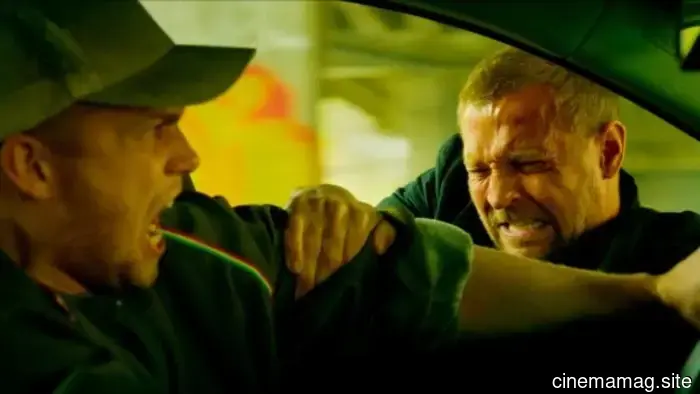
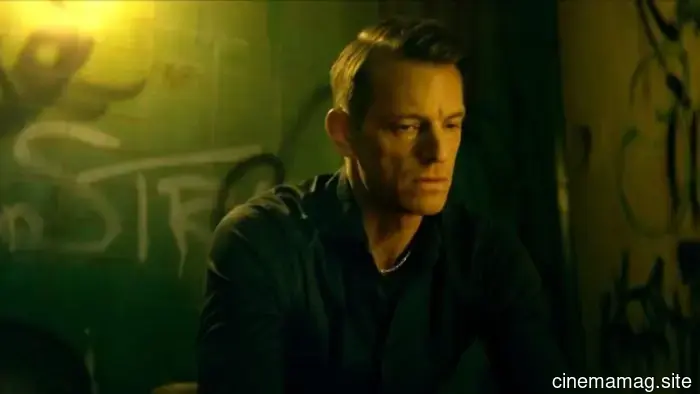
Returning to Detective Hole, Tobias Santelmann stars as Harry Hole, and if you were wise enough to see him in Darkness: Those Who Kill, you’ve witnessed his undeniable talent. With a mere glance, he conveys pathos, vulnerability, anguish, and rage—all essential qualities for a deeply internal character like Hole. He’s not particularly chatty, which adds to the impressiveness of his performance considering he played a serial killer in Darkness.
Santelmann possesses a handsome but rugged charm, his face etched with the weight of experience. The success of the show rests heavily on the casting of Hole, and Santelmann delivers. While Kenneth Branagh is excellent in Wallander, he pales in comparison to Santelmann’s portrayal of Harry Hole.
He excels at conveying emotion with minimal effort. Those fleeting expressions reveal angst in even the slightest twitch. He does "haunted" exceedingly well, a






Andere Artikel
 Instant Withdrawal Casinos Canada 2026: Leading Online Casinos That Complete Withdrawals in Less Than 24 Hours
If you're fed up with waiting days to receive your gambling winnings and want to enjoy the fast pace of 2026, then these casinos offering instant withdrawals are the right choice for you.
Instant Withdrawal Casinos Canada 2026: Leading Online Casinos That Complete Withdrawals in Less Than 24 Hours
If you're fed up with waiting days to receive your gambling winnings and want to enjoy the fast pace of 2026, then these casinos offering instant withdrawals are the right choice for you.
 Netflix Review – Detective Hole: An Incomplete, Yet Valuable Contribution to the Noir Genre
Jack Gayer critiques Detective Hole… It's important to distinguish the art from the artist. In fact, it's also wise to differentiate the art from its earlier version. However, despite the good intentions behind this effort to…
Netflix Review – Detective Hole: An Incomplete, Yet Valuable Contribution to the Noir Genre
Jack Gayer critiques Detective Hole… It's important to distinguish the art from the artist. In fact, it's also wise to differentiate the art from its earlier version. However, despite the good intentions behind this effort to…
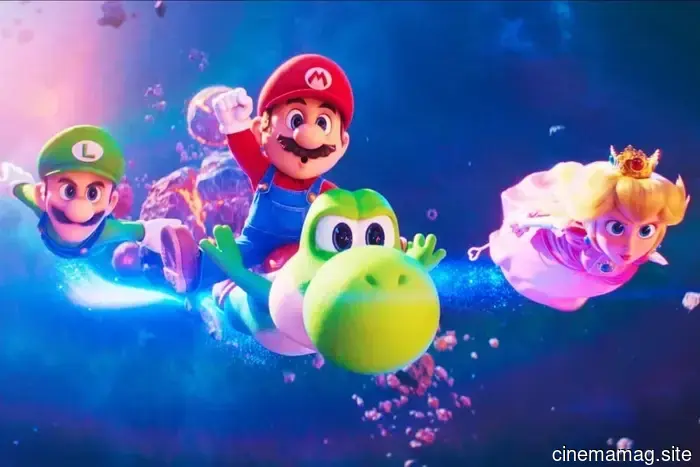 The Super Mario Galaxy Movie leads the box office with a global total of 2.5 million.
It's time for a Mario Party with Universal Pictures, Illumination Entertainment, and Nintendo, as their animated sequel The Super Mario Galaxy Movie has earned an impressive 2.5 million at the worldwide box office…
The Super Mario Galaxy Movie leads the box office with a global total of 2.5 million.
It's time for a Mario Party with Universal Pictures, Illumination Entertainment, and Nintendo, as their animated sequel The Super Mario Galaxy Movie has earned an impressive 2.5 million at the worldwide box office…
 Instant Withdrawal Casinos in Canada 2026: Leading Online Casinos That Complete Withdrawals Within 24 Hours
If you're fed up with waiting days for your gambling winnings and wish to play at the pace of 2026, then these casinos offering instant withdrawals are a great choice for you.
Instant Withdrawal Casinos in Canada 2026: Leading Online Casinos That Complete Withdrawals Within 24 Hours
If you're fed up with waiting days for your gambling winnings and wish to play at the pace of 2026, then these casinos offering instant withdrawals are a great choice for you.
 5 Leading Online Casinos in Australia for Real Money in 2026: Premier Pokies Sites for Australians - MovieMaker Magazine
Casinos such as Wild Tokyo, Goldenbet, Slots Gallery, MIRAX Casino, and Boho Casino address various player preferences. They consistently fulfill expectations across
5 Leading Online Casinos in Australia for Real Money in 2026: Premier Pokies Sites for Australians - MovieMaker Magazine
Casinos such as Wild Tokyo, Goldenbet, Slots Gallery, MIRAX Casino, and Boho Casino address various player preferences. They consistently fulfill expectations across
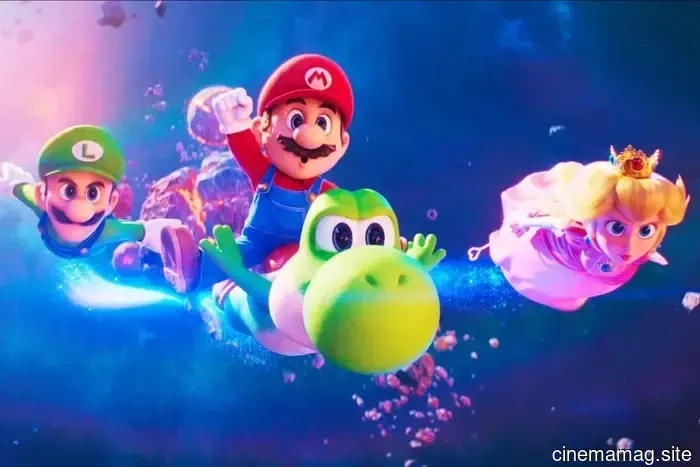 The Super Mario Galaxy Movie leads the box office with a global total of 2.5 million.
It's time for a Mario Party with Universal Pictures, Illumination Entertainment, and Nintendo, as their animated sequel The Super Mario Galaxy Movie has raked in an impressive 2.5 million at the worldwide box office...
The Super Mario Galaxy Movie leads the box office with a global total of 2.5 million.
It's time for a Mario Party with Universal Pictures, Illumination Entertainment, and Nintendo, as their animated sequel The Super Mario Galaxy Movie has raked in an impressive 2.5 million at the worldwide box office...
Netflix Review – Detective Hole: An Incomplete Yet Valuable Contribution to the Noir Genre
Jack Gayer examines Detective Hole... It's important to distinguish the art from the artist. Similarly, it makes sense to differentiate the art from its earlier version. However well-meaning the effort may be to attempt to co…