

10 Black-and-White Films That Remain Enjoyable to View
These black and white films continue to resonate in our vibrant era.
**Notorious (1946)**
*RKO Radio Pictures*
Many folks assert that the concept of flawed, intricate heroines is a recent development of our newly open-minded society. We would point them to Alfred Hitchcock’s electrifying *Notorious*, centered on whether Alicia Huberman (Ingrid Bergman) will attempt to redeem her tarnished reputation for U.S. agent T.R. Devlin (Cary Grant). Throughout the movie, Hitchcock manipulates stereotypes and themes regarding women and morality, keeping us uncertain until the very end about Alicia's motivations and allegiances. There's a meta-narrative concerning Hitchcock's own beliefs, and we sit on the edge of our seats, hoping that the director from nearly 80 years ago won’t disappoint us. It’s a thriller in every respect.
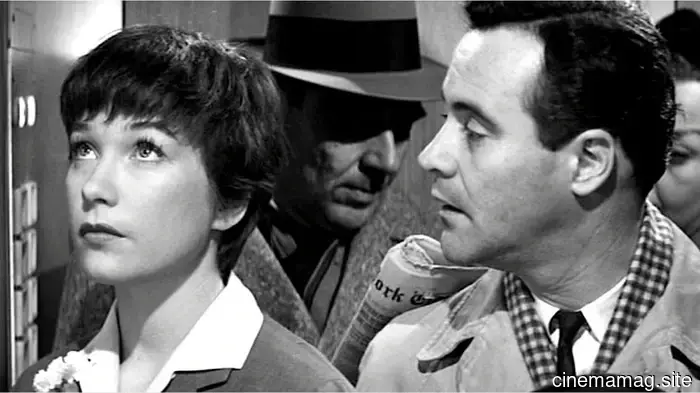
**The Apartment (1960)**
*United Artists*
Director Sean Baker rightfully garners admiration for his insightful and boldly humorous films about the commercialization of sex. However, *The Apartment* laid the groundwork. Billy Wilder's masterpiece has a rather dark premise: young clerk Bud (Jack Lemmon) must lend his apartment to executives who use it for secret encounters with vulnerable women. Even worse, he is meant to remain oblivious to how this arrangement affects the stoic Fran (Shirley MacLaine). Similar to Baker’s films, one can perceive sex work or sexual transactions as a metaphor for broader exploitation. It’s incredibly satisfying to witness Fran and Bud push back against the system.
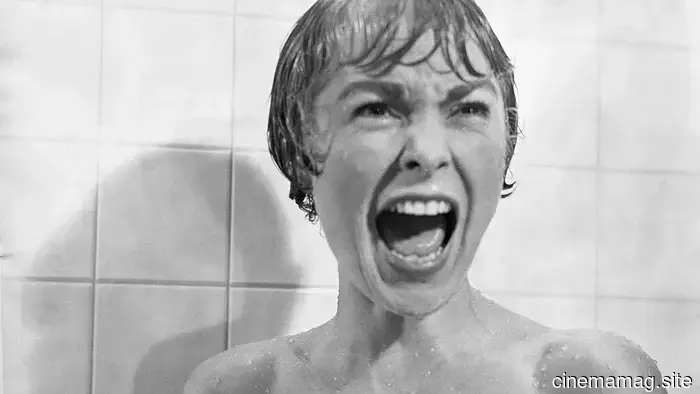
**Psycho (1960)**
*Paramount Pictures*
*Psycho* will dispel any notions that older films are boring and outdated. From the start, Janet Leigh’s Marion Crane is a good girl gone off course, stealing from her alcoholic boss to escape into the Arizona desert to be with her lazy boyfriend. The film is gripping, even before she encounters the titular psycho. While the expositional ending may be somewhat disappointing, one must remember that *Psycho* arrived at a time when most people were unfamiliar with the concept of a psycho. The film ensured they wouldn't forget it.
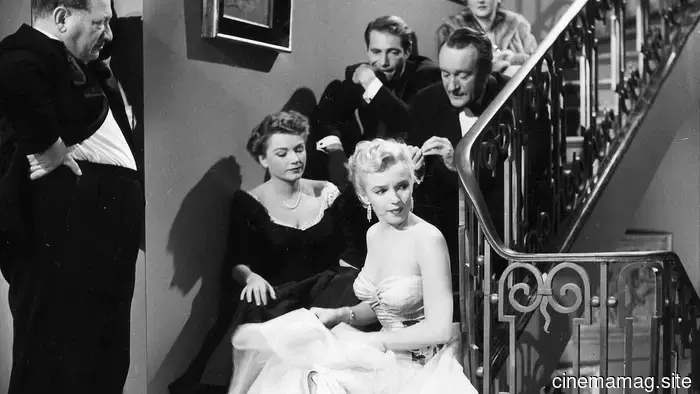
**All About Eve (1950)**
*20th Century Fox – Credit: 20th Century Studios*
Bette Davis portrays a Broadway star determined to maintain her status, while Anne Baxter takes on the role of Eve Harrington, a savvy manipulator eager to take her place. This dynamic has been repeated countless times since, from *The Devil Wears Prada* to *Showgirls*, yet no one has executed it better than *All About Eve*. The film also features an early appearance from Marilyn Monroe. Consider how remarkable it is that the line “Fasten your seat belts, it’s going to be a bumpy night!” came just years after commercial air travel became commonplace.
**Casablanca (1942)**
*Warner Bros. – Credit: Warner Bros.*
*Casablanca* tells a tale of divided loyalties and strong ethics—truly a film for adults trying to navigate a complicated world, but also for young viewers holding onto their principles. It’s remarkably fast-paced—somehow quicker than many contemporary streaming shows and films. Additionally, it’s hard to think of a film with more memorable quotes. Our favorite line—“I’m shocked, shocked”—remains as amusing today as it was in 1942, serving as the first thought that crosses our minds with every new scandal that breaks.
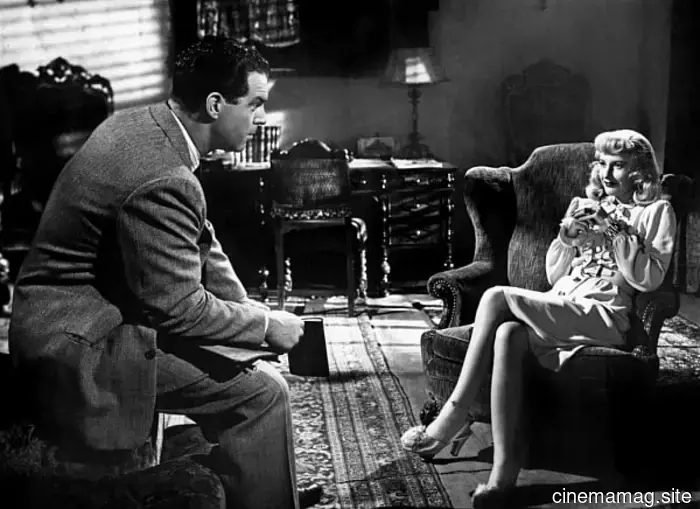
**Double Indemnity (1944)**
*Paramount Pictures*
This noir classic is easily the most entertaining film ever made about insurance. The film comes alive in scenes like the anklet moment—aka the “how fast was I going” scene—between Fred MacMurray's insurance man and Barbara Stanwyck's scheming client. The scene feels vibrant as Stanwyck’s Phyllis frequently reminds MacMurray’s Walter of her marital status. Yet, he manages to recover the tension with a sizzling closing remark. Just watch; no one has set up forbidden romance better.
**The Postman Always Rings Twice (1944)**
*MGM*
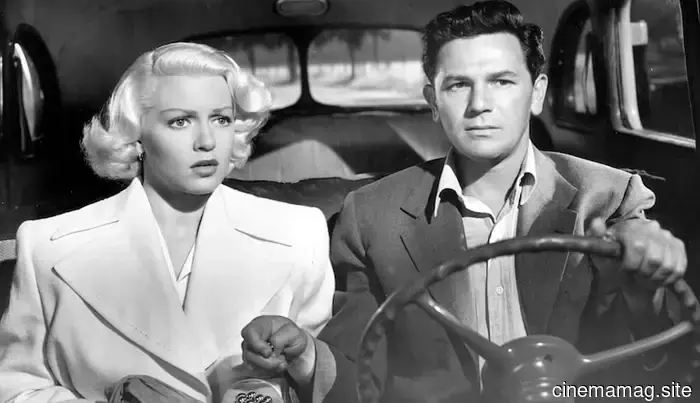
If you ever yearn for the more innocent times of yesteryear, watching *The Postman Rings Twice* will remind you that they weren’t so pure after all. There’s much to appreciate about this film—John Garfield’s romantic drifter, Lana Turner’s cunningly beautiful Cora, and the diner backdrop—but what stands out most is its grounded and unsentimental nature. It feels as though Lana Del Rey drew more than just her first name from Lana Turner; her contemporary anthems are richly influenced by 1940s noir, and whether or not her young fans recognize her inspirations, the singer's success confirms that the dark noir aesthetic still resonates.
**It’s a Wonderful Life (1946)**
*RKO Radio Pictures – Credit: Paramount Pictures*
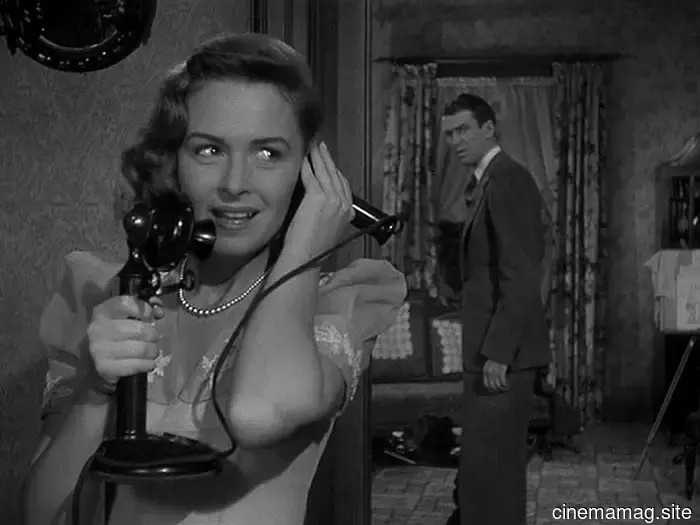
If


Other articles
-.png) Top Online Casinos Australia 2026: 5 Quick Payout Real Money Casinos for Australian Players (April Update) -
To be frank, discovering a reliable online casino for real money in Australia is not as straightforward as it seems. There are numerous choices available, but not all of them
Top Online Casinos Australia 2026: 5 Quick Payout Real Money Casinos for Australian Players (April Update) -
To be frank, discovering a reliable online casino for real money in Australia is not as straightforward as it seems. There are numerous choices available, but not all of them
 Fast Payout Casinos Australia 2026 - Top Instant Withdrawal Casinos for Australians (Pokies & Real)
After evaluating more than 100 Australian casinos for quick withdrawals, we have streamlined the selection to the top 5 casinos in Australia that offer fast payouts. Accepting
Fast Payout Casinos Australia 2026 - Top Instant Withdrawal Casinos for Australians (Pokies & Real)
After evaluating more than 100 Australian casinos for quick withdrawals, we have streamlined the selection to the top 5 casinos in Australia that offer fast payouts. Accepting
 10 Black and White Films That Remain Enjoyable to View
These black and white films continue to resonate strongly in our vibrant era.
10 Black and White Films That Remain Enjoyable to View
These black and white films continue to resonate strongly in our vibrant era.
 Top Crypto Casinos 2026 - Reviews of 5 Leading Bitcoin Gambling Websites - MovieMaker Magazine
In 2026, the online gambling scene is swiftly transitioning towards digital assets. Gamblers are increasingly choosing online crypto casinos due to their offerings.
Top Crypto Casinos 2026 - Reviews of 5 Leading Bitcoin Gambling Websites - MovieMaker Magazine
In 2026, the online gambling scene is swiftly transitioning towards digital assets. Gamblers are increasingly choosing online crypto casinos due to their offerings.
-.png) Top Online Casinos Australia 2026: 5 Quick Payout Real Money Casinos for Australian Players (April Edition) -
To be frank, locating a reputable online casino for real money in Australia is not as straightforward as it appears. There are numerous alternatives available, but not all of them are trustworthy.
Top Online Casinos Australia 2026: 5 Quick Payout Real Money Casinos for Australian Players (April Edition) -
To be frank, locating a reputable online casino for real money in Australia is not as straightforward as it appears. There are numerous alternatives available, but not all of them are trustworthy.
 Top Crypto Casinos of 2026 - Reviewed: 5 Leading Bitcoin Gambling Platforms - MovieMaker Magazine
In 2026, the online gambling scene is quickly evolving towards digital assets. Gamblers are increasingly favoring online crypto casinos due to their provision of
Top Crypto Casinos of 2026 - Reviewed: 5 Leading Bitcoin Gambling Platforms - MovieMaker Magazine
In 2026, the online gambling scene is quickly evolving towards digital assets. Gamblers are increasingly favoring online crypto casinos due to their provision of
10 Black-and-White Films That Remain Enjoyable to View
These black and white films continue to resonate in our vibrant era.