
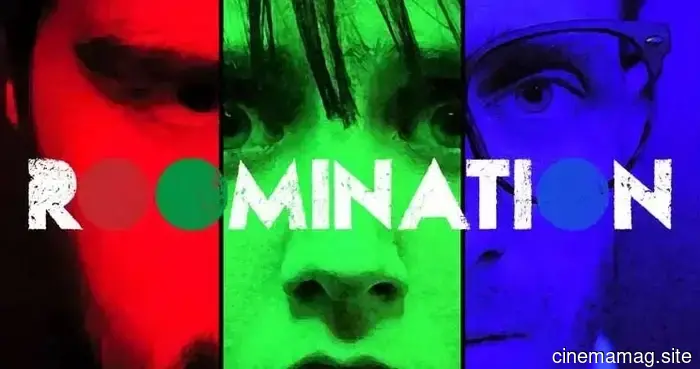
Exclusive Interview – Francesco Dalli Cani Discusses Psychological Thriller Roomination
For actor and filmmaker Francesco Dalli Cani, some of the most captivating narratives don't start with grandiosity; they start with trust. This principle exemplifies Roomination, a psychological thriller that emerged not from a studio environment, but from years of collaborative creativity, mutual development, and a sincere desire to share an authentic tale.
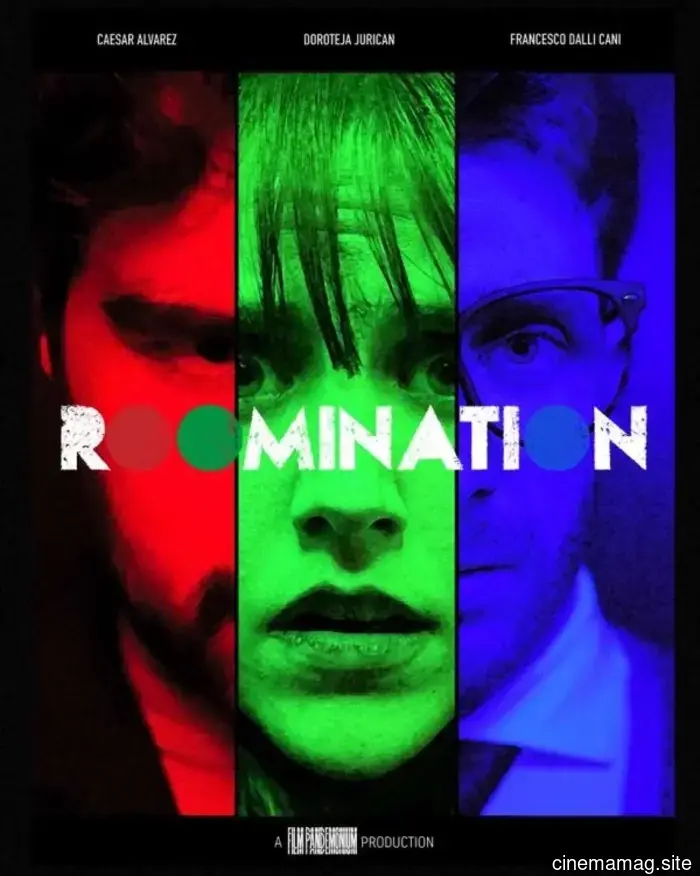
Directed by Cesar Alvarez and penned by Doroteja Jurican, this Los Angeles-produced film represents a return to the basics of filmmaking for Dalli Cani, who is actively advancing his career across acting, production, and creative development.
At its heart, Roomination revolves around Laura, a successful author ensnared in an unnerving therapy session conducted by the mysterious Dr. Heigold. As the session progresses, the lines between reality and internal perception begin to blur, disclosing that the entire experience is playing out in Laura's mind, a recurring psychological loop connected to her fears of aging, stagnation, and falling behind in life. This narrative is grounded not in spectacle, but in emotional authenticity, something that deeply resonates with the creative team.
A Project Years in the Making
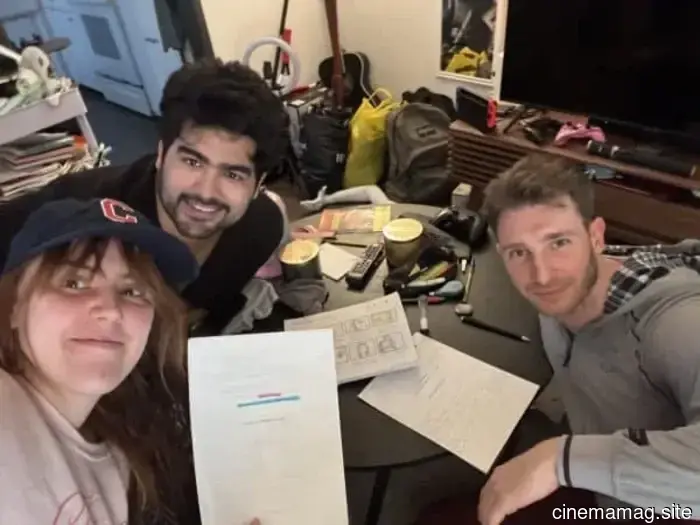
What appears as a tightly-knit psychological thriller on screen carries a much deeper history behind it. The inception of Roomination dates back to 2023, when Dalli Cani, Jurican, and Alvarez were students in the MFA Acting program at the New York Film Academy. As part of their coursework, the trio was required to craft and shoot a class project that encompassed all stages of production.
Jurican’s idea instantly stood out. "We ended up going with Doroteja's concept," Dalli Cani recalls. "She wrote the script, and I was cast in the role of the therapist."
That initial version, now referred to internally as Roomination V1, remains archived as a foundational exploration that laid the groundwork for something much more polished.
Years later, Jurican revisited the idea, rewriting it several times, ultimately producing a seventh draft that would serve as the final version. This evolution of the script was not merely structural but also narrative. The cyclical nature of Laura’s therapy sessions reflects the development process itself, with earlier drafts symbolizing “failed sessions” within the story’s internal logic.
This meta aspect enriches the final product, emphasizing the film’s core theme of the challenges in facing one’s own deep-seated fears.
Built on Collaboration, Not Resources
If Roomination illustrates anything, it is that constraints can become advantages when paired with a clear vision. The production was intentionally crafted as a low-budget endeavor, functioning with limited financial resources and a core team of just three key creatives.
"We only spent money on M&Ms," Dalli Cani remarks, highlighting the project’s minimalist nature.
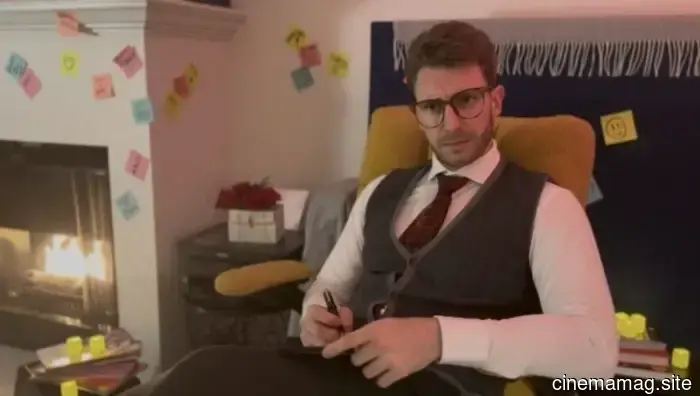
Entirely filmed within his apartment at AVA Toluca Hills, the team transformed ordinary spaces into narrative settings. The living room masqueraded as a therapist’s office, while the bathroom served as an auxiliary location, addressing the script’s demand for multiple settings within one accessible space.
The atmosphere was created through careful design choices instead of expensive production elements. A borrowed therapist’s chair established a tone of authority, while colorful post-it notes linked to the film’s recurring themes of red, blue, and green added visual and psychological depth to otherwise bare walls.
Even the technical aspects mirrored the project's ingenuity.
Shot on a phone and recorded with lavalier microphones, the team devised creative solutions to compensate for the lack of traditional equipment, including a makeshift boom set up using tape, a microphone, and a spare tripod.
Finding Freedom in Constraint
The film’s visual style embraces discomfort and unpredictability, enhancing the psychological tension at the heart of the narrative. Through intentional framing and unconventional angles, the project crafts a world that feels slightly off-kilter, reflecting Laura’s internal state and keeping the audience in a perpetual state of uncertainty. This approach, developed through meticulous pre-production and planning, allowed the team to take creative risks during filming, resulting in a final product that feels both intimate and stylistically intentional.
A Set Built on Trust
Despite the technical limitations, or perhaps because of them, Roomination emerged as one of the most fulfilling experiences of Dalli Cani’s career thus far. The reason is straightforward: familiarity.
Having collaborated for nearly three years, the trio commenced production with a profound understanding of each other’s strengths, weaknesses, and creative instincts.
"We’ve worked on sets that didn’t function," Dalli Cani observes. "So we knew exactly what to avoid."
That shared experience fostered a set atmosphere characterized by collaboration, efficiency, and mutual respect, qualities that frequently prove more valuable than budgetary considerations. Each team member contributed across various areas, from performance to technical execution to set design, cultivating a fully immersive and cooperative production environment.
Challenges That Shaped the Film
Nevertheless, the production faced its share of challenges. One of the most unpredictable hurdles came from the weather. The team happened to shoot on the only two rainy days
Other articles
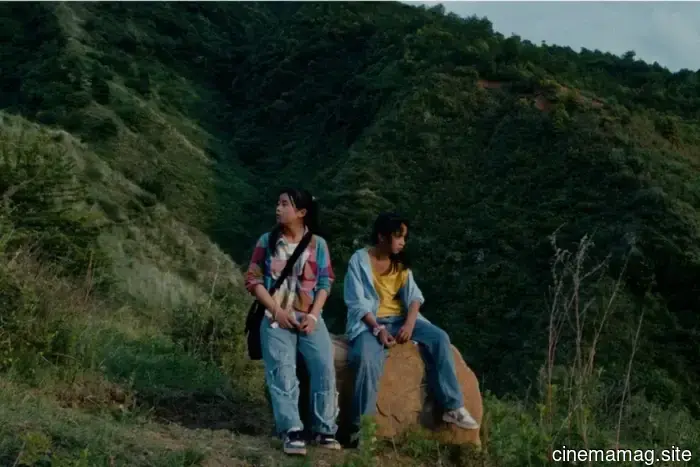 Marxist Millionaires and Fungal Realms: The Top Films from CPH:DOX 2026
A couple of weeks ago, I arrived in Copenhagen in the early evening for this year's CPH:DOX, feeling somewhat disoriented after covering the Oscars just the night before. That evening, I intended to attend a screening of Stillz's Barrio Triste—the newest film from Harmony Korine’s EDGLRD productions, and honestly, as my colleague
Marxist Millionaires and Fungal Realms: The Top Films from CPH:DOX 2026
A couple of weeks ago, I arrived in Copenhagen in the early evening for this year's CPH:DOX, feeling somewhat disoriented after covering the Oscars just the night before. That evening, I intended to attend a screening of Stillz's Barrio Triste—the newest film from Harmony Korine’s EDGLRD productions, and honestly, as my colleague
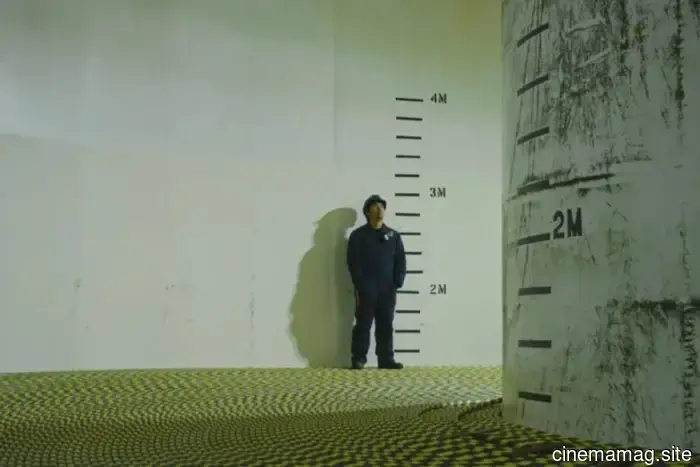 Marxist Millionaires and Fungal Realms: The Top Films of CPH:DOX 2026
A couple of weeks prior, I arrived in Copenhagen during the early evening for this year's CPH:DOX, still slightly disoriented from covering the Oscars the previous night. My intention for that evening was to attend a screening of Stillz's Barrio Triste, the newest film from Harmony Korine’s EDGLRD productions, and honestly, as my colleague
Marxist Millionaires and Fungal Realms: The Top Films of CPH:DOX 2026
A couple of weeks prior, I arrived in Copenhagen during the early evening for this year's CPH:DOX, still slightly disoriented from covering the Oscars the previous night. My intention for that evening was to attend a screening of Stillz's Barrio Triste, the newest film from Harmony Korine’s EDGLRD productions, and honestly, as my colleague
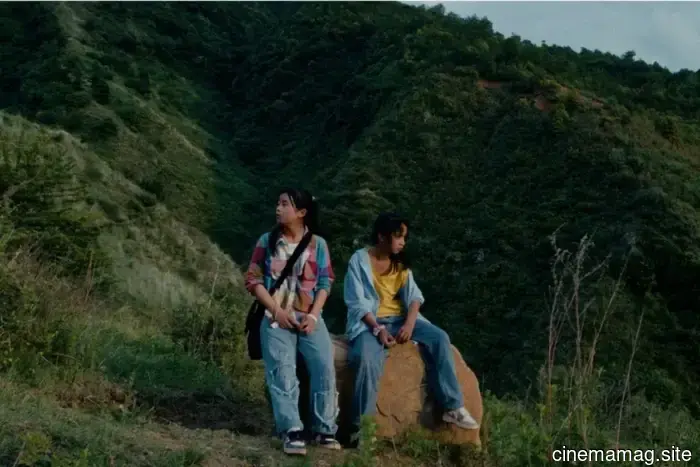 Marxist Millionaires and Fungal Universes: The Top Films of CPH:DOX 2026
A couple of weeks ago, I arrived in Copenhagen in the early evening for this year's CPH:DOX, still feeling a bit disoriented from covering the Oscars the previous night. That evening, my intention was to attend a screening of Stillz's Barrio Triste—the most recent film from Harmony Korine’s EDGLRD productions and honestly, as my colleague
Marxist Millionaires and Fungal Universes: The Top Films of CPH:DOX 2026
A couple of weeks ago, I arrived in Copenhagen in the early evening for this year's CPH:DOX, still feeling a bit disoriented from covering the Oscars the previous night. That evening, my intention was to attend a screening of Stillz's Barrio Triste—the most recent film from Harmony Korine’s EDGLRD productions and honestly, as my colleague
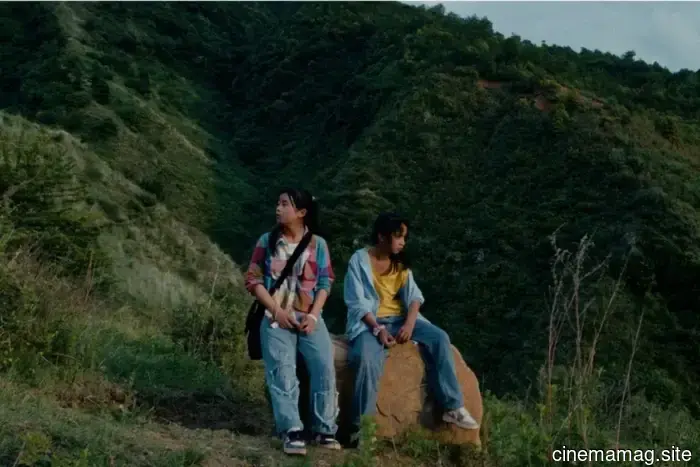 Marxist Millionaires and Fungal Realms: The Top Films of CPH:DOX 2026
A few weeks back, I arrived in Copenhagen during the early evening hours for this year's CPH:DOX, still somewhat disoriented from covering the Oscars the previous night. That evening, I intended to attend a screening of Stillz's Barrio Triste—the newest film from Harmony Korine’s EDGLRD productions, and honestly, as my colleague
Marxist Millionaires and Fungal Realms: The Top Films of CPH:DOX 2026
A few weeks back, I arrived in Copenhagen during the early evening hours for this year's CPH:DOX, still somewhat disoriented from covering the Oscars the previous night. That evening, I intended to attend a screening of Stillz's Barrio Triste—the newest film from Harmony Korine’s EDGLRD productions, and honestly, as my colleague
 Clive Barker’s Hellraiser Universe: Aspirations, Extravagance, and the Franchise That Might Have Been
Adam Page unravels the Lament Configuration for an in-depth exploration of the Hellraiser franchise… Should we discuss something that was truly terrifying? Not in the way of jump scares, which are rather cheap…
Clive Barker’s Hellraiser Universe: Aspirations, Extravagance, and the Franchise That Might Have Been
Adam Page unravels the Lament Configuration for an in-depth exploration of the Hellraiser franchise… Should we discuss something that was truly terrifying? Not in the way of jump scares, which are rather cheap…
 Marxist Millionaires and Fungal Realms: The Top Movies of CPH:DOX 2026
A couple of weeks back, I arrived in Copenhagen in the early evening for this year's CPH:DOX, still somewhat groggy from the Oscar coverage the previous night. That evening, I intended to watch a screening of Stillz's Barrio Triste—the newest film from Harmony Korine’s EDGLRD productions, and honestly, as my colleague
Marxist Millionaires and Fungal Realms: The Top Movies of CPH:DOX 2026
A couple of weeks back, I arrived in Copenhagen in the early evening for this year's CPH:DOX, still somewhat groggy from the Oscar coverage the previous night. That evening, I intended to watch a screening of Stillz's Barrio Triste—the newest film from Harmony Korine’s EDGLRD productions, and honestly, as my colleague
Exclusive Interview – Francesco Dalli Cani Discusses Psychological Thriller Roomination
For actor and filmmaker Francesco Dalli Cani, the most captivating stories often start not with grandeur, but with trust. This principle underpins Roomination, a psychological thriller that emerged not from...