
Marxist Millionaires and Fungal Realms: The Top Films from CPH:DOX 2026
A few weeks ago, I arrived in Copenhagen for this year's CPH:DOX in the early evening, still slightly disoriented after covering the Oscars the night before. My plan for that evening was to attend a screening of Stillz’s Barrio Triste—the newest release from Harmony Korine’s EDGLRD productions, and as my colleague C.J. Prince accurately noted in his outstanding TIFF review, the most thrilling film I’ve encountered all year. With a few hours to spare before diving into that audio-visual experience, I opted to indulge in a comforting bowl of noodles.
I had my sights set on a trendy establishment called Slurp, opened in 2017 by Philipp Ineiter, one of many local restaurateurs who trained at René Redzepi’s Noma before launching their own restaurants in the city. In the weeks preceding my visit, that culinary scene had been scorched by a series of allegations against Redzepi from former employees and interns, revealing everything from the disappointingly cliché insults and physical altercations to more serious accusations of sexual misconduct. It was good to see these individuals finally feeling empowered enough to speak out after years of silence in the industry.
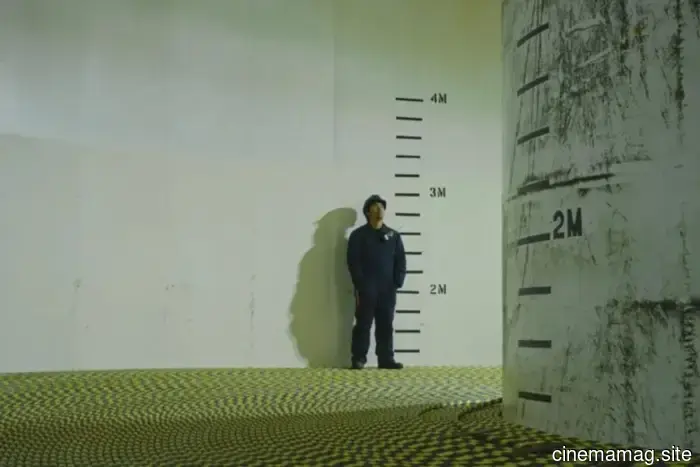
As I contemplated the repercussions of such a story on a city now famously recognized for its food scene—an integral aspect of both its tourism and self-identity—I was served a bowl of dark, flavorful broth with a perfectly cooked clump of ramen just beneath the surface. The aromas hit me, and my thoughts flashed back to a film I had screened in preparation the day before: Ian Purnell’s Arctic Link, an enthralling documentary about deep-sea broadband lines that, interestingly, are apparently enough to circle the globe 32 times. The film also follows the efforts to establish one in a secluded Alaskan community.
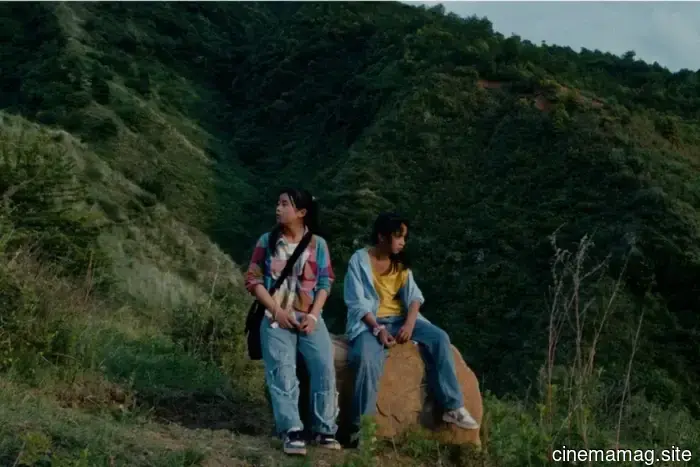
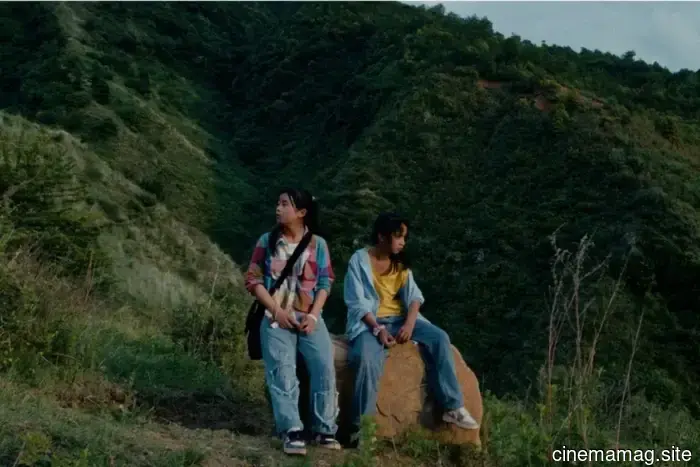
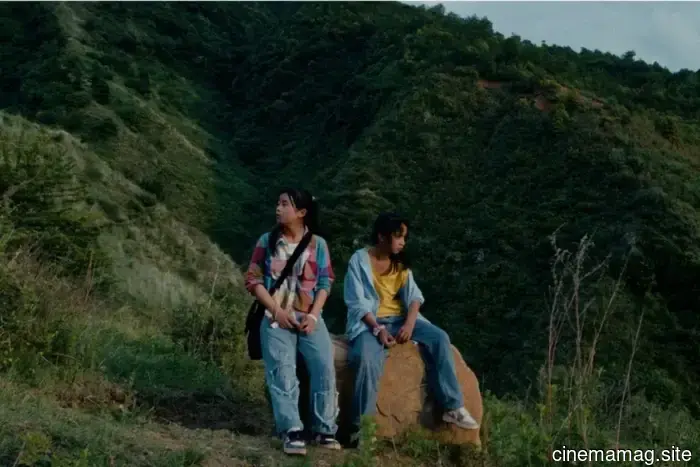
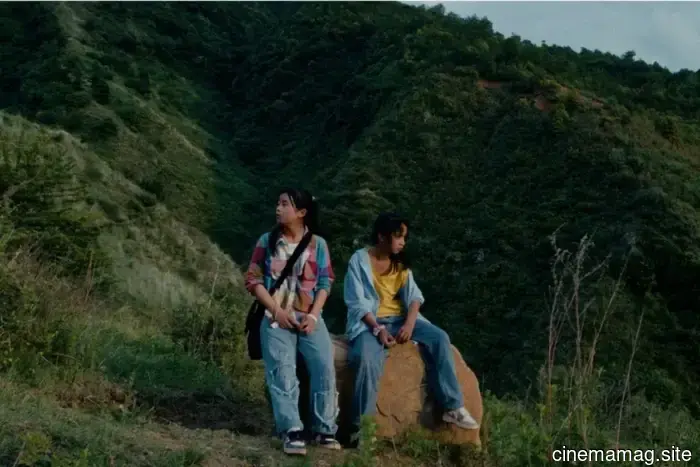
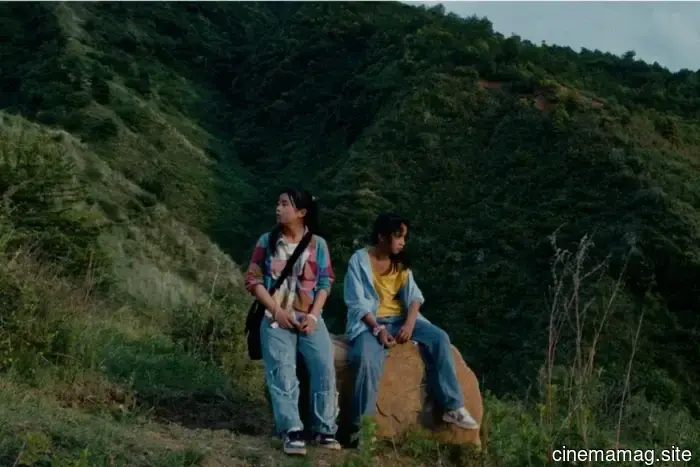
Purnell’s film immerses the audience in this realm through a stylish visual montage: scenes of ships, waves, and—taking a nod to Slurp—dark waters and lengthy tubes that relate to my recent fascination with social media accounts showcasing videos of frightening sea creatures and precariously loaded container ships. Having watched every film in this year’s DOX: AWARD selection, I found it to be the best in competition, although the jury awarded the top prize to Dongnan Chen’s Whispers in May—a beautifully captured coming-of-age story set in the Liangshan Mountains of Eastern China, which cleverly blurs the lines between reality and fiction. The narrative follows three engaging teenage girls from a small town as they travel to a nearby village to buy a dress for a rite-of-passage ceremony. It might stretch the definition of “hybrid non-fiction films,” which is precisely what events like CPH:DOX aim to explore.
This year’s awards also recognized Nolwenn Hervé’s The Cord, an invigorating portrait of a women’s health clinic in Venezuela and the dedicated individuals who work there, which also serves as a kind of unintentional time capsule of life before the illegal capture of President Maduro in January. Nathan Grossman’s AMAZOMANIA was another notable winner, offering a fascinating piece of revisionist history that begins with Swedish filmmaker Erling Söderström’s 1996 expedition to the remote Carubo tribe in the Amazon rainforest. It then shifts to the present, where Grossman convinces Söderström to retrace the steps of his earlier film, both in a geographical sense and, as becomes evident, in a way that forces him to confront some uncomfortable truths about his most esteemed accomplishment. It's a compelling work at times, echoing early Herzog protagonists in Söderström’s Quixotic self-view, even if it doesn’t entirely coalesce into a cohesive whole.
A more localized and authoritative examination of the ecological wonders of Central America can be found in Otilia Portillo’s Daughters of the Forest – Mycelium Chronicles, a suitably psychedelic exploration (the sound design alone is enough to evoke memories of wilder nights) of the fungal world that equally respects and values the practical knowledge passed down through generations and the scientific approaches of their younger counterparts—showing them in dialogue with one another. The ecosystem in jeopardy in Jeanie Finlay’s exceptional All Rivers Spill Their Stories to the Sea—specifically, the local fishing industries in Northeast England—may be thousands of miles away from the mushroom foragers depicted in Portillo’s work, but its significance is existentially vital to the surrounding community. Thus, Finlay’s heartfelt and pseudo-Loachian examination of its collapse (following decades of Tory greed and short-sightedness) becomes all the more poignant.
The hottest ticket at the festival was the European premiere of John Wilson’s The Story of Concrete, a film that infuses the cosmic anxieties and unique humor of Wilson’s How to series into what is essentially a brilliant feature-length installment. It managed to pack the Bremen theatre, which seats 650, even before Wilson took the stage for a nearly flawless Q&A with his
Other articles
 Marxist Millionaires and Fungal Realms: The Top Films of CPH:DOX 2026
A couple of weeks prior, I arrived in Copenhagen during the early evening for this year's CPH:DOX, still slightly disoriented from covering the Oscars the previous night. My intention for that evening was to attend a screening of Stillz's Barrio Triste, the newest film from Harmony Korine’s EDGLRD productions, and honestly, as my colleague
Marxist Millionaires and Fungal Realms: The Top Films of CPH:DOX 2026
A couple of weeks prior, I arrived in Copenhagen during the early evening for this year's CPH:DOX, still slightly disoriented from covering the Oscars the previous night. My intention for that evening was to attend a screening of Stillz's Barrio Triste, the newest film from Harmony Korine’s EDGLRD productions, and honestly, as my colleague
 Marxist Millionaires and Fungal Realms: The Top Films of CPH:DOX 2026
A few weeks back, I arrived in Copenhagen during the early evening hours for this year's CPH:DOX, still somewhat disoriented from covering the Oscars the previous night. That evening, I intended to attend a screening of Stillz's Barrio Triste—the newest film from Harmony Korine’s EDGLRD productions, and honestly, as my colleague
Marxist Millionaires and Fungal Realms: The Top Films of CPH:DOX 2026
A few weeks back, I arrived in Copenhagen during the early evening hours for this year's CPH:DOX, still somewhat disoriented from covering the Oscars the previous night. That evening, I intended to attend a screening of Stillz's Barrio Triste—the newest film from Harmony Korine’s EDGLRD productions, and honestly, as my colleague
 Marxist Millionaires and Fungal Realms: The Top Films of CPH:DOX 2026
A few weeks back, I arrived in Copenhagen for this year's CPH:DOX in the early evening, still somewhat groggy from covering the Oscars the previous night. My intention for that evening was to attend a screening of Stillz's Barrio Triste—the newest offering from Harmony Korine’s EDGLRD productions, and honestly, as my colleague
Marxist Millionaires and Fungal Realms: The Top Films of CPH:DOX 2026
A few weeks back, I arrived in Copenhagen for this year's CPH:DOX in the early evening, still somewhat groggy from covering the Oscars the previous night. My intention for that evening was to attend a screening of Stillz's Barrio Triste—the newest offering from Harmony Korine’s EDGLRD productions, and honestly, as my colleague
 Marxist Millionaires and Fungal Universes: The Top Films of CPH:DOX 2026
A couple of weeks ago, I arrived in Copenhagen in the early evening for this year's CPH:DOX, still feeling a bit disoriented from covering the Oscars the previous night. That evening, my intention was to attend a screening of Stillz's Barrio Triste—the most recent film from Harmony Korine’s EDGLRD productions and honestly, as my colleague
Marxist Millionaires and Fungal Universes: The Top Films of CPH:DOX 2026
A couple of weeks ago, I arrived in Copenhagen in the early evening for this year's CPH:DOX, still feeling a bit disoriented from covering the Oscars the previous night. That evening, my intention was to attend a screening of Stillz's Barrio Triste—the most recent film from Harmony Korine’s EDGLRD productions and honestly, as my colleague
 Marxist Millionaires and Fungal Realms: The Top Movies of CPH:DOX 2026
A couple of weeks back, I arrived in Copenhagen in the early evening for this year's CPH:DOX, still somewhat groggy from the Oscar coverage the previous night. That evening, I intended to watch a screening of Stillz's Barrio Triste—the newest film from Harmony Korine’s EDGLRD productions, and honestly, as my colleague
Marxist Millionaires and Fungal Realms: The Top Movies of CPH:DOX 2026
A couple of weeks back, I arrived in Copenhagen in the early evening for this year's CPH:DOX, still somewhat groggy from the Oscar coverage the previous night. That evening, I intended to watch a screening of Stillz's Barrio Triste—the newest film from Harmony Korine’s EDGLRD productions, and honestly, as my colleague
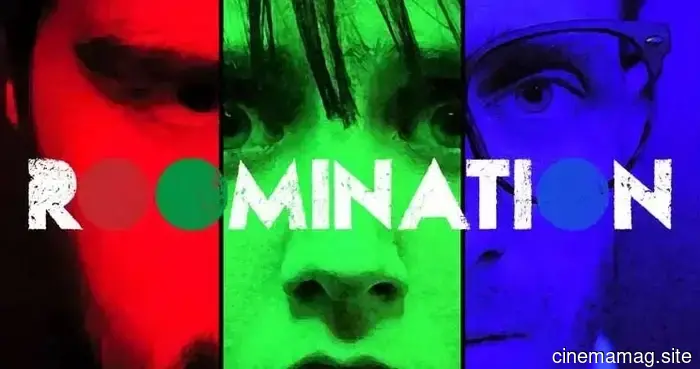 Exclusive Interview – Francesco Dalli Cani Discusses Psychological Thriller Roomination
For actor and filmmaker Francesco Dalli Cani, the most captivating stories often start not with grandeur, but with trust. This principle underpins Roomination, a psychological thriller that emerged not from...
Exclusive Interview – Francesco Dalli Cani Discusses Psychological Thriller Roomination
For actor and filmmaker Francesco Dalli Cani, the most captivating stories often start not with grandeur, but with trust. This principle underpins Roomination, a psychological thriller that emerged not from...
Marxist Millionaires and Fungal Realms: The Top Films from CPH:DOX 2026
A couple of weeks ago, I arrived in Copenhagen in the early evening for this year's CPH:DOX, feeling somewhat disoriented after covering the Oscars just the night before. That evening, I intended to attend a screening of Stillz's Barrio Triste—the newest film from Harmony Korine’s EDGLRD productions, and honestly, as my colleague