
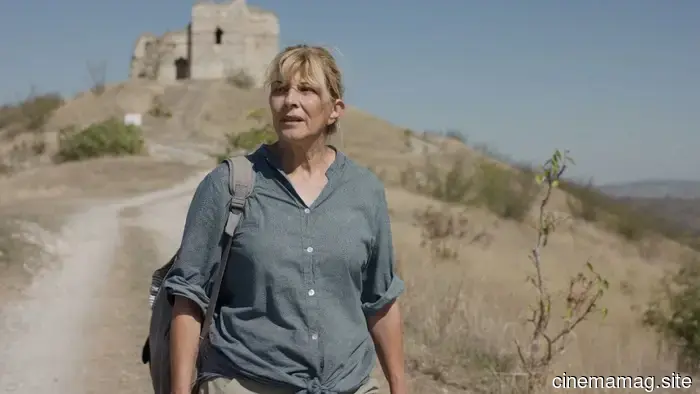
Cannes Review: Valeska Grisebach makes a comeback with the captivating noir film The Dreamed Adventure.
For some, a new film by Valeska Grisebach is a subject best discussed quietly. This year marked her highly anticipated return to Cannes, a full nine years since her film Western (a unique piece that can now be deemed a masterpiece) premiered in Un Certain Regard. Additionally, Grisebach secured an intriguing spot for the competition on Friday afternoon—the same time slot that has turned the final day into essential viewing, having showcased bold titles like Elle, You Were Never Really Here, La Chimera, and The Mastermind in recent years. All these factors led me to believe that something exceptional was on the horizon. Grisebach has certainly delivered on that promise.
The Dreamed Adventure, the German director’s first film in almost a decade, serves as both a worthy successor to Western and an intriguing companion piece. It is yet another fable set in a Bulgarian border town that resonates with a classic Hollywood genre. Like Western, it addresses the collateral damage wrought by European neoliberal policies. However, rather than focusing on the underlying themes of its predecessor, this film pivots toward the shady deals, covert operations, and elusive enigmas reminiscent of Raymond Chandler. While it may not strike with the same impactful discovery or initial gravitational pull, it ultimately rewards viewers in distinct and substantial ways.
Running for 161 minutes and featuring numerous scenes of overlapping dialogue (mostly at nighttime patio tables), this film demands your time and attention. It culminates in an unforgettable closing sequence that both clarifies and transforms everything that has happened before. The plot kicks off when a local man, Said (played compellingly by Syuleyman Letifov, who previously appeared in Western), returns to Svilengrad for some questionable business dealings and promptly has his car stolen. The following day, he encounters an old flame, Veska (Yana Radeva), who is overseeing an archaeological site nearby. Later that night, he meets a powerful and clearly dubious businessman named Iliya (Stoicho Kostadinov) to discuss the sale of some illicit diesel. During this meeting, he enjoys a drink and begins to dance, only to suddenly disappear from the narrative.
Describing how Grisebach deftly pulls this narrative rug out from under the audience is challenging. In the initial 20 minutes, the audience gets to know Letifov’s character not through specific dialogue, but rather through his naturally smiling face and the easygoing way he roams with a cigarette at night. His likable presence makes his sudden absence from the film feel significant. From that point onward, Grisebach shifts the perspective to Veska as she starts to unravel the threads left by Said. The stakes rise considerably when a curious teenage girl, Maria (Denislava Yordanova), is introduced, hinting that she is being targeted by one of Iliya’s associates. To locate Said and protect Maria, Veska begins to stir the local pot and delve into matters where she is not welcome, evolving into a distant descendant of characters like Doc Sportello and Phillip Marlowe (complete with some casual smoking and drinking).
One key factor contributing to the film’s unique grip is the liminal atmosphere of Svilengrad: a small town in Eastern Bulgaria located near both the Greek and Turkish borders—the kind of frontier where legal boundaries are relaxed, and opportunities for profit exist if one knows how to navigate the terrain. A significant location in The Dreamed Adventure is a hotel that was previously utilized by sex workers catering to long-haul drivers (a local garage owner also comments on having charged two Deutschmarks just to use the restroom), though it has since fallen into disrepair—a detail Grisebach emphasizes with a worn-out "Happy New Year" banner still hanging above the window. The building is now inhabited by a group of friendly Polish women who work at a nearby solar panel assembly warehouse, gathering to drink with the enforcers of a rival boss known as The Raven. This surprisingly rich backdrop is further explored through the many late-night outdoor conversations that reveal a mix of drinks, jokes, and raunchiness, along with breadcrumbs for Veska to follow.
In these scenes, which blend naturalism with narrative precision, Grisebach offers a glimpse into this world, revealing how its residents have learned to cope with their harsh realities. She also leaves many of the murkier aspects of the ongoing criminality largely to the imagination. Having seen the film just once, I suspect that some of its deeper meanings may emerge upon a second viewing, which I fully intend to undertake. Alongside the dilapidated buildings and new-money excess, Grisebach’s portrayal of the archaeological dig and the support it receives from the locals situates the film at the intersection of European notions of East and West, as well as between a tangible past and an uncertain future. It may take time for Grisebach to weave that spell, but once it takes hold, it proves to be both firm and enduring.
The Dreamed Adventure premiered

Other articles
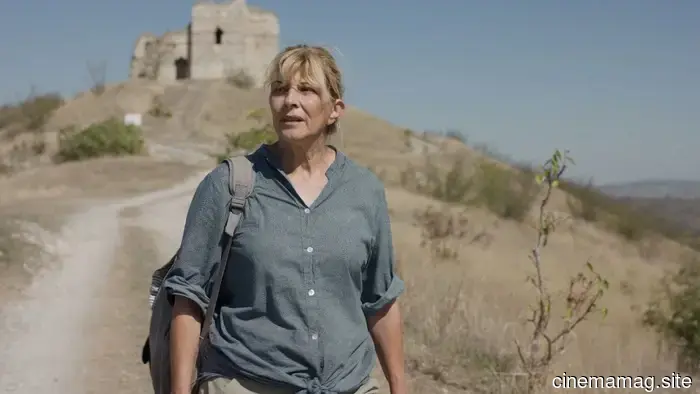 Cannes Review: Valeska Grisebach Makes a Comeback with Enchanting Noir The Dreamed Adventure
For certain individuals, a new film by Valeska Grisebach is something best talked about in quiet whispers. This year marked her highly anticipated comeback to Cannes, nine years after Western—a remarkable film that can now rightly be regarded as a masterpiece—was featured in Un Certain Regard. Additionally,
Cannes Review: Valeska Grisebach Makes a Comeback with Enchanting Noir The Dreamed Adventure
For certain individuals, a new film by Valeska Grisebach is something best talked about in quiet whispers. This year marked her highly anticipated comeback to Cannes, nine years after Western—a remarkable film that can now rightly be regarded as a masterpiece—was featured in Un Certain Regard. Additionally,
 The Top Movies of the 2026 Cannes Film Festival
The 79th Cannes Film Festival has officially wrapped up, with Cristian Mungiu's Fjord winning the Palme d'Or (view all jury winners here). Our coverage will persist with additional reviews this week—and beyond, as we keep you updated on the progress of these selections. We've also requested our onsite contributors to share their top picks.
The Top Movies of the 2026 Cannes Film Festival
The 79th Cannes Film Festival has officially wrapped up, with Cristian Mungiu's Fjord winning the Palme d'Or (view all jury winners here). Our coverage will persist with additional reviews this week—and beyond, as we keep you updated on the progress of these selections. We've also requested our onsite contributors to share their top picks.
Cannes Review: Valeska Grisebach makes a comeback with the captivating noir film The Dreamed Adventure.
For some, a new film by Valeska Grisebach is a topic best spoken of in whispers. This year marked her much-anticipated comeback to Cannes, a full nine years after her film Western (a unique work that can now be rightfully regarded as a masterpiece) was presented in Un Certain Regard. Additionally,