
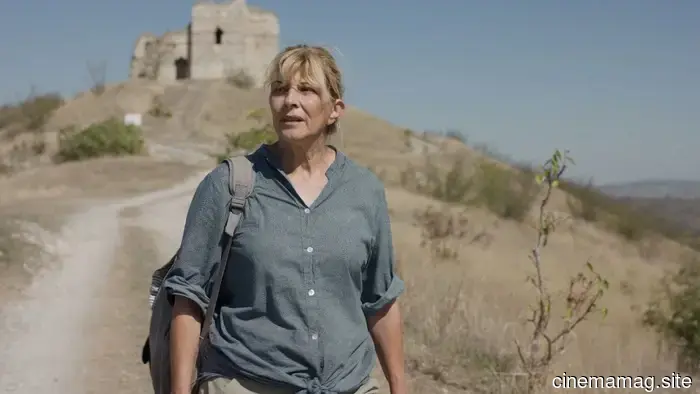
Cannes Review: Valeska Grisebach Makes a Comeback with Enchanting Noir The Dreamed Adventure
For some, a new film by Valeska Grisebach is a topic best discussed in quiet tones. This year, she made her highly anticipated return to Cannes, marking nine years since her unique film Western (which can rightly be regarded as a masterpiece) was showcased in Un Certain Regard. Additionally, Grisebach secured an intriguing Friday-afternoon slot in the competition—an appointment that has become essential viewing, having introduced bold titles like Elle, You Were Never Really Here, La Chimera, and The Mastermind in recent years. All of this hinted, at least for me, that something extraordinary was on the horizon. Grisebach has indeed delivered.
The Dreamed Adventure, the German director’s first film in nearly a decade, serves as both a worthy successor to Western and an intriguing companion piece. It tells another tale set in a Bulgarian border town, drawing inspiration from a classic Hollywood genre. Like Western, it offers insightful commentary on the collateral damage wrought by European neoliberal policies. However, Grisebach shifts her focus here away from the themes of her previous film's title to explore the corrupt dealings, secretive cover-ups, and elusive enigmas associated with Raymond Chandler. While it may not deliver the same immediate shock of revelation or draw you in (at least at first) with the same intensity, it offers a gradual and significant reward in alternate ways.
Running at 161 minutes and featuring numerous scenes with overlapping dialogue (mostly taking place at patio tables at night), this film demands your time and attention, culminating in an unforgettable closing sequence that both clarifies and transforms everything that has come before it. The plot begins when a local man, Said (portrayed brilliantly by Syuleyman Letifov, who previously appeared in Western), returns to Svilengrad to engage in some questionable business and swiftly has his car stolen. The following day, he encounters an old flame, Veska (Yana Radeva), who is managing an archaeological dig nearby, and later that evening meets a shady businessman named Iliya (Stoicho Kostadinov) to discuss the sale of some illegal diesel. During this meeting, he has a drink, starts dancing, and then—just like that—disappears from the story.
It's challenging to articulate how Grisebach unexpectedly pulls this narrative shift. In the initial 20 or so minutes, you learn about Letifov’s character not through specific dialogue, but rather through his naturally smiling face and the gentle way he moves around at night with a cigarette in hand. You become so fond of his presence that his subsequent absence from the film is jarring. From this point, Grisebach shifts perspective to Veska as she begins to unravel the strands left behind by Said. The stakes rise significantly when she introduces a curious teenage girl, Maria (Denislava Yordanova), suggesting that she may be under the influence of one of Iliya’s associates. To locate Said and protect Maria, Veska starts stirring up trouble locally and intruding where she’s not welcome, effectively becoming a distant descendant of characters like Doc Sportello and Phillip Marlowe (with some of the casual smoking and drinking to match).
One factor contributing to the film’s unique grip is the liminal essence of Svilengrad itself: a small town in Eastern Bulgaria near the Greek and Turkish borders—a frontier where the rule of law is loose and opportunities for profit are abundant for those in the know. A key location in The Dreamed Adventure is a hotel formerly used by sex workers for long-haul truckers (a local garage owner recalls charging two Deutschmarks just to use the restroom), which has recently fallen into decay—a point that Grisebach emphasizes by leaving a "Happy New Year" banner hanging forlornly above the window. The space is now inhabited by a group of friendly Polish women who work at a nearby solar panel assembly factory, gathering to drink with the henchmen of a competing boss known as The Raven. This surprisingly rich backstory is further developed during those late-night outdoor conversations, rife with drinks, jokes, and vulgarity, along with nuggets of information for Veska to follow.
In these scenes (which feel both natural and narratively precise), Grisebach provides a glimpse into this world, reflecting the hardened ways in which people have adapted to it. She also keeps much of the murkier aspects of ongoing criminality largely to the audience's imagination. Having seen the film only once, I sense that some of its deeper meanings may require a second viewing, which I fully intend to undertake. Amid the crumbling structures and the excesses of new wealth, Grisebach’s incorporation of the archaeological dig and the locals' support for it places the film at the intersection of European notions of East and West, as well as the tangible past and an uncertain future. Although it may take some time for Grisebach to cast her spell, its influence is strong and enduring.
The Dreamed Adventure

Other articles
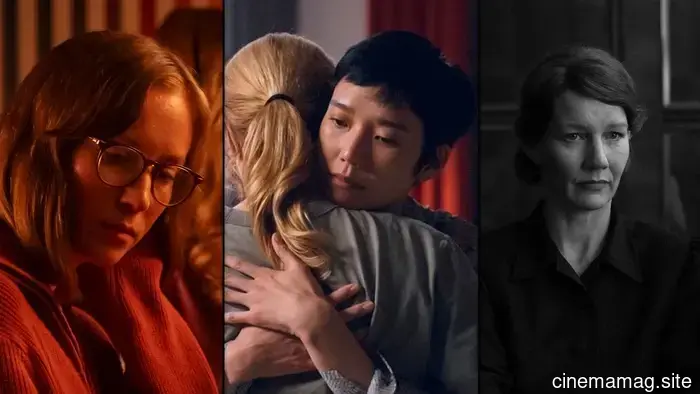 The Top Movies of the 2026 Cannes Film Festival
The 79th Cannes Film Festival has officially wrapped up, with Cristian Mungiu's Fjord winning the Palme d'Or (view all jury winners here). Our coverage will persist with additional reviews this week—and beyond, as we keep you updated on the progress of these selections. We've also requested our onsite contributors to share their top picks.
The Top Movies of the 2026 Cannes Film Festival
The 79th Cannes Film Festival has officially wrapped up, with Cristian Mungiu's Fjord winning the Palme d'Or (view all jury winners here). Our coverage will persist with additional reviews this week—and beyond, as we keep you updated on the progress of these selections. We've also requested our onsite contributors to share their top picks.
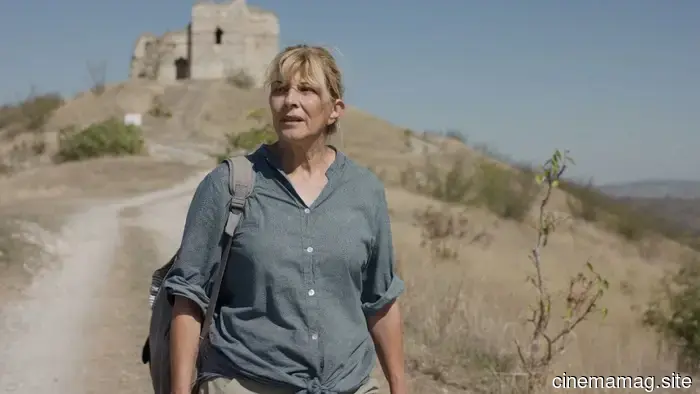 Cannes Review: Valeska Grisebach makes a comeback with the captivating noir film The Dreamed Adventure.
For some, a new film by Valeska Grisebach is a topic best spoken of in whispers. This year marked her much-anticipated comeback to Cannes, a full nine years after her film Western (a unique work that can now be rightfully regarded as a masterpiece) was presented in Un Certain Regard. Additionally,
Cannes Review: Valeska Grisebach makes a comeback with the captivating noir film The Dreamed Adventure.
For some, a new film by Valeska Grisebach is a topic best spoken of in whispers. This year marked her much-anticipated comeback to Cannes, a full nine years after her film Western (a unique work that can now be rightfully regarded as a masterpiece) was presented in Un Certain Regard. Additionally,
Cannes Review: Valeska Grisebach Makes a Comeback with Enchanting Noir The Dreamed Adventure
For certain individuals, a new film by Valeska Grisebach is something best talked about in quiet whispers. This year marked her highly anticipated comeback to Cannes, nine years after Western—a remarkable film that can now rightly be regarded as a masterpiece—was featured in Un Certain Regard. Additionally,