
The Death of Robin Hood Review: A Depiction of the Outlaw as an Unvarnished Falsehood
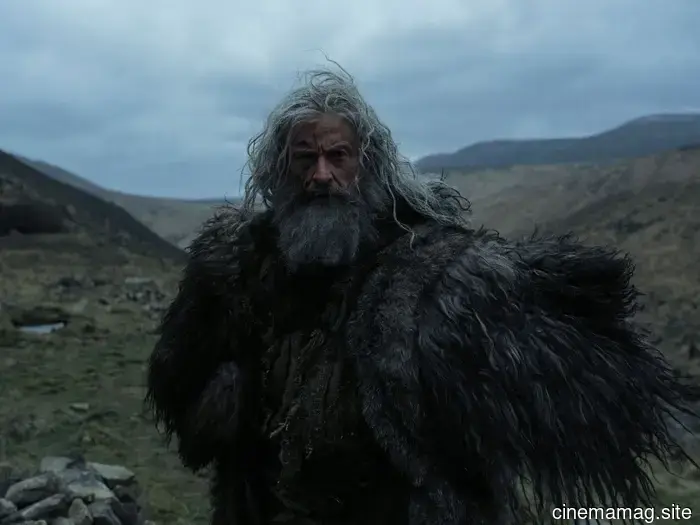
How many times has the tale of Robin Hood been recounted? How many books have been penned, how many films produced about this outlaw? In *The Death of Robin Hood*, writer-director Michael Sarnoski returns to the origins, or rather, the purported origins. The earliest narratives of Robin Hood were ballads sung by the common folk throughout England. These tales depict an outlaw who does not share his stolen riches with the poor but rather revels in slaying the wealthy. In the medieval ballad “Robin Hood and Guy of Gisborne,” Robin decapitates Gisborne and displays his head on a spike.
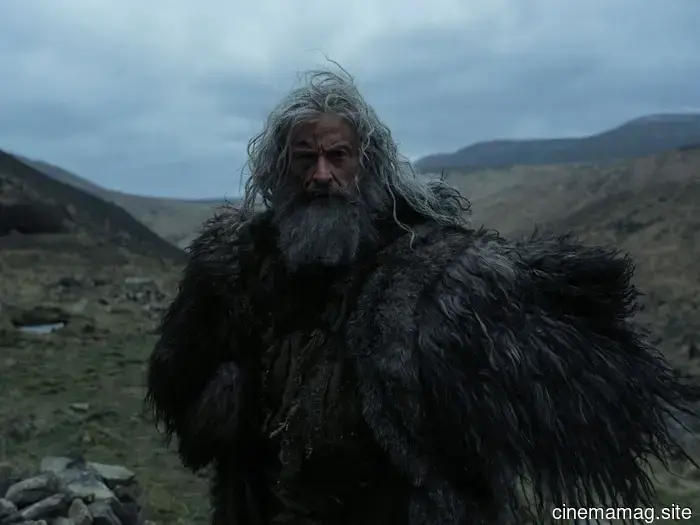
This is the Robin Hood that Hugh Jackman embodies, and he has seldom been better. Set in 1247 A.D., the film portrays the titular anti-hero as a bitter old man residing in the mountains, distanced from society. His existence is a relentless, harsh torment marked by a ceaseless echo of sins from his past. Little John, played excellently by Bill Skarsgård, is Robin’s only companion, eager to seek out new adventures that can be recounted by many, transforming into something noble and heroic. This misguided aspiration results in further violence and leads to Robin Hood’s stay at an enigmatic priory where he tends to his fresh injuries. The prioress, portrayed by Jodie Comer, convincingly fits into a medieval backdrop once again (as seen in *The Last Duel*). She forms a bond with Robin, who falsifies his identity. Soon, he is compelled to take on a paternal role when a young girl (Faith Delaney) arrives on the island, injured and isolated. Can redemption be within reach for someone so brutish?
Sarnoski focuses on the art of storytelling and how narratives transform (or regress) over time. This emphasis is apt for a legend like Robin Hood. *The Death of Robin Hood* draws most directly from the probable 17th-century ballad “Robin Hood’s Death.” There exists a rendition of the same saga in the concluding verses of “A Gest of Robyn Hode,” one of the earliest and longest tales about Robin Hood. While much is altered in this new rendition, the overall framework persists. Throughout the film, every character has a tale to share. Murray Bartlett delivers a memorable monologue in the film's midpoint, playing a leper who ferries between the island and the mainland. It is gratifying to observe talented performers sharing captivating stories with each other. Though this may seem like a simplistic observation, the impact of these moments cannot be overstated.
Not since Richard Lester’s undervalued *Robin and Marian* has there been such a clear-eyed, metatextual examination of the narratives that form the legend. Since the beginning of humanity, there has always been a story to be shared. People have an insatiable thirst for stories, whether told around a fire or presented in 15-second snippets on their devices. Compelling stories have persuaded individuals to commit dreadful acts, while others have inspired grand pursuits. Once, during a lecture on Miguel de Cervantes’ *Don Quixote*, my college professor recounted that the book became so immensely popular in Spain at its release that some individuals fell from their windows because they could not cease reading even as nightfall approached. They extended their copy out the window to catch a few more lines in the fading light. It’s a compelling story about a renowned book centered on storytelling. Is it true? Who knows? Does it matter if it is? *The Death of Robin Hood* engages with this final question, making it an exhilarating experience to watch.
*The Death of Robin Hood* will be released in theaters on Friday, June 19.
Other articles
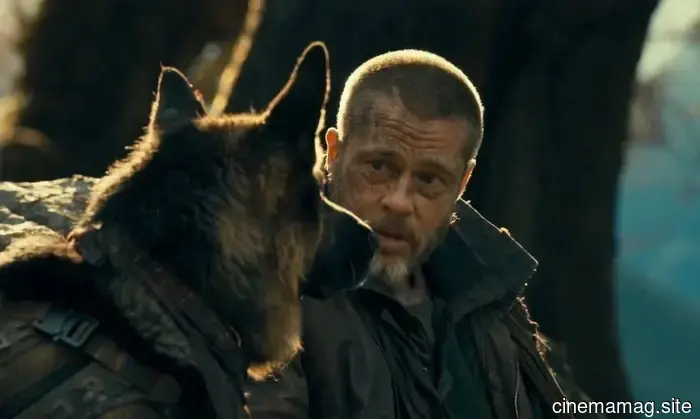 In the trailer for David Ayer’s Heart of the Beast, Brad Pitt battles for survival with his dog by his side.
Paramount Pictures has revealed the first glimpse of David Ayer's survival thriller Heart of the Beast, featuring Brad Pitt as a special forces officer who finds himself lost in the wilderness accompanied only by his…
In the trailer for David Ayer’s Heart of the Beast, Brad Pitt battles for survival with his dog by his side.
Paramount Pictures has revealed the first glimpse of David Ayer's survival thriller Heart of the Beast, featuring Brad Pitt as a special forces officer who finds himself lost in the wilderness accompanied only by his…
 Trends in Remote Collaboration for Film Post Production Teams - MovieMaker Magazine
Film post-production has become progressively decentralized, with editors, sound mixers, VFX artists, and producers working together from various locations.
Trends in Remote Collaboration for Film Post Production Teams - MovieMaker Magazine
Film post-production has become progressively decentralized, with editors, sound mixers, VFX artists, and producers working together from various locations.
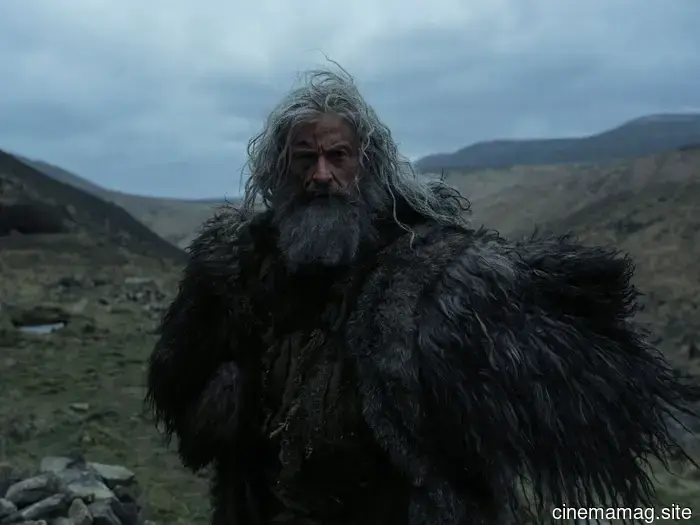 The Death of Robin Hood Review: An Illustration of the Outlaw as a Blatant Falsehood
How many times has the tale of Robin Hood been recounted? How many books have been authored, and how many films have been produced about this outlaw? In The Death of Robin Hood, writer-director Michael Sarnoski returns to the origins. More specifically, to the supposed origins. The earliest tales of Robin Hood were ballads sung by ordinary people throughout England.
The Death of Robin Hood Review: An Illustration of the Outlaw as a Blatant Falsehood
How many times has the tale of Robin Hood been recounted? How many books have been authored, and how many films have been produced about this outlaw? In The Death of Robin Hood, writer-director Michael Sarnoski returns to the origins. More specifically, to the supposed origins. The earliest tales of Robin Hood were ballads sung by ordinary people throughout England.
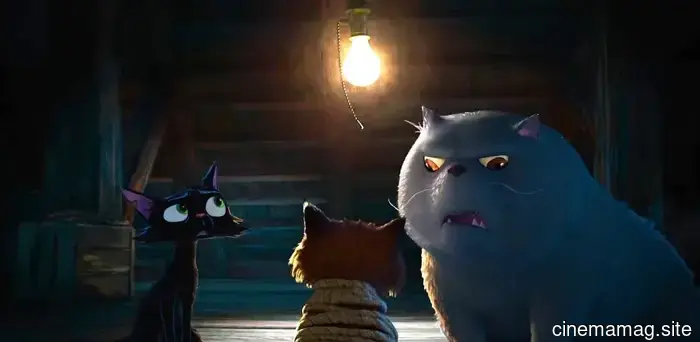 Disney-Pixar's Gatto reveals its initial trailer and poster.
Disney-Pixar has released the initial trailer for Gatto, the forthcoming animated adventure directed by Enrico Casarosa (Luca). The story centers on Nero (voiced by Mark Ruffalo), a feisty black cat who starts to doubt…
Disney-Pixar's Gatto reveals its initial trailer and poster.
Disney-Pixar has released the initial trailer for Gatto, the forthcoming animated adventure directed by Enrico Casarosa (Luca). The story centers on Nero (voiced by Mark Ruffalo), a feisty black cat who starts to doubt…
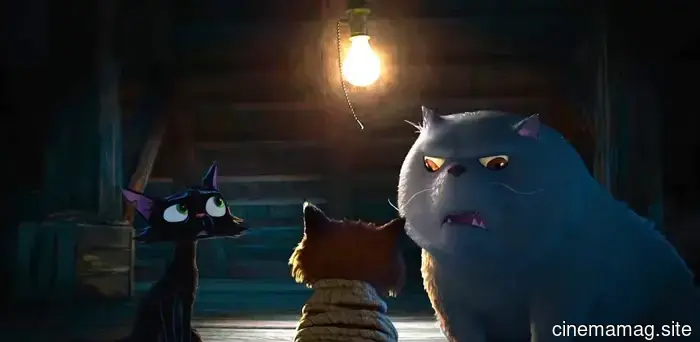 Disney-Pixar's Gatto reveals its first trailer and poster.
Disney-Pixar has released the initial trailer for Gatto, the forthcoming animated adventure directed by Enrico Casarosa (Luca), which centers on Nero (Mark Ruffalo), a determined black cat who starts to question…
Disney-Pixar's Gatto reveals its first trailer and poster.
Disney-Pixar has released the initial trailer for Gatto, the forthcoming animated adventure directed by Enrico Casarosa (Luca), which centers on Nero (Mark Ruffalo), a determined black cat who starts to question…
 The Death of Robin Hood Review: A Depiction of the Outlaw as an Unvarnished Falsehood
How many times has the tale of Robin Hood been recounted? How many books have been penned and how many films have been created about the outlaw? In The Death of Robin Hood, writer-director Michael Sarnoski revisits the origins. More specifically, the purported origins. The earliest accounts of Robin Hood were ballads shared by the common people throughout England.
The Death of Robin Hood Review: A Depiction of the Outlaw as an Unvarnished Falsehood
How many times has the tale of Robin Hood been recounted? How many books have been penned and how many films have been created about the outlaw? In The Death of Robin Hood, writer-director Michael Sarnoski revisits the origins. More specifically, the purported origins. The earliest accounts of Robin Hood were ballads shared by the common people throughout England.
The Death of Robin Hood Review: A Depiction of the Outlaw as an Unvarnished Falsehood
How often has the tale of Robin Hood been recounted? How many books have been penned and how many films produced about the outlaw? In The Death of Robin Hood, writer-director Michael Sarnoski returns to the origins. Specifically, the supposed origins. The earliest narratives of Robin Hood were ballads shared by ordinary people throughout England.