
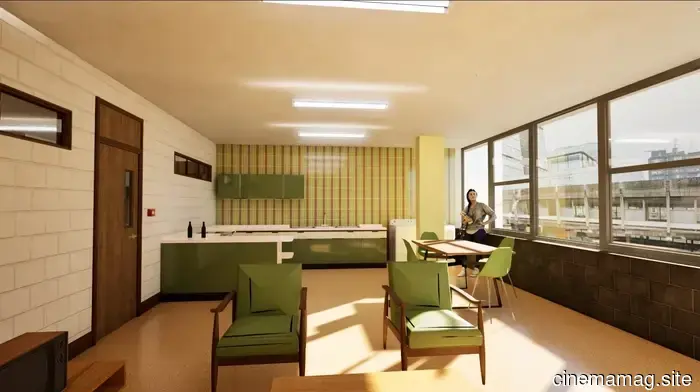
Half Man's production designer, Emer O’Sullivan, steered clear of clichés.
When production designer Emer O’Sullivan received the scripts for Half Man, Richard Gadd’s follow-up to the Emmy-winning Baby Reindeer, she realized she needed to craft a world filled with realism that avoided the pitfalls of poverty porn.
This meant anchoring the series in a relatable reality composed of soft pastels and comforting elements, instead of the clichéd grays and minimalistic aesthetics often found in British working-class narratives. By incorporating unexpected layers and a sense of softness, O’Sullivan created an environment that mirrored the characters’ existence while they navigated challenging circumstances.
“We were aware of our social duty to steer clear of that style of British filmmaking, which can appear rather rough,” she states.
HBO’s Half Man follows Niall (Jamie Bell) through various phases of his life, starting in a small, confined world that gradually broadens, especially as he forges a “brotherly” relationship with Ruben (Gadd). Eventually, the two become estranged, until Ruben reappears at Niall’s wedding three decades later.
Emer O’Sullivan on the Aesthetic Evolution of Half Man
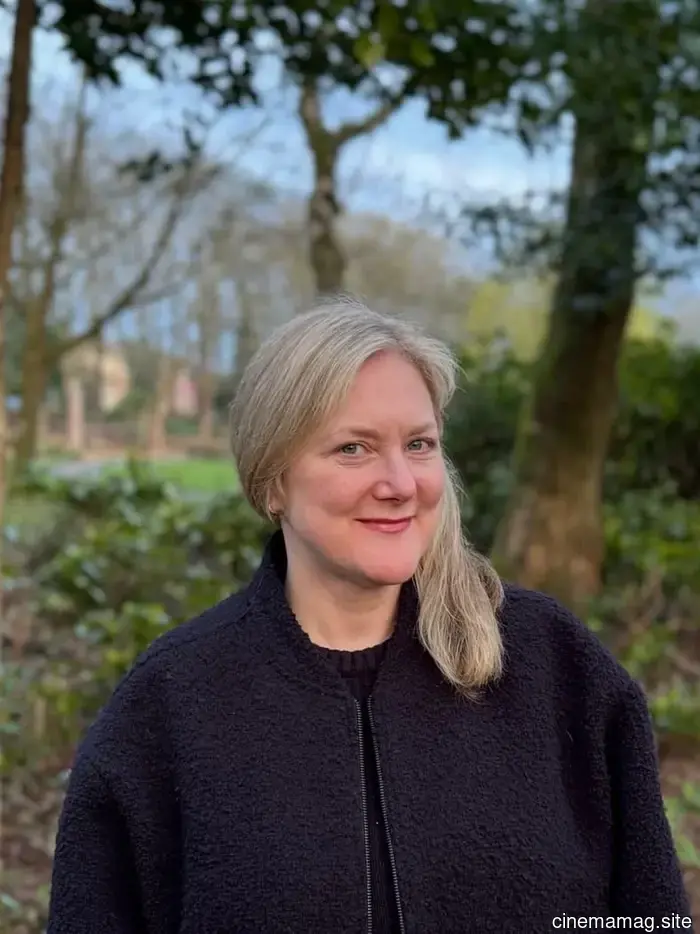
Half Man production designer Emer O’Sullivan. HBO
As the characters mature, the production design evolves accordingly. O’Sullivan tracks the disruption brought by Ruben’s return by introducing new patterns, contrasting textiles, and elements inspired by the 1970s. As the series progresses, the palette becomes increasingly darker.
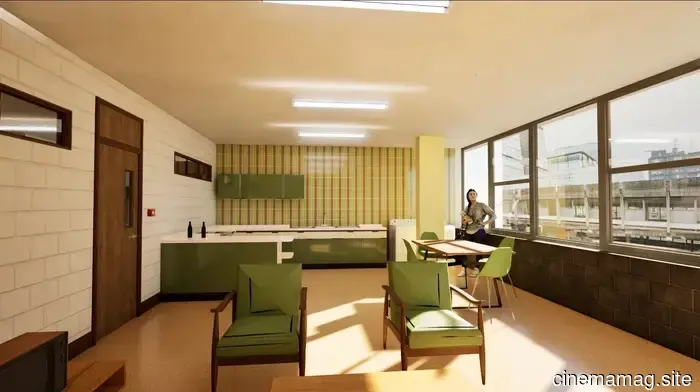
“We embraced much of Scotland and Glasgow’s brutalist architecture,” she notes. “We discovered an excellent location for the school nestled in the hills, which provided a splash of color but still had a gritty housing vibe.”
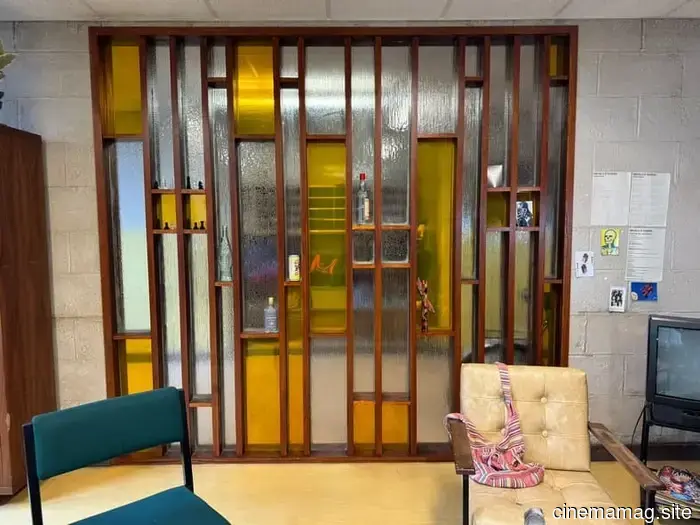
O'Sullivan and her team utilized texture to create a sense that viewers could reach out and touch what they saw. She incorporated harder plastics, shiny vinyl, and glass while maintaining the brutalist aesthetic.
O’Sullivan acknowledges that this approach was challenging, particularly as some locations resulted in unexpected delays and pressures. The team aimed for a cinder-block finish requiring meticulous plasterwork, which took time, and the spaces needed to accommodate large events, like fighting and drinking scenes. Many of the desired buildings proved unsafe for filming. At one point, production had to be reorganized when a location could not be ready on time.
Ultimately, O’Sullivan hopes that her extra visual details will fully engage viewers in the narrative.
“We aimed to amplify that sense of foreboding,” she clarifies. “Even when Ruben is working in a community center that’s intended to be nice and wholesome, it still feels quite shabby.”
The wedding scenes, teased in the show’s trailer and summaries, brought an entirely new set of challenges.
Half Man changes colors and patterns as the plot unfolds. HBO
“We utilized four different locations to create one wedding venue,” O’Sullivan explains. Locating the perfect barn took a significant amount of time, and fans hoping to visit the site for their own weddings may be disappointed.
O’Sullivan desired a “homespun” appearance, but sourcing authentic references proved difficult in today’s Instagram-saturated world, where everything seems designed for online sharing.
“Trying to capture what the wedding would be like, who would do the decorating, and what could appear homespun or not was a challenge,” she remarks. “A nephew of ours recently had a genuinely homespun wedding in his local community hall, where everyone contributed a dish. It was very low-key, and that became an inspiration for us.”
Rather than achieving perfect matches, she harmonized the spaces with small details such as flowers, table settings, and textures from the buildings themselves.
“It was quite costly for the production to travel to all these distant locations, but in the end, we were very satisfied with how everything turned out,” she adds.
Half Man is currently streaming on HBO Max. You can find more of our Emmy contender interviews here.
Other articles
 10 Must-See Movies About the Workplace
Casey Chong presents ten crucial films centered around the workplace… From the era of black-and-white cinema, workplace films have retained their popularity even in the present day, despite advancements in technology and shifts in culture.
What Cinematographers Can Gain from the Digital Entertainment Surge - MovieMaker Magazine
In the last decade, the entertainment sector has experienced considerable change. Audiences no longer consume content through just one screen or platform.
10 Must-See Movies About the Workplace
Casey Chong presents ten crucial films centered around the workplace… From the era of black-and-white cinema, workplace films have retained their popularity even in the present day, despite advancements in technology and shifts in culture.
What Cinematographers Can Gain from the Digital Entertainment Surge - MovieMaker Magazine
In the last decade, the entertainment sector has experienced considerable change. Audiences no longer consume content through just one screen or platform.
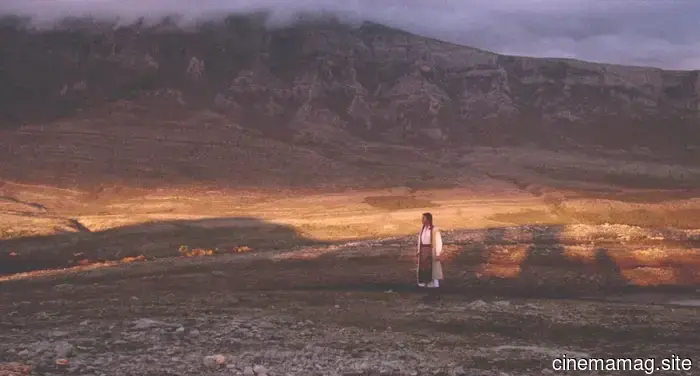 Exclusive: Altered Innocence Secures Restoration of Srđan Karanović’s Virgina for Release This Fall
We are thrilled to announce exclusively that Altered Innocence has obtained North American rights to Virgina (Virdžina), the highly regarded 1991 film by esteemed Serbian director Srđan Karanović. This newly restored version of the film is set to have its World Restoration Premiere at the Frameline LGBTQ+ Film Festival. Finished in June 1991 as Yugoslavia fell into conflict, Virgina had effectively been lost.
Exclusive: Altered Innocence Secures Restoration of Srđan Karanović’s Virgina for Release This Fall
We are thrilled to announce exclusively that Altered Innocence has obtained North American rights to Virgina (Virdžina), the highly regarded 1991 film by esteemed Serbian director Srđan Karanović. This newly restored version of the film is set to have its World Restoration Premiere at the Frameline LGBTQ+ Film Festival. Finished in June 1991 as Yugoslavia fell into conflict, Virgina had effectively been lost.
 Half Man Production Designer Emer O’Sullivan Steered Clear of Clichés
Upon receiving the scripts for Half Man, Richard Gadd’s sequel to the Emmy-winning Baby Reindeer, production designer Emer O’Sullivan realized she needed to develop
Half Man Production Designer Emer O’Sullivan Steered Clear of Clichés
Upon receiving the scripts for Half Man, Richard Gadd’s sequel to the Emmy-winning Baby Reindeer, production designer Emer O’Sullivan realized she needed to develop
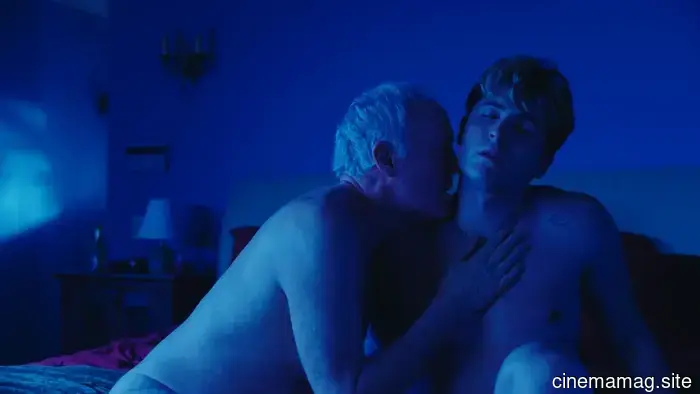 New to Streaming: Blue Film, I Am Frankelda, It’s Dorothy! and More
Every week, we showcase notable titles that have recently been released on streaming services in the United States. Take a look at this week’s picks below and previous compilations here. Blue Film (Elliot Tuttle) “Provocation” has lost its potency as of late. Nowadays, it seems provoking someone requires merely throwing out a series of half-hearted offensive remarks or directing your…
New to Streaming: Blue Film, I Am Frankelda, It’s Dorothy! and More
Every week, we showcase notable titles that have recently been released on streaming services in the United States. Take a look at this week’s picks below and previous compilations here. Blue Film (Elliot Tuttle) “Provocation” has lost its potency as of late. Nowadays, it seems provoking someone requires merely throwing out a series of half-hearted offensive remarks or directing your…
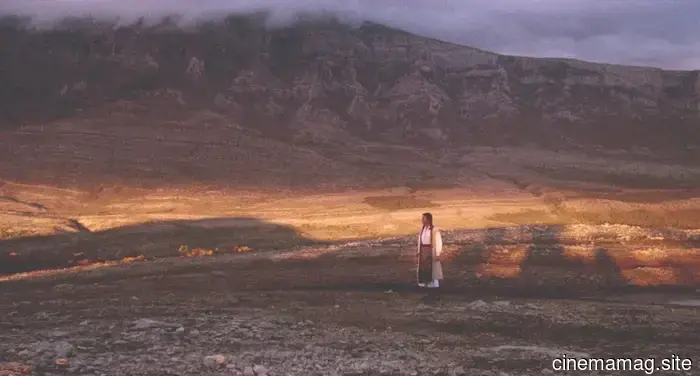 Exclusive: Altered Innocence Secures Restoration of Srđan Karanović’s Virgina for Release This Fall
We are thrilled to share the exclusive news that Altered Innocence has obtained North American rights to Virgina (Virdžina), the esteemed 1991 film by renowned Serbian director Srđan Karanović. The newly restored version will have its World Restoration Premiere at the Frameline LGBTQ+ Film Festival. Finished in June 1991 as Yugoslavia was on the brink of war, Virgina had essentially been lost.
Exclusive: Altered Innocence Secures Restoration of Srđan Karanović’s Virgina for Release This Fall
We are thrilled to share the exclusive news that Altered Innocence has obtained North American rights to Virgina (Virdžina), the esteemed 1991 film by renowned Serbian director Srđan Karanović. The newly restored version will have its World Restoration Premiere at the Frameline LGBTQ+ Film Festival. Finished in June 1991 as Yugoslavia was on the brink of war, Virgina had essentially been lost.
Half Man's production designer, Emer O’Sullivan, steered clear of clichés.
Upon receiving the scripts for Half Man, Richard Gadd’s sequel to the Emmy-winning Baby Reindeer, production designer Emer O’Sullivan realized she needed to develop