
J-Horror and the Western Perspective: Asian Horror's Infiltration in the 1990s
Adam Page discusses the surge in popularity of J-horror in the late 1990s and its influences on Hollywood.
I’ll start with a broad observation: there’s a peculiar arrogance that often characterizes Americans. It’s not malicious; rather, it’s a subtle assumption that the best ideas in the world will eventually reach them, tidied up, translated, and reshaped into something more appealing. This approach applies to food and music, and dramatically, it also happened with Japanese horror cinema.
However, let's take a step back. Before Hollywood appropriated any of it, something remarkable was occurring in Japan during the 1990s. This phenomenon didn’t seek approval from the West, wasn't created for comfort, and frankly, didn’t care if we grasped it.
To grasp J-Horror—a term for the surge of Japanese supernatural horror that peaked from about 1995 to 2005—it’s vital to recognize that it didn’t spring from nowhere, but from a cultural backdrop.
In the late 1980s and early 90s, Japan experienced a massive economic bubble, which eventually burst, leading to social instability. The hope of post-war prosperity had faded, replaced by corporate burnout, rising suicide rates, and a generation increasingly alienated from the strict hierarchies their parents had worked to ascend. Into this psychological void, horror emerged.
Japanese horror drew from a rich history far predating cinema. The yūrei, or restless spirits, especially female ones wronged in life and returning in death with a purpose, have haunted Japanese folklore, kabuki theater, and woodblock prints for centuries. Onryō, ghosts driven by intense, unresolved feelings like rage or sorrow, were not created by Hideo Nakata; he merely gave them a platform.
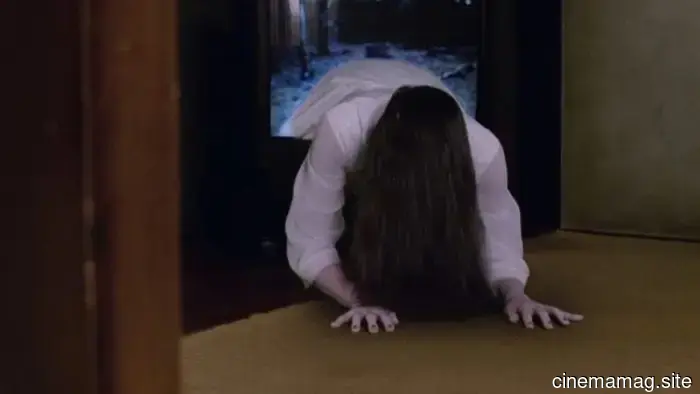
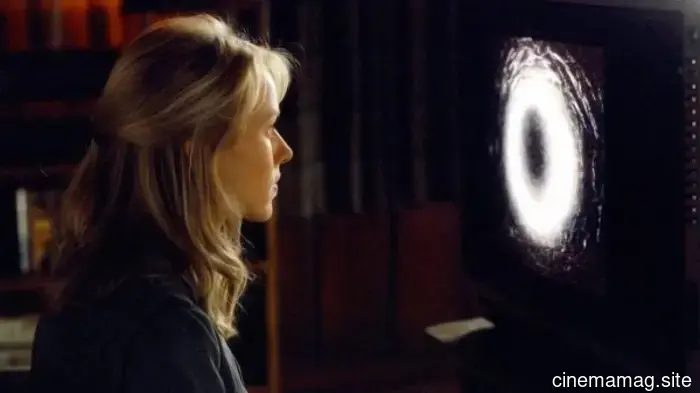
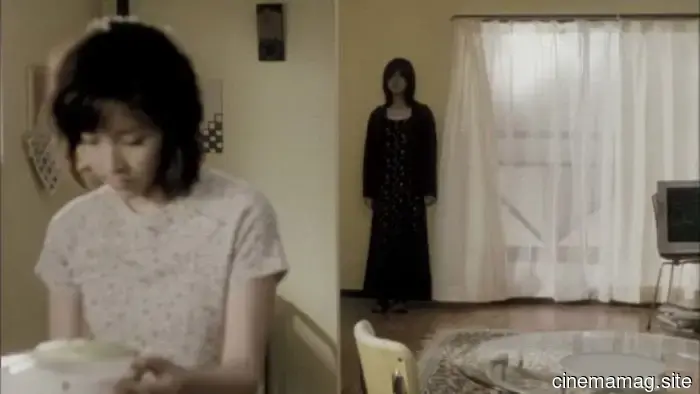
This fundamental aspect seems to elude many Western viewers: Sadako Yamamura, the girl from the well in 1998’s Ringu, is not a monster in the traditional Western sense. She isn't a slasher or a demon; she embodies consequence. She's what happens when you overlook or dismiss something—when you cast it into a well and convince yourself the issue is resolved. She represents the underestimated woman, transformed into a natural force that seeks you out within seven days, regardless of how you rationalize it or your reasonable objections.
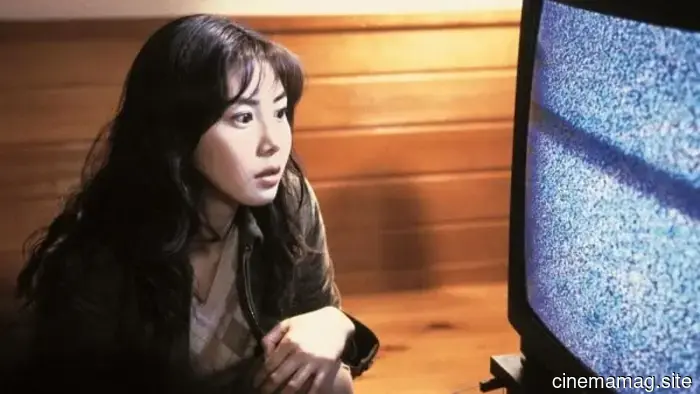
Hideo Nakata grasped an essential truth about dread: it’s not just about a monster leaping from the shadows; it’s knowing that the monster exists. It's the anxiety of counting down the seven days and constantly checking the clock. Our protagonist, Reiko Asakawa, a journalist and single mother navigating a society that often disregards her, discovers the tape and can’t help but watch. Because that’s what we do—we watch, even when we know we shouldn’t.
The immediate and visceral effectiveness of Ringu and its counterpart Ju-On: The Grudge, directed by Takashi Shimizu in 2002, lies in their distinctive aesthetic. We can refer to it as a texture of wrongness.
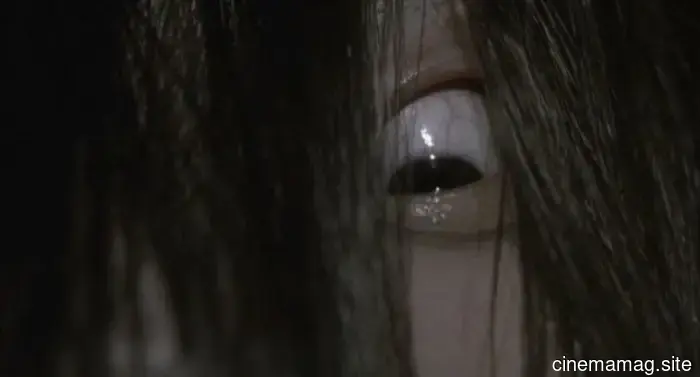
In these films, everything feels slightly off in an ineffable way that demands attention. The lighting is perpetually flat or dim; the angles are just a bit misaligned. Action occurs when it shouldn’t—in the reflections or backgrounds of shots we aren’t meant to scrutinize too closely. The sound design operates on a level that eludes conscious awareness, creating an unsettling subsonic hum that your body senses before your mind does.
Shimizu, in particular, understood that non-linear storytelling can serve as a horror device in itself. Ju-On doesn’t unfold linearly; it builds tension. We encounter vignettes and fragments of interactions with the curse in no specific order, allowing our minds to piece the narrative together. This disorienting effect invades us; rather than being guided through a haunted house, you find yourself inside one, disconnected from the exit.
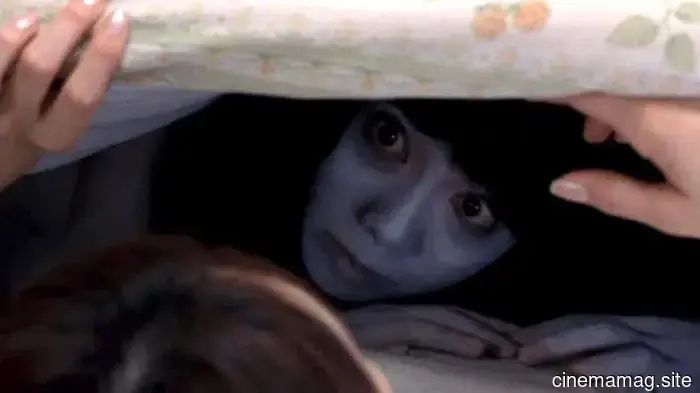
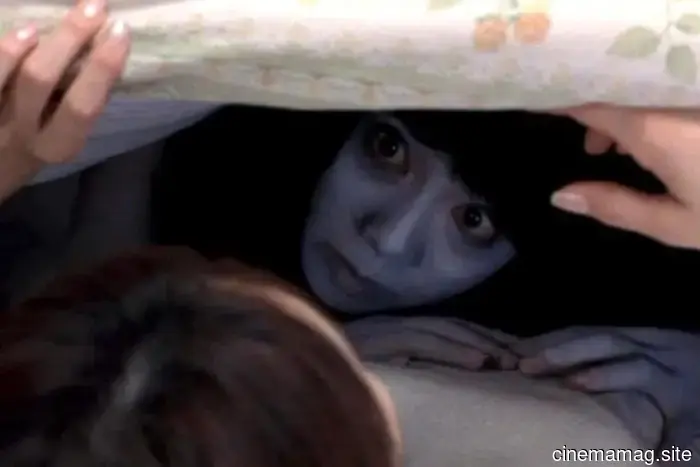
Kayako Saeki, the antagonist of Ju-On, is perhaps the more overtly political of the two iconic J-Horror ghosts. She is a woman murdered by her husband, strangled and disposed of, in a home where her young son was also killed. The curse she embodies is indiscriminate; there are no countdowns or negotiations. You don’t even have to have wronged her directly. The house and its energy are corrupt. Entering or touching it already marks you. The curse propagates like the awareness of something dreadful, which serves as its own deliberate metaphor.
Shimizu gave Kayako a sound, a haunting croak that lodges itself in the brainstem and lingers. Her movements defy human norms. The infamous scene where she crawls down a staircase remains disturbingly effective even after two decades. This wasn’t CGI creation but the physical performance of Takako Fuji, contorting into something that repulses us not because it's unrealistic, but because it resides in that uncanny valley where your







Другие статьи
 J-хоррор и западный взгляд: когда азиатский хоррор захватил 90-е
Адам Пейдж о взрыве популярности японского хоррора в конце 90-х и его влиянии на Голливуд… Я знаю, что начинаю с обобщения, но есть странный вид высокомерия, который приходит с…
Дж-ужасы и западный взгляд: когда азиатский ужас захватил 90-е
Адам Пейдж о взрыве популярности японского хоррора в конце 90-х и его влиянии на Голливуд… Я знаю, что начинаю с обобщения, но есть странный вид высокомерия, который сопровождает…
J-хоррор и западный взгляд: когда азиатский хоррор захватил 90-е
Адам Пейдж о взрыве популярности японского хоррора в конце 90-х и его влиянии на Голливуд… Я знаю, что начинаю с обобщения, но есть странный вид высокомерия, который приходит с…
Дж-ужасы и западный взгляд: когда азиатский ужас захватил 90-е
Адам Пейдж о взрыве популярности японского хоррора в конце 90-х и его влиянии на Голливуд… Я знаю, что начинаю с обобщения, но есть странный вид высокомерия, который сопровождает…
J-Horror and the Western Perspective: Asian Horror's Infiltration in the 1990s
Adam Page discusses the surge in popularity of J-horror in the late 90s and how it influenced Hollywood. I recognize that I’m beginning with a broad statement, but there is a peculiar kind of arrogance that is associated with…