
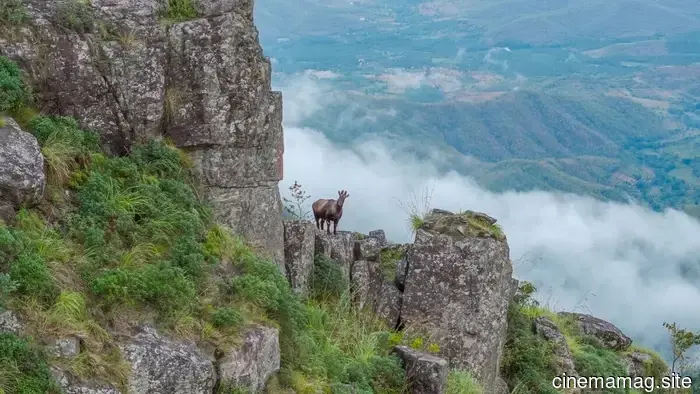
Nilgiris: A Collective Wilderness Showcasing India's Unique Species to the Globe
Initially, director Sandesh Kadur envisioned his remarkable nature documentary, Nilgiris: A Shared Wilderness, as merely a YouTube video.
“It was originally intended for schools,” Kadur mentioned during a recent screening of Nilgiris at the Woods Hole Film Festival. “However, as we began filming in this landscape, we encountered black panthers, great hornbills, and the rare salea lizard — all species that had not been properly documented before.”
What started as a plan for a 20-minute video evolved into a 40-minute film, which ultimately grew to 75 minutes. Kadur presented a shorter version of the film for television to an engaged audience at Woods Hole. (You can watch it on Hulu, Disney+, or here.)
Nilgiris, which translates to “blue mountains,” ranks among the most vibrant and unique locations globally. It is India’s first UNESCO Biosphere Reserve, where humans and wildlife regularly share the landscape. Both people and elephants must be cautious of one another.
The documentary even captures an astonishing moment when a bear shatters a window of a house. That house belongs to the film’s producer, Rohini Nilekani, who funded the project with the intention of educating students about the region. It has ultimately reached a wide audience of inquisitive viewers.
“We seldom receive such financial backing from philanthropists, and her support allowed us to enhance the film’s impact and make a difference in the area we documented,” Kadur explained.
The production spanned two years, which Kadur considered “actually a relatively short duration for this type of nature documentary.” Having created numerous documentaries for the BBC and National Geographic, he noted that it’s common for a film to take three years.
The film seeks to foster support for conservation and preservation efforts. Kadur emphasized that the filmmakers prioritized minimizing disturbance to the animals they filmed.
“We are firmly rooted in the ethics of our approach,” he expressed. “We use long lenses and camera traps, which capture footage without our presence, ensuring minimal disruption to the wildlife.”
He added, “To truly appreciate these animals, one must see them.”
For more information about Nilgiris: A Shared Wilderness, visit here, and check out additional coverage of the Woods Hole Film Festival here.
Main image: Nilgiris: A Shared Wilderness, courtesy of Woods Hole Film Festival.
Other articles
 Samara Weaving has been cast as Emma Frost in the reboot of Marvel's X-Men.
As the MCU progresses rapidly towards the culmination of the Multiverse Saga with Avengers: Doomsday and Avengers: Secret Wars, the 'Mutant Saga' is starting to develop, featuring Deadl...
Samara Weaving has been cast as Emma Frost in the reboot of Marvel's X-Men.
As the MCU progresses rapidly towards the culmination of the Multiverse Saga with Avengers: Doomsday and Avengers: Secret Wars, the 'Mutant Saga' is starting to develop, featuring Deadl...
 Comic Book Sneak Peek – Event Horizon: Inferno #4
IDW Publishing will release Event Horizon: Inferno #4 this Wednesday, and you can check out a sneak preview of the issue in the official preview below… Demons roam the corridors of the starship…
Comic Book Sneak Peek – Event Horizon: Inferno #4
IDW Publishing will release Event Horizon: Inferno #4 this Wednesday, and you can check out a sneak preview of the issue in the official preview below… Demons roam the corridors of the starship…
 The 12 Most Ridiculous Movies We've Ever Watched
From Dumb and Dumber to White Chicks, these are among the most ridiculous movies we've ever experienced.
The 12 Most Ridiculous Movies We've Ever Watched
From Dumb and Dumber to White Chicks, these are among the most ridiculous movies we've ever experienced.
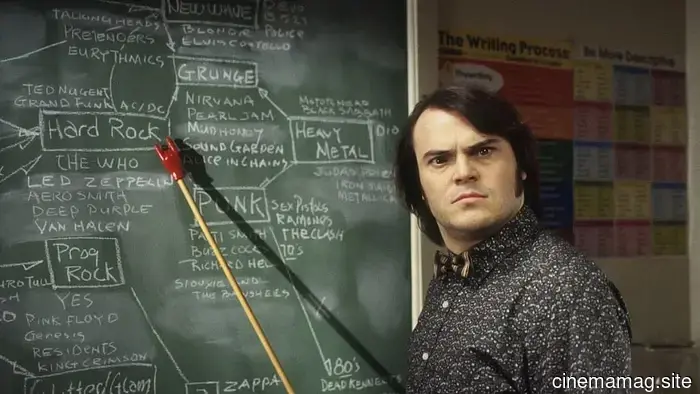 The 12 Most Absurd Movies We've Ever Watched
From Dumb and Dumber to White Chicks, these are among the funniest movies we have ever watched.
The 12 Most Absurd Movies We've Ever Watched
From Dumb and Dumber to White Chicks, these are among the funniest movies we have ever watched.
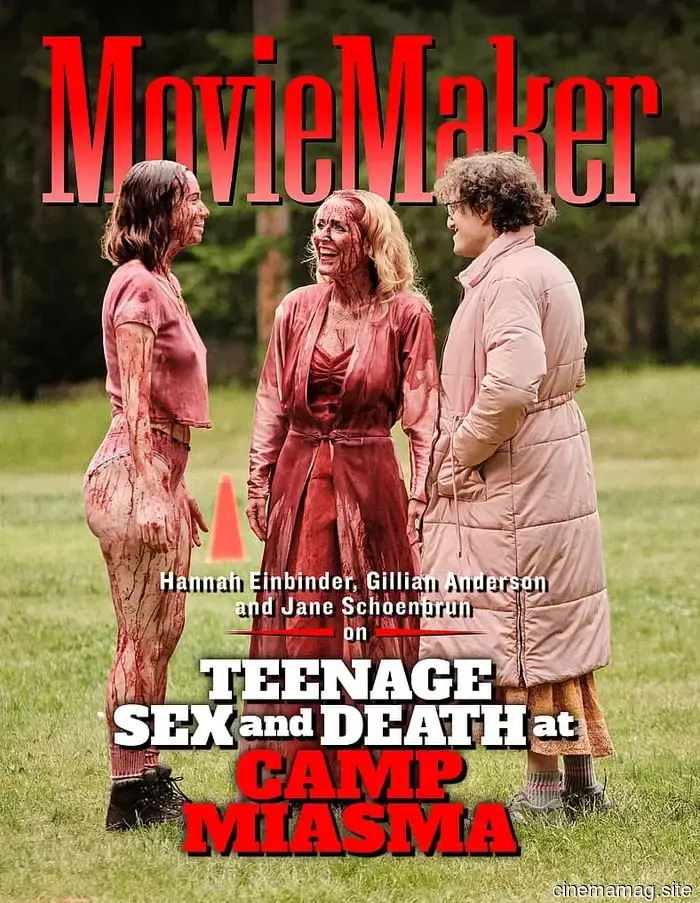 Seeking the Ultimate in Teenage Sex and Death at Camp Miasma
Hannah Einbinder, Jane Schoenbrun, and Gillian Anderson bring their all to Teenage Sex and Death at Camp Miasma.
Seeking the Ultimate in Teenage Sex and Death at Camp Miasma
Hannah Einbinder, Jane Schoenbrun, and Gillian Anderson bring their all to Teenage Sex and Death at Camp Miasma.
 Super7 announces pre-orders for the ThunderCats Lion-O and Mumm-Ra Ultimates! action figures.
Super7 has revealed that its exclusive ThunderCats Toy Color Lion-O and Mumm-Ra Ultimates! action figures, featuring LED light-up eyes, for San Diego Comic-Con are now available for pre-order, with a price of /;…
Super7 announces pre-orders for the ThunderCats Lion-O and Mumm-Ra Ultimates! action figures.
Super7 has revealed that its exclusive ThunderCats Toy Color Lion-O and Mumm-Ra Ultimates! action figures, featuring LED light-up eyes, for San Diego Comic-Con are now available for pre-order, with a price of /;…
Nilgiris: A Collective Wilderness Showcasing India's Unique Species to the Globe
At one time, director Sandesh Kadur originally planned for his breathtaking nature documentary Nilgiris: A Shared Wilderness to be just a YouTube video.