
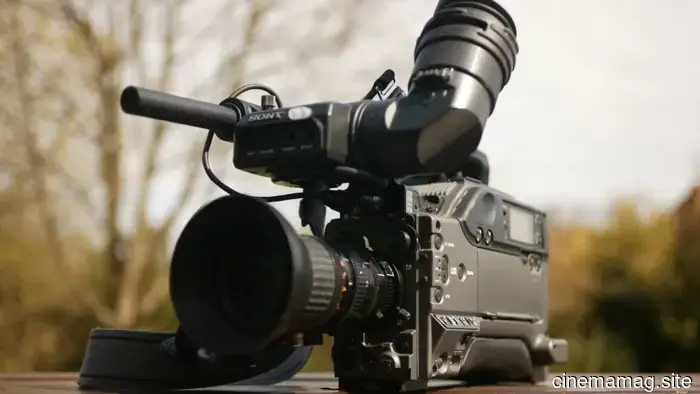
How Independent Filmmakers Can Organize a Successful International Film Shoot - MovieMaker Magazine
Shooting a film overseas can add a unique touch to an independent project. Using authentic street scenes, landscapes, buildings, local culture, and talent can create an atmosphere that is hard to replicate elsewhere.
Nevertheless, making an independent film in a foreign nation introduces extra challenges. Issues such as securing permits, obtaining visas, managing equipment, arranging transportation, overcoming language barriers, dealing with weather conditions, and adapting to different working styles can significantly impact a tight budget.
To effectively prepare for filming abroad, independent filmmakers need to be thoroughly ready, as there won't be a major production company to lean on.
Research the Location Before Planning the Schedule
Conduct your research on the country and city before finalizing travel dates. Avoid being swayed solely by attractive images of the destination. Understand the logistical aspects of the location from a production standpoint. Investigate transportation options, climate factors, local holidays and festivals, daylight availability, accommodation costs, and the accessibility of crew and equipment.
Holidays can greatly affect production. They may determine when the area is inaccessible, limit event capabilities, reduce hotel availability, affect supplier responsiveness, and impact staff efficiency.
Examine the distances between locations with practical considerations in mind. Two places that seem nearby on a map might take much longer to reach because of traffic or road closures. Local producers, fixers, or production coordinators can provide essential insights and knowledge that aren’t available online. World Production Service can assist independent filmmakers with local production needs, help connect them with experienced fixers, and coordinate international support in various filming locations.
Create a Budget That Accounts for International Filming
An accurate budget should encompass much more than just flight and shooting costs. When working internationally, filmmakers may also need to budget for visas, permits, lodging, transportation, equipment rentals, insurance, customs fees, crew meals, interpreters, location charges, baggage handling, data storage, and communication expenses.
Set aside funds for unexpected costs. Independent film budgets are often tightly constrained, and international filming can be unpredictable. Delays due to adverse weather, equipment failures, need for extra vehicles, or changes to locations can lead to unanticipated expenses. It’s wiser to streamline less critical creative elements rather than find yourself without funds for genuine issues.
Secure Filming Permits and Visas in Advance
Don’t assume that entry into a country automatically grants permission for professional filming. Visa and work requirements vary by location, crew nationality, production type, and length of stay, and should be confirmed before booking flights.
Filming permits differ from one location to another. A simple interview on private property may only require a basic location agreement, whereas filming on public streets, historical sites, near government buildings, or transportation areas often requires more formal approval.
Drone usage, road closures, special effects, child and animal actors, and certain props may necessitate additional permissions. Always keep copies of approved permits and essential production documents accessible during the shoot.
Scout Locations for Practical Filming Needs
Location scouting should address more than just aesthetics. The production team must assess whether the site can accommodate filming needs. Evaluate factors such as vehicle accessibility, parking availability, noise levels, electrical supply, restroom facilities, crew waiting areas, and cell service coverage.
For exterior locations, consider the sun's position at different times throughout the day. An ideal location found in the morning may not be suitable for a late afternoon shoot.
Capture short videos along with photographs. Video can reveal traffic patterns, noise disturbances, and other potential issues that still images can't convey. Always have a backup location identified for key scenes prior to shooting.
Determine Which Crew Members Should Travel
It's not always necessary to fly the entire crew internationally. Independent productions can often send the creative team while hiring local technical staff. Key personnel like the director, producer, and cinematographer can travel, with the rest of the crew sourced locally.
A good local crew brings more than just technical skills; they have knowledge of local suppliers, transportation, working customs, and communication practices. They can also guide visiting teams away from decisions that may seem logical from abroad but don’t work well in the local context.
Establish roles and lines of communication before the first shooting day to ensure a cohesive working environment for both local and visiting teams.
Weigh Equipment Rental Against Bringing Your Own Gear
Filmmakers typically prefer equipment they are familiar with, but transporting an entire set internationally can be costly. Before making decisions, research local equipment rental options.
Standard cameras, lenses, lighting, grip, and sound gear may already be available in established production hubs. Renting locally can minimize baggage and simplify logistics. However, specialized equipment may still need to accompany the production.
When bringing professional gear across borders, confirm customs requirements well in advance. Prepare a detailed equipment inventory with serial numbers, quantities, and estimated values as needed. If renting locally, confirm specific equipment models and available substitutes; don't assume all rental markets will offer the same brands or quantities. World Production Service can also assist with equipment rental needs by helping productions find suitable local resources
Другие статьи
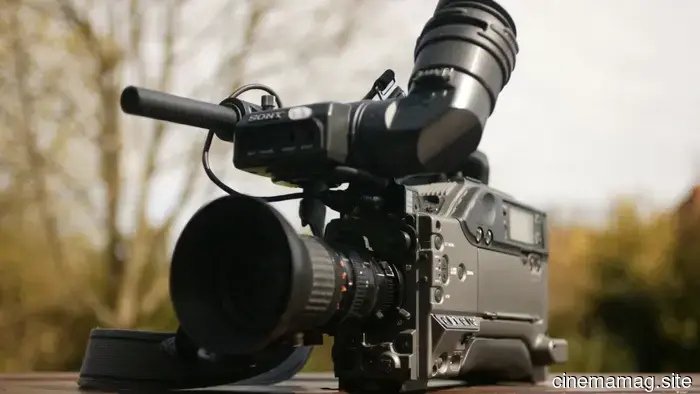 Как независимые кинематографисты могут спланировать успешные международные съемки - журнал MovieMaker
Съемка фильма в иностранной стране может быть одним из способов добавить уникальность независимому фильму. Съемка на локации может предложить настоящую улицу
Как независимые кинематографисты могут спланировать успешные международные съемки - журнал MovieMaker
Съемка фильма в иностранной стране может быть одним из способов добавить уникальность независимому фильму. Съемка на локации может предложить настоящую улицу
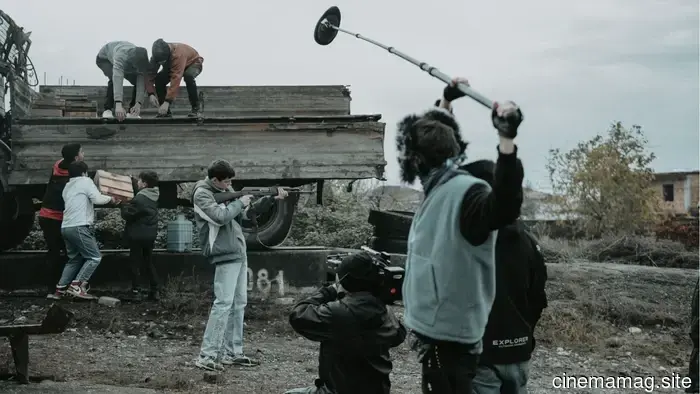 Как продюсеры могут сбалансировать местные и международные команды на глобальных кинопроектах - журнал MovieMaker
Международное кинопроизводство может быть наиболее эффективным, когда существует сочетание мобильной команды, понимающей творческое видение, и местной группы, которая
Как независимые кинематографисты могут спланировать успешные международные съемки - журнал MovieMaker
Съемка фильма в иностранной стране может быть одним из способов добавить уникальность независимому фильму. Съемка на локации может предложить настоящую улицу
Как продюсеры могут сбалансировать местные и международные команды на глобальных кинопроектах - журнал MovieMaker
Международное кинопроизводство может быть наиболее эффективным, когда существует сочетание мобильной команды, понимающей творческое видение, и местной группы, которая
Как независимые кинематографисты могут спланировать успешные международные съемки - журнал MovieMaker
Съемка фильма в иностранной стране может быть одним из способов добавить уникальность независимому фильму. Съемка на локации может предложить настоящую улицу
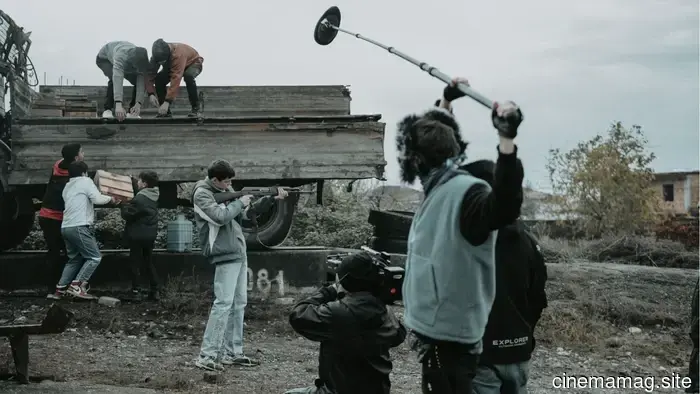 Как продюсеры могут сбалансировать местные и международные команды на глобальных кинопроектах - журнал MovieMaker
Международное кинопроизводство может быть наиболее эффективным, когда существует сочетание мобильной команды, понимающей творческое видение, и местной группы, которая
Как продюсеры могут сбалансировать местные и международные команды на глобальных кинопроектах - журнал MovieMaker
Международное кинопроизводство может быть наиболее эффективным, когда существует сочетание мобильной команды, понимающей творческое видение, и местной группы, которая
How Independent Filmmakers Can Organize a Successful International Film Shoot - MovieMaker Magazine
Shooting a film in a foreign country can be a way to introduce a distinctive element to an independent movie. Using a location can provide the authentic streetscape.