
Guillermo del Toro Hears Frankenstein
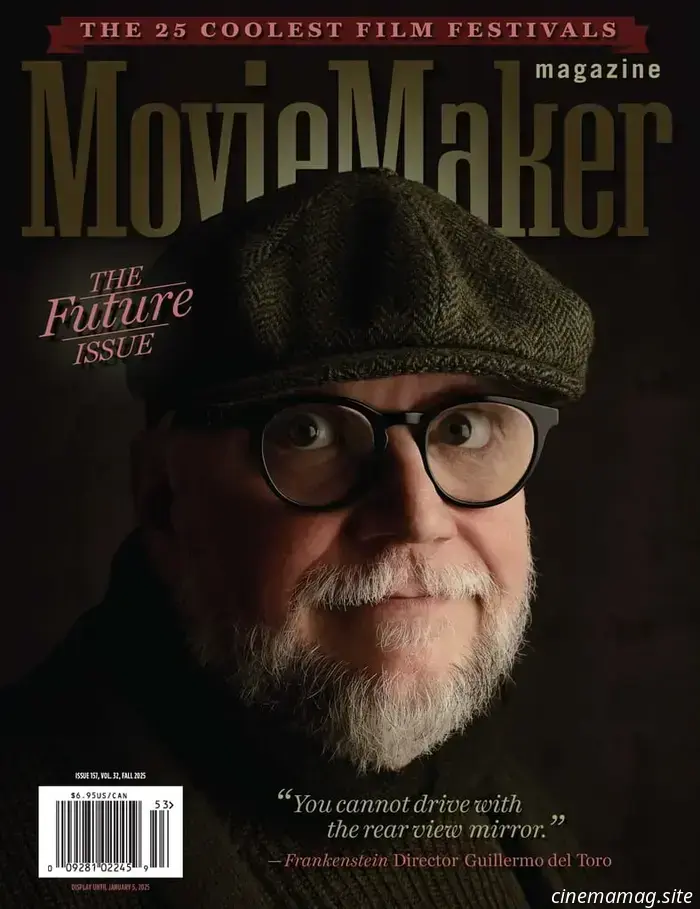
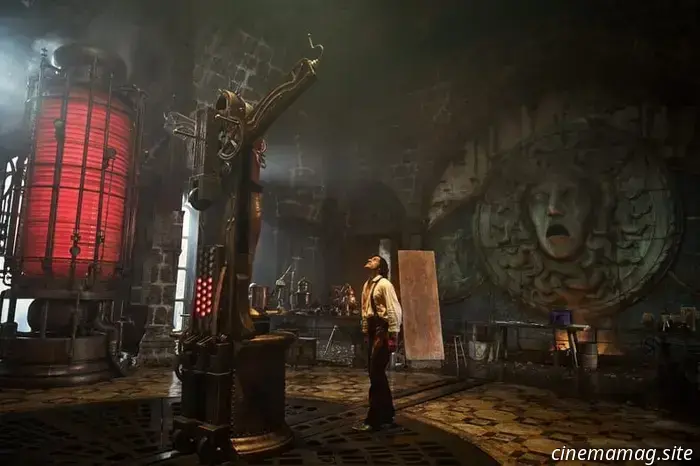
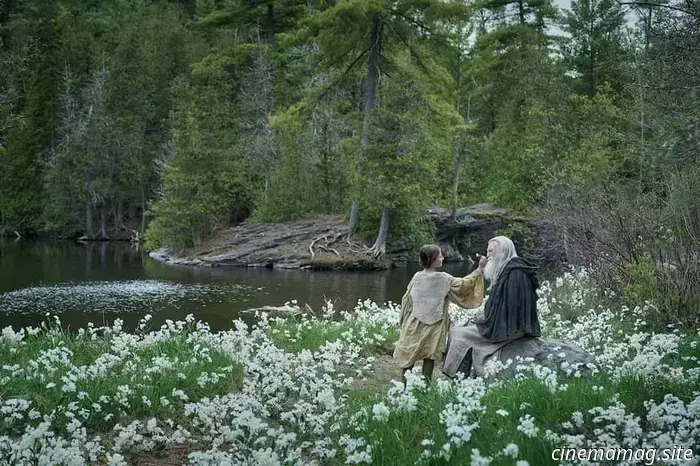
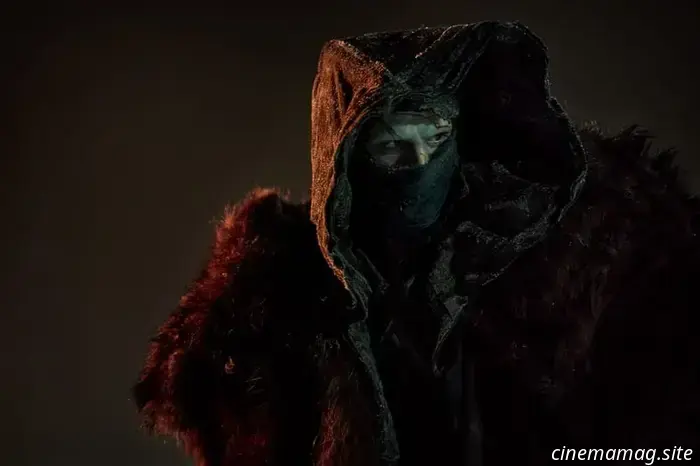
Guillermo del Toro has evolved beyond merely directing films; he now engages with them on a deeper level. The Oscar-winning director, known for his adaptation of Frankenstein, emphasizes his exploration of faith and spirituality, crafting a unique interpretation of the legendary tale of a creature created by man.
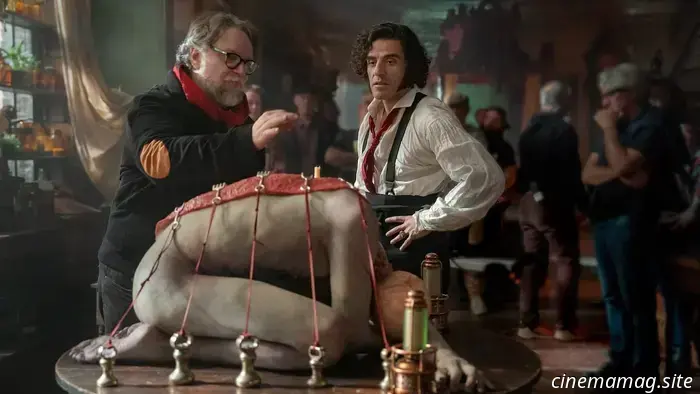
“You dedicate nine to twelve months to prepare a movie,” he explained to MovieMaker in early September, following the positive response to his Netflix film at the Toronto International Film Festival. “Everything has been meticulously designed, from sets to worlds—the smallest detail has your approval. What are you seeking now? You’re inviting in the unexpected.
“You’re not pursuing perfection anymore. You want the film to feel alive, not like a mere statue. You’re inviting the subtle twitches of an eyelid, the movement of a hand. That spontaneity can only happen if you open yourself up to the experience. The film breathes through action.
“When someone says, ‘We’re losing the sun,’ instead of panicking, you respond, ‘How can we light it? Let’s bring in candles. Let’s shoot at night. Why not?’ And sometimes, that leads to better outcomes.”
For del Toro, these moments of uncertainty guide him on how to proceed with the film. This sensitivity was inspired by studying a cinematic giant from a different era, adopting a more adaptable approach to his filmmaking that he began to embrace a few years prior.
Del Toro, who features on the latest cover of MovieMaker, recalls how this perspective manifested while working on The Shape of Water, particularly when observing how actor Richard Jenkins raised a cup.
“I told Richard how much I appreciated the way he lifted that cup. He responded, ‘Did I do that?’” Del Toro remembers. “I encouraged him to repeat it. He said he would try, but I responded, ‘Forget it. Just do what feels natural, and I’ll adapt.’”
This method contributed to The Shape of Water winning four Oscars at the 2018 Academy Awards, including Best Picture and Best Director. He employed a similar approach while choreographing scenes for the 2021 film Nightmare Alley, which also garnered him a Best Picture Oscar nomination.
“I had Cate Blanchett and Bradley Cooper. Should I dictate their placement, or wait for them to find their positions and decide where the camera should be?” he ponders. “You have two powerful actors. Will you confine them, or let them roam free and then adjust accordingly? The latter is far more effective, which is where this adaptability began; I became more agile.”
Reflecting on his prior directing style, del Toro admits, “I was difficult to work with.”
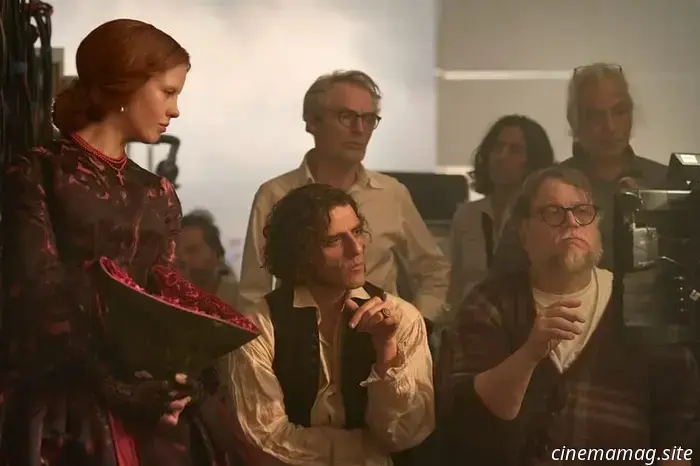
Oscar Isaac, who was cast as Victor Frankenstein, shared his surprise at the relaxed atmosphere during the $120 million, 120-day production.
“Given the meticulous visual style of his films, I anticipated a more restricted working environment,” he tells MovieMaker. “I thought I needed to create energy within tight constraints.
“What surprised me,” he notes, “and likely surprised him as well, is that he allowed, as he puts it, the film to express itself and relinquish control.”
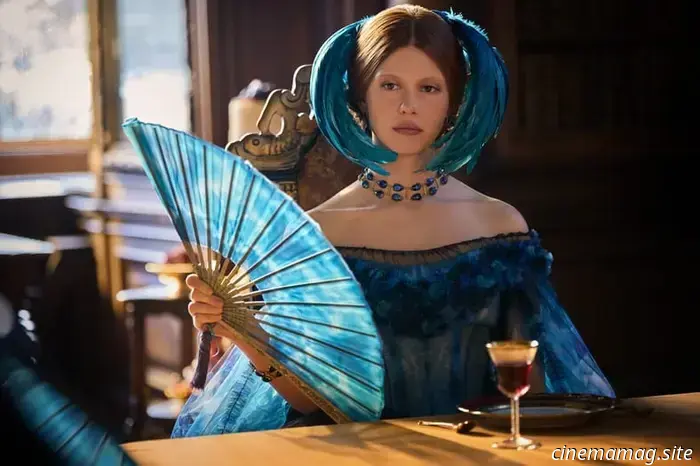
A compelling contrast exists between the filmmaker and his character: Victor is intensely controlling, egotistical, and manipulative in his quest for a scientific breakthrough—a man transformed into a monster by the traumatic experiences of his youth. In trying to conquer death, his dissatisfaction with his creation taints his soul and harms those he professes to care for.
Del Toro’s interpretation of Frankenstein highlights man’s own follies, while the Creature grapples with the consequences of his creator’s abandonment, becoming a beast only after enduring the pain of being forsaken by a selfish father.
In stark contrast, del Toro cherishes his characters, stories, and filmmaking family so much that he trusts them to exceed his expectations. He begins the creative process by encouraging his conceptual team to explore freely for a week.
“This is your sole opportunity to share your unfiltered ideas about the movie, so I dedicate the first week as an open trial. I don’t impose anything,” he explains. “Show me what interests you, and we’ll begin our conversation.”
“To me, the idea of the director as dictator is nonsensical,” he insists. “The concept of the director as prophet resonates with me.”
“The film communicates with you,” he continues, “but the rules don’t solely emerge from you or the film alone. People can ask the film if it’s okay to paint a wall red, and the film might respond affirmatively. It’s about the film’s voice.”
Isaac recalls an early incident during the making of Frankenstein when he witnessed the film communicate with del Toro through the setting.
When del Toro noticed the mist beginning to dissipate, he quickly adjusted his plans for a scene featuring a younger Victor, leading to an urgent makeup call and quick decisions that would significantly affect the film.
“Originally, he was set to have a white streak in


Other articles
 The Leeds-based initiative Small Distractions Club, a monthly book club and event organizer that bridges the gap between music and literature, will launch its first literary salon in London tonight (3rd November) at The Social. In collaboration with music-focused publishers White Rabbit Books, the event will feature members from English Teacher, Opus Kink, Bug Teeth, Skydaddy, and Fat White Family, who will present previously unheard works—poetry, prose, and musings—that are not part of their musical catalogs. Before the event starts, we spoke with Small Distractions Club founder Rhiannon Kane to delve into the motivations behind this project, what attendees can expect from the salon, and the intriguing space where music and books converge.
What inspired the creation of Small Distractions Club? Could you elaborate on your reasons for starting it? My passion for books and music runs deep. Like many, I rediscovered these central interests during the lockdown, a period when I had felt somewhat detached from them over the years. The last five years have been a gradual rediscovery of this love. In 2022, I began sharing insights on the books I was reading. A bout of illness at university (thank you, viral meningitis) severely impacted my attention span, prompting me to select shorter books to ease back into reading, hence the name Small Distractions. Reading became a vital hobby during that isolating period.
I've always enjoyed music memoirs, as they offer a deep understanding of musicians through their interests and lives, sparking the idea to converse with musicians about their reading preferences. I started with my friend and collaborator, Lily Fontaine of English Teacher (who has a passion for sci-fi and Derren Brown), and from there, the project gained momentum. The interviews are available on Substack, though they're infrequent because I dislike transcribing and won't resort to using AI. I also work at Brudenell Social Club, the best venue in Leeds (and the world), where I often have engaging conversations with patrons about books; this inspired me to launch a book club there in May. The discussions and the attendance at the book club indicated a significant interest in the intersection of books and music.
In addition to the monthly book club in Leeds, Small Distractions has evolved to include live literary salons, with the inaugural London edition happening tonight! What criteria do you use when selecting texts for the book club or speakers for the salon? Are there specific themes or perspectives you're aiming to highlight? The idea for the salon emerged from countless conversations about bands and books. I reached out to the Leeds Literary Festival to propose an event celebrating both. Around the same time, I met author David Keenan and Lee Brackstone, head of White Rabbit Books, and I managed to persuade them to join the effort; that's when everything fell into place. We envisioned the event as a blend of a poetry night and a party. While I'm not particularly fond of poetry—I’ve always felt it didn't resonate with me—I’ve been gradually working to change that. I wanted the salons to be welcoming to those who usually shy away from poetry events.
The structure of the book club differs slightly. In the past, I've struggled to stay committed to book clubs; if I have a hectic month or dislike a book, I often fall behind and stop attending. To avoid that scenario, I curate a selection of optional readings each month: one novel, one non-fiction piece (literary criticism or cultural commentary), and a few poems. The goal is to allow attendees flexibility in their reading; if they're busy, they can opt to read just a poem or an essay and still participate without having finished the novel. Sometimes we select a theme for the month, while other times one standout piece guides my choices. Thus far, we’ve explored themes like pride, disability, and the concept of home, while broader themes of gender, sexuality, class, and power often arise.
Based on your experiences with the salons, how does the writing shared differ from the material produced within the context of the speakers' bands? The manner of presenting the written work is a significant difference—band frontpeople are more exposed, without the support of their band or a lengthy performance to navigate. This creates a very intimate atmosphere where the audience actively encourages them. Hosting the event in smaller venues fosters genuine interaction between the crowd and the speakers, making it a leveling experience.
Some speakers are established authors and poets, while others are musicians sharing their writing for the first time beyond song lyrics; this work occupies a different realm than their musical output. I aim for the salons to facilitate a platform for sharing writings they might have felt unsure what to do with. It's a vulnerable and significant experience to provoke reactions from an audience responding to unfinished and raw work. Attendees have presented a variety of pieces at the salons, including poetry, prose, and excerpts from screenplays. Many have hesitated, feeling unprepared or doubting the quality of their work—seeing them
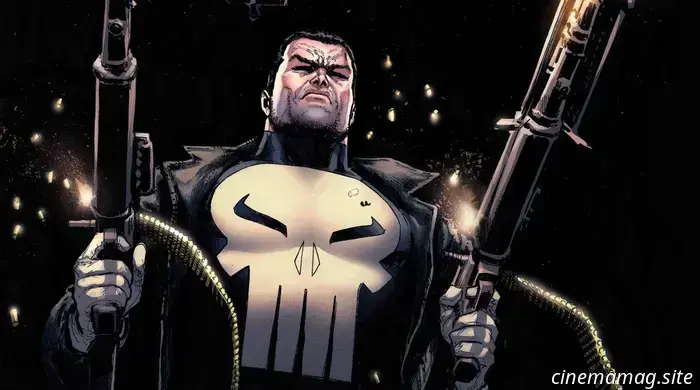
Following his comeback in September’s Punisher: Red Band #1, Frank Castle is poised to take the spotlight again in a brand-new ongoing Punisher series crafted by writer Benjamin Percy and artist...
The Leeds-based initiative Small Distractions Club, a monthly book club and event organizer that bridges the gap between music and literature, will launch its first literary salon in London tonight (3rd November) at The Social. In collaboration with music-focused publishers White Rabbit Books, the event will feature members from English Teacher, Opus Kink, Bug Teeth, Skydaddy, and Fat White Family, who will present previously unheard works—poetry, prose, and musings—that are not part of their musical catalogs. Before the event starts, we spoke with Small Distractions Club founder Rhiannon Kane to delve into the motivations behind this project, what attendees can expect from the salon, and the intriguing space where music and books converge.
What inspired the creation of Small Distractions Club? Could you elaborate on your reasons for starting it? My passion for books and music runs deep. Like many, I rediscovered these central interests during the lockdown, a period when I had felt somewhat detached from them over the years. The last five years have been a gradual rediscovery of this love. In 2022, I began sharing insights on the books I was reading. A bout of illness at university (thank you, viral meningitis) severely impacted my attention span, prompting me to select shorter books to ease back into reading, hence the name Small Distractions. Reading became a vital hobby during that isolating period.
I've always enjoyed music memoirs, as they offer a deep understanding of musicians through their interests and lives, sparking the idea to converse with musicians about their reading preferences. I started with my friend and collaborator, Lily Fontaine of English Teacher (who has a passion for sci-fi and Derren Brown), and from there, the project gained momentum. The interviews are available on Substack, though they're infrequent because I dislike transcribing and won't resort to using AI. I also work at Brudenell Social Club, the best venue in Leeds (and the world), where I often have engaging conversations with patrons about books; this inspired me to launch a book club there in May. The discussions and the attendance at the book club indicated a significant interest in the intersection of books and music.
In addition to the monthly book club in Leeds, Small Distractions has evolved to include live literary salons, with the inaugural London edition happening tonight! What criteria do you use when selecting texts for the book club or speakers for the salon? Are there specific themes or perspectives you're aiming to highlight? The idea for the salon emerged from countless conversations about bands and books. I reached out to the Leeds Literary Festival to propose an event celebrating both. Around the same time, I met author David Keenan and Lee Brackstone, head of White Rabbit Books, and I managed to persuade them to join the effort; that's when everything fell into place. We envisioned the event as a blend of a poetry night and a party. While I'm not particularly fond of poetry—I’ve always felt it didn't resonate with me—I’ve been gradually working to change that. I wanted the salons to be welcoming to those who usually shy away from poetry events.
The structure of the book club differs slightly. In the past, I've struggled to stay committed to book clubs; if I have a hectic month or dislike a book, I often fall behind and stop attending. To avoid that scenario, I curate a selection of optional readings each month: one novel, one non-fiction piece (literary criticism or cultural commentary), and a few poems. The goal is to allow attendees flexibility in their reading; if they're busy, they can opt to read just a poem or an essay and still participate without having finished the novel. Sometimes we select a theme for the month, while other times one standout piece guides my choices. Thus far, we’ve explored themes like pride, disability, and the concept of home, while broader themes of gender, sexuality, class, and power often arise.
Based on your experiences with the salons, how does the writing shared differ from the material produced within the context of the speakers' bands? The manner of presenting the written work is a significant difference—band frontpeople are more exposed, without the support of their band or a lengthy performance to navigate. This creates a very intimate atmosphere where the audience actively encourages them. Hosting the event in smaller venues fosters genuine interaction between the crowd and the speakers, making it a leveling experience.
Some speakers are established authors and poets, while others are musicians sharing their writing for the first time beyond song lyrics; this work occupies a different realm than their musical output. I aim for the salons to facilitate a platform for sharing writings they might have felt unsure what to do with. It's a vulnerable and significant experience to provoke reactions from an audience responding to unfinished and raw work. Attendees have presented a variety of pieces at the salons, including poetry, prose, and excerpts from screenplays. Many have hesitated, feeling unprepared or doubting the quality of their work—seeing them
Following his comeback in September’s Punisher: Red Band #1, Frank Castle is poised to take the spotlight again in a brand-new ongoing Punisher series crafted by writer Benjamin Percy and artist...
 Comic Book Sneak Peek – ThunderCats: Lost #8
Dynamite Entertainment will launch ThunderCats: Lost #8 on Wednesday, and you can check out the official preview of the issue below… Weary, famished, and in dire straits, the worn-out survivors of t…
Comic Book Sneak Peek – ThunderCats: Lost #8
Dynamite Entertainment will launch ThunderCats: Lost #8 on Wednesday, and you can check out the official preview of the issue below… Weary, famished, and in dire straits, the worn-out survivors of t…
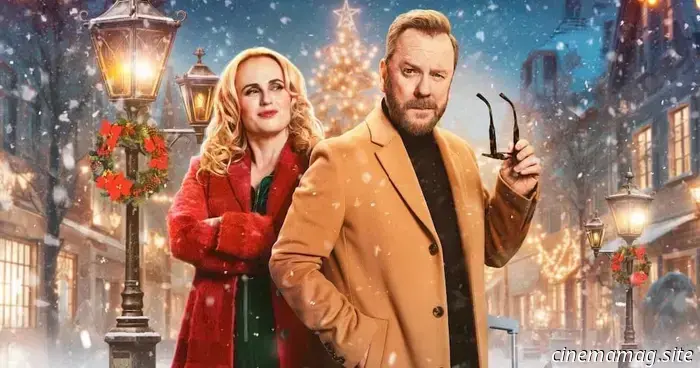 Unveil the trailer for the holiday comedy Tinsel Town featuring Kiefer Sutherland and Rebel Wilson.
A poster and trailer have appeared online for Tinsel Town, the forthcoming holiday family comedy directed by Chris Foggin. Kiefer Sutherland plays the role of Bradley Mack, a faded action star who is deceived...
Unveil the trailer for the holiday comedy Tinsel Town featuring Kiefer Sutherland and Rebel Wilson.
A poster and trailer have appeared online for Tinsel Town, the forthcoming holiday family comedy directed by Chris Foggin. Kiefer Sutherland plays the role of Bradley Mack, a faded action star who is deceived...
.jpg) Film Review – Sentimental Value (2025)
Sentimental Value, 2025. Directed by Joachim Trier. Featuring Renate Reinsve, Stellan Skarsgård, Inga Ibsdotter Lilleaas, Elle Fanning, Cory Michael Smith, Catherine Cohen, Pia Borgli, Jonas Jacobsen,…
Film Review – Sentimental Value (2025)
Sentimental Value, 2025. Directed by Joachim Trier. Featuring Renate Reinsve, Stellan Skarsgård, Inga Ibsdotter Lilleaas, Elle Fanning, Cory Michael Smith, Catherine Cohen, Pia Borgli, Jonas Jacobsen,…
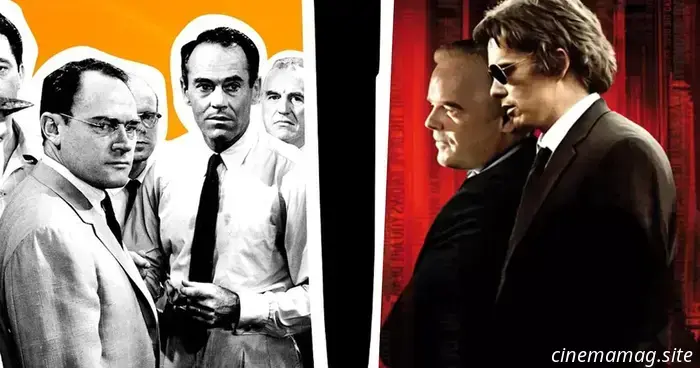 Bookended Excellence: Filmmakers Notable for Their Outstanding First and Last Films
Many directors have launched their careers with an impressive film or concluded with a remarkable one. However, which directors made their striking entrance and concluded with an extraordinary film? Here, we explore four candidates… Every director begins…
Bookended Excellence: Filmmakers Notable for Their Outstanding First and Last Films
Many directors have launched their careers with an impressive film or concluded with a remarkable one. However, which directors made their striking entrance and concluded with an extraordinary film? Here, we explore four candidates… Every director begins…
 Top Real Money Online Casino Bonuses for 2025: Which Online Casino Offers the Best Bonuses? Explore the List.
Discovering the top online casino bonuses is essential for enhancing your chances of winning. Casinos with no deposit bonuses provide risk-free opportunities to navigate platforms and enjoy
Top Real Money Online Casino Bonuses for 2025: Which Online Casino Offers the Best Bonuses? Explore the List.
Discovering the top online casino bonuses is essential for enhancing your chances of winning. Casinos with no deposit bonuses provide risk-free opportunities to navigate platforms and enjoy
Guillermo del Toro Hears Frankenstein
Guillermo del Toro Hears Frankenstein