
Bookended Excellence: Filmmakers Notable for Their Outstanding First and Last Films
Numerous directors have either started their careers with a remarkable film or concluded them with one. However, which directors made a breathtaking debut and delivered an outstanding final film? Let's examine four noteworthy examples.
Every filmmaker has to start somewhere, and many undoubtedly aspire to distinguish themselves in their profession. Many legendary directors have diligently worked their way to success, with several emerging from Roger Corman productions before creating their first masterpiece.
Additionally, it is common for directors to aim for a triumphant end to their careers. Some of the most revered filmmakers have seen their popularity wane, often struggling to replicate their earlier achievements. Creative inspiration, it appears, can diminish over time.
Now, which directors made a remarkable feature debut and also finished on a high note? Let’s explore those who have the strongest first and last films. The criteria are straightforward: only completed narrative feature films, and directors who have directed more than one film (apologies to Charles Laughton and his single masterpiece, Night of the Hunter). Directors still active are excluded, as their last films must be truly final (whether confirmed by retirement or passed away). Here are the directors with the finest first and last films.
**Sidney Lumet**
It seems that Sidney Lumet may be somewhat underrated. Does he receive the same level of respect as his contemporaries such as Francis Ford Coppola, Scorsese, or the more recent darlings like Tarantino, Nolan, and P.T.A. fans? Examining Lumet’s filmography reveals a wealth of brilliant cinema, with titles like Dog Day Afternoon, Network, Serpico, The Verdict, Fail Safe, and many others.
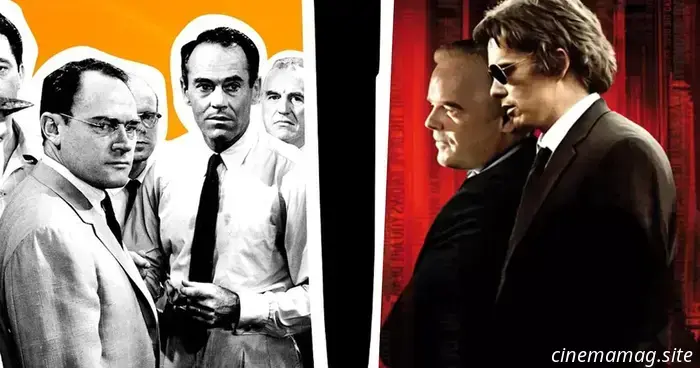
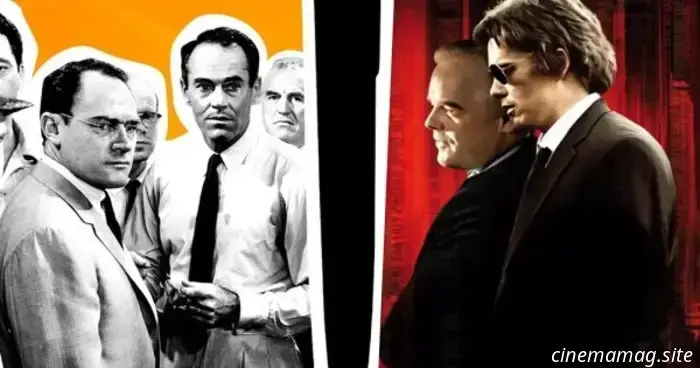
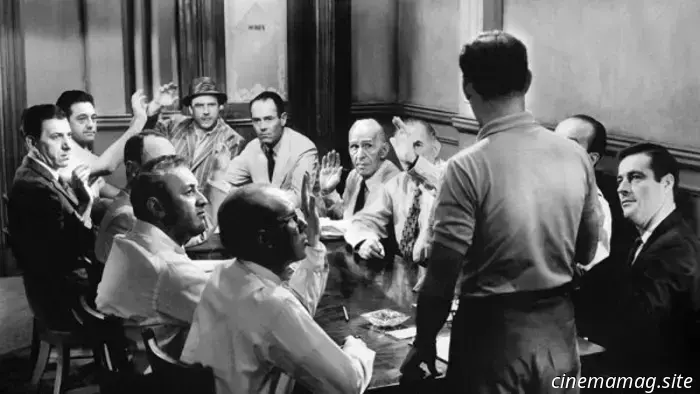
Now, think about his feature debut, which is regarded as one of the greatest films of all time. 12 Angry Men places its jurors in a room on a hot, sweaty day, tasked with rendering a verdict in a murder trial that seems straightforward until one juror (Henry Fonda) challenges the group’s opinion. The gripping nature of this chamber piece, set in such a limited space, showcases Lumet’s directorial prowess, strikingly confident for a debut.
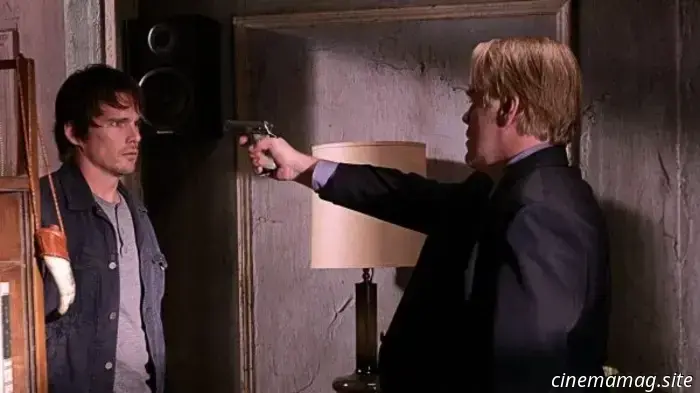
Lumet remained active throughout his extensive career, completing his last film in his 80s. Before The Devil Knows You’re Dead served as a fittingly excellent farewell for a director whose work in the 90s was seen as a decline from the high bar he had established. Supported by a stellar cast including Ethan Hawke and Philip Seymour Hoffman, this heist thriller revisits themes from Dog Day Afternoon and demonstrated Lumet’s mastery was just as strong as in his prime.
**Andrei Tarkovsky**
When discussing an exceptional debut and a concluding feature that showcases a director at their mesmerizing best, it’s hard to overlook Andrei Tarkovsky. With only seven full features to his name, the Soviet filmmaker consistently produced work of the highest caliber. Each of his films is typically viewed as either great or a groundbreaking masterpiece, such as Solaris, Stalker, Andrei Rublev, Mirror, or Nostalgia.
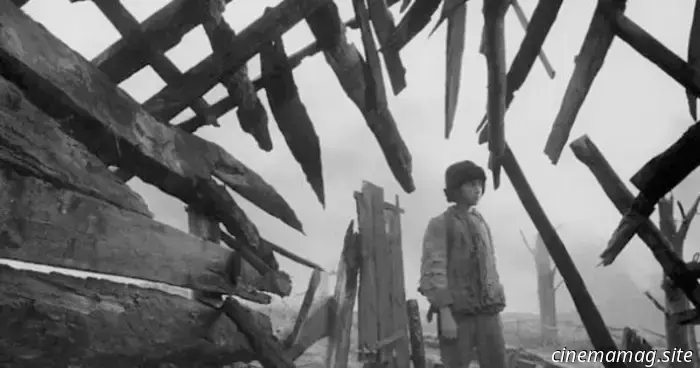
Tarkovsky's promising debut, Ivan’s Childhood, is his most accessible work, while still being philosophical and intricately layered. It’s also his shortest film, running a mere 95 minutes. The World War II story eschews battle for a more personal narrative, telling the tale of a young boy who acts as a courier and faces danger. Poetic, dreamlike, and deeply moving, it perfectly encapsulates Tarkovsky's focus on emotion and evocation, unafraid to explore magical realism.
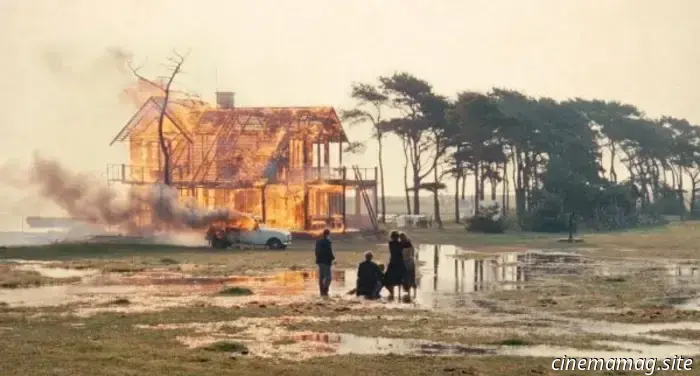
By the time Tarkovsky made his final film, The Sacrifice, he was gravely ill yet committed to realizing his vision with the same meticulousness. This film addresses a vague time just before the onset of World War III. The protagonist, Alexander (Erland Josephson), seeks a way to prevent impending disaster through sacrifice, hoping that God or a higher power will intervene.
Profound, melancholic, and philosophical, The Sacrifice feels like a parable rich in allegory. Tarkovsky’s essence is woven into the film. With Ingmar Bergman staple Josephson and Bergman’s long-time cinematographer Sven Nykvist involved, the result is visually stunning, especially following the recent 4K restoration. It’s safe to say no director achieved the consistency that Tarkovsky did.
**Francois Truffaut**
Truffaut emerged as a pivotal figure in the French New Wave, which was France’s response to Italian Neo-realism and embraced a vibrant, experimental style in shooting, editing, and narrative construction.
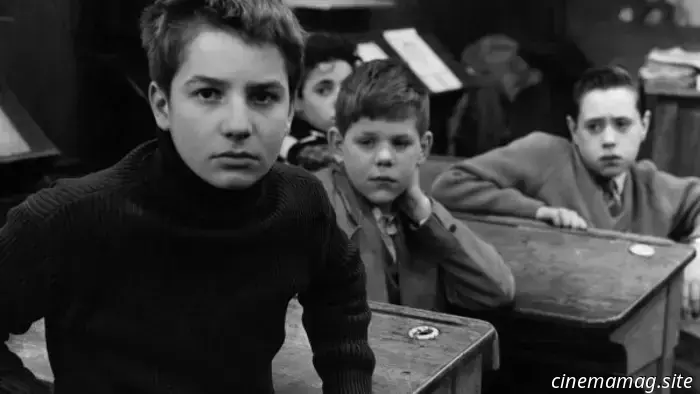
However, Truffaut’s debut was more subdued compared to the 60s cinema that would follow (including works by Godard). The 400 Blows (not to be confused with Bonnie Blue’s typical Tuesday) was an extraordinary debut that launched Truffaut's career impressively. One could argue he never created a film quite as remarkable again, yet his subsequent
Other articles
 Unveil the trailer for the holiday comedy Tinsel Town featuring Kiefer Sutherland and Rebel Wilson.
A poster and trailer have appeared online for Tinsel Town, the forthcoming holiday family comedy directed by Chris Foggin. Kiefer Sutherland plays the role of Bradley Mack, a faded action star who is deceived...
Unveil the trailer for the holiday comedy Tinsel Town featuring Kiefer Sutherland and Rebel Wilson.
A poster and trailer have appeared online for Tinsel Town, the forthcoming holiday family comedy directed by Chris Foggin. Kiefer Sutherland plays the role of Bradley Mack, a faded action star who is deceived...
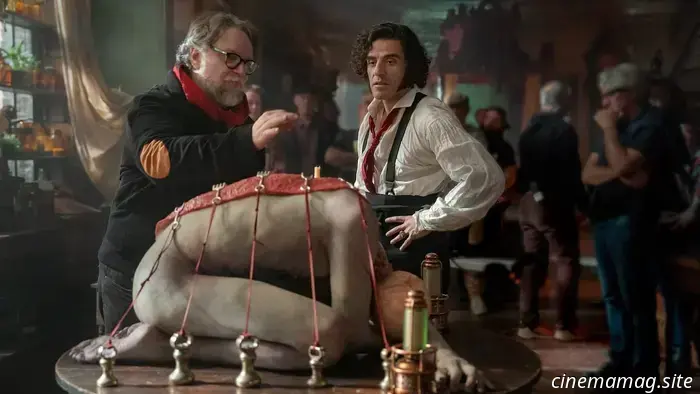 Guillermo del Toro Hears Frankenstein
Guillermo del Toro Hears Frankenstein
Guillermo del Toro Hears Frankenstein
 The Leeds-based initiative Small Distractions Club, a monthly book club and event organizer that bridges the gap between music and literature, will launch its first literary salon in London tonight (3rd November) at The Social. In collaboration with music-focused publishers White Rabbit Books, the event will feature members from English Teacher, Opus Kink, Bug Teeth, Skydaddy, and Fat White Family, who will present previously unheard works—poetry, prose, and musings—that are not part of their musical catalogs. Before the event starts, we spoke with Small Distractions Club founder Rhiannon Kane to delve into the motivations behind this project, what attendees can expect from the salon, and the intriguing space where music and books converge.
What inspired the creation of Small Distractions Club? Could you elaborate on your reasons for starting it? My passion for books and music runs deep. Like many, I rediscovered these central interests during the lockdown, a period when I had felt somewhat detached from them over the years. The last five years have been a gradual rediscovery of this love. In 2022, I began sharing insights on the books I was reading. A bout of illness at university (thank you, viral meningitis) severely impacted my attention span, prompting me to select shorter books to ease back into reading, hence the name Small Distractions. Reading became a vital hobby during that isolating period.
I've always enjoyed music memoirs, as they offer a deep understanding of musicians through their interests and lives, sparking the idea to converse with musicians about their reading preferences. I started with my friend and collaborator, Lily Fontaine of English Teacher (who has a passion for sci-fi and Derren Brown), and from there, the project gained momentum. The interviews are available on Substack, though they're infrequent because I dislike transcribing and won't resort to using AI. I also work at Brudenell Social Club, the best venue in Leeds (and the world), where I often have engaging conversations with patrons about books; this inspired me to launch a book club there in May. The discussions and the attendance at the book club indicated a significant interest in the intersection of books and music.
In addition to the monthly book club in Leeds, Small Distractions has evolved to include live literary salons, with the inaugural London edition happening tonight! What criteria do you use when selecting texts for the book club or speakers for the salon? Are there specific themes or perspectives you're aiming to highlight? The idea for the salon emerged from countless conversations about bands and books. I reached out to the Leeds Literary Festival to propose an event celebrating both. Around the same time, I met author David Keenan and Lee Brackstone, head of White Rabbit Books, and I managed to persuade them to join the effort; that's when everything fell into place. We envisioned the event as a blend of a poetry night and a party. While I'm not particularly fond of poetry—I’ve always felt it didn't resonate with me—I’ve been gradually working to change that. I wanted the salons to be welcoming to those who usually shy away from poetry events.
The structure of the book club differs slightly. In the past, I've struggled to stay committed to book clubs; if I have a hectic month or dislike a book, I often fall behind and stop attending. To avoid that scenario, I curate a selection of optional readings each month: one novel, one non-fiction piece (literary criticism or cultural commentary), and a few poems. The goal is to allow attendees flexibility in their reading; if they're busy, they can opt to read just a poem or an essay and still participate without having finished the novel. Sometimes we select a theme for the month, while other times one standout piece guides my choices. Thus far, we’ve explored themes like pride, disability, and the concept of home, while broader themes of gender, sexuality, class, and power often arise.
Based on your experiences with the salons, how does the writing shared differ from the material produced within the context of the speakers' bands? The manner of presenting the written work is a significant difference—band frontpeople are more exposed, without the support of their band or a lengthy performance to navigate. This creates a very intimate atmosphere where the audience actively encourages them. Hosting the event in smaller venues fosters genuine interaction between the crowd and the speakers, making it a leveling experience.
Some speakers are established authors and poets, while others are musicians sharing their writing for the first time beyond song lyrics; this work occupies a different realm than their musical output. I aim for the salons to facilitate a platform for sharing writings they might have felt unsure what to do with. It's a vulnerable and significant experience to provoke reactions from an audience responding to unfinished and raw work. Attendees have presented a variety of pieces at the salons, including poetry, prose, and excerpts from screenplays. Many have hesitated, feeling unprepared or doubting the quality of their work—seeing them
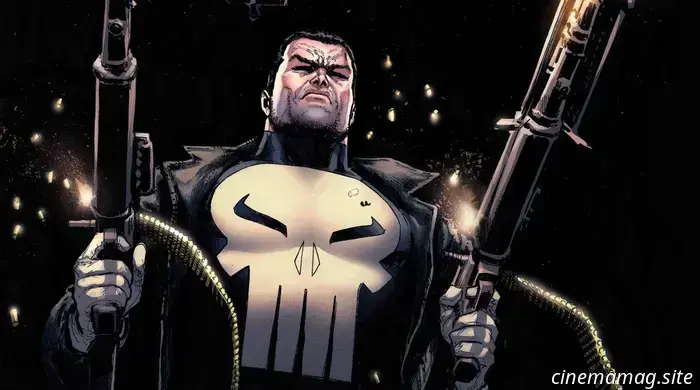
Following his comeback in September’s Punisher: Red Band #1, Frank Castle is poised to take the spotlight again in a brand-new ongoing Punisher series crafted by writer Benjamin Percy and artist...
The Leeds-based initiative Small Distractions Club, a monthly book club and event organizer that bridges the gap between music and literature, will launch its first literary salon in London tonight (3rd November) at The Social. In collaboration with music-focused publishers White Rabbit Books, the event will feature members from English Teacher, Opus Kink, Bug Teeth, Skydaddy, and Fat White Family, who will present previously unheard works—poetry, prose, and musings—that are not part of their musical catalogs. Before the event starts, we spoke with Small Distractions Club founder Rhiannon Kane to delve into the motivations behind this project, what attendees can expect from the salon, and the intriguing space where music and books converge.
What inspired the creation of Small Distractions Club? Could you elaborate on your reasons for starting it? My passion for books and music runs deep. Like many, I rediscovered these central interests during the lockdown, a period when I had felt somewhat detached from them over the years. The last five years have been a gradual rediscovery of this love. In 2022, I began sharing insights on the books I was reading. A bout of illness at university (thank you, viral meningitis) severely impacted my attention span, prompting me to select shorter books to ease back into reading, hence the name Small Distractions. Reading became a vital hobby during that isolating period.
I've always enjoyed music memoirs, as they offer a deep understanding of musicians through their interests and lives, sparking the idea to converse with musicians about their reading preferences. I started with my friend and collaborator, Lily Fontaine of English Teacher (who has a passion for sci-fi and Derren Brown), and from there, the project gained momentum. The interviews are available on Substack, though they're infrequent because I dislike transcribing and won't resort to using AI. I also work at Brudenell Social Club, the best venue in Leeds (and the world), where I often have engaging conversations with patrons about books; this inspired me to launch a book club there in May. The discussions and the attendance at the book club indicated a significant interest in the intersection of books and music.
In addition to the monthly book club in Leeds, Small Distractions has evolved to include live literary salons, with the inaugural London edition happening tonight! What criteria do you use when selecting texts for the book club or speakers for the salon? Are there specific themes or perspectives you're aiming to highlight? The idea for the salon emerged from countless conversations about bands and books. I reached out to the Leeds Literary Festival to propose an event celebrating both. Around the same time, I met author David Keenan and Lee Brackstone, head of White Rabbit Books, and I managed to persuade them to join the effort; that's when everything fell into place. We envisioned the event as a blend of a poetry night and a party. While I'm not particularly fond of poetry—I’ve always felt it didn't resonate with me—I’ve been gradually working to change that. I wanted the salons to be welcoming to those who usually shy away from poetry events.
The structure of the book club differs slightly. In the past, I've struggled to stay committed to book clubs; if I have a hectic month or dislike a book, I often fall behind and stop attending. To avoid that scenario, I curate a selection of optional readings each month: one novel, one non-fiction piece (literary criticism or cultural commentary), and a few poems. The goal is to allow attendees flexibility in their reading; if they're busy, they can opt to read just a poem or an essay and still participate without having finished the novel. Sometimes we select a theme for the month, while other times one standout piece guides my choices. Thus far, we’ve explored themes like pride, disability, and the concept of home, while broader themes of gender, sexuality, class, and power often arise.
Based on your experiences with the salons, how does the writing shared differ from the material produced within the context of the speakers' bands? The manner of presenting the written work is a significant difference—band frontpeople are more exposed, without the support of their band or a lengthy performance to navigate. This creates a very intimate atmosphere where the audience actively encourages them. Hosting the event in smaller venues fosters genuine interaction between the crowd and the speakers, making it a leveling experience.
Some speakers are established authors and poets, while others are musicians sharing their writing for the first time beyond song lyrics; this work occupies a different realm than their musical output. I aim for the salons to facilitate a platform for sharing writings they might have felt unsure what to do with. It's a vulnerable and significant experience to provoke reactions from an audience responding to unfinished and raw work. Attendees have presented a variety of pieces at the salons, including poetry, prose, and excerpts from screenplays. Many have hesitated, feeling unprepared or doubting the quality of their work—seeing them
Following his comeback in September’s Punisher: Red Band #1, Frank Castle is poised to take the spotlight again in a brand-new ongoing Punisher series crafted by writer Benjamin Percy and artist...
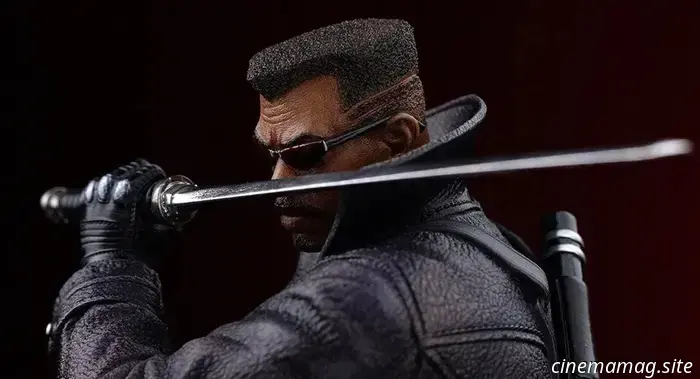 Iron Studios has unveiled a collectible statue of Marvel's Blade.
Iron Studios has officially revealed its 1:10 scale collectible statue of Blade, which draws inspiration from the Daywalker’s appearance in Marvel comics, and it is now available for pre-order, priced at 9.9...
Iron Studios has unveiled a collectible statue of Marvel's Blade.
Iron Studios has officially revealed its 1:10 scale collectible statue of Blade, which draws inspiration from the Daywalker’s appearance in Marvel comics, and it is now available for pre-order, priced at 9.9...
 Comic Book Sneak Peek – ThunderCats: Lost #8
Dynamite Entertainment will launch ThunderCats: Lost #8 on Wednesday, and you can check out the official preview of the issue below… Weary, famished, and in dire straits, the worn-out survivors of t…
Comic Book Sneak Peek – ThunderCats: Lost #8
Dynamite Entertainment will launch ThunderCats: Lost #8 on Wednesday, and you can check out the official preview of the issue below… Weary, famished, and in dire straits, the worn-out survivors of t…
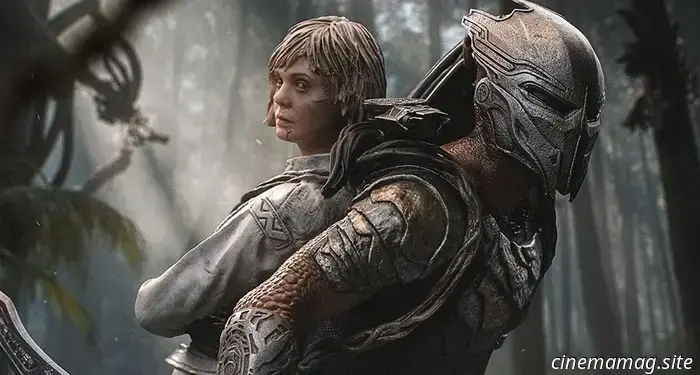 Iron Studios has revealed the Predator: Badlands Dek & Thia collectible statue.
Iron Studios has unveiled the 1:10 scale statue of Dek & Thia, inspired by the duo's look in the forthcoming sci-fi action film Predator: Badlands. The collectible is currently open for pre-order.
Iron Studios has revealed the Predator: Badlands Dek & Thia collectible statue.
Iron Studios has unveiled the 1:10 scale statue of Dek & Thia, inspired by the duo's look in the forthcoming sci-fi action film Predator: Badlands. The collectible is currently open for pre-order.
Bookended Excellence: Filmmakers Notable for Their Outstanding First and Last Films
Many directors have launched their careers with an impressive film or concluded with a remarkable one. However, which directors made their striking entrance and concluded with an extraordinary film? Here, we explore four candidates… Every director begins…